
Brewing Brilliance: How Coffee Grounds Perk Up Your Compost Pile!
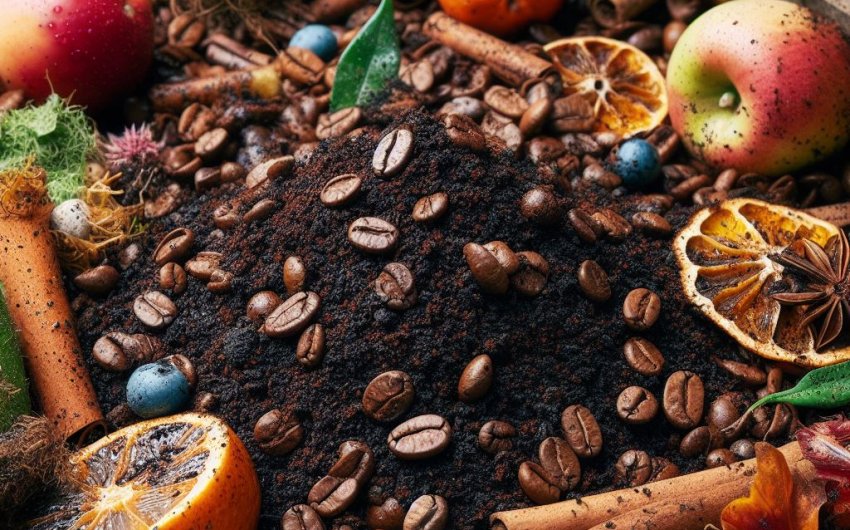
After enjoying that steaming cup of coffee, many of us simply toss the leftover grounds in the trash. But what if those seemingly spent coffee grounds could have a vibrant second life? For gardeners and compost enthusiasts, they're not just waste; they're a hidden treasure! Adding coffee grounds to your compost pile is one of the easiest and most effective ways to boost its quality, speed up decomposition, and enrich the final product for your garden.
It's a simple act of recycling that benefits your plants, reduces landfill waste, and gives your compost a powerful kick. Far from being just "dirt," those leftover grounds are packed with valuable nutrients and properties that can really perk up your compost. Whether you're a seasoned composting pro or just starting your journey into turning kitchen scraps into "black gold," understanding the brilliance of adding coffee grounds to your compost pile is a game-changer. Let's explore all the amazing ways these humble leftovers can transform your composting efforts!
What Makes Coffee Grounds Great for Compost?
Coffee grounds are much more than just leftover coffee. They contain a surprising array of elements and properties that make them an excellent addition to your compost pile. Understanding their composition helps explain why they're so beneficial.
Are Coffee Grounds "Greens" or "Browns" in Composting?
This is one of the most common questions about coffee grounds in compost, and it's a bit tricky because they have characteristics of both!
- Traditionally Classified as "Greens": In the world of composting, materials are broadly categorized as "greens" (nitrogen-rich) or "browns" (carbon-rich).
- "Greens" are typically fresh, moist, and high in nitrogen, like grass clippings, fresh plant material, and fruit/vegetable scraps. They get the pile hot and activate decomposition.
- "Browns" are dry, carbon-rich materials like fallen leaves, wood chips, straw, and shredded paper. They provide bulk, structure, and balance to the nitrogen. Coffee grounds are generally categorized as "greens" because they have a relatively high nitrogen content. Their average carbon-to-nitrogen (C:N) ratio is about (20:1) to (24:1). For comparison, grass clippings (a classic "green") can be around (19:1), and dry leaves (a classic "brown") can be (50:1) or higher.
- Behave Like "Browns" Physically: However, despite their chemical composition, coffee grounds often behave like "browns" in terms of their physical structure and appearance. They are often dry and clump together, which can sometimes reduce airflow if added in very large quantities without proper mixing. Their fine texture can also fill air pockets, especially when wet.
- The Best Approach: Treat coffee grounds as a nitrogen-rich green material that needs to be balanced with an equal or greater amount of carbon-rich browns. Don't add huge amounts of just coffee grounds; always mix them with other materials to maintain a good carbon-to-nitrogen ratio and ensure proper aeration in your compost pile.
So, while they look brown and dry, chemically, they're a nitrogen boost for your compost.
What Nutrients Do Coffee Grounds Add to Compost?
Coffee grounds are a powerhouse of nutrients that benefit your finished compost and, in turn, your garden soil.
- Nitrogen (N): This is their primary contribution. Coffee grounds are relatively rich in nitrogen, a vital nutrient for leafy growth and the key component that fuels the microbes in your compost pile. Microbes need nitrogen to multiply and efficiently break down organic matter, which is why coffee grounds help "perk up" decomposition.
- Phosphorus (P): While not as abundant as nitrogen, coffee grounds also contain a good amount of phosphorus. Phosphorus is essential for root development, flowering, and fruiting in plants.
- Potassium (K): They also contain potassium, another macronutrient crucial for overall plant health, water regulation, and disease resistance.
- Micronutrients: Beyond the big three (N-P-K), coffee grounds also contain valuable trace minerals, or micronutrients, that plants need in smaller amounts. These include:
- Calcium (Ca): Important for cell wall structure and overall plant vigor.
- Magnesium (Mg): A central component of chlorophyll (the green pigment in leaves), essential for photosynthesis.
- Boron (B): Important for cell wall formation and nutrient transport.
- Copper (Cu): Plays a role in enzyme activity and photosynthesis.
- Iron (Fe): Essential for chlorophyll production and enzyme function.
- Zinc (Zn): Involved in enzyme activity and plant growth regulation.
These nutrients are not immediately available in raw coffee grounds but become slowly available as the grounds decompose in the compost pile. Once the compost is mature, these nutrients are in a form that plants can easily absorb, providing a slow-release, natural fertilizer for your garden.
Do Coffee Grounds Affect the pH of Compost?
This is a common concern, but generally, the effect of coffee grounds on the final pH of your compost pile is minimal and usually not something to worry about.
- Raw Coffee Grounds are Acidic: Fresh, unused coffee grounds are indeed acidic, with a pH of around (5.0) to (6.0). This is why some people worry they will make their compost or soil too acidic.
- Composting Neutralizes pH: However, during the composting process, the acidity of coffee grounds (and other acidic materials like fruit scraps) is largely neutralized. The microbes working in the compost pile consume and break down the organic acids.
- Final Compost pH: Well-rotted, finished compost typically has a near-neutral pH (around (6.5) to (7.5)), regardless of whether it contained acidic inputs like coffee grounds. The buffering capacity of the overall compost mix (a blend of various greens and browns) helps to stabilize the pH.
- Benefits for Alkaline Soil (if any pH effect): In areas with naturally alkaline soil (high pH), a slight, temporary lowering of pH from coffee grounds during decomposition can actually be beneficial, as many plants prefer a slightly acidic to neutral soil.
So, don't worry about coffee grounds making your compost or garden soil too acidic. The composting process effectively neutralizes their initial acidity, making them a safe and beneficial addition.
Do Coffee Grounds Speed Up Composting?
Yes! Coffee grounds are excellent for speeding up the decomposition process in your compost pile, often making it heat up faster and break down more efficiently.
- Nitrogen Kick: As a "green" material, coffee grounds provide a concentrated source of nitrogen. Nitrogen is the fuel for the billions of microorganisms (bacteria, fungi) that do the actual work of breaking down organic matter in a compost pile. A good supply of nitrogen helps these microbes multiply rapidly and become highly active.
- Microbial Activity: When microbial activity increases, the compost pile generates more heat. A hot compost pile (reaching temperatures of (120^\circ\text{F}) to (160^\circ\text{F}) or (49^\circ\text{C}) to (71^\circ\text{C})) breaks down materials much faster. Coffee grounds help reach and maintain these ideal temperatures.
- Fine Texture: Their fine particle size means they have a large surface area, making them easy for microbes to access and break down quickly. They decompose much faster than coarser materials like wood chips or leaves.
- Stimulant (Potential): Some gardeners believe that residual caffeine or other compounds in coffee grounds might also act as a stimulant for certain microbial populations, further enhancing their activity, though this effect is less scientifically established than the nitrogen contribution.
By providing a readily available source of nitrogen and a fine, easy-to-digest material, coffee grounds act as a catalyst, significantly accelerating the breakdown of your compost pile and turning your scraps into "black gold" much more quickly.
How Do I Add Coffee Grounds to My Compost Pile?
Adding coffee grounds to your compost pile is easy, but a few best practices will help you maximize their benefits and avoid potential issues. Balance and aeration are key!
Can I Put Coffee Filters in Compost?
Yes, absolutely! Coffee filters are made from paper, which is a carbon-rich (brown) material. They break down easily in a compost pile and add valuable organic matter.
- Carbon Contribution: While the coffee grounds themselves are considered "greens" (nitrogen-rich), the paper filters are "browns" (carbon-rich). Adding them together helps maintain a good balance in your compost.
- Biodegradable: Standard paper coffee filters are fully biodegradable and will decompose along with the rest of your organic waste. Avoid filters that are bleached white with chlorine (though most modern ones are oxygen-bleached or unbleached, which is better). If you're using unbleached coffee filters, they are even more eco-friendly.
- Ease of Use: You can simply toss the used filter with the grounds directly into your compost pile. No need to separate them!
Adding both the coffee grounds and the filters is a convenient and effective way to use this common kitchen waste, benefiting your compost.
How Much Coffee Grounds Can I Add to Compost?
While coffee grounds are fantastic for compost, balance is key. Too much of a good thing can sometimes lead to issues.
- Aim for Balance (Greens to Browns): Remember that coffee grounds are a "green" (nitrogen-rich) material. For optimal composting, you generally want a ratio of about (2) to (3) parts "browns" to (1) part "greens" by volume.
- Don't Overdo It: If you add too many coffee grounds without enough "browns," your compost pile can become:
- Too Wet and Dense: Coffee grounds are fine and absorb a lot of moisture. In large quantities, they can pack down and reduce airflow.
- Smelly (Ammonia Odor): Too much nitrogen without enough carbon to balance it can lead to an excess of ammonia, which produces an unpleasant rotten egg or urine-like smell.
- Slower to Decompose: Paradoxically, a pile that is too wet, dense, and nitrogen-heavy can go "anaerobic" (without oxygen), slowing down decomposition rather than speeding it up.
- Practical Guidelines:
- Mix Thoroughly: Always mix coffee grounds (and any other "greens") thoroughly into the compost pile. Don't just dump them in a single lump on top. This helps distribute the nitrogen and prevents dense, wet pockets.
- Layering: A good strategy is to layer your compost: add a layer of "browns," then a layer of "greens" (including your coffee grounds), then another layer of "browns."
- Small Portions: Add coffee grounds in manageable portions over time, rather than dumping a huge batch all at once.
- Your Personal Consumption: For most home coffee drinkers, the amount of coffee grounds produced from daily use is perfectly fine to add to a typical backyard compost pile. It won't overwhelm the system if you're also adding other kitchen scraps and yard waste.
- Collecting from Cafes: If you're collecting large amounts of coffee grounds from a local coffee shop (many are happy to give them away for free!), be prepared to also collect or source a significant amount of "brown" materials like fallen leaves, wood chips, or shredded paper to balance them out. Aim for a large pile of browns to mix with your large batch of grounds.
By mixing them in well and balancing them with plenty of "browns," you can add a substantial amount of coffee grounds to your compost pile and enjoy their benefits without issue.
Do Coffee Grounds Attract Pests to Compost?
A common concern is whether coffee grounds will attract pests to your compost pile. Generally, when properly managed, coffee grounds are not a major attractant for unwanted critters.
- Smell: While coffee grounds have a strong smell to humans, this aroma tends to dissipate quickly outdoors. More importantly, it doesn't generally attract common compost pests like rodents or raccoons in the same way that meat, dairy, or oily foods do.
- Avoid Problem Foods: The biggest attractants for pests (especially rodents) in a compost pile are meat, bones, dairy products, fats, and oily foods. These should always be avoided in an open backyard compost pile.
- Proper Composting Practices:
- Bury "Greens": Always bury fresh "green" materials (like coffee grounds and food scraps) under a layer of "browns" or existing compost. This hides them from pests and helps the pile heat up.
- Cover the Pile: Keep your compost bin or pile covered. A lid on a compost tumbler or a tarp over an open pile helps deter pests and retain heat/moisture.
- Maintain Proper Ratio: An actively decomposing, hot compost pile with a good balance of greens and browns is less attractive to pests.
- Secure Bins: If rodent control is a major concern, use a secure, enclosed compost bin for rodents made of metal or strong plastic.
- Potential for Fruit Flies: In very hot and wet conditions, or if left exposed, coffee grounds (like any food scrap) could briefly attract fruit flies. Mixing them in and covering them immediately minimizes this.
So, as long as you practice good composting habits and avoid problematic food items, coffee grounds should not lead to a pest problem in your compost pile.
What Other Coffee-Related Items Can Go in Compost?
Beyond just coffee grounds and paper filters, there are a few other coffee-related items you might be wondering about adding to your compost.
- Paper Coffee Filters: Yes, as mentioned, they are excellent "brown" material and break down easily.
- Teabags: Most standard teabags (paper or plant-based material) are compostable, along with the tea leaves inside. Avoid teabags made with plastic mesh or staples. If in doubt, empty the tea leaves and discard the bag.
- Coffee Pods/K-Cups (Caution!): This is where it gets tricky.
- Most are NOT compostable: The vast majority of K-Cups and similar coffee pods are made of plastic and are NOT compostable. They are designed for single use and end up in landfills.
- "Compostable" Pods: A few brands are now making truly compostable coffee pods made from plant-based materials. These will be clearly labeled as "compostable" (often certified by organizations like BPI - Biodegradable Products Institute). If they are certified compostable, they can go in your compost pile, but it's best to break them open to ensure quick breakdown of the grounds and filter.
- Aluminum Lids: Even on compostable pods, the small foil lid often needs to be removed and recycled separately.
- Leftover Brewed Coffee: A small amount can be added to the compost to add moisture and a little nitrogen. However, don't pour large amounts, as it can make the pile too wet. Also, avoid adding coffee with milk or sugar, as dairy and sugars can attract pests and disrupt the composting process.
- Paper Coffee Cups (Caution!): Similar to coffee pods, most disposable coffee cups are lined with polyethylene plastic to make them waterproof, which makes them NOT compostable. Only cups specifically labeled as "compostable" and potentially certified should be added, and they may still take a very long time to break down in a home compost bin. It's usually best to avoid them.
When in doubt, if a coffee-related item is not clearly labeled as compostable, or if it contains plastic or metal, it's safer to leave it out of your home compost pile. Stick to plain coffee grounds and paper filters for guaranteed compost success.
What Are the Benefits of Coffee Ground-Enriched Compost?
The real magic of adding coffee grounds comes when your compost pile matures into that rich, dark "black gold." This nutrient-dense compost then goes on to supercharge your garden.
How Does Coffee Ground Compost Improve Soil Health?
The finished compost, brimming with the benefits of coffee grounds, works wonders for your garden soil, turning it into a healthier, more vibrant growing medium.
- Adds Organic Matter: Coffee grounds are organic matter, and when they break down into compost, they enrich your soil with vital organic material. Organic matter is the backbone of healthy soil.
- Improves Soil Structure: It helps bind sandy soils together to retain moisture and nutrients. It also loosens heavy clay soils, improving drainage and aeration. This creates an ideal environment for roots to grow.
- Increases Water Retention: Compost acts like a sponge, holding onto water and releasing it slowly to plants, reducing the need for frequent watering.
- Enhances Drainage and Aeration: In compacted soils, compost helps create pore spaces, allowing oxygen to reach roots and excess water to drain away.
- Provides Slow-Release Nutrients: The nutrients (nitrogen, phosphorus, potassium, and micronutrients) from the coffee grounds are released slowly as the compost continues to break down in the soil. This provides a steady, natural food source for your plants over time, reducing the need for synthetic fertilizers.
- Boosts Microbial Life: Finished compost is teeming with beneficial microorganisms (bacteria, fungi, protozoa) and micro-invertebrates (worms, mites). These organisms:
- Decompose Further: Continue to break down organic matter, making nutrients available to plants.
- Suppress Pathogens: Compete with and suppress harmful soil-borne diseases.
- Improve Nutrient Cycling: Help cycle nutrients, making them more accessible to plant roots.
- Improve Soil Structure: Their activities create stable soil aggregates, further improving soil structure.
- Buffers Soil pH: As mentioned, the composting process neutralizes the initial acidity of coffee grounds. Finished compost typically has a near-neutral pH, making it a natural pH buffer that helps stabilize your garden soil's pH, creating an optimal environment for most plants.
Adding coffee ground-enriched compost to your garden is like giving your soil a super vitamin boost, leading to long-term health and fertility.
Does Coffee Ground Compost Help Plant Growth?
Yes, absolutely! The benefits that coffee ground-enriched compost brings to your soil directly translate into stronger, healthier, and more productive plants.
- Improved Nutrient Availability: Because the compost slowly releases nitrogen, phosphorus, potassium, and all those essential micronutrients, your plants get a consistent, balanced diet. Nitrogen, in particular, which is abundant in coffee grounds, is critical for lush, green foliage, making it especially beneficial for leafy greens.
- Stronger Root Development: The improved soil structure (better aeration and drainage, looser texture) from the compost allows plant roots to grow deeper, wider, and more robustly. A strong root system anchors the plant better and makes it more efficient at absorbing water and nutrients.
- Enhanced Water Uptake: With better water retention in the soil, plants experience less drought stress, leading to more consistent growth and higher yields.
- Reduced Disease and Pest Issues: Healthy soil leads to healthy plants. The beneficial microbes in the compost help suppress soil-borne diseases. Plants with a strong immune system (thanks to good nutrition) are also naturally more resistant to pests.
- Better Yields: All these factors combined – consistent nutrition, strong roots, efficient water uptake, and disease resistance – lead to more vigorous plant growth, ultimately resulting in higher yields of fruits, vegetables, and more abundant flowers.
- Natural and Sustainable: Using coffee ground-enriched compost means you're providing nutrients to your plants in a natural, organic way, reducing your reliance on synthetic chemical fertilizers and pesticides. This makes your garden truly eco-friendly.
From stronger seedlings to more bountiful harvests, coffee ground-enriched compost acts as a gentle, yet powerful, natural fertilizer and soil conditioner that directly supports robust plant growth.
Can Coffee Grounds Deter Pests from My Garden?
While coffee grounds primarily benefit the compost pile and soil, some gardeners report anecdotal success using them directly in the garden as a mild pest deterrent. However, it's important to manage expectations, as scientific evidence for this is mixed, and effects are often localized or temporary.
- Slugs and Snails: Some gardeners sprinkle dry coffee grounds around the base of plants or in areas prone to slugs and snails. The gritty texture is thought to irritate their soft bodies, creating a barrier they prefer not to cross. The caffeine might also be a deterrent.
- Effectiveness: This can work to some extent, especially in smaller areas, but heavy rain can wash the grounds away, requiring reapplication.
- Cats: Many cats dislike the smell and texture of coffee grounds. Sprinkling them on the soil surface can sometimes deter cats from using garden beds as litter boxes.
- Effectiveness: Temporary, and depends on the individual cat.
- Ants: Some believe coffee grounds disrupt ant trails or deter them, but again, effects are often temporary.
- Other Pests: The direct effect of coffee grounds on other common garden pests (like aphids, squash bugs, etc.) is generally not strong or proven.
Important Cautions for Direct Use in Garden:
- Use Sparingly: If you use coffee grounds directly on garden beds, do so sparingly and mix them into the topsoil. Applying very thick layers can compact the soil, inhibit water penetration, and potentially create a fungal mat.
- Avoid Fresh, Heavy Applications: Large amounts of fresh coffee grounds (which are still acidic) could potentially affect sensitive young seedlings or plants if applied in very thick layers, though the composting process negates this.
- The Best Use is in Compost: The safest and most effective way to utilize coffee grounds for pest deterrence and soil improvement is by adding them to your compost pile first. The composting process transforms them into stable, nutrient-rich organic matter that universally benefits the soil and fosters healthy plants, which are naturally more resistant to pests anyway.
So, while a light sprinkle of coffee grounds might offer some temporary, mild deterrence for specific pests, their true brilliance for your garden lies in their transformation within the compost pile.
Troubleshooting Common Coffee Ground Compost Issues
While adding coffee grounds to compost is generally easy, like any composting ingredient, knowing how to troubleshoot potential issues ensures your pile stays healthy and productive.
Why Is My Compost Pile Smelling Bad with Coffee Grounds?
A smelly compost pile is a sign that something is out of balance, and if you're adding a lot of coffee grounds, they might be contributing to the problem.
- Excess Nitrogen (Too Many "Greens"): The most common reason for a foul, putrid, or ammonia-like (rotten eggs, urine) smell is too much nitrogen-rich material ("greens") relative to carbon-rich material ("browns"). Coffee grounds, being a "green," contribute to this. When there's too much nitrogen, the microbes produce ammonia gas as they break down the material.
- Solution: Immediately add a large amount of "brown" materials to your compost pile. Good browns include dry leaves, shredded cardboard, straw, wood chips, or even plain newspaper (torn into strips). Mix them thoroughly into the smelly areas of the pile. This increases the carbon-to-nitrogen ratio and helps absorb the excess nitrogen.
- Lack of Aeration (Too Wet/Dense): If the pile is too wet and compacted, oxygen cannot penetrate, and the decomposition process becomes anaerobic (without oxygen). This creates unpleasant, rotten smells (often sulfuric or like a sewer). Coffee grounds, being fine and water-retentive, can contribute to density if not mixed in properly.
- Solution: Turn your compost pile! Use a compost aerator or a pitchfork to mix and fluff up the pile, introducing air. If it's too wet, also add dry "brown" materials to help absorb excess moisture.
- Food Scraps on Top: If coffee grounds or other food scraps are simply layered on top without being buried, they can start to rot and attract pests, creating localized smells.
- Solution: Always bury fresh food scraps under a layer of browns or existing compost. Keep the pile covered.
A healthy compost pile should smell earthy, like fresh soil or a forest floor. If it smells bad, it's a call for immediate attention to your carbon-to-nitrogen ratio and aeration.
Why Is My Compost Pile Not Heating Up?
A lack of heat in your compost pile usually means the decomposition process has slowed down or stopped. Coffee grounds are great for heating up a pile, so if it's cold, they might be lacking or other factors are at play.
- Insufficient Nitrogen ("Greens"): If your compost pile is mostly "browns" (leaves, wood chips) and not enough "greens" (nitrogen-rich materials like coffee grounds, grass clippings, food scraps), the microbes won't have enough fuel to multiply and generate heat.
- Solution: Add more "greens"! Incorporate more fresh grass clippings, food scraps, and, of course, a good amount of coffee grounds. Mix them in well.
- Too Dry: Microbes need moisture to thrive and work efficiently. If your compost pile is too dry, their activity slows down significantly.
- Solution: Add water. The ideal moisture level is like a wrung-out sponge – moist, but not dripping. You can sprinkle water with a hose or a watering can as you turn the pile.
- Lack of Aeration (Too Wet/Dense): If the pile is too wet and compacted, it becomes anaerobic, which is a much slower and cooler process.
- Solution: Turn the pile frequently to introduce oxygen. If very wet, add dry "brown" materials.
- Pile Size: For a compost pile to heat up effectively, it generally needs to be a minimum size, typically around (3) feet by (3) feet by (3) feet ((1) meter cubed). Smaller piles don't have enough mass to retain heat.
- Solution: If your pile is too small, continue adding materials until it reaches a sufficient size.
- Lack of Turning: Regular turning introduces oxygen, mixes materials, and helps distribute heat and moisture.
- Solution: Turn your pile regularly, especially once it starts to heat up.
If your compost pile isn't heating up, try adding more coffee grounds (if you have enough browns to balance), ensuring it's moist enough, and turning it regularly.
Why Are There Too Many Fruit Flies in My Compost Pile?
Fruit flies are a common, albeit annoying, occurrence in compost, especially when you add a lot of food scraps, including coffee grounds.
- Exposed Food Scraps: The primary reason for fruit flies (and other small flies) is exposed food waste. Fruit flies are attracted to the smell and moisture of fermenting organic matter.
- Solution: Always bury your coffee grounds and other kitchen scraps deep within the compost pile, under a layer of "brown" material or existing compost. Don't leave them exposed on the surface.
- Too Wet/Too Much Nitrogen: An overly wet, dense, and nitrogen-heavy pile can also create very attractive conditions for fruit flies, as decomposition might be leaning towards the anaerobic.
- Solution: Turn your pile to increase aeration. Add more "brown" materials to help absorb excess moisture and balance the carbon-to-nitrogen ratio.
- Small Piles/Bins: Smaller, open compost bins can be more prone to fruit flies simply because they are less contained and harder to bury materials deeply within.
- Solution: Consider upgrading to a compost tumbler or a more enclosed bin that allows you to easily bury and mix new additions.
By consistently burying fresh additions, maintaining a balanced moisture level, and ensuring good air circulation, you can significantly reduce the presence of fruit flies in your compost pile, ensuring your coffee grounds only attract the beneficial microbes you want!