
Tea Time for Compost: Steeping Sustainability with Biodegradable Bags!
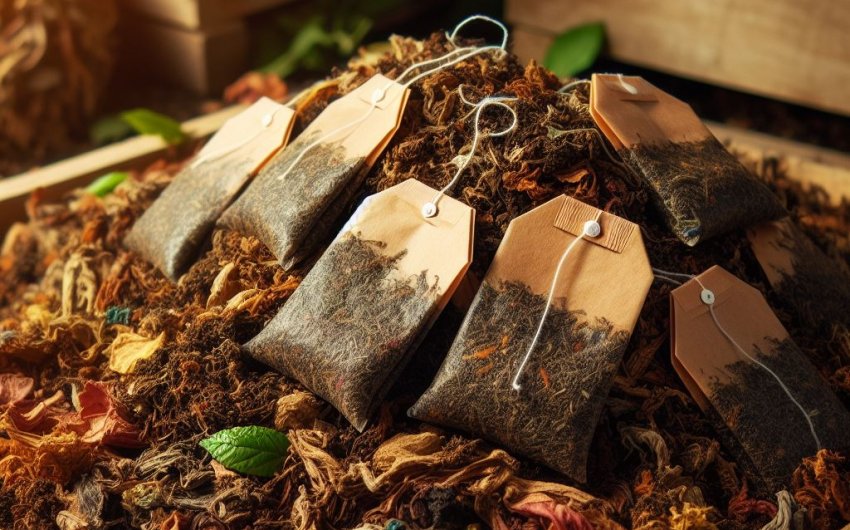
Steeping sustainability with biodegradable bags for your compost pile is a fantastic way to simplify the collection of kitchen scraps while ensuring all materials break down harmlessly into nutrient-rich soil. These bags make the process of transferring organic waste cleaner and more convenient, directly supporting your goal of reducing landfill waste and enriching your garden.
What Are Biodegradable Compost Bags and Why Use Them?
Biodegradable compost bags are designed to break down entirely into natural components (water, carbon dioxide, biomass) when exposed to specific conditions, making them ideal for collecting and composting organic waste. Using them is a conscious choice for convenience and environmental responsibility.
Defining Biodegradable and Compostable
It's important to understand the nuances of these terms:
- Biodegradable: This term means a material will decompose into simpler substances by biological activity (microbes). However, it doesn't specify how long it takes or what conditions are required. Many things are "biodegradable" over centuries.
- Compostable: This is a more specific and stringent term. A compostable bag is certified to break down completely into non-toxic components within a specific timeframe (usually 90-180 days) under industrial composting conditions. Some are also certified for home composting, which requires a more robust home compost pile.
- Certification: Look for certifications like the Biodegradable Products Institute (BPI) certification in North America, or the European EN 13432 standard. These certifications indicate that a product meets specific criteria for compostability.
- Material: Compostable bags are typically made from plant-based starches (like cornstarch or potato starch), polylactic acid (PLA) derived from renewable resources, or other bio-polymers.
Why Use Biodegradable Compost Bags?
- Convenience:
- Cleaner Kitchen: They make collecting kitchen scraps much cleaner and less messy. No more slimy buckets or drips from carrying food waste to the compost pile.
- Odor Control: Many compostable bags help contain odors, especially in indoor kitchen compost bins.
- Easy Transfer: Simply tie up the bag and toss the entire thing into your outdoor compost bin. No need to scrape out messy contents.
- Hygiene: Keeps your kitchen compost bin cleaner and reduces the need for frequent washing.
- Encourages Composting: The ease of use can significantly increase the amount of food waste you divert from landfills, making composting a more habitual practice.
- Environmental Impact:
- Reduces Plastic Waste: Eliminates the use of traditional plastic bags for organic waste, which are not biodegradable and persist in landfills for hundreds of years.
- Supports Circular Economy: Contributes to the circular economy by ensuring organic materials return to the earth as valuable compost.
- Lower Carbon Footprint: Manufacturing of certified compostable bags often has a lower carbon footprint than traditional plastics.
Table: Traditional Plastic vs. Biodegradable Compost Bags
| Feature | Traditional Plastic Bags | Biodegradable Compost Bags |
|---|---|---|
| Material | Petroleum-based plastic | Plant-based starches, bio-polymers |
| Decomposition | Hundreds to thousands of years | Days to months (under conditions) |
| Residue | Microplastics, persists | Water, CO₂, biomass, no harmful residue |
| Compostability | No | Yes (look for certifications) |
| Convenience for Composting | Requires emptying, bag goes to landfill | Toss entire bag in compost |
| Environmental Impact | High, pollution, landfill burden | Low, supports circular economy |
How Do Biodegradable Bags Break Down in Compost?
The process by which biodegradable compost bags break down is a fascinating biological one, driven by the same microorganisms that decompose other organic matter in your compost pile. Understanding this helps ensure proper breakdown.
The Role of Microorganisms
- Bacterial and Fungal Activity: Compostable bags are designed to be a food source for the vast populations of bacteria, fungi, and other microorganisms present in a healthy compost pile. These microbes secrete enzymes that break down complex organic polymers into simpler compounds.
- Moisture and Oxygen: Like all composting materials, these bags need adequate moisture and oxygen to support microbial activity. A dry or anaerobic (lacking oxygen) compost pile will slow down or halt decomposition.
The Breakdown Process
- Initial Degradation: When introduced to a compost pile, the bag's structure begins to soften and weaken. Moisture penetrates the material.
- Microbial Attack: Microbes start to colonize the bag's surface, breaking down the polymer chains into smaller molecules.
- Fragmenting: The bag will start to fragment and break into smaller pieces. This increases the surface area for microbial activity.
- Assimilation: Eventually, the bag material is fully consumed by microorganisms, leaving behind only water, carbon dioxide, and nutrient-rich biomass (humus). There should be no visible plastic or harmful residue.
Factors Affecting Breakdown Rate
The speed at which a biodegradable compost bag decomposes depends heavily on the conditions within your compost pile.
- Compost Temperature:
- Hot Composting: Certified compostable bags are designed for industrial composting facilities where temperatures reach 140-160°F (60-70°C). These high temperatures allow for rapid breakdown.
- Home Composting: Most home compost piles (unless actively managed with a perfect carbon-nitrogen balance, moisture, and frequent turning) rarely reach sustained high temperatures. This means compostable bags may take longer to break down in a typical backyard pile, sometimes several months. Look for bags specifically labeled for "home composting."
- Moisture Content: The compost pile needs to be consistently moist, like a wrung-out sponge. Too dry, and microbial activity slows. Too wet, and it can become anaerobic.
- Aeration: Good airflow (achieved by turning the pile regularly or using aerated bins) provides oxygen for aerobic microbes, speeding up decomposition.
- Carbon-Nitrogen Balance: A balanced mix of "greens" (nitrogen) and "browns" (carbon) provides the ideal food source for microbes.
- Bag Thickness: Thicker bags will naturally take longer to decompose than thinner ones.
- Particle Size of Other Materials: A mix of large and small particles in your compost helps create air pockets and surface area for microbes.
Table: Factors Influencing Biodegradable Bag Breakdown
| Factor | Ideal Condition for Faster Breakdown | Impact on Breakdown Rate |
|---|---|---|
| Compost Temperature | Hot (140-160°F), industrial composter | Faster, more complete breakdown |
| Moisture Content | Consistently moist (wrung-out sponge) | Essential for microbial activity |
| Aeration | Regular turning, good airflow | Speeds up decomposition |
| C/N Balance | Balanced mix of greens & browns | Optimal microbial food source |
| Bag Thickness | Thinner bags | Break down more quickly |
What Certifications Should You Look for in Biodegradable Bags?
When choosing biodegradable compost bags, looking for proper certifications is crucial. These labels assure you that the product will indeed break down as advertised, supporting your goal of steeping sustainability.
Understanding Certification Bodies
These organizations test products against strict international standards for compostability.
- BPI (Biodegradable Products Institute) Certification:
- What it is: The most widely recognized certification for compostable products in North America.
- The Mark: Look for the BPI compostable logo (often a green circle with the word "COMPOSTABLE" and "BPI" in the center).
- Criteria: Products must meet ASTM D6400 (for plastics) or ASTM D6868 (for bioplastics mixed with conventional polymers) standards. This means they must:
- Disintegrate: Break down into small pieces within 12 weeks during industrial composting.
- Biodegrade: Convert into CO₂, water, and biomass through microbial action within 180 days.
- Not be Ecotoxic: The resulting compost must not harm plant growth.
- TÜV AUSTRIA (formerly Vincotte) Certifications:
- OK Compost INDUSTRIAL: Similar to BPI, certifies for industrial composting facilities.
- OK Compost HOME: This is the certification you really want if you're using a home compost pile. It indicates that the product will break down even in the lower and less consistent temperatures of a well-managed backyard compost.
- The Mark: Look for the "OK Compost" logo, often with the distinction "INDUSTRIAL" or "HOME."
- Other Certifications: While BPI and TÜV AUSTRIA are dominant, other regional certifications may exist. The key is to see a verifiable, third-party certification that specifies compostable rather than just "biodegradable."
Why Certifications Matter
- Avoid "Greenwashing": The term "biodegradable" can be misleading. Without a specific certification, a product labeled "biodegradable" might require very specific conditions that are not met in a home compost pile or even a landfill, potentially taking many years to break down or leaving harmful residues.
- Ensuring True Compostability: Certified compostable bags guarantee that the bag will fully break down into beneficial compost and not leave behind microplastics or toxic residues that could harm your garden soil or the environment.
- Protecting Composting Systems: Using truly compostable bags protects industrial composting facilities from being contaminated by non-compostable plastics.
How to Find Certified Bags
- Look for the Logos: Always check the product packaging for the BPI or TÜV AUSTRIA "OK Compost HOME" logos.
- Read Product Descriptions: When purchasing online, verify that the product description explicitly states it is certified compostable for home or industrial use.
- Reputable Brands: Buy from brands known for their commitment to sustainability and transparent labeling.
Table: Key Compostability Certifications
| Certification Body | Primary Focus | Logo to Look For | Significance for Home Composting |
|---|---|---|---|
| BPI (Biodegradable Products Institute) | North America, industrial compostable | Green "COMPOSTABLE BPI" logo | Will break down in hot industrial piles, may take longer at home |
| TÜV AUSTRIA (OK Compost HOME) | European, home compostable | "OK Compost HOME" logo | Guaranteed to break down in a well-managed home compost |
| TÜV AUSTRIA (OK Compost INDUSTRIAL) | European, industrial compostable | "OK Compost INDUSTRIAL" logo | Similar to BPI, for hotter conditions |
What Are the Best Practices for Using Biodegradable Bags in Your Compost?
To ensure your biodegradable compost bags break down effectively and contribute positively to your compost pile, follow these best practices for steeping sustainability.
For Kitchen Scrap Collection
- Choose the Right Size: Select compostable bags that fit your kitchen compost bin or countertop pail.
- Don't Overfill: Avoid cramming the bag too full, as this can tear it and make it harder for air and microbes to penetrate.
- Manage Moisture: While the bags help contain mess, don't put extremely wet items (like large amounts of soggy food waste) in them for days without turning. Excess moisture can make the bags break down prematurely in your kitchen bin or cause odors.
- Empty Regularly: Empty your kitchen compost bin with its biodegradable bag into your main outdoor compost pile every few days to a week.
For Your Outdoor Compost Pile
- Choose "OK Compost HOME" Certified Bags: If you have a typical backyard compost pile, this certification is crucial for reliable breakdown. If your bag only has "Industrial" certification, it might take a very long time or leave residues in a less active home pile.
- Tear or Cut Bags (Optional, but Recommended): For faster breakdown, especially if the bags are thick, tear or cut the compostable bags into smaller pieces before adding them to the pile. This increases the surface area for microbial activity.
- Mix Well into the Pile: Don't just toss the bag on top. Bury it within the compost pile, surrounded by other organic materials (greens and browns). This ensures it's exposed to the heat, moisture, and microbes needed for decomposition.
- Maintain Active Composting Conditions:
- Moisture: Keep the compost pile consistently moist, like a wrung-out sponge. Water if it feels dry.
- Aeration: Turn your compost pile regularly (weekly to bi-weekly) to provide oxygen to the microbes and distribute moisture and heat evenly. A compost aerator can make this easier. A Compost Aerating Tool is a handy tool.
- Carbon-Nitrogen Balance: Maintain a good mix of "greens" (food scraps, grass clippings) and "browns" (dry leaves, shredded paper, wood chips). This fuels the microbial activity.
- Be Patient: Even in a well-managed home compost pile, compostable bags may take longer to disappear completely than food scraps. Don't be alarmed if you see remnants for a few weeks or months.
What to Avoid
- "Biodegradable" Only Labels: Avoid bags only labeled "biodegradable" without specific composting certifications. These may not break down in your compost.
- Plastic-Lined Bags: Some "green" bags may still have a petroleum-based plastic lining. Check carefully.
- Non-Compostable Items in Bags: Don't put non-compostable items (plastic, metal, glass, diseased plants, meat, dairy) into your compostable bag thinking the bag will make them disappear. The bag will break down, but the non-compostable items will remain.
Table: Biodegradable Bag Usage Best Practices
| Area of Use | Best Practice | Reason |
|---|---|---|
| Kitchen Collection | Choose correct size, don't overfill, manage moisture, empty regularly | Convenience, hygiene, odor control |
| Outdoor Compost | Use "HOME" certified bags, tear/cut for speed, mix in well | Ensures breakdown in home pile, speeds process |
| Compost Conditions | Maintain optimal moisture, aeration, C/N balance | Fuels microbial activity, promotes decomposition |
| What to Avoid | "Biodegradable only" labels, non-compostable items | Prevents contamination, ensures true breakdown |
How Does Using Biodegradable Bags Contribute to Overall Sustainability?
Choosing to use biodegradable bags for your compost is a simple yet powerful act of steeping sustainability into your daily routine, contributing to broader environmental benefits beyond your garden gate.
Diverting Waste from Landfills
- Reduced Methane Emissions: When organic waste (food scraps, yard waste) goes to landfills, it decomposes anaerobically (without oxygen), producing methane. Methane is a potent greenhouse gas, far more impactful than carbon dioxide in the short term. By composting with biodegradable bags, you divert this waste, preventing methane generation.
- Less Landfill Space: Landfills are finite. Composting reduces the volume of waste, extending the life of existing landfills and reducing the need for new ones.
- Reduced Leachate: Less organic matter in landfills means less "leachate," the toxic liquid that forms as waste breaks down, potentially contaminating groundwater.
Enhancing Soil Health and Fertility
- Nutrient Cycling: The compost produced from your organic waste (including the broken-down bags) is rich in nutrients. Returning this compost to your garden closes the nutrient loop, reducing the need for synthetic fertilizers.
- Improved Soil Structure: Compost improves soil aeration, drainage, and water retention, leading to healthier, more productive gardens and reducing reliance on external inputs like irrigation.
- Carbon Sequestration: Adding compost to soil can help sequester carbon, storing it in the ground rather than releasing it into the atmosphere.
Reducing Plastic Pollution
- Minimizing Microplastics: Traditional plastic bags break down into microplastics that pollute soil, water, and eventually food chains. Compostable bags are designed to break down fully, leaving no harmful microplastic residue.
- Cleaner Recycling Streams: When food waste is collected in compostable bags for municipal composting, it prevents contamination of plastic recycling streams, making recycling more efficient.
Supporting a Circular Economy
- Resource Efficiency: Instead of a linear "take-make-dispose" model, composting embodies a circular economy, where resources (organic matter) are continuously reused and regenerated. Biodegradable bags facilitate this circularity.
- Innovation in Green Products: Supporting the market for certified compostable bags encourages further innovation in sustainable materials and manufacturing processes.
Educational and Behavioral Impact
- Mindfulness: Using biodegradable compost bags encourages a greater awareness of household waste and its potential value.
- Empowerment: It empowers individuals to take tangible steps towards sustainability, making environmental action accessible and convenient in everyday life.
- Modeling Sustainable Behavior: When neighbors and friends see your easy and clean composting system, it can inspire them to adopt similar practices, creating a ripple effect of sustainable living.
By making the simple switch to biodegradable compost bags, you are actively participating in steeping sustainability into your daily routine, benefiting your garden, your home, and the planet as a whole.