
Eggcellent Composting: Crushing Eggshells for Garden Goodness!
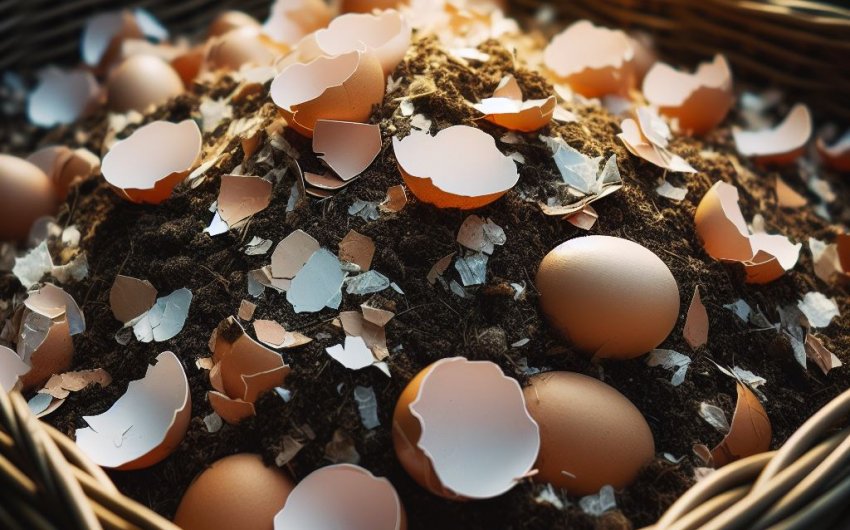
Why Compost Eggshells? (More Than Just Waste!)
Every time you crack open an egg for breakfast, baking, or cooking, you're left with a natural, seemingly simple waste product: the eggshell. For many, these go straight into the trash without a second thought. But what if these humble eggshells were actually a hidden powerhouse for your garden, a secret ingredient to supercharge your soil? Believe it or not, they absolutely can be!
Composting eggshells might seem like a small detail in the grand scheme of gardening, but it's a practice that offers surprising and significant benefits for your plants, especially if you understand how to prepare them properly. It's about turning kitchen waste into valuable garden goodness!
Why should you bother with eggshells in your compost?
- Rich Source of Calcium: This is the primary and most important reason! Eggshells are about 95% calcium carbonate, which is the same compound found in agricultural lime. Calcium is an essential nutrient for plants. It plays a crucial role in cell wall development, root growth, and overall plant strength. It also helps plants absorb other nutrients more efficiently.
- Prevents Blossom End Rot: For certain vegetables like tomatoes, peppers, squash, and cucumbers, a lack of available calcium can lead to a common and frustrating problem called blossom end rot. This appears as a dark, sunken spot on the bottom of the fruit. Adding eggshells (or compost rich in them) helps provide the calcium these plants need.
- Boosts Soil pH (Slightly and Slowly): Since eggshells are calcium carbonate, they have a liming effect, meaning they can slowly and gently raise the pH of acidic soil. This is particularly beneficial in areas with naturally acidic soils, as many garden plants prefer a slightly acidic to neutral pH. This effect is very gradual, however, and won't drastically alter pH like concentrated lime would.
- Improves Soil Structure: While they break down, crushed eggshells add tiny, gritty particles to the soil. This can slightly improve soil drainage and aeration, especially in heavy clay soils.
- Sustainable Waste Management: Instead of sending eggshells to a landfill, you're diverting organic waste and turning it into a valuable, free resource for your garden. It's a simple, everyday act of sustainability that contributes to a more circular economy in your home and garden.
- Pest Deterrent (Minor): Some gardeners believe that the sharp edges of crushed eggshells can deter soft-bodied pests like slugs and snails when sprinkled around plants. While this isn't a primary reason to use them, it's a potential added bonus.
So, don't let those eggshells go to waste! With a little preparation, they can become a secret weapon in your quest for garden goodness. It's time for some eggcellent composting!
How to Prepare Eggshells for Composting: The Crushing Secret!
This is the absolute most important step when it comes to composting eggshells for your garden. Simply tossing whole or large eggshell pieces into your compost pile will yield very limited benefits. They need to be prepared correctly to unlock their full potential.
Why Crushing (and Drying) is Essential
- Faster Decomposition and Nutrient Release: Whole or large eggshell pieces are very hard and dense. They can take years to break down in a typical compost pile. Microorganisms simply can't get inside them easily. Crushing them into a fine powder or very small pieces drastically increases their surface area, allowing microbes to access the calcium carbonate much more quickly. This means the calcium becomes available to your plants in a matter of months, rather than years.
- Prevents Pest Attraction: While the eggshells themselves aren't usually a problem, any residual egg white or yolk can attract unwanted pests (like flies or rodents) to your compost pile or garden. Drying and cleaning them helps prevent this.
- Better Soil Integration: Finely crushed eggshells mix smoothly into finished compost and then into your garden soil. Large pieces can remain visible and take up space for a long time.
- Eliminates Salmonella Risk: While the risk is low, thoroughly drying or baking eggshells can eliminate any lingering Salmonella bacteria, making them safer for your compost and garden.
Step-by-Step Preparation: Cracking the Shell Code
- Rinse (Optional, but Recommended): After cracking your egg, quickly rinse the inside of the shell under running water to remove any residual egg white or yolk. This helps prevent odors and pest attraction.
- Dry Thoroughly: This is a crucial step! Wet eggshells are harder to crush effectively and can encourage mold.
- Air Dry: Simply place the rinsed eggshells on a tray, plate, or paper towel and let them air dry completely for a day or two.
- Bake (Recommended for Best Results and Sterilization): For faster drying and to completely sterilize them, you can bake the eggshells. Spread them in a single layer on a baking sheet and bake at a low temperature ((200^\circ\text{F}) or (93^\circ\C)) for 10-15 minutes, or until completely dry and brittle. This makes them much easier to crush into a fine powder.
- Crush, Crush, Crush! The finer, the better. Here are a few methods:
- Mortar and Pestle: For smaller batches, a mortar and pestle works well for grinding them into a fine powder.
- Blender or Coffee Grinder (Dedicated!): For larger batches, a dedicated coffee grinder or an old blender (that you don't use for food anymore!) is highly effective. You can achieve a very fine powder this way.
- Rolling Pin/Bag: Place dry eggshells in a sturdy plastic bag (like a freezer bag) and roll over them repeatedly with a rolling pin or even crush them with your hands (wear gardening gloves or kitchen gloves to protect your hands from sharp edges). This will produce smaller fragments, but usually not a fine powder.
Ideal Form for Composting
Aim for a powder-like consistency or very small, gritty fragments. The finer you crush them, the faster they will release their calcium goodness into your compost.
Store your crushed, dried eggshells in an airtight container until you're ready to add them to your compost pile. By investing this small amount of effort, you're transforming what was once waste into a powerful nutrient boost for your garden.
How Do I Add Eggshells to My Compost Pile?
Once your eggshells are perfectly crushed and dried, it's time to incorporate them into your compost pile. The goal is to distribute them evenly so they can break down efficiently and benefit the entire batch of compost.
1. Integrate Evenly, Don't Dump in Clumps
- Avoid Piling: Don't just dump all your crushed eggshells in one large clump in the compost pile. This will slow their breakdown and concentrate the calcium in one spot.
- Sprinkle or Layer: The best way to add them is to sprinkle a handful or two over each new layer of "green" or "brown" materials you add to your compost pile. This ensures they are well distributed throughout the pile.
- Mix in During Turning: When you turn your compost pile (which you should be doing regularly for good aeration), any eggshells you've added will get further mixed into the active materials.
2. Balance with Other Materials
Eggshells are primarily a source of calcium and are a "brown" material (carbon-rich, though they don't contribute significantly to the overall carbon-to-nitrogen ratio due to their mineral composition). They should be added as part of your regular mix of compost ingredients.
- Greens and Browns: Continue to maintain your ideal ratio of "greens" (nitrogen-rich like food scraps, grass clippings) to "browns" (carbon-rich like shredded leaves, newspaper, woody materials) in your compost pile. Eggshells are just one small, but valuable, addition to this mix.
3. Maintain Proper Composting Conditions
For eggshells to break down effectively and release their calcium, your compost pile needs to be working efficiently.
- Moisture: Keep your compost pile consistently moist, like a wrung-out sponge. If it's too dry, microbial activity (which breaks down the eggshells) will slow to a crawl.
- Aeration: Turn your compost pile regularly with a pitchfork or a compost aerator. This provides oxygen to the microbes that are doing the hard work of decomposition. Proper aeration also helps to quickly break down any residual egg material that might attract pests.
- Temperature (Hot Composting is Best for Fast Breakdown): If you can achieve hot composting temperatures ( (130^\circ\F) to (160^\circ\F) or (54^\circ\C) to (71^\circ\C)), the eggshells will break down much faster. The higher heat accelerates microbial activity. However, eggshells will still break down in a cold compost pile; it just takes much longer.
4. How Much is Enough?
You don't need a huge volume of eggshells to make a difference.
- Regular Additions: Simply adding your household eggshells as you collect and prepare them is usually sufficient for a home compost pile. A few dozen eggshells per batch of compost is more than enough.
- Balance: Focus on variety in your compost ingredients, with eggshells as a consistent, beneficial addition rather than the sole ingredient.
By preparing your eggshells correctly and integrating them thoughtfully into your compost pile, you'll ensure that every bit of that valuable calcium is captured and ready to nourish your garden plants.
What Are the Benefits of Using Eggshell-Rich Compost in Your Garden?
Once your eggshells have worked their magic in the compost pile and broken down into fine particles, the resulting compost becomes an even more powerful soil amendment. Using this eggshell-rich compost in your garden provides targeted benefits for your plants.
1. Prevents Blossom End Rot
This is arguably the most celebrated benefit of eggshells for gardeners, especially those who love tomatoes and peppers.
- The Problem: Blossom end rot (BER) appears as a dark, sunken, leathery spot on the bottom (blossom end) of developing fruits. It's not a disease, but a physiological disorder caused by a lack of calcium available to the plant at the crucial time of fruit formation. This isn't always due to a lack of calcium in the soil, but often due to inconsistent watering that prevents the plant from taking up enough calcium.
- The Solution: Using compost enriched with finely crushed eggshells provides a steady, slow-release source of calcium directly in the root zone. This helps ensure your tomatoes, peppers, squash, and other susceptible vegetables have access to the calcium they need to form healthy fruits, even during periods of inconsistent moisture.
- How to Use: Incorporate eggshell-rich compost into the planting hole when setting out tomato and pepper seedlings, or top-dress around established plants.
2. Provides Essential Calcium for All Plants
While famous for preventing blossom end rot, calcium is a macronutrient that all plants need for fundamental processes.
- Cell Wall Strength: Calcium is vital for building strong cell walls, which means stronger, sturdier plants that are more resistant to physical damage and some diseases.
- Root Development: It plays a critical role in the growth of healthy, robust root systems, allowing plants to better absorb water and other nutrients.
- Nutrient Uptake: Calcium helps regulate the uptake of other nutrients by plants, improving overall nutrient efficiency.
- Overall Plant Health: Adequate calcium contributes to vibrant foliage, better stress tolerance, and more vigorous growth for all your garden plants, not just tomatoes.
- How to Use: Mix eggshell-rich compost into your garden beds before planting, or use it as a top dressing around any plants that would benefit from a slow-release calcium boost.
3. Buffers Soil pH (Slowly and Gently)
- Lime Alternative: Because eggshells are calcium carbonate, they have a mild liming effect. If your soil is too acidic, eggshell-rich compost can very slowly and gently help to raise the soil pH towards a more neutral range that most garden vegetables and flowers prefer.
- Less Drastic than Lime: This effect is much slower and less aggressive than applying agricultural lime directly, making it a gentler way to adjust pH over time, especially for organic gardeners.
- How to Use: Regular applications of eggshell-rich compost as part of your overall soil amendment strategy will gradually benefit pH over the years. For significant pH adjustments, a professional soil test and targeted liming might still be necessary.
4. Improves Soil Structure and Drainage (Minorly)
- Gritty Texture: The finely crushed eggshells in the compost add a gritty texture to the soil.
- Aeration and Drainage: This can contribute to better soil aeration and drainage, especially in heavier clay soils, by preventing compaction and allowing roots to breathe.
- Benefits Sandy Soils: In sandy soils, the organic matter from the compost (and the small eggshell particles) can help improve water and nutrient retention.
5. Potential Slug and Snail Deterrent (Anecdotal)
- Abrasive Barrier: While not a guaranteed solution, some gardeners find that a sharp barrier of finely crushed eggshells sprinkled directly around vulnerable plants can deter soft-bodied pests like slugs and snails. They reportedly dislike crawling over the sharp edges.
- Best as Part of a System: This benefit is often anecdotal and best used as one small part of a larger integrated pest management strategy.
By harnessing the power of eggshells through proper composting, you transform kitchen waste into a versatile and highly beneficial amendment, creating healthier soil and leading to more abundant and problem-free harvests in your garden. It truly is garden goodness from a humble eggshell!