
How to Set Up Drip Irrigation for a Vegetable Garden?
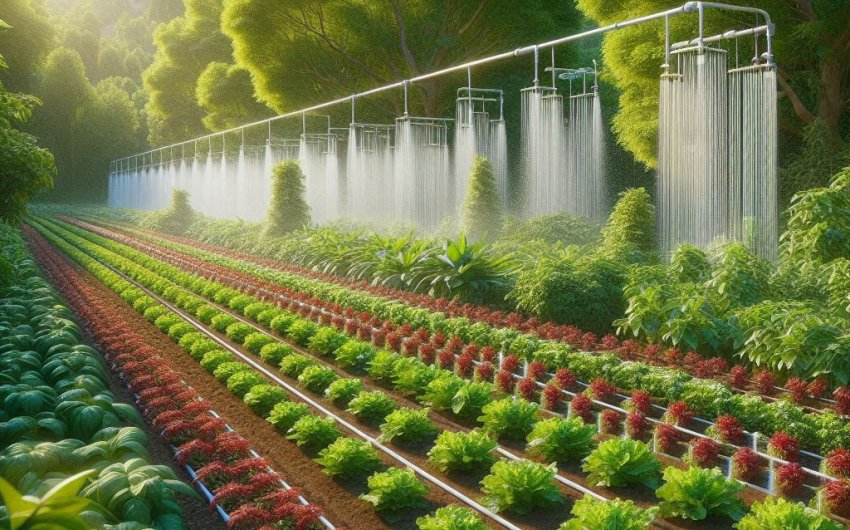
Drip irrigation is one of the most efficient and effective watering systems for a vegetable garden. Unlike traditional watering methods that can lead to water waste and uneven moisture distribution, drip irrigation delivers water directly to the base of each plant, providing consistent hydration without soaking the foliage. By setting up a drip irrigation system, gardeners can save time, reduce water usage, and promote healthier plant growth.
This guide will take you through each step of setting up a drip irrigation system for your vegetable garden, from choosing the right components to installation and maintenance.
Why Use Drip Irrigation?
Drip irrigation offers several benefits for vegetable gardening:
- Water Efficiency: Reduces water waste by delivering moisture directly to the plant roots.
- Improved Plant Health: Minimizes wet foliage, which can reduce the risk of fungal diseases.
- Time Savings: Automates the watering process, freeing up more time for other gardening tasks.
- Even Water Distribution: Ensures every plant receives consistent moisture, preventing over- or under-watering.
Order a complete drip irrigation kit (available for $20–$50) to get started with a pre-assembled system that’s easy to install.
Choosing the Right Drip Irrigation Components
Setting up an efficient drip irrigation system requires selecting the right components. These elements work together to create a balanced, reliable system that meets the needs of your garden.
1. Water Source Connection
The water source is the starting point for your drip system. In most home gardens, this is a garden hose connected to an outdoor faucet.
- Hose Connector: Connects the main supply line to the water source.
- Timer: Automates the watering schedule, allowing you to set specific watering times for convenience.
Find a reliable garden hose (available for $15–$40) to connect your drip irrigation system to a water source.
2. Pressure Regulator
A pressure regulator controls water pressure, preventing damage to the system’s tubing and emitters. Drip systems work best at lower pressures, usually around 20–30 psi.
Use a pressure regulator (available for $10–$20) to ensure your system operates at the ideal pressure.
3. Filter
A filter removes debris from the water, protecting emitters from clogging. Garden water can contain small particles that may obstruct the flow in drip emitters over time.
Order a water filter for irrigation systems (available for $10–$25) to keep your drip lines clear and functioning efficiently.
4. Tubing
Tubing is the main line that transports water from the source to each plant. Two types of tubing are commonly used in drip irrigation:
- Mainline Tubing: Typically 1/2 inch in diameter, it serves as the primary water pathway.
- Emitter Tubing: Smaller tubing (1/4 inch) that connects to the mainline and delivers water to individual plants.
Get durable mainline tubing (available for $10–$30) to provide a consistent flow to all parts of your garden.
5. Emitters
Emitters control the flow of water to each plant, ensuring even distribution. They release water slowly, allowing it to soak into the soil gradually.
- Drip Emitters: Attach directly to the tubing and can be adjusted for different water flow rates.
- Micro-Sprayers: Disperse water over a broader area, useful for plants with larger root zones.
Find drip emitters (available for $5–$15) to customize water flow based on plant needs.
6. Fittings and Connectors
Fittings, such as elbows, tees, and connectors, help route the tubing throughout the garden and make it easier to reach every plant.
Use drip irrigation fittings (available for $5–$15) to connect tubing sections and navigate around garden beds.
Step-by-Step Guide to Setting Up Drip Irrigation
Setting up a drip irrigation system may seem complex, but following a step-by-step process can make it simple and efficient.
Step 1: Plan the Layout
Before installing the system, draw a basic layout of your garden, including the location of each plant. Decide where the mainline tubing will run and mark the spots for each emitter based on plant placement.
- Measure the garden beds to determine how much tubing and how many emitters are needed.
- Consider the location of the water source and the best pathway for the mainline tubing.
Use a garden planner notebook (available for $10–$20) to sketch out your drip irrigation layout.
Step 2: Connect the Water Source
Attach the hose connector to the outdoor faucet, followed by the pressure regulator and filter. These components should be connected in the following order:
- Hose Connector
- Pressure Regulator
- Filter
Once assembled, connect the mainline tubing to the filter.
Order a reliable hose connector kit (available for $10–$20) to ensure a secure and leak-free connection.
Step 3: Lay the Mainline Tubing
Run the mainline tubing along the desired pathway, following the layout plan. Keep the tubing as close to the plants as possible to minimize the need for additional fittings.
- Use stakes to secure the tubing to the ground, preventing it from shifting.
- Avoid sharp bends, as these can restrict water flow.
Find a pack of tubing stakes (available for $5–$10) to keep your drip lines securely in place.
Step 4: Install Emitter Tubing or Drip Emitters
At each plant location, use a hole punch to make a small opening in the mainline tubing and attach the emitter tubing. Place a drip emitter at the end of the tubing, positioning it near the base of each plant.
- For larger plants, add two or more emitters to ensure adequate coverage.
- Use adjustable emitters to control the water flow based on plant size and water requirements.
Get a set of drip irrigation hole punches (available for $5–$15) for easy installation of emitters.
Step 5: Test the System
Once everything is connected, turn on the water and test the system to ensure that all emitters are working correctly.
- Check for leaks, especially at connection points.
- Make adjustments to the emitters if certain plants need more or less water.
Use a pressure gauge (available for $10–$20) to check for consistent water pressure throughout the system.
Maintaining Your Drip Irrigation System
Regular maintenance keeps your drip irrigation system running efficiently and prolongs its lifespan.
1. Clean the Filter Regularly
A filter is essential to keep debris from clogging the emitters. Check and clean the filter every few weeks to ensure smooth water flow.
2. Inspect Emitters for Clogs
Dirt and minerals can build up in the emitters over time, reducing water flow. Inspect each emitter monthly and clean or replace clogged ones.
Find a set of replacement drip emitters (available for $5–$10) to keep your system functioning efficiently.
3. Adjust for Seasonal Changes
In hotter months, plants may need more water, so increase the frequency or duration of watering. Conversely, reduce watering during cooler seasons to prevent over-watering.
Get a programmable water timer (available for $20–$50) to automate seasonal adjustments easily.
4. Winterize the System
In cold climates, prepare the system for winter by draining all water from the lines and storing removable parts indoors to prevent damage from freezing temperatures.
Use a drip irrigation winterization kit (available for $10–$20) to protect your system during the off-season.
Troubleshooting Common Drip Irrigation Issues
Despite its simplicity, you may encounter some common issues with drip irrigation. Here are a few troubleshooting tips to resolve them.
1. Uneven Water Flow
If some plants receive more water than others, check for clogs in the emitters or inconsistencies in the tubing layout. Make sure all emitters are adjusted appropriately.
Find an adjustable flow control valve (available for $5–$15) to manage water distribution effectively.
2. Leaks in the Tubing
Leaks can occur at connection points or due to damaged tubing. Inspect the system regularly and use repair tape or replace tubing sections if necessary.
Get repair tape for irrigation systems (available for $5–$10) to fix small leaks quickly.
3. Clogged Emitters
If an emitter isn’t releasing water, it may be clogged. Remove the emitter, flush it with water, or replace it if the clog persists.
Use a drip emitter cleaning tool (available for $5–$10) to keep emitters clear and functioning properly.
4. Low Water Pressure
If the system has low pressure, check that the pressure regulator is functioning and that no leaks are reducing pressure. Adding a booster pump may also help if your home’s water pressure is naturally low.
Order a booster pump (available for $30–$70) to improve water flow in low-pressure systems.
Tips for Maximizing Efficiency with Drip Irrigation
Follow these tips to get the most out of your drip irrigation system and promote healthier plant growth.
Use Mulch Around Plants
Applying mulch around plants can help retain soil moisture, reducing the frequency of watering and improving overall efficiency.
Order a bag of garden mulch (available for $10–$20) to conserve moisture and enhance soil health.
Monitor Soil Moisture
Using a soil moisture meter allows you to check moisture levels, ensuring your plants are neither over- nor under-watered.
Find a reliable soil moisture meter (available for $10–$20) to monitor water levels accurately.
Group Plants by Water Needs
To optimize watering, group plants with similar moisture requirements along the same irrigation lines. This prevents over-watering some plants while under-watering others.
Use a garden layout guide (available for $10–$15) to plan an efficient plant grouping for drip irrigation.
By following these steps, you’ll have a well-designed drip irrigation system that keeps your vegetable garden consistently watered, promotes healthy growth, and saves time.