
Shade Gardening Made Simple: Tips for Creating a Serene Retreat
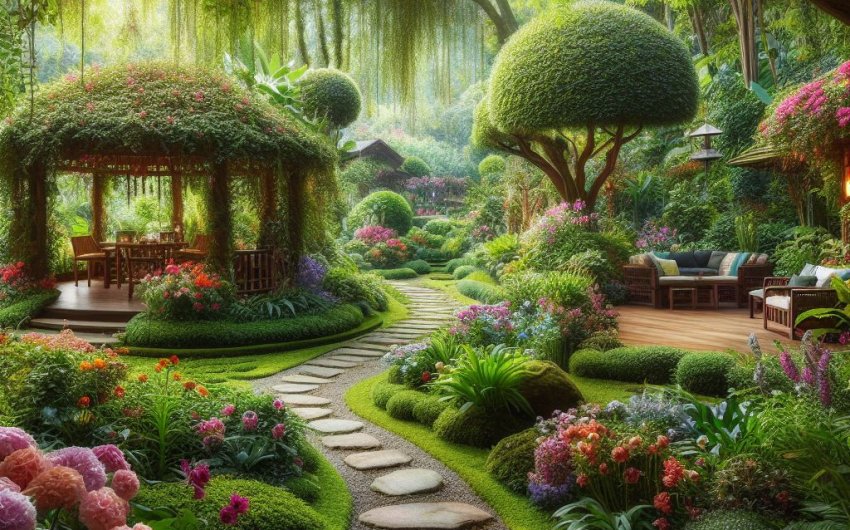
To master shade gardening made simple and successfully create a serene retreat in your shadier garden areas, begin by accurately assessing your specific shade conditions, choosing plants specifically adapted to low light, and implementing easy, effective care practices. This guide provides actionable tips for creating a serene retreat, transforming challenging dark corners into lush and tranquil havens.
Why Embrace Shade Gardening in Your Outdoor Space?
Embracing shade gardening in your outdoor space is a smart and rewarding approach that transforms challenging areas into beautiful, functional, and ecologically rich parts of your property. It's about seeing opportunity where others see a problem, making shade gardening made simple.
What are the Unique Benefits of a Shade Garden?
A shade garden offers unique benefits that differ significantly from sunny garden beds, creating a distinct atmosphere of tranquility, coolness, and subtle beauty. These advantages highlight why it's worth creating a serene retreat in shadier spots.
- Cool and Tranquil Retreat: Shady areas naturally stay cooler, providing a welcome respite from the summer sun. This makes them ideal for creating peaceful seating areas for relaxation and contemplation.
- Reduced Water Evaporation: Cooler temperatures and less direct sun mean soil retains moisture longer, potentially reducing your watering needs (especially compared to sunny beds).
- Unique Plant Palette: Shade gardens feature a distinct and often elegant array of plants, celebrated for their diverse foliage textures, patterns, and delicate blooms.
- Subtle Beauty: The beauty of a shade garden is often more nuanced, focusing on variations in green, intricate textures, and gentle pops of color, creating a serene and sophisticated aesthetic.
- Supports Specific Wildlife: Provides essential habitat, food, and shelter for various shade-loving wildlife, including beneficial insects, amphibians, and birds.
- Solves Problem Areas: Successfully transforms spots where grass struggles to grow or where harsh sun limits planting options into thriving landscapes.
- Extended Bloom (for some): Some shade-loving plants offer early spring blooms or extended flowering in cooler conditions.
- Increased Property Value: A well-designed and maintained shade garden adds beauty and interest, enhancing your home's curb appeal.
A shade garden truly offers a distinct and enriching gardening experience.
How Does a Serene Retreat Enhance Well-being?
A serene retreat, created through thoughtful shade gardening, profoundly enhances well-being by providing an accessible, calming space for relaxation, stress reduction, and connection with nature. Its tranquil atmosphere is inherently restorative.
- Stress Reduction: Spending time in a cool, green, and quiet environment has been shown to lower cortisol levels (the stress hormone), reduce anxiety, and promote feelings of calm. The visual presence of lush greenery is naturally soothing.
- Mood Enhancement: The peaceful atmosphere and connection to natural elements can improve mood, combat mental fatigue, and provide a sense of groundedness.
- Mindfulness: The gentle sounds of rustling leaves or a water feature, combined with the visual beauty, can encourage mindfulness and present-moment awareness.
- Physical Activity (Gentle): Light gardening tasks in a serene retreat offer gentle physical activity beneficial for health without being overly strenuous.
- Connection to Nature: It provides a vital, daily connection to the natural world, which is increasingly important in urbanized or busy lives.
- Personal Space: Offers a private, intimate area for relaxation and introspection, away from external distractions.
By purposefully designing a serene retreat in the shade, you invest directly in your mental and emotional health.
What are Common Misconceptions About Shade Gardening?
Despite its benefits, common misconceptions about shade gardening often deter beginners, leading them to believe that shady spots are barren or difficult to cultivate. Addressing these myths makes shade gardening made simple more accessible.
| Misconception | Reality |
|---|---|
| "Nothing grows in the shade." | False! Countless beautiful and diverse plants (especially foliage plants) thrive in various shade conditions. |
| "Shade gardens are dull and colorless." | Not at all. Shade gardens emphasize rich greens, varied textures, and delicate pops of color, creating subtle beauty. |
| "All shade is the same." | Incorrect. There are different types of shade (partial, dappled, full, deep) that dictate plant choices. |
| "Shade gardens are always wet and buggy." | While some can be, proper planning for drainage and air circulation prevents most problems. |
| "You can't grow flowers in the shade." | You can! Many beautiful flowers (e.g., hellebores, astilbe, hydrangeas) thrive in shade. |
| "Shade gardens are low maintenance." | While some aspects are, areas under trees (dry shade) can be challenging due to root competition. |
By dispelling these myths, beginners can approach shade gardening with confidence and creativity.
How Do You Assess and Prepare Your Shady Garden Areas?
To successfully begin shade gardening made simple and create a serene retreat, accurately assessing and preparing your shady garden areas is the fundamental first step. Understanding the specific light, soil, and moisture conditions guides all subsequent design and plant choices.
What are the Steps to Accurately Determine Your Shade Levels?
Accurately determining your shade levels is a crucial first step in shade gardening made simple, providing the essential data for selecting plants that will truly thrive in your specific garden environment. Not all shade is the same.
- Map Sunlight Patterns:
- Hourly Observation: Over a typical sunny day in spring/summer, observe and record how many hours of direct sunlight different parts of your shady area receive. Take notes at different times (e.g., 9 AM, 12 PM, 3 PM, 6 PM).
- Seasonal Changes: Note how shade patterns change with the seasons. A spot sunny in early spring (before deciduous trees leaf out) might be in full shade by late spring/summer.
- Types of Shade: Distinguish between:
- Partial Sun / Partial Shade: 4-6 hours of direct sun (morning sun is often best).
- Dappled Shade: Sunlight filtered through the leaves of deciduous trees, creating a shifting pattern of sun and shadow. Ideal for many shade-lovers.
- Full Shade / Deep Shade: Less than 4 hours of direct sunlight, or consistently bright indirect light.
- Heavy Shade: Almost no direct light (e.g., under a dense evergreen or overhang).
- Evaluate Moisture Levels:
- Observation: After a good rain, observe how quickly the soil dries out in your shady spots. Is it consistently damp, boggy, or perpetually dry?
- Dry Shade Check: Dig a small hole (1 foot deep) under large trees. If the soil is powdery dry, you have dry shade, which is the most challenging condition due to tree root competition.
- Solution: This dictates plant choices (drought-tolerant vs. moisture-loving) and watering strategies.
- Analyze Soil Quality:
- Texture Test: Dig a small hole (6-8 inches deep) and feel the soil. Is it heavy clay, loose sand, or rich loam?
- Soil Test (Recommended): A garden soil test kit provides precise pH and nutrient levels, guiding amendment needs. Most shade plants prefer slightly acidic to neutral soil (pH 5.5-6.5).
- Tree Root Presence: Note the density and size of tree roots, which can make digging difficult and compete for resources.
Thorough assessment turns unknown dark corners into understood planting opportunities for your serene retreat.
How Do You Prepare the Soil for Shade-Loving Plants?
Preparing the soil for shade-loving plants is one of the most critical steps in shade gardening made simple, as these areas often have unique challenges (tree roots, poor drainage, low fertility). Optimizing the soil creates the ideal environment for shade-loving plants to flourish.
- Improve Drainage (if needed):
- Problem: Shady spots can remain consistently wet due to lack of sun evaporation or heavy clay soil, leading to root rot.
- Solution: Incorporate generous amounts of organic compost, well-rotted leaf mold, or shredded bark into heavy clay soils. This physically loosens the soil.
- Raised Beds: For severe drainage issues, or areas with very dense tree roots, consider planting in raised garden beds for shade or large containers.
- Increase Organic Matter:
- Why: Shade-loving plants, many native to woodland floors, thrive in soil rich in humus. Organic matter improves soil structure, aeration, and dramatically increases water retention while preventing waterlogging.
- Method: Mix in 2-4 inches of finished compost or leaf mold into the top 8-12 inches of existing soil.
- Address Tree Root Competition (for dry shade):
- Problem: Tree roots aggressively compete for water and nutrients.
- Solution: For existing trees, try to avoid disturbing major roots. Plant smaller, less aggressive shade plants. Water deeply and regularly initially. Raised beds are often the best solution here.
- Adjust pH: If your soil test indicates a need, amend the pH to the slightly acidic to neutral range (5.5-6.5) preferred by most woodland plants.
- Avoid Over-Fertilizing: Shade plants generally have lower nutrient needs than sun-lovers. Rely on compost for slow-release nutrients.
Thorough soil preparation is foundational for a thriving shade garden and a truly serene retreat.
How Do You Manage Tree Root Competition in Dry Shade?
Managing tree root competition in dry shade is arguably the most challenging aspect of shade gardening, as dense tree roots aggressively outcompete other plants for vital water and nutrients. Successfully addressing this requires specific strategies.
- Select Drought-Tolerant, Shade-Loving Plants: This is paramount. Choose plants specifically known for their ability to tolerate both shade and dry conditions.
- Examples: Some Hosta varieties (e.g., 'Sum and Substance', blue varieties), Epimedium (Barrenwort), Liriope, Solomon's Seal, Periwinkle (Vinca minor), Christmas Fern (Polystichum acrostichoides).
- Improve Soil Organically: Before planting, heavily amend the planting area with copious amounts of organic compost and leaf mold. This increases the soil's water-holding capacity and fertility.
- Water Deeply and Regularly (Initially): After planting, water thoroughly and consistently for the first 1-2 years to help plants establish. Competing tree roots will seek water elsewhere. A soaker hose can deliver water directly to the plant's root zone. Use a soil moisture meter to monitor.
- Mulch Heavily: Apply a thick layer (3-4 inches) of organic mulch (e.g., wood chips, shredded leaves) around newly planted areas. This is critical for suppressing weeds, conserving moisture, and moderating soil temperature.
- Create Raised Beds (Best Solution): For persistent dry shade, building raised garden beds for shade is often the most effective solution. This physically separates your plants' roots from the tree roots. Fill raised beds with a high-quality, amended potting mix.
- Use Containers: Strategic placement of large decorative planters in dry shade areas allows you to provide ideal soil and moisture conditions for plants.
Successfully tackling dry shade requires patience and a strategic combination of these methods.
What Are the Best Plants for Your Shade Garden Retreat?
To create a truly beautiful and thriving serene retreat through shade gardening made simple, selecting the best plants that flourish in lower light conditions is paramount. Focus on their striking foliage, delicate blooms, and adaptability.
What are the Best Foliage Plants for Shade?
Foliage plants are the true stars and backbone of any shade garden, providing continuous interest, texture, and color even without abundant blooms. These are essential for shade gardening made simple, offering stunning diversity.
- Hosta: The king of shade foliage. Unrivaled diversity in leaf size, shape, and color (green, blue-green, chartreuse, gold, variegated). Forms lush clumps.
- Best Varieties: 'Patriot', 'Halcyon', 'Sum and Substance', 'Guacamole', 'Blue Angel'. Look for various hosta plants for shade.
- Ferns (Various Species): Delicate, graceful, and highly textural.
- Best Varieties: Japanese Painted Fern (Athyrium niponicum 'Pictum') with silver/burgundy hues, Autumn Fern (Dryopteris erythrosora) with coppery new growth, Lady Fern (Athyrium filix-femina), Ostrich Fern (Matteuccia struthiopteris). Live fern plants for shade add a woodland feel.
- Heuchera (Coral Bells): Prized for vibrant, long-lasting foliage in an astonishing range of colors: lime green, amber, peach, red, deep purple, and nearly black. Many are evergreen.
- Best Varieties: 'Palace Purple', 'Caramel', 'Lime Rickey', 'Obsidian', 'Marmalade'. Various heuchera plants for shade offer year-round color.
- Brunnera (Siberian Bugloss): Heart-shaped leaves, often variegated with striking silver patterns, combined with delicate blue spring flowers.
- Best Varieties: 'Jack Frost', 'Silver Heart'. Brunnera plants for shade add elegance.
- Lungwort (Pulmonaria): Attractive spotted or variegated foliage and early spring flowers.
- Best Varieties: 'Raspberry Splash', 'Diana Clare'. Pulmonaria plants for shade are tough.
- Lady's Mantle (Alchemilla mollis): Delicate, scallop-edged leaves that hold dewdrops, with frothy chartreuse flowers. Excellent for softening edges.
These foliage powerhouses create a dynamic and ever-interesting shade garden retreat.
What are the Best Flowering Plants for Shade?
While foliage dominates, flowering plants for shade add crucial pops of color and delicate beauty, ensuring your serene retreat is vibrant and captivating throughout the seasons. These provide delightful bursts of bloom where the sun rarely shines.
- Hellebore (Lenten Rose): One of the earliest bloomers, pushing through snow with exquisite flowers in late winter/early spring. Evergreen foliage. Hellebore plants for shade.
- Astilbe: Feathery plumes of flowers in pink, red, purple, or white. Lush, fern-like foliage. Thrives in moist shade. Astilbe plants for shade.
- Hydrangea: Many varieties (e.g., Bigleaf, Oakleaf) prefer partial shade, producing large, stunning flower clusters. Hydrangea plants for shade.
- Bleeding Heart (Dicentra spectabilis): Arching stems with charming heart-shaped pink or white flowers in spring. Bleeding heart plants for shade.
- Impatiens (Impatiens walleriana, Annual): A classic go-to for continuous, vibrant color in full shade (often used as an annual).
- Foxglove (Digitalis purpurea, Biennial): Tall spikes of bell-shaped flowers add vertical elegance.
- Primrose (Primula spp.): Cheerful, low-growing blooms in early spring.
- Tiarella (Foamflower): Delicate, airy white or pinkish flower spikes above attractive foliage. Tiarella plants for shade.
- Columbine (Aquilegia spp.): Unique, spurred flowers in various colors, often self-seeds.
These flowering plants ensure your shady areas are never dull, providing delightful bursts of color.
What are Unique or Structural Plants for Shade?
To complete the creation of your serene retreat, unique or structural plants for shade add architectural interest, year-round appeal, and anchor the lush plantings, providing crucial form even during dormant seasons.
- Evergreen Shrubs/Conifers:
- Dwarf Conifers: Provide year-round green texture and form without overwhelming the space.
- Boxwood (Buxus sempervirens): Can be formally clipped or allowed to grow naturally for evergreen presence.
- Skimmia (Skimmia japonica): Evergreen leaves, fragrant flowers, and often red berries.
- Rhododendron/Azalea (Rhododendron spp.): Evergreen foliage and vibrant spring flowers, thrive in acidic shade.
- Climbing Plants:
- Climbing Hydrangea (Hydrangea anomala petiolaris): Clings to walls/fences with aerial roots, offering beautiful summer flowers and winter interest.
- English Ivy (Hedera helix): Classic evergreen vine (can be aggressive in some areas, manage carefully).
- Ornamental Grasses (Shade Tolerant):
- Sedge (Carex spp.): Grassy clumps in various colors, many tolerate shade.
- Hakone Grass (Hakonechloa macra): 'Aureola' offers beautiful cascading golden-striped foliage, especially in partial shade.
- Deciduous Shrubs with Winter Interest:
- Red Twig Dogwood (Cornus sericea): Striking red stems in winter.
- Witch Hazel (Hamamelis spp.): Fragrant, spidery flowers in late winter/early spring.
These plants provide crucial structure and interest, ensuring your shade garden maintains its allure throughout the year.
How Do You Design a Serene Shade Retreat?
To create a truly captivating serene retreat through shade gardening made simple, you need to apply specific design principles that leverage texture, color, and layered planting. This approach creates depth, interest, and a tranquil ambiance.
How Do You Use Texture and Form for Visual Interest?
Using texture and form for visual interest is paramount in designing a serene shade retreat, as these elements often take precedence over abundant color in low-light environments. They create depth, intrigue, and a dynamic feel that is both soothing and engaging.
- Textural Contrast: Combine plants with widely varying textures to prevent the garden from looking flat.
- Bold/Coarse: Large-leaved Hostas, Ligularia, Rodgersia.
- Delicate/Fine: Ferns (Maidenhair, Lady Fern), Astilbe plumes, ornamental grasses (sedge, Hakone grass).
- Fuzzy/Velvety: Lamb's Ear (though prefers some sun, can tolerate partial shade), some Heuchera.
- Smooth/Glossy: Some evergreen shrubs, Fatsia japonica.
- Varied Forms: Incorporate plants with diverse growth habits and shapes.
- Mounding/Clumping: Hostas, Heuchera.
- Spiky/Vertical: Astilbe, Foxglove, Delphinium (if enough light).
- Cascading/Trailing: Ivy, Creeping Jenny, some sedum.
- Architectural: Large ferns (Ostrich Fern), some dwarf conifers.
- Layered Planting: Arrange plants in multiple vertical layers, ensuring interest from the ground up:
- Groundcovers: Creeping thyme (for edges), Vinca minor, Tiarella.
- Front: Low-growing Hostas, Heuchera, Pulmonaria.
- Mid-Ground: Astilbe, taller Hostas, Bleeding Heart, smaller Hydrangeas.
- Back/Tall: Tall ferns, Foxgloves, Climbing Hydrangea on a wall.
- Impact: Without varied texture and form, a shade garden can appear monotonous. With it, every corner becomes a delight to the eye, inviting closer inspection and creating depth.
Mastering texture and form is a key tip for creating a serene retreat in the shade.
How Do You Integrate Color Beyond Blooms?
Integrating color beyond blooms is a crucial aspect of designing a serene shade retreat, as many shade-loving plants offer vibrant foliage hues that provide continuous visual interest and brighten darker areas. This ensures year-round beauty in your tranquil space.
- Foliage Color:
- Chartreuse/Lime Green: Brightens shady spots. Hostas (e.g., 'Sum and Substance', 'Guacamole'), Hakone Grass 'Aureola', Lysimachia nummularia 'Aurea' (Creeping Jenny - in moderation).
- Blue-Green/Silvery: Creates a cool, serene effect. Blue Hostas (e.g., 'Halcyon', 'Blue Angel'), Brunnera 'Jack Frost', Japanese Painted Fern.
- Dark Green: Provides a rich, lush backdrop. Many ferns, hellebores, solid green hostas.
- Burgundy/Purple/Bronze: Adds depth and drama. Heuchera (many varieties), Japanese Painted Fern.
- Variegated: Leaves with patterns of white, cream, or gold (e.g., variegated Hostas, some Ivies) add brightness and visual movement.
- Bark and Stems: Incorporate shrubs or small trees with colorful bark or stems for winter interest. Red Twig Dogwood is a classic for its vibrant red stems.
- Berries: Plant shrubs with colorful berries that persist into fall or winter (e.g., Holly, some Viburnums).
- Hardscaping Elements:
- Use colored gravel or natural stone with appealing hues for pathways.
- Add decorative garden art or containers with vibrant glazes to introduce pops of non-plant color.
By thinking beyond just flowers, you can create a richly colored and dynamic shade garden that captivates all year long.
What Role Do Pathways, Features, and Lighting Play in Ambiance?
The role of pathways, features, and lighting in ambiance is critical for designing a serene shade retreat, creating structure, drawing the eye, and transforming the space into a truly captivating haven that can be enjoyed day and night.
- Pathways:
- Design: Use winding or gently curving paths of natural stone pavers, flagstone, or gravel. These invite exploration and add a sense of mystery.
- Blurring Edges: Allow foliage to spill over path edges to soften lines and enhance the naturalistic feel.
- Water Features:
- Sound: A small bubbling fountain or a gentle cascade adds soothing sounds that mask unwanted noise and promote relaxation.
- Visual Appeal: Water adds a dynamic, reflective element that brightens shady spots.
- Attracts Wildlife: Draws birds, whose songs enhance the ambiance.
- Placement: Place near seating areas for maximum sensory impact.
- Seating Areas:
- Cozy Nooks: Tuck a rustic bench or comfortable chair into a secluded corner, partially hidden by lush plantings, inviting contemplation.
- Materials: Use natural materials for benches (wood, stone) that blend seamlessly.
- Lighting (Evening Magic):
- Subtle Accent Lighting: Use solar path lights along paths for safety.
- Uplighting: Place small spotlights at the base of specimen trees or a beautiful fern to highlight their forms and create dramatic shadows.
- Fairy Lights: Weave delicate solar fairy lights through dense foliage or over an arbor for a magical, ethereal glow.
- Garden Art/Features: Discreetly place garden statues or whimsical elements that add personality and focal points.
Thoughtful lighting and well-chosen features elevate your shade garden into a truly captivating serene retreat.
What Are Easy Maintenance Tips for a Thriving Shade Garden?
To ensure shade gardening made simple truly leads to a thriving and resilient garden, easy maintenance tips focus on nurturing its unique soil conditions, managing moisture, and adapting pest/disease control for optimal long-term health.
How Do You Manage Moisture and Combat Dry Shade?
Managing moisture and combating dry shade are critical maintenance tips for a thriving shade garden, as these areas are often challenging due to dense tree root competition. Effective strategies ensure plants receive adequate hydration without waste.
- Identify Dry Shade: Confirm the area suffers from dry shade by observing soil moisture (a soil moisture meter can help) and the presence of aggressive tree roots.
- Heavy Soil Amendment (Pre-Planting): Before planting, generously amend the soil with organic compost, leaf mold, and other organic matter. This dramatically improves water retention.
- Mulch Heavily and Continuously: Apply a thick layer (3-4 inches) of organic mulch (shredded leaves, wood chips) around all plants. This is crucial for:
- Water Retention: Reduces evaporation from the soil surface.
- Weed Suppression: Reduces competition for water.
- Root Protection: Moderates soil temperature.
- Deep and Infrequent Watering (Established Plants): Once plants are established, water deeply but less frequently to encourage roots to grow down, beyond the most competitive tree roots.
- Targeted Irrigation: Use drip irrigation or soaker hoses to deliver water directly to the plant's root zone, minimizing waste and ensuring water reaches your shade plants.
- Choose Drought-Tolerant Shade Plants: Select varieties specifically known to tolerate dry shade (e.g., Epimedium, Liriope, certain Hostas, Solomon's Seal).
- Consider Raised Beds or Containers: For the most challenging dry shade spots, plant in raised garden beds for shade or large containers to provide a separate, controlled growing environment.
Consistent and strategic moisture management is paramount for success in dry shade, keeping your serene retreat healthy.
How Do You Combat Pests and Diseases in a Shade Garden?
Combating pests and diseases in a shade garden requires specific strategies tailored to the conditions (higher humidity, less direct sun) that can sometimes favor certain issues. Integrated Pest Management (IPM) is key to protecting your serene retreat.
- Disease Prevention (Focus on Fungi):
- Good Air Circulation: Space plants adequately. Prune dense foliage to open up the plant canopy and allow air to flow, preventing fungal diseases like powdery mildew, black spot, or rust.
- Water Correctly: Water at the base of the plant in the morning. Avoid overhead watering that keeps leaves wet.
- Sanitation: Promptly remove and discard (do not compost diseased material) any diseased foliage or spent blooms from the garden.
- Choose Resistant Varieties: Select shade-loving plants known for their disease resistance.
- Pest Management:
- Slugs and Snails: These pests thrive in damp, shady conditions.
- Solutions: Hand-pick at dawn/dusk. Use beer traps. Apply food-grade diatomaceous earth (when dry). Use organic slug and snail bait (iron phosphate-based). Reduce dense groundcover near susceptible plants.
- Aphids, Spider Mites (less common in shade, but still occur):
- Solutions: Strong water spray. Organic insecticidal soap or neem oil spray.
- Deer/Rabbits: Some shade plants are deer resistant (e.g., Hellebore). Use physical barriers or repellents for others.
- Slugs and Snails: These pests thrive in damp, shady conditions.
- Attract Beneficials: A diverse, healthy shade garden will naturally attract beneficial insects and other wildlife that help control pests.
Proactive prevention and targeted organic solutions are essential for managing pests and diseases in your shade garden.
How Do You Ensure Year-Round Interest and Evolution?
Ensuring year-round interest and embracing the garden's evolution are crucial maintenance tips for a thriving shade garden, transforming it into a captivating and dynamic space through all seasons. This is how you sustain its year-round beauty.
- Layering Bloom Times: Select a diverse palette of plants with staggered bloom times:
- Early Spring: Hellebores, bleeding heart, primroses.
- Late Spring/Early Summer: Astilbe, foxglove, brunnera, some hydrangeas.
- Mid-Summer: Tiarella, later hydrangeas.
- Late Summer/Fall: Fall-blooming cyclamen, some sedum.
- Foliage as the Backbone: Prioritize plants with exceptional foliage for continuous color and texture (Hostas, Ferns, Heuchera, Brunnera). These provide interest even when nothing is blooming.
- Evergreen Structure: Incorporate evergreen shrubs, dwarf conifers, and broadleaf evergreens (e.g., rhododendrons, hellebores) to provide year-round green and architectural anchors.
- Winter Interest: Leave dried seed heads (e.g., Astilbe, some Hydrangeas) and the elegant plumes of ornamental grasses standing. Integrate plants with colorful bark (e.g., Red Twig Dogwood) or winter berries (Holly).
- Hardscaping and Features: Pathways, seating, water features, and garden art provide continuous structure and focal points throughout the year.
- Embrace Self-Seeders: Allow some desirable plants (e.g., Foxglove) to self-seed. Thin them out in spring to manage density.
- Divide Perennials: Divide overcrowded perennials every 3-5 years to rejuvenate them and create new plants.
- Capture Evolution: Keep a garden journal and take photos through the seasons to appreciate its changes and plan for future adjustments.
By actively planning for continuous interest and allowing for natural evolution, your shade garden transforms into a truly enchanting and dynamic serene retreat, celebrating the unique beauty of the shade, making shade gardening made simple a truly rewarding endeavor.