
How Do I Treat Sooty Mold on Citrus Fruits?
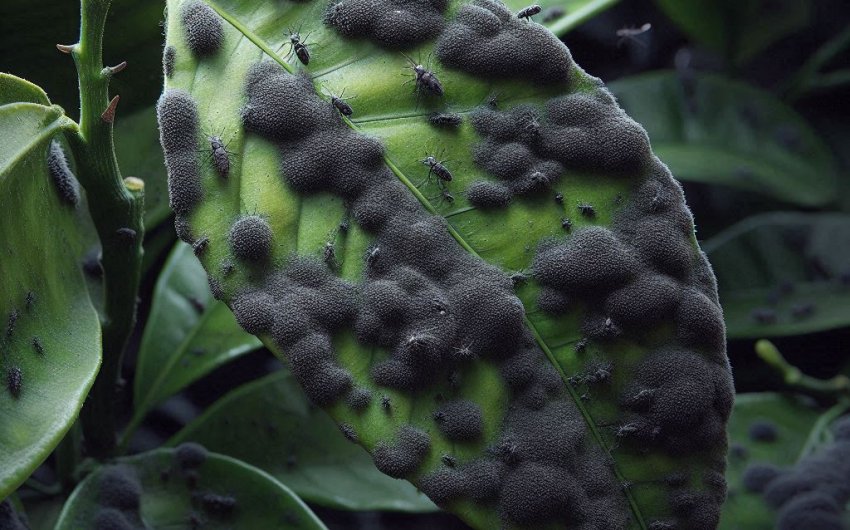
To treat sooty mold on citrus fruits, you must address its root cause: the sap-sucking insects that excrete sticky honeydew. Once the pest infestation is controlled, the sooty mold can be easily washed off with a gentle stream of water and a mild soap solution, restoring the plant's health and appearance.
What is Sooty Mold and Why Does it Appear on Citrus?
Sooty mold is a common sight on many plants, especially citrus trees, but it's not a plant disease in itself. It's a dark, velvety or powdery fungal growth that looks like soot or charcoal covering leaves, stems, and fruits. Understanding its true nature is the first step to effective treatment.
The Appearance of Sooty Mold
- Dark Coating: It typically appears as a black, sooty, or powdery layer that can range from a thin film to a thick crust.
- Location: Most often found on the upper surfaces of leaves, stems, and the fruit itself.
- Texture: It can be easily rubbed off with your fingers, distinguishing it from actual plant diseases that penetrate plant tissue.
The Real Culprit: Sap-Sucking Pests
Sooty mold doesn't directly harm your citrus tree's tissues. Instead, it grows on honeydew, a sticky, sugary substance excreted by certain sap-sucking insects as they feed on the plant's sap. Think of honeydew as insect poop!
- Primary Pests:
- Aphids: Small, soft-bodied insects, often green, black, or brown, that cluster on new growth.
- Scale Insects: Small, immobile pests that look like raised bumps on stems and leaves. They secrete honeydew and are often mistaken for part of the plant.
- Mealybugs: White, cottony pests usually found in leaf axils, stems, or undersides of leaves.
- Whiteflies: Tiny, white, winged insects that flutter up when disturbed, often found on leaf undersides.
- Pest Secretion: These pests insert their mouthparts into the plant's vascular system to suck out sap. Since sap is high in sugar, they excrete the excess as honeydew.
- Mold Growth: The honeydew coats the plant's surfaces, providing a perfect, sugary food source for the sooty mold fungi (Capnodium species). The spores of sooty mold are airborne and readily colonize honeydew-coated surfaces.
Why is Sooty Mold a Problem?
While sooty mold doesn't directly infect the plant, it causes significant issues:
- Photosynthesis Inhibition: The black coating blocks sunlight from reaching the leaf surface, reducing the plant's ability to perform photosynthesis (the process by which plants make their food). This can stunt growth, reduce fruit production, and weaken the tree.
- Aesthetic Damage: It makes the citrus tree and its fruit look unsightly and dirty.
- Reduced Fruit Quality: Fruits covered in sooty mold are less appealing and might not ripen properly due to reduced light.
- Attracts Other Pests: The honeydew itself can attract ants, which often "farm" these sap-sucking pests for their honeydew, complicating pest control efforts.
How to Identify the Sap-Sucking Pests Causing Sooty Mold?
Since treating sooty mold effectively means eliminating the honeydew source, identifying and controlling the underlying pest infestation is paramount.
Where to Look for Pests:
- Undersides of Leaves: Many sap-sucking insects, especially aphids, mealybugs, and whiteflies, prefer to hide on the tender undersides of leaves.
- New Growth and Tender Stems: Aphids are particularly drawn to new, succulent growth.
- Leaf Axils: Mealybugs often congregate in the crotches where leaves meet stems.
- Along Veins: Scale insects often line up along leaf veins or on stems.
- Sticky Residue: If you see clear, sticky residue (honeydew) on leaves or surfaces beneath the plant, it's a strong indicator of an active pest infestation, even if you don't immediately see the insects.
- Ant Activity: Ants crawling on your citrus tree are a sure sign of a honeydew-producing pest problem, as ants protect these pests from predators in exchange for honeydew.
What to Look For (Pest-Specific Signs):
- Aphids: Small (pinhead size), pear-shaped, various colors (green, black, pink, yellow). Often clustered tightly together. May also see shed white skins.
- Scale Insects: Small (1/16 to 1/8 inch), round or oval, immobile bumps that don't easily come off when you touch them. Can be brown, black, white, or grayish. Some are soft, others are hard.
- Mealybugs: Soft, oval, segmented insects covered in a white, waxy, cottony substance. They leave cottony trails.
- Whiteflies: Tiny, moth-like insects that fly up in a cloud when disturbed, usually from the undersides of leaves.
What Are the Steps to Treat Sooty Mold on Citrus Fruits?
Treating sooty mold involves a two-pronged approach: eliminating the pest source and then cleaning off the mold.
Step 1: Control the Sap-Sucking Pest Infestation
This is the most critical step. Without eliminating the pests, the honeydew will return, and so will the mold.
A. Manual Removal (for light infestations or as a first line of defense):
- Strong Water Spray: For aphids and whiteflies, a strong spray of water from a garden hose (or kitchen sink sprayer for indoor plants) can dislodge many pests. Repeat regularly.
- Wipe/Scrape: For scale or mealybugs, use a cotton swab dipped in rubbing alcohol to dab and loosen individual pests, or gently scrape them off with a fingernail or plastic card.
- Pruning: Remove heavily infested branches if the infestation is localized. Dispose of pruned material far away from the plant.
B. Organic and Safer Sprays (for moderate to heavy infestations):
- Insecticidal Soap:
- How it Works: Disrupts the outer membrane of soft-bodied insects, causing dehydration.
- Application: Mix according to package directions. Spray liberally, ensuring complete coverage of all plant surfaces, especially leaf undersides and stems.
- Frequency: Repeat every 5-7 days for several weeks to break the pest life cycle.
- Pros: Safe, non-toxic to beneficial insects once dry.
- Cons: Requires direct contact with pests.
- Horticultural Oil (e.g., Neem Oil):
- How it Works: Smothers insects by blocking their breathing pores. Neem oil also has insect growth regulator properties, disrupting pest development.
- Application: Mix according to package directions. Spray thoroughly, coating all parts of the plant.
- Frequency: Apply every 7-14 days.
- Pros: Effective against a wider range of pests, including eggs and nymphs. Safer for beneficials.
- Cons: Can harm beneficial insects if sprayed directly. Avoid spraying on very hot, sunny days to prevent leaf burn.
- A neem oil spray is an excellent organic choice.
C. Biological Control (for long-term outdoor management):
- Beneficial Insects: Introduce natural predators like ladybugs, lacewings, or parasitic wasps. These are great for outdoor citrus but less practical indoors.
Step 2: Clean Off the Sooty Mold
Once the pest problem is under control and honeydew production has stopped, you can safely clean the mold. The mold is not deeply embedded and will eventually flake off as the honeydew disappears, but you can speed up the process.
- Prepare a Gentle Solution:
- Mix 1 teaspoon of mild dish soap (avoid detergents with degreasers) into 1 liter (about 1 quart) of warm water.
- Application:
- For light mold/small plants: Use a soft cloth or sponge dipped in the solution to gently wipe down affected leaves and fruits.
- For heavier mold/larger plants: Use a soft-bristled brush (like a car wash brush or soft vegetable brush) to gently scrub the affected areas. You can also use a strong stream of water from a hose to blast off loosened mold after it's been softened by the solution.
- Rinse Thoroughly: After cleaning, rinse the entire plant with clear water to remove any soap residue.
- Repeat if Necessary: Stubborn sooty mold may require multiple cleanings. As new leaves grow and the old ones shed naturally, the problem will visibly diminish.
Important Note: Do not try to scrub off sooty mold before controlling the pests. You'll just be fighting a losing battle, and the mold will quickly return.
How to Prevent Sooty Mold on Citrus Fruits?
Prevention is always better than cure. Focusing on good plant hygiene and integrated pest management will keep sooty mold away.
Regular Plant Inspection
- Weekly Check: Make it a habit to inspect your citrus tree at least once a week. Pay close attention to new growth, leaf undersides, and stems.
- Early Detection: Catching a pest infestation early makes it much easier to control before honeydew and sooty mold become widespread.
Promote Plant Health
Healthy plants are more resistant to pest infestations.
- Proper Watering: Avoid over or under-watering. Water when the top 2-3 inches of soil are dry.
- Adequate Light: Ensure your citrus tree gets 6-8 hours of direct sunlight daily (or supplemental grow lights indoors).
- Consistent Fertilization: Use a balanced citrus fertilizer during the growing season to provide all necessary nutrients.
- Good Air Circulation: For indoor plants, use a small fan to gently circulate air. For outdoor plants, prune to open up the canopy. This deters pests and reduces humidity, which mold prefers.
Monitor for Ants
- Ants = Pests: Ants are often a sign of an active sap-sucking pest infestation. They protect aphids, scale, and mealybugs from predators in exchange for honeydew.
- Ant Control: If you see ants on your citrus tree, try to find and eliminate their food source (the honeydew-producing pests). You can also use ant baits or barriers around the tree's base.
Prune and Clean
- Remove Infested Parts: If a branch or a small section is heavily infested, it's sometimes best to prune it off and dispose of it far from the plant.
- Clean Up Debris: Remove any fallen leaves or plant debris from around the base of the tree, as these can harbor pests or fungal spores.
What Are Common Misconceptions About Sooty Mold?
Clearing up common misunderstandings can help you approach sooty mold treatment more effectively.
Misconception 1: Sooty mold is a plant disease that attacks the plant directly.
- Reality: Sooty mold is a superficial fungus that grows on honeydew excreted by sap-sucking insects. It does not infect the plant's tissues. The plant itself is fine; the issue is the pests.
Misconception 2: You should only treat the black mold.
- Reality: Treating only the mold is a temporary fix. The mold will inevitably return as long as the underlying pest infestation is active and producing honeydew. The primary focus must be on pest control.
Misconception 3: Heavy chemical pesticides are always needed.
- Reality: Often, cultural practices (water sprays, manual removal) and organic insecticides like insecticidal soap or neem oil are highly effective and safer options. Chemical pesticides should be a last resort and used carefully, especially on edible plants.
Misconception 4: Sooty mold is a sign of a dying plant.
- Reality: While sooty mold reduces photosynthesis and can weaken a plant over time if left untreated, it's rarely a death sentence on its own. It's more a warning sign of an active pest problem that needs attention. Healthy plants can recover well once pests are managed.
When Should I Call a Professional?
For most home gardeners, sooty mold on citrus can be managed with the strategies outlined above. However, there are times when professional help might be warranted.
When to Consider a Professional:
- Severe, Widespread Infestation: If the pest infestation is overwhelming, covering the entire tree, and your efforts are not making a dent after several weeks.
- Persistent Return: If you consistently get sooty mold and re-infestations despite diligent treatment.
- Unidentified Pests: If you suspect an underlying pest but cannot identify it or find effective treatments.
- Large Trees: For very large outdoor citrus trees where manual treatment or spraying is impractical.
- Commercial Growers: Large-scale commercial operations often require professional pest management.
A certified arborist or a local extension office can provide expert advice and potentially identify specific pests or recommend targeted treatments.
Treating sooty mold on citrus fruits is primarily about understanding its cause: the honeydew excreted by sap-sucking insects. By effectively identifying and controlling these pests through manual removal or organic sprays like insecticidal soap or neem oil, you eliminate the mold's food source. Once the pests are gone, the sooty mold can be easily washed off, restoring your citrus tree to its vibrant, productive self and ensuring healthy, beautiful fruit.