
What Are the Signs of Brown Rot in Cherries and How Can I Control It?
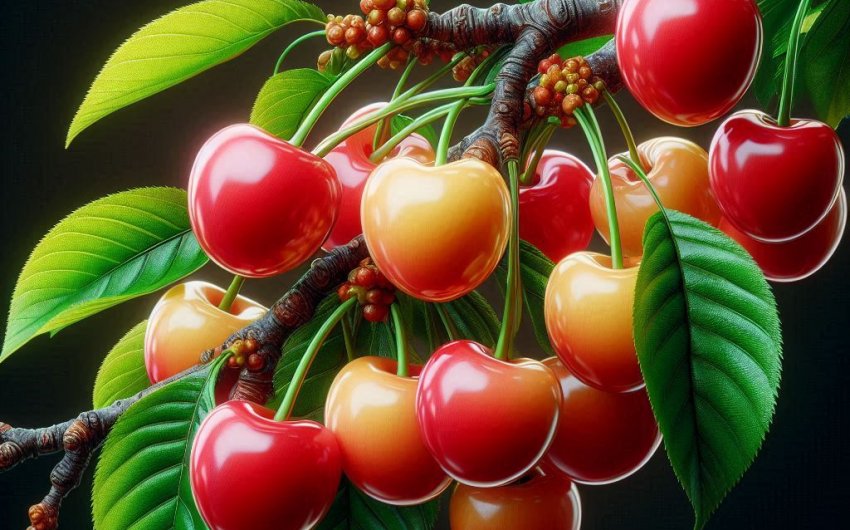
Few things are as delightful as picking fresh, ripe cherries from your own tree. But imagine reaching for a juicy fruit, only to find it soft, brown, and covered in fuzzy mold. This heartbreaking sight is usually the work of brown rot, a very common and destructive fungal disease that attacks cherries, peaches, plums, and other stone fruits. It can wipe out an entire crop if not managed. But don't despair! Understanding the signs and knowing how to fight back can save your precious harvest. This guide will walk you through spotting brown rot and controlling it naturally and effectively.
What is Brown Rot and Why Is It a Problem?
Brown rot is a fungal disease caused by species of Monilinia, most commonly Monilinia fructicola. It's a widespread and serious issue for anyone growing stone fruits.
How Does Brown Rot Spread?
Brown rot is a sneaky fungus that spreads very easily, especially in warm, wet, or humid conditions.
- Spores are everywhere: The fungus produces tiny spores that are carried by wind, rain, and insects (like bees and fruit flies). They can travel long distances.
- Overwintering: The fungus often spends the winter on infected twigs, branches, or mummified (shriveled) fruit left on the tree or on the ground. These are called cankers or mummies. When spring arrives, these mummies and cankers release new spores, starting the infection cycle all over again.
- Bloom infection: Spores first infect the blossoms in spring. This leads to blossom blight, where flowers wilt and die.
- Fruit infection: Later, spores infect the fruit, especially as it ripens. Wounds from insects (like plum curculio), birds, or even hail can create entry points for the fungus. Once one fruit is infected, the fungus can quickly spread to nearby healthy fruits through contact.
What Kind of Damage Does Brown Rot Cause?
Brown rot causes significant damage throughout the growing season, but it's most noticeable and devastating on the fruit.
- Blossom Blight: In spring, you might see blossoms turning brown and wilting, then dying. This can look like frost damage but is actually the early stage of brown rot. The infection can then move from the blighted flowers into the small twigs, forming cankers.
- Twig Blight/Cankers: Infected blossoms can cause the twig they are on to die back. A sunken, dead area called a canker can form on the twig. These cankers can ooze gum and harbor the fungus through winter.
- Fruit Rot: This is the most obvious and heartbreaking sign. Small brown spots appear on ripening fruit. These spots quickly grow, turning the entire fruit soft, brown, and mushy. Within a day or two, the infected fruit becomes covered in powdery, tan or gray-brown fungal spores. These are the visible signs of the fungus.
- Mummification: Infected fruits often shrivel up and turn into hard, black, wrinkled mummies. If left on the tree, these mummies become a major source of spores for the next season.
Why Are Cherries So Vulnerable?
Cherries are particularly susceptible to brown rot for a few reasons:
- Soft skin: Their tender skin is easily bruised or punctured, creating entry points for spores.
- Clustered growth: Cherries often grow in tight clusters. If one cherry gets brown rot, it can easily spread to its neighbors through direct contact.
- Ripening conditions: The disease thrives in the warm, humid conditions that often occur just as cherries are ripening.
What Are the Early Signs of Brown Rot in Cherries?
Catching brown rot early is key to controlling it. Don't wait until your fruit looks like a fuzzy disaster.
How Do I Spot Blossom Blight?
This is the very first sign, often seen in spring when your cherry tree is flowering.
- Wilting and browning flowers: Look for blossoms that suddenly wilt, shrivel, and turn brown or black. They won't fall off right away; they'll often cling to the branches.
- Discolored twigs: If the infection is severe, the brown color might extend from the flower into the small twig or stem holding the flower. This is the beginning of a twig blight or canker.
- Gumming: On larger branches, you might see clear or amber-colored gummy sap oozing from infected areas.
What Do Twig Cankers Look Like?
Cankers are sunken, discolored areas on twigs or small branches that indicate the fungus has moved from the blossom into the wood.
- Sunken lesions: They appear as dark, oval, or elongated sunken areas on the bark.
- Browning leaves: Leaves on the affected twig beyond the canker will often wilt, turn brown, and die, but remain attached to the branch. This is sometimes called a "flag" because the dead leaves stay on the branch.
- Gumming: As with blossom blight, gumming (resin oozing) can also be a sign of a canker.
What Are the First Signs on Ripening Fruit?
This is the most well-known symptom and often the most distressing.
- Small, light brown spots: The first sign on fruit is usually a small, soft, light brown spot. It might be near a wound, but it can also appear on unblemished skin.
- Rapid spreading: These spots grow very quickly, often consuming the entire cherry within \(24\) to \(48\) hours, especially in warm, wet weather.
- Fuzzy tan or gray mold: As the spot expands, it quickly becomes covered with a powdery, fuzzy, tan, or gray-brown mold. These are the spores of the fungus, ready to spread to other fruits.
- Mummified fruit: Infected cherries will eventually shrivel up and turn into hard, black, wrinkled mummies. These can stay on the tree or fall to the ground.
How Can I Prevent Brown Rot in Cherries?
Prevention is the most important strategy for controlling brown rot. A clean and well-maintained orchard reduces the chances of infection.
How Does Sanitation Help?
Sanitation is critical to breaking the brown rot life cycle. This is where the fungus "overwinters" and waits for spring.
- Remove mummified fruit: After harvest (or as soon as you spot infected fruit), remove all mummified cherries from the tree and from the ground beneath it. Do not compost them, as the fungus can survive. Bag them and dispose of them in the trash or burn them if allowed in your area. This removes a primary source of spores.
- Prune out cankers: In late winter or early spring, before bud break, carefully prune out any infected twigs or branches that show signs of cankers or blossom blight. Cut at least \(6\) to \(8\) inches below the visible canker into healthy wood. Sanitize your pruning tools between cuts with a \(10\)\% bleach solution (\(1\) part bleach to \(9\) parts water) or rubbing alcohol to prevent spreading the disease. A reliable pruning shears will be helpful.
- Clean up fallen fruit: Regularly collect and dispose of any fallen fruit throughout the season, as they can also harbor spores.
Why Is Proper Pruning Important?
Proper pruning improves air circulation and sunlight penetration, making the environment less friendly for brown rot.
- Open canopy: Prune your cherry tree to create an open structure that allows air and light to reach all parts of the tree, especially the inner branches. This helps leaves and fruit dry faster after rain or dew, which discourages fungal growth.
- Remove crossing branches: Eliminate branches that cross or rub against each other.
- Remove dead or weak wood: These can be entry points or hiding places for disease.
- Timing: Prune in late winter or early spring (dormant season) to minimize stress and sap flow, which can attract pests and diseases.
Does Air Circulation Play a Role?
Yes, good air circulation is a major deterrent for most fungal diseases, including brown rot.
- Drying power: Fungi thrive in damp conditions. When air can move freely through the canopy, leaves and fruit dry much faster after rain, dew, or irrigation.
- Placement: When planting new trees, ensure they have enough space to grow without being overcrowded by other trees or buildings.
- Weed control: Keep the area around the base of the tree free of weeds and tall grass, which can trap humidity.
How Can Watering Methods Help?
- Avoid overhead watering: If possible, use drip irrigation or soaker hoses to water the base of the tree, keeping the leaves and fruit dry. This is especially important during the fruit ripening stage. A good drip irrigation kit can be very beneficial for this.
- Water in the morning: If you must use overhead irrigation, water early in the morning so the foliage has plenty of time to dry before evening.
Organic and Natural Treatments for Brown Rot
Even with good prevention, brown rot can sometimes appear. These natural treatments can help control an outbreak.
When Should I Use Fungicides, and What Kinds?
For home gardeners, while sanitation and cultural practices are primary, fungicides can be a useful tool, especially in areas with high disease pressure.
- Sulfur-based fungicides: Organic sulfur fungicides are a common choice for brown rot control. They work by preventing fungal spores from germinating and growing. They need to be applied before infection.
- Application: Follow label instructions carefully for mixing and application rates. Apply at bloom (when flowers are open), and then again at shuck split (when the small fruit is emerging from the flower remnants), and as fruit begins to ripen, especially if wet weather is forecast.
- Caution: Sulfur can sometimes burn foliage if applied in very hot temperatures (above \(85\) degrees Fahrenheit) or if mixed with oil-based sprays. Always check the label. You can find many effective organic sulfur fungicide products.
- Copper-based fungicides: Copper fungicides are also organic options. They work as a general fungicide by disrupting fungal cell processes.
- Application: Often used as a dormant spray in late winter or early spring before bud break to kill overwintering spores on branches. Can also be used during the growing season, but with caution, as too much copper can build up in the soil.
- Caution: Like sulfur, copper can also cause phytotoxicity (plant damage) if applied improperly or in very hot weather. Always follow label directions. A good copper fungicide can be useful for dormant sprays.
- Bacillus subtilis (Biological Fungicide): This is a beneficial bacterium that can outcompete and suppress disease-causing fungi.
- How it works: It forms a protective barrier on the plant surface and can also produce compounds that inhibit fungal growth.
- Application: Applied as a spray during the growing season. It's safe for pollinators and humans. Often found in products for organic gardening. Consider a good Bacillus subtilis fungicide.
What About Kaolin Clay (Surround WP)?
Kaolin clay is a natural product that forms a white, powdery coating on plants.
- How it works: It acts as a physical barrier against insects (like plum curculio, which makes wounds that invite brown rot) and also helps reduce sunburn. By deterring insects that cause wounds, it indirectly reduces brown rot entry points.
- Application: Mix the powder with water and spray onto the tree. Reapply after rain.
- Caution: It leaves a visible white residue on the fruit, which needs to be washed off before eating.
Can Beneficial Microbes Help?
- Compost tea: While not a direct fungicide, spraying compost tea on your plants can introduce beneficial microbes that can outcompete disease-causing fungi on leaf surfaces. It also acts as a mild foliar feed.
- Mycorrhizal fungi: These are beneficial fungi that colonize plant roots, improving nutrient and water uptake. Healthier plants are generally more resistant to disease.
Integrated Pest Management (IPM) for Cherries
The most effective way to control brown rot is to use an Integrated Pest Management (IPM) approach. This means using a combination of methods for the best long-term success.
What Is IPM?
Integrated Pest Management (IPM) is a strategy that combines various pest control tactics to manage pest populations while minimizing risks to people and the environment. It emphasizes prevention and careful monitoring.
Key Principles of IPM for Brown Rot:
- Monitor Regularly:
- Early spring: Watch for blossom blight as soon as flowers appear.
- During fruit development: Inspect fruit for any early signs of spots or mold, especially after rain or humid periods.
- Check for insect damage: Look for signs of insect activity (like plum curculio crescents) as these create entry points for the fungus.
- Cultural Practices (Prevention):
- Sanitation: Rigorously remove all mummified fruit and prune out cankers. This is the most crucial step.
- Pruning: Maintain an open canopy for good air circulation and light penetration.
- Watering: Use drip irrigation or water at the base of the tree.
- Spacing: Ensure proper tree spacing if planting new trees.
- Physical/Mechanical Controls:
- Hand-picking: Remove any infected fruit you spot immediately to prevent spread. Dispose of it properly.
- Kaolin clay: Consider using it to deter insects that wound fruit.
- Biological Controls (If Applicable):
- Consider products with Bacillus subtilis as a preventive spray.
- Encourage general beneficial insects in your garden (ladybugs, lacewings) to help control other pests that might wound cherries.
- Chemical Controls (as a Last Resort, and Choose Wisely):
- If disease pressure is high and previous methods aren't enough, use organic fungicides like sulfur or copper as targeted sprays.
- Follow the product label exactly, paying attention to application timing, re-entry intervals, and pre-harvest intervals (how long you must wait after spraying before harvesting).
- Rotate fungicides: If using synthetic fungicides (not covered here, as we focus on natural), rotating active ingredients helps prevent resistance.
By combining these strategies, you create a robust defense against brown rot. It's not about a single magic bullet, but about a holistic approach to garden health. Your delicious cherry harvest will thank you!