
How Can I Address Blossom End Rot in Tomatoes?
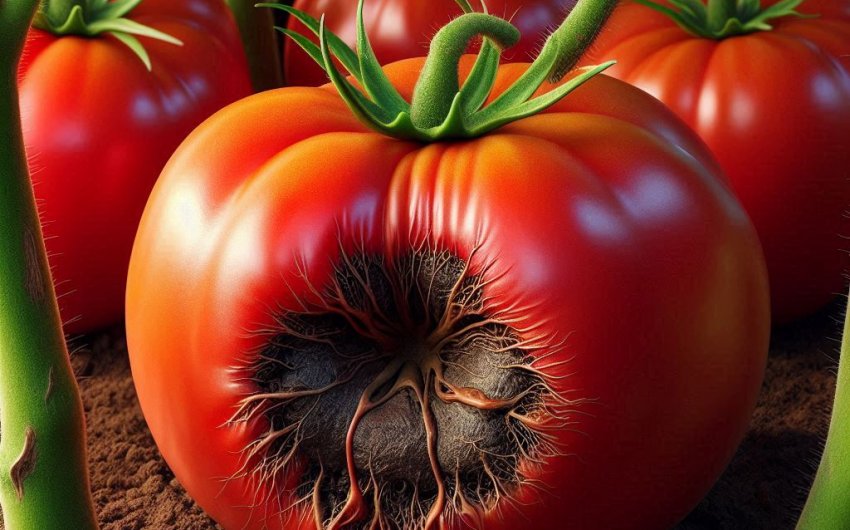
Few things are as frustrating for a gardener as seeing your beautiful, ripening tomatoes develop ugly, mushy spots on the bottom. If you've ever dealt with a dark, sunken lesion on the blossom end of your tomatoes, you've encountered blossom end rot. It's a very common problem, but the good news is that it's usually preventable and treatable. This comprehensive guide will break down exactly what blossom end rot is, why it happens, and most importantly, how you can fix it and enjoy a bountiful, blemish-free harvest.
What Exactly Is Blossom End Rot?
Before we dive into solutions, let's understand the enemy. Blossom end rot (often shortened to BER) is not a disease caused by a fungus or bacteria. It's a physiological disorder, which means it's a problem with how the plant functions, rather than an infection.
The Appearance of Blossom End Rot
You'll spot blossom end rot by looking at the very bottom of your ripening tomatoes, the part farthest from the stem (the "blossom end"). It starts as a small, watery, bruised-looking spot. This spot quickly grows, turning dark brown or black, becoming leathery, and often appears sunken. The affected area feels soft and mushy, indicating that the tissue has broken down. While it most commonly affects tomatoes, you can also see blossom end rot on peppers, squash, and melons.
Why It's Not a Disease
Because blossom end rot is a physiological disorder, it means it's not contagious. One affected tomato won't "infect" another plant. However, if one tomato on a plant has it, it's a strong sign that other tomatoes on that same plant, or even other plants in your garden, might also develop the problem if the underlying cause isn't addressed. It's an internal issue with the plant's ability to get enough calcium to its developing fruits.
Why Do My Tomatoes Get Blossom End Rot?
This is the million-dollar question, and the answer isn't as simple as "not enough calcium." While calcium deficiency in the fruit is the direct cause, it's usually not because there isn't enough calcium in your soil. Most often, the problem lies in the plant's inability to move calcium to the ripening fruits.
The Role of Calcium: A Crucial Nutrient
Calcium is an essential nutrient for plants, playing a vital role in building strong cell walls. When a developing tomato fruit doesn't get enough calcium, its cells can't form properly, and they collapse, leading to the characteristic rot. Tomatoes, especially, need a steady supply of calcium as their fruits grow.
The Real Culprit: Inconsistent Watering
This is, by far, the most common reason for blossom end rot. Inconsistent watering means your plants are either getting too much water, too little water, or cycles of both.
- Too little water: When the soil is dry, the plant can't take up water, and thus can't move dissolved calcium from the soil into the fruit.
- Too much water / Waterlogged soil: If roots are sitting in soggy soil, they can't get enough oxygen. This damages the roots and makes it harder for them to absorb any nutrients, including calcium.
- Fluctuating moisture levels: Periods of drought followed by heavy watering stress the plant. It can't maintain a steady flow of nutrients, leading to calcium supply issues in the fruit. Maintaining consistent soil moisture is key.
Root Damage: A Hidden Problem
Healthy roots are essential for nutrient uptake. Anything that harms the roots can contribute to blossom end rot:
- Transplant shock: When young tomato plants are moved, their roots can be damaged. Give them time to recover and settle in.
- Cultivating too close to the plant: If you're weeding or tilling too aggressively around the base of your tomato plants, you might be accidentally cutting or disturbing their shallow feeder roots.
- Compact soil: Hard, compacted soil prevents roots from growing deeply and makes it difficult for water and nutrients to penetrate.
Soil pH Imbalance: Affecting Nutrient Availability
The pH of your soil measures how acidic or alkaline it is. While most soils contain enough calcium, the calcium might not be available for plant uptake if the pH is too low (acidic) or too high (alkaline). Tomatoes generally prefer a slightly acidic to neutral pH, around 6.0 to 7.0. If your soil pH is outside this range, calcium can become "locked up" and unavailable to the plant. You can test your soil with a soil pH test kit.
Extreme Temperatures: Stress on the Plant
Very hot or very cold temperatures can stress tomato plants, slowing down their growth and metabolism. This can impact their ability to efficiently transport water and calcium to developing fruits. For example, during a heatwave, plants might struggle to absorb enough water even if the soil is moist.
Too Much Nitrogen: Promoting Leaves Over Fruits
If your fertilizer has a very high nitrogen content, it can promote a lot of leafy, vegetative growth. While lush green plants look healthy, too much nitrogen can sometimes lead to a nutrient imbalance, where the plant puts all its energy into growing foliage instead of efficiently moving calcium to the fruits. This means the fruit development is hampered, increasing the risk of blossom end rot.
How Can I Prevent Blossom End Rot from Happening?
Prevention is always better than cure! By understanding the causes, you can take proactive steps to avoid blossom end rot entirely. These strategies focus on providing optimal conditions for your tomato plants.
1. Consistent Watering: Your Top Priority
This is the single most important thing you can do.
- Deep and Regular: Water your tomato plants deeply and regularly, aiming for about 1-2 inches of water per week, depending on your climate and soil type. The goal is to keep the soil consistently moist but never waterlogged.
- Schedule: Establish a watering schedule and stick to it, checking the soil moisture before you water. Feel the soil about an inch or two down. If it feels dry, it's time to water.
- Drip Irrigation or Soaker Hoses: Consider using a drip irrigation system or soaker hoses. These deliver water slowly and directly to the root zone, minimizing evaporation and ensuring deep, even moisture. This is much better than overhead watering, which can lead to rapid evaporation and also promote foliar diseases.
- Morning Watering: Water in the morning so that any moisture on the leaves has time to dry before evening, which helps prevent fungal issues.
2. Mulch, Mulch, Mulch!
Applying a layer of mulch around your tomato plants is incredibly beneficial.
- Retains Moisture: Mulch helps keep the soil moisture consistent by reducing evaporation. This means you won't have to water as often, and the soil temperature will stay more stable.
- Suppresses Weeds: It also helps prevent weeds, which compete with your tomatoes for water and nutrients.
- Regulates Soil Temperature: Mulch insulates the soil, keeping it cooler in hot weather and warmer in cool weather, reducing plant stress.
- Types of Mulch: Use organic mulches like straw, shredded leaves, or wood chips. Apply a 2-4 inch layer around the base of your plants, keeping it a few inches away from the stem to prevent rot. You can find garden straw mulch at most garden centers.
3. Proper Soil Preparation and pH Management
Starting with good soil is foundational for healthy plants.
- Well-Drained Soil: Ensure your garden beds or containers have well-drained soil. If you have heavy clay soil, amend it with compost or other organic matter to improve drainage and structure.
- Soil Test: Before planting, do a soil test. This will tell you your soil's current pH and nutrient levels, including calcium. Your local extension office can usually provide testing services.
- Adjusting pH: If your soil test shows a pH outside the optimal range for tomatoes (6.0-7.0), you can adjust it. To raise pH (make it less acidic), add garden lime. To lower pH (make it more acidic), add sulfur. Follow the product instructions carefully.
4. Amend Soil with Calcium (If Necessary)
If your soil test truly indicates a calcium deficiency, you can amend the soil before planting.
- Gypsum: Gypsum (calcium sulfate) is a good option because it adds calcium without significantly changing the soil pH.
- Crushed Eggshells/Bone Meal: While often recommended, crushed eggshells and bone meal take a very long time to break down and release calcium into the soil, so they are not a quick fix for existing problems. They are better as a long-term soil amendment.
- Note: Remember, adding calcium isn't usually the solution if your watering practices are inconsistent.
5. Fertilize Wisely: Avoid Nitrogen Overload
Choose a balanced fertilizer or one that is slightly lower in nitrogen and higher in phosphorus and potassium.
- Tomato-Specific Fertilizers: Many fertilizers are specifically formulated for tomatoes, providing the right balance of nutrients. Look for a tomato fertilizer with an N-P-K ratio around 5-10-10 or similar.
- Avoid High Nitrogen: Too much nitrogen in early growth can lead to excessive leaf growth at the expense of fruit development and potentially worsen blossom end rot.
- Follow Instructions: Always follow the recommended application rates on the fertilizer package. More is not always better.
6. Provide Support: Prevent Stress
Support your tomato plants with stakes, cages, or trellises early in their growth.
- Stability: This prevents heavy fruit loads from causing stems to break or plants to flop over, which can stress the plant and indirectly impact nutrient uptake.
- Airflow: Proper support also improves air circulation around the plants, which can help prevent some diseases. A sturdy tomato cage is a great investment.
7. Choose Resistant Varieties (If Available)
Some tomato varieties are known to be more resistant to blossom end rot than others. While no tomato is entirely immune, choosing these varieties can give you an edge, especially if you've struggled with BER in the past.
- Ask Your Nursery: Inquire about BER-resistant varieties at your local garden center.
- Research: Look for descriptions that mention "blossom end rot tolerant" or "resistant" when buying seeds or plants.
8. Plant Carefully: Minimize Transplant Shock
When planting your tomato seedlings, handle them gently to minimize transplant shock.
- Harden Off: If you started seeds indoors, gradually acclimate (harden off) your seedlings to outdoor conditions before planting them in the garden. This involves slowly increasing their exposure to sun, wind, and cooler temperatures over 7-10 days.
- Gentle Placement: When placing them in the ground, avoid disturbing the root ball too much. Dig a hole wide and deep enough to comfortably accommodate the roots.
How Can I Treat Blossom End Rot if It's Already Happening?
If you're already seeing those tell-tale spots, don't despair! While the affected fruits won't recover, you can take steps to stop blossom end rot from affecting new tomatoes on the plant.
1. Remove Affected Fruits
The first step is to remove any tomatoes already showing signs of blossom end rot. These fruits will not recover, and leaving them on the plant will only waste the plant's energy. It's better for the plant to focus its resources on healthy new growth and future fruits. Simply snap them off and discard them. Do not compost them if you are concerned about attracting pests or diseases.
2. IMMEDIATELY Implement Consistent Watering
If you haven't been watering consistently, this is the most critical change you need to make.
- Focus on the soil: Ensure the soil around your tomato plants remains consistently moist, but not soggy. Water deeply and regularly.
- Monitor soil moisture: Use your finger or a soil moisture meter to check the moisture level before watering.
- Add mulch: If you haven't already, apply a 2-4 inch layer of organic mulch around the base of your plants. This will help stabilize soil moisture immediately.
3. Provide Shade During Heatwaves
If you are experiencing a severe heatwave, especially if temperatures are consistently above 90°F (32°C), providing temporary shade can help.
- Shade Cloth: Use a shade cloth over your tomato plants during the hottest part of the day. This reduces plant stress and helps them absorb water more efficiently, even if the soil is moist. It doesn't need to be complete shade, just enough to break the direct intense sun.
4. Avoid Over-Fertilizing with Nitrogen
If you've recently applied a high-nitrogen fertilizer and now see blossom end rot, stop fertilizing for a bit.
- Leach out excess nitrogen: You can try to water deeply to help flush some of the excess nitrogen from the soil, but be careful not to waterlog the plant.
- Switch to a balanced fertilizer: When you resume fertilizing, switch to a fertilizer with a lower nitrogen ratio or one specifically formulated for fruiting vegetables.
5. Consider a Calcium Spray (Temporary Fix)
A calcium foliar spray is a common recommendation, but it's important to understand its limitations.
- How it works: These sprays deliver calcium directly to the leaves, which the plant can then use.
- Limitations: It's a temporary, band-aid solution. It does not address the root cause of the problem (inconsistent watering or poor calcium transport within the plant). It's also less efficient than root uptake.
- When to use: It can be helpful for new developing fruits if you know you're fixing your watering issues. It might prevent new BER spots while the plant adjusts.
- Application: Look for a calcium nitrate spray for plants or a general calcium supplement for plants. Follow the package directions carefully. Apply in the early morning or late evening to avoid burning the leaves. Repeat weekly on newly forming fruits.
6. Check Soil pH (If Not Already Done)
If inconsistent watering is definitely not the problem, and you haven't done a soil test recently, now is the time.
- Test Kit: Use a reliable soil test kit to check your soil's pH.
- Adjustments (Long-term): If the pH is off, make adjustments for future seasons. Changing soil pH can take time, so this isn't an instant fix for the current season's BER.
Can Affected Tomatoes Be Eaten?
This is a common question. While the rotted part is unappetizing and spoiled, the unaffected parts of the tomato are perfectly safe to eat.
- Cut it off: Simply cut away the dark, mushy portion of the fruit. The remaining firm, healthy flesh can be used in cooking, sauces, or salads.
- Flavor change: Sometimes, affected tomatoes might have a slightly off-flavor, but they are not toxic.
- Don't ignore the cause: Remember, just cutting off the bad part doesn't solve the underlying problem in your garden. Continue to implement the preventative measures to save future fruits.
Beyond Tomatoes: Other Plants Susceptible to Blossom End Rot
While tomatoes are the poster child for blossom end rot, they're not the only plant that can suffer from it. Understanding this can help you protect other parts of your garden.
Peppers: A Common Victim
Like tomatoes, peppers are very susceptible to blossom end rot. You'll see the same dark, sunken, leathery spot on the bottom of the pepper fruits. The causes and solutions are identical to those for tomatoes: consistent watering, adequate calcium, proper soil pH, and avoiding root damage are key.
Squash and Zucchini: Watch the Blossom End
Many squash varieties, including zucchini, cucumber, and melons, can also develop blossom end rot. The symptoms appear similarly on the fruit's blossom end, often causing the tip to become soft, dark, and shriveled. Again, ensuring consistent moisture is the best defense.
Eggplants: Less Common, But Possible
While less common than with tomatoes or peppers, eggplants can also occasionally get blossom end rot. The symptoms might be more subtle, appearing as a brownish, somewhat dry rot at the bottom. The same principles of prevention apply.
What Are Some Myths About Addressing Blossom End Rot?
There's a lot of folklore around gardening, and blossom end rot has its share of myths. Let's debunk a few.
Myth: Burying Tums (Antacids) or Eggshells Under Plants Cures BER.
- Fact: While Tums contain calcium carbonate and eggshells are largely calcium, neither of these is an effective quick fix for blossom end rot.
- Tums: They release calcium quickly, but often in too high a concentration in one spot, which isn't how plants absorb nutrients efficiently. More importantly, the problem is usually water transport, not a lack of calcium in the soil itself.
- Eggshells: They take a very long time (sometimes years) to break down in the soil and release their calcium. They are a good long-term soil conditioner, but useless for an immediate BER problem.
- Truth: The focus should be on consistent soil moisture and ensuring calcium is readily available via healthy roots and appropriate soil pH, not on simply adding more calcium without addressing the underlying transport issue.
Myth: BER is caused by a calcium deficiency in the soil.
- Fact: As discussed, while BER is a calcium deficiency in the fruit, it's rarely because the soil doesn't contain enough calcium. Most garden soils have plenty. The issue is almost always that the plant can't move the available calcium to where it's needed (the rapidly growing fruit) due to inconsistent watering or root stress. A soil test is the only way to confirm actual soil calcium deficiency.
Myth: BER is a disease that spreads from plant to plant.
- Fact: Blossom end rot is a physiological disorder, not a disease caused by pathogens (fungi, bacteria, viruses). It doesn't spread from one tomato plant to another like blight or powdery mildew. However, if multiple plants are showing BER, it indicates they are all experiencing the same stress factor, usually inconsistent watering.
Myth: Simply spraying calcium on the leaves will solve everything.
- Fact: Foliar calcium sprays can provide a temporary boost of calcium to leaves and might help prevent new cases of BER on developing fruits. However, they are not a substitute for addressing the root cause, which is usually related to water management. Calcium is primarily absorbed through the roots, not the leaves, so a spray is a quick patch, not a permanent fix.
Myth: Only older varieties of tomatoes get BER.
- Fact: While some varieties might be more susceptible or resistant, blossom end rot can affect any tomato variety, hybrid or heirloom, if the conditions are right (or wrong, in this case). The primary drivers are environmental factors and cultural practices, not the genetics of the tomato itself, unless it's a specific "resistant" variety bred to handle some stresses better.
What Else Can Affect My Tomato Harvest? (Beyond BER)
While blossom end rot is a major headache, it's good to be aware of other common tomato problems that can sometimes be confused with it or occur alongside it.
Cracking and Splitting
- Appearance: Tomatoes develop cracks, usually at the top (stem end), often after a dry spell followed by heavy rain.
- Cause: This is also a physiological disorder, caused by rapid growth due to a sudden influx of water after a period of drought. The skin can't expand fast enough to accommodate the rapidly swelling fruit.
- Solution: Just like BER, consistent watering helps prevent cracking. Mulching also helps regulate soil moisture. Some varieties are more crack-resistant.
Sunscald
- Appearance: Large, white, or yellowish leathery patches on the sides of tomatoes that are directly exposed to intense sunlight. The affected area eventually dries out and can become papery.
- Cause: Excessive exposure to direct sun, especially during heatwaves. It's more common when plants have insufficient foliage to shade the fruits.
- Solution: Ensure good foliage growth (don't over-prune the leaves protecting the fruit). Provide temporary shade cloth during extreme heat.
Early Blight / Late Blight
- Appearance:
- Early Blight: Brown spots with concentric rings (like a target) on lower leaves first, then spreading up the plant. Can also affect stems and fruits (dark, leathery spots, usually near the stem).
- Late Blight: Large, irregular, water-soaked spots on leaves and stems, often with a fuzzy white mold on the underside in humid conditions. Causes rapid blighting (death) of the entire plant and large, firm brown spots on fruits.
- Cause: Fungal diseases that thrive in humid conditions.
- Solution: Good air circulation, proper spacing, watering at the base of the plant (not overhead), removing infected plant parts, and potentially using fungicides if the problem is severe. These are distinct from BER as they are caused by living pathogens.
Stink Bugs and Other Pests
- Appearance: Pitted, sunken spots on the tomato skin, often with white, corky tissue directly underneath when you cut the fruit open.
- Cause: Stink bugs or other sucking insects feeding on the developing fruits.
- Solution: Regular inspection of plants, hand-picking pests, or using appropriate organic pest control methods if infestations are severe. These spots are different from BER in that they are punctures from insects, not a tissue breakdown from calcium deficiency.
Final Thoughts on Your Tomato Journey
Dealing with blossom end rot can be disheartening, but it's a common challenge that most tomato growers face at some point. The most empowering takeaway is that it's largely within your control. By focusing on consistent watering, amending your soil when necessary, and providing good overall care, you can significantly reduce its occurrence. Remember, those few affected fruits don't mean your entire crop is doomed. Learn from the experience, adjust your gardening practices, and look forward to a successful, abundant harvest of perfect, juicy tomatoes!