
What Causes Peach Leaf Curl and How Can I Manage It?
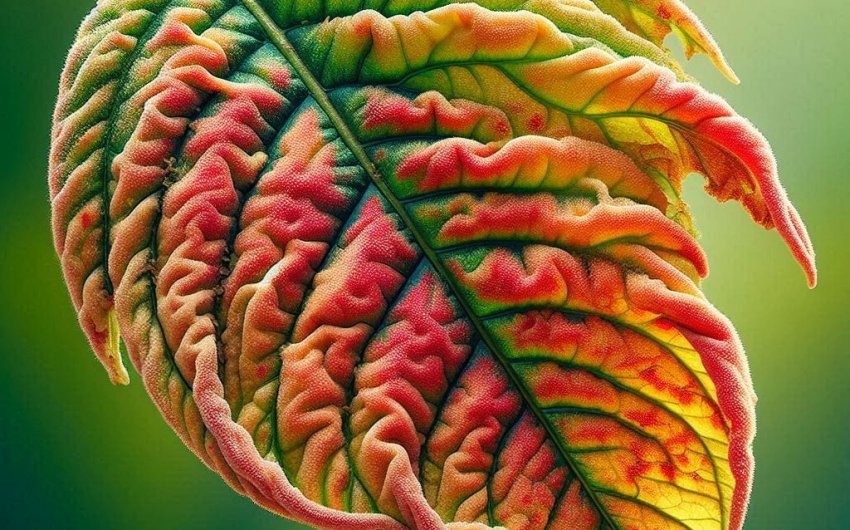
You anticipate the juicy sweetness of homegrown peaches, but as spring arrives, a disturbing sight greets you: the new leaves on your peach tree are not only misshapen and puckered but also thickened and turn an alarming red or purple. This unsightly deformation is the hallmark of peach leaf curl, a frustrating fungal disease that can severely impact the health and productivity of your beloved fruit trees.
Peach leaf curl is a common problem for peach and nectarine growers in many climates. While it rarely kills a mature tree outright, a severe infection can weaken it significantly, leading to reduced vigor, defoliation, and a poor (or non-existent) fruit harvest. The key to managing this pervasive disease lies in understanding its specific life cycle and implementing timely, preventative control strategies.
This guide will demystify what causes peach leaf curl and provide a comprehensive arsenal of effective management strategies. We'll delve into the fungus's lifecycle, pinpoint the crucial window for preventative action, and outline both organic and chemical approaches to protect your trees. Get ready to banish the gnarled leaves and ensure your peach tree thrives, yielding abundant, delicious fruit!
What is Peach Leaf Curl? (Understanding the Disease)
Before we dive into what causes peach leaf curl and how to manage it, let's clearly identify this disease and understand its characteristic symptoms. Recognizing it early is the first step in effective control.
1. The Culprit: A Fungal Pathogen
- Name: Peach leaf curl is caused by the fungus Taphrina deformans.
- Target Plants: This fungus primarily affects peach trees (Prunus persica) and nectarine trees (which are essentially fuzz-less peaches). It can also, less commonly, affect almonds. It does not affect other fruit trees like apples, pears, or plums.
- Life Cycle (Key to Management!): Understanding its life cycle is crucial for effective control:
- Overwintering: The Taphrina deformans fungus overwinters (survives the winter) as spores in the cracks and crevices of the tree bark, around the buds, and on old fallen leaves. They do not overwinter in infected leaves that fall to the ground.
- Spring Infection: When temperatures rise in spring (typically between 50-70°F / 10-21°C) and the tree's buds begin to swell and open, the overwintered spores are splashed by rain or carried by wind onto the emerging new leaves. A period of wetness (rain, dew) for several hours is essential for the spores to germinate and infect the tender new leaf tissue.
- Disease Development: Once infected, the fungus grows within the new leaf tissue, causing the characteristic deformities.
- Spore Production: Infected leaves then produce new spores (visible as a grayish or whitish bloom on the deformed leaves), which can reinfect other emerging leaves on the same tree or neighboring trees during the same season.
- Cycle Continues: As the season progresses, infected leaves often turn yellow, then brown, and eventually drop off. The tree may produce a second flush of healthy leaves if conditions are no longer favorable for infection. However, the fungus continues to survive on the bark/buds, ready for next spring.
2. Identifying Peach Leaf Curl Symptoms
The symptoms of peach leaf curl are quite distinctive and usually appear on the new leaves emerging in spring.
- Leaf Deformation: The most obvious sign. New leaves become puckered, blistered, crinkled, curled, or distorted. They look gnarled and bumpy.
- Thickened Leaves: Infected leaves feel noticeably thicker and somewhat leathery or rubbery compared to healthy leaves.
- Color Changes: Infected leaves often develop vibrant discoloration:
- Reddish, Pink, or Purplish: A common color change, often starting from the edges or in blotches.
- Yellowish: Can also appear, particularly as the disease progresses.
- Powdery Bloom: On severely infected leaves, you might see a grayish, velvety, or whitish powdery bloom developing on the surface. This is the fungus producing new spores.
- Premature Leaf Drop: Infected leaves often turn yellow or brown and drop prematurely from the tree, sometimes in early summer. A heavily infected tree can defoliate (lose its leaves) almost entirely.
- Stunted Fruit: If fruit develops on heavily infected branches, it may be stunted, misshapen, or have reddish, raised lesions. Yields are often significantly reduced or nonexistent.
- Weakened Shoots: New shoots (stems) can also be infected, becoming swollen or distorted.
By clearly recognizing these symptoms and understanding the fungus's life cycle, you'll be able to proactively manage peach leaf curl and protect your peach tree effectively.
What Causes Peach Leaf Curl? The Environmental Triggers
Knowing the pathogen is one thing, but understanding what causes peach leaf curl to actually manifest in your garden depends heavily on specific environmental conditions. The interplay of temperature and moisture is crucial for this disease's development.
1. Temperature: The Critical Window
- Cold but Warming Temperatures (The Infection Zone!): The Taphrina deformans fungus is most active and capable of infecting peach trees when temperatures are between 50-70°F (10-21°C).
- Bud Swelling: This temperature range often coincides with the critical period in spring when your peach tree's buds are swelling and just beginning to open, exposing the tender new leaf tissue to infection.
- Optimal Infection Temperature: The most severe infections often occur when temperatures are consistently in the 50s and 60s Fahrenheit (10-15°C) during bud break.
- Beyond the Window: If temperatures are either consistently below 45°F (7°C) or consistently above 70°F (21°C) when buds open, infection is much less likely to occur. This is why some regions see more severe outbreaks than others.
2. Moisture: The Essential Ingredient for Infection
- Prolonged Leaf Wetness: This is the second most critical factor. The fungal spores of Taphrina deformans need a period of prolonged wetness (typically 6-12 hours of continuous moisture) on the emerging leaves to germinate and penetrate the plant tissue.
- Sources of Wetness:
- Rain: Frequent spring rains are a primary driver of peach leaf curl outbreaks. Long, drizzly periods are particularly problematic.
- Heavy Dew: Consistent heavy dew can also provide sufficient moisture for infection.
- Overhead Irrigation: If you use overhead sprinklers that wet the foliage in spring, this can exacerbate the problem.
- Without Wetness, No Infection: Even if spores are present and temperatures are ideal, if the emerging leaves remain dry, infection cannot occur.
3. Tree Vulnerability: The Stage of Growth
- Emerging Leaves are Key: The fungus can only infect the very new, tender leaf tissue as it emerges from the bud. Once leaves have expanded and hardened off, they become resistant to infection for that season.
- Timing of Exposure: If a long cool, wet spring aligns perfectly with your peach tree's bud break, you're at very high risk of a severe infection.
4. Overwintering Spores: The Continuous Cycle
- Location: As mentioned, the spores overwinter in tree bark crevices and around bud scales. They are always present once a tree has been infected.
- No Spore, No Disease: If there were no overwintering spores present, no infection would occur, regardless of weather conditions. This highlights the importance of preventative sprays that target these dormant spores.
Understanding the specific conditions of cool, wet springs coinciding with bud swell and emergence is paramount. This insight dictates the precise timing for preventative sprays, which are the most effective management strategies for peach leaf curl.
How to Manage Peach Leaf Curl: The Crucial Preventative Approach
Unlike many other plant diseases, peach leaf curl cannot be effectively cured once the symptoms appear on the leaves. Once the leaves are gnarled and discolored, they are infected. The most effective management strategy is a preventative one, targeting the fungus before it has a chance to infect the new spring growth.
1. Chemical Control: Dormant Season Fungicide Sprays (The Most Effective Prevention)
This is the most reliable way to prevent peach leaf curl. The key is timing.
- Why it Works: These sprays work by coating the bark and dormant buds of your peach tree, killing the overwintering Taphrina deformans spores before they can infect the new leaves in spring. They create a protective barrier.
- Timing is CRITICAL:
- Fall (Late Autumn/Early Winter): The ideal time is after the leaves have fallen off the tree in autumn, and before temperatures consistently drop below freezing. This is usually around November or December in temperate climates. A second spray is highly recommended.
- Late Winter/Early Spring: A second, crucial spray should be applied in late winter or very early spring, just before the buds begin to swell and open. This is often when temperatures are still cool (below 50°F / 10°C) but the threat of new growth is imminent. If you only apply one spray, this is the most critical one.
- Avoid Spring Application: Once the leaves have started to emerge and show symptoms, it's too late for fungicides to control that season's infection.
- Fungicide Types:
- Copper-Based Fungicides: This is the most common and effective type for peach leaf curl. Look for dormant sprays containing fixed copper (e.g., copper hydroxide, copper sulfate). It's an effective organic option.
- Application: Mix with water according to package directions. Spray thoroughly, ensuring complete coverage of all bark, branches, and dormant buds. A copper fungicide spray is widely available.
- Caution: Copper can accumulate in soil with overuse, potentially harming beneficial soil microbes. Use only as directed.
- Chlorothalonil: A synthetic fungicide that is also effective. Often available as a garden fungicide.
- Application: Follow label directions strictly.
- Caution: A chemical option, use with proper protective gear.
- Copper-Based Fungicides: This is the most common and effective type for peach leaf curl. Look for dormant sprays containing fixed copper (e.g., copper hydroxide, copper sulfate). It's an effective organic option.
- Pro Tip: For areas with persistent cool, wet springs, two sprays (fall and late winter) provide the best protection.
2. Cultural Practices (Supportive but Not Standalone Control)
These practices support tree health but won't prevent infection on their own if spores are present.
- Planting Resistant Varieties: If planting a new peach tree, choose varieties that show some resistance to peach leaf curl. While no variety is entirely immune, some are less susceptible. (e.g., 'Frost', 'Indian Free', 'Redhaven' has some tolerance).
- Sanitation:
- Remove Infected Leaves: While infected leaves don't re-infect the same season, removing them from the tree (if possible, not practical for large trees) and raking up any fallen leaves at the end of the season can help reduce the overall fungal inoculum (spore load) in your immediate environment. Do not compost infected leaves. Bag and dispose of them in the trash.
- Improve Tree Health: A healthy, vigorous tree is more resilient.
- Proper Watering: Ensure consistent watering, especially during dry spells, to avoid drought stress.
- Balanced Fertilization: Fertilize appropriately based on a soil test to provide balanced nutrients.
- Good Air Circulation: Prune your peach tree annually to promote good air circulation within the canopy. This helps remaining healthy leaves dry faster and reduces humidity, indirectly supporting overall tree health.
3. Management Once Symptoms Appear (No Cure for Current Season's Infected Leaves)
- Patience: Once you see the gnarled, colored leaves, it's too late to "cure" them for that season. The infection has already happened.
- Defoliation/Second Flush: Infected leaves will eventually drop. The good news is that if conditions become warmer and drier, the tree will often produce a second flush of healthy, uninfected leaves.
- Support the Tree: Continue to provide good cultural care (watering, fertilization) to help the tree recover and produce that second flush of healthy leaves.
The key to managing peach leaf curl lies overwhelmingly in consistent, properly timed dormant season fungicide applications. This is the pro tip that truly protects your peach tree from this unsightly and debilitating disease.
Long-Term Management and a Healthy Peach Tree Garden
Successfully managing peach leaf curl is a commitment that extends beyond a single season's spray. Adopting long-term strategies is crucial for building a resilient peach tree that continues to produce abundant, healthy fruit for years.
1. Consistent Dormant Season Spraying (The Core Long-Term Strategy)
- Annual Commitment: If you live in a region prone to peach leaf curl (which is most places with cool, wet springs), consistent dormant season spraying is likely an annual commitment for the life of your peach tree.
- Timing: Stick to the crucial timing: once in late fall (after leaf drop) and again in late winter/early spring (just before bud swell). This double application provides the best coverage and ensures spores are eliminated before infection.
- Thoroughness: Ensure every part of the bark and every bud is thoroughly coated with the fungicide. Missed spots are potential infection points. Use a garden sprayer for even coverage.
2. Prioritize Resistant Varieties (for New Plantings)
- Prevention is Best: If you are adding new peach trees to your garden, prioritize purchasing varieties that are known to have significant resistance to peach leaf curl. While not 100% immune, they will significantly reduce your workload and reliance on sprays.
- Research: Do your research. Local university extension offices or reputable nurseries can provide recommendations for varieties that perform well in your specific area.
3. Optimize Tree Health and Vigor
A healthy, strong peach tree is better able to withstand disease pressure and recover from minor infections.
- Proper Site Selection: Plant your peach tree in a location that provides full sun (at least 6-8 hours direct sunlight), has well-drained soil, and receives good air circulation. Poor drainage is a common stressor for fruit trees.
- Consistent Watering: Provide consistent deep watering, especially during dry spells. Avoid drought stress, which weakens trees.
- Balanced Fertilization: Fertilize based on a soil test and the tree's needs. Ensure adequate phosphorus and potassium for fruit development and overall tree health, and avoid excessive nitrogen which can lead to lush, susceptible growth.
- Proper Pruning: Annually prune your peach tree to maintain an open canopy. This improves air circulation throughout the tree, helping leaves dry faster and generally promoting vigor. Remove any dead, diseased, or crossing branches. Use clean, sharp pruning shears or loppers for tree pruning.
4. Improve Garden Sanitation
- Consistent Cleanup: Continue to remove all fallen leaves and debris from around your peach tree in the fall. While the fungus overwinters on bark/buds, a cleaner environment is always beneficial.
- Tool Hygiene: Clean and sterilize your tools regularly, especially if you've been working on diseased plants.
5. Monitor Weather Patterns
- Anticipate Risk: Pay attention to spring weather forecasts. If a cool, wet period is predicted around your peach tree's bud break, be extra vigilant with your preventative sprays. If you missed a dormant spray, and very early spring is cool and wet, you might still get a minimal benefit from a very early spray just as buds swell, though it's much less effective than true dormant applications.
6. Consider the Severity of Infection and Tree Age
- Young Trees: Young peach trees are more vulnerable to severe damage from peach leaf curl. Consistent protection is especially important for them to establish a strong framework.
- Mature Trees: While mature trees rarely die from it, a severe infection can weaken them over several seasons, making them susceptible to other stresses or diseases. Maintaining good vigor helps them produce that second flush of leaves.
By diligently integrating these long-term management strategies into your orchard care, you can effectively control peach leaf curl and ensure your peach tree remains a vibrant, healthy, and consistently fruitful source of delicious peaches year after year. It's an investment in the long-term health and productivity of your orchard.