
How Do I Prevent and Treat Apple Scab in My Orchard?
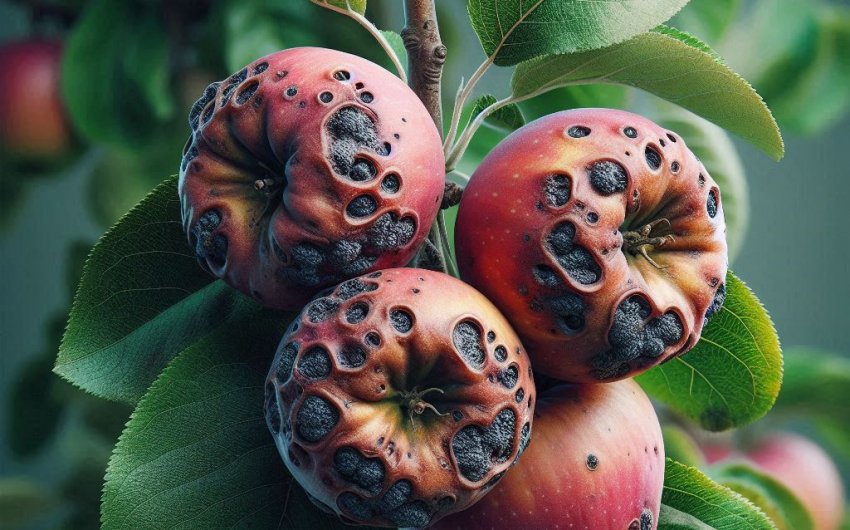
Are Unsightly Spots Ruining Your Apple Harvest?
Imagine a beautiful apple orchard, heavy with ripening fruit. You look forward to biting into a crisp, juicy apple. But then you see them: dark, velvety spots on the leaves, twigs, and worst of all, on the apples themselves. These spots are the tell-tale signs of Apple Scab, one of the most common and damaging diseases for apple trees and crabapples. Apple Scab can ruin your harvest, weaken your trees, and make your apples unappetizing. If you're wondering how to prevent and treat Apple Scab in your orchard, you've come to the right place. With the right strategies, you can protect your trees and enjoy a blemish-free bounty.
What is Apple Scab and How Does It Spread?
Apple Scab is a fungal disease caused by the fungus Venturia inaequalis. It is a very common problem in regions with cool, wet springs, as these conditions are ideal for the fungus to thrive and spread.
Symptoms of Apple Scab
The disease can affect all green parts of the apple tree, but symptoms are most noticeable on leaves and fruit.
- On Leaves:
- Early Spring: Small, olive-green to brown spots appear, often slightly velvety. These spots are usually found on the undersides of newly unfolding leaves first, then on the top surfaces.
- Later Stages: Spots become darker, almost black, and may merge together. Severely infected leaves can become curled, distorted, turn yellow, and drop prematurely. Early leaf drop can significantly weaken the tree.
- On Fruit (Apples):
- Early Stage: Small, olive-green, circular spots appear on young fruit.
- Later Stages: Spots become rough, corky, and dark brown or black. As the apples grow, these lesions can crack, exposing the flesh to secondary infections by other fungi or bacteria.
- Distortion: Heavily infected fruit can become stunted, misshapen, and drop prematurely. Even small spots can make apples unappealing for eating or storage.
- On Twigs and Branches:
- Small, raised, olive-green spots can appear on young twigs. These spots can develop into cankers (sunken lesions) over time, and the fungus can overwinter in these twig lesions.
How Apple Scab Spreads (The Disease Cycle)
Understanding the disease cycle is crucial for effective prevention.
- Overwintering: The Apple Scab fungus primarily overwinters in infected, fallen leaves from the previous season. It can also overwinter in twig lesions on some susceptible varieties.
- Spring Spore Release: In spring, when temperatures are cool (around 45-78°F or 7-26°C) and the tree is developing new growth, and there is prolonged wetness from rain or dew, the fungus in the fallen leaves produces spores (ascospores). These spores are released into the air.
- Primary Infection: Wind and rain carry these spores to newly emerging leaves, flowers, and young fruit. If the plant tissue stays wet for a certain period (depending on temperature, this "wetness duration" can range from a few hours to a day or more), the spores germinate and infect the tree. Symptoms appear 9-17 days later.
- Secondary Infection: Once the primary spots appear on leaves or fruit, they produce a second type of spore (conidia). These spores are easily spread by wind and splashing rain from existing infections to new, healthy plant tissue. This allows the disease to rapidly spread throughout the tree and orchard if conditions remain cool and wet. This continuous cycle means the disease can build up quickly.
- Re-overwintering: In fall, infected leaves drop to the ground, and the fungus begins to overwinter again, ready for the next spring. Understanding the Apple Scab disease cycle is essential for effective control.
Prevention is Key: Cultural Control Strategies
The best way to manage Apple Scab is to prevent it from ever getting a foothold. Cultural control techniques are crucial for this, especially in a home orchard.
1. Choose Resistant Varieties (Most Important Prevention!)
- Front-Line Defense: This is the single most effective prevention strategy. If you are planting new apple trees, select varieties that are bred to be resistant or immune to Apple Scab. This will significantly reduce or even eliminate the need for fungicide sprays.
- Examples of Scab-Resistant Apple Varieties:
- 'Liberty': A highly recommended, very resistant variety. Good eating quality.
- 'Honeycrisp': While not completely immune, it has good resistance.
- 'Prima'
- 'Enterprise'
- 'Freedom'
- 'GoldRush'
- 'William's Pride'
- Check with your local nursery or agricultural extension office for a full list of scab-resistant varieties that do well in your area. This will minimize the need for Apple Scab fungicide application.
2. Sanitation (Reduce Overwintering Spores)
- Remove Fallen Leaves: This is crucial. In fall, after leaves drop, rake up and destroy (bag for trash, do not compost unless you have a very hot compost pile) all fallen apple tree leaves. This removes the primary source of overwintering fungus.
- Shred Leaves: If you have many leaves and cannot remove them all, mowing over them with a mulching mower to shred them can help them decompose faster, burying the fungus.
- Prune Infected Twigs: If you observe twig infections (dark, raised lesions on young twigs), prune them out during the dormant season (winter). Disinfect pruners between cuts.
3. Improve Air Circulation
- Pruning: Proper annual pruning in the dormant season improves air circulation within the tree's canopy.
- Remove crossing branches.
- Thin out dense growth.
- Ensure light and air can penetrate all parts of the tree.
- Why it Helps: Good air circulation helps leaves and fruit dry more quickly after rain or dew. Since fungal spores need prolonged wetness to germinate, faster drying reduces infection opportunities. Using sharp tree pruning shears helps ensure clean cuts.
- Spacing: When planting new trees, ensure adequate spacing between them to promote good airflow throughout the orchard.
4. Proper Watering
- Water at the Base: Avoid overhead watering (e.g., from sprinklers) that wets the foliage. Water the tree's base directly, or use drip irrigation.
- Why it Helps: Keeps leaves dry, reducing opportunities for spore germination.
5. Mulching
- Beneath the Tree: Apply a 2-4 inch layer of organic mulch (wood chips, shredded bark, compost) around the base of the tree (keeping it a few inches away from the trunk).
- Benefits: Helps suppress the germination of fungal spores from fallen leaves in spring by acting as a barrier. It also retains moisture and suppresses weeds.
By diligently applying these cultural control strategies, especially choosing resistant varieties, you can significantly reduce the impact of Apple Scab in your orchard.
Treatment Techniques: Fungicides and Timed Applications
For existing apple trees that are susceptible to Apple Scab, or if preventative cultural controls aren't enough, fungicide applications may be necessary. Timing is absolutely critical for effective fungicide use.
When to Apply Fungicides (Timing is CRUCIAL)
Fungicides are primarily preventative; they work by creating a protective barrier on the plant surface before spores land and infect. They are not very effective once symptoms are widespread.
- Early Season is Key: The most important sprays are in spring, starting at bud break (when green leaf tips first appear). This protects the newly emerging, most vulnerable plant tissue.
- Follow Tree Development: Sprays are timed according to the tree's growth stages and local weather conditions.
- Green Tip: When green leaf tips first emerge.
- Tight Cluster: When flower buds separate but are still tight.
- Pink: Just before flowers open.
- Bloom: During flowering (use bloom-safe fungicides only).
- Petal Fall: When most flower petals have fallen.
- Cover Sprays: Continue sprays at regular intervals (e.g., 7-10 days) or after heavy rains, through late spring and early summer, as new leaves continue to emerge and expand.
- Weather Monitoring: In cool, wet springs, more frequent applications may be needed. In dry springs, fewer sprays may suffice. Agricultural extension services often provide "scab alerts" based on local weather. For precise timing, consider a plant disease forecasting tool.
Types of Fungicides for Apple Scab (Home Orchard Options)
- Organic Options:
- Sulfur: An older, natural fungicide that is effective as a preventative. Can cause foliage burn in very hot temperatures (above 85°F or 30°C). Needs regular reapplication.
- Copper-based Fungicides (Bordeaux Mix): Also effective preventatively. Can cause russeting (browning/roughening) on fruit if applied too close to bloom.
- Neem Oil: Has some fungicidal properties, especially against powdery mildew, and can help suppress scab to a degree, but usually not as potent as sulfur or copper.
- Bacillus subtilis (e.g., Serenade Garden Disease Control): A biological fungicide that uses beneficial bacteria to suppress fungal pathogens. Good for organic gardening. A good organic fungicide for fruit trees can be effective.
- Synthetic Options (For Home Gardeners):
- Myclobutanil (e.g., Immunox, Fung-onil Multi-Purpose Fungicide): A systemic fungicide that is absorbed by the plant and provides longer-lasting protection. Very effective for Apple Scab.
- Captan: A contact fungicide (stays on the surface) that is effective for various fruit diseases, including scab.
- Chlorothalonil: A broad-spectrum contact fungicide.
- Caution: Always read and follow label instructions carefully for dilution rates, application methods, safety precautions, and "pre-harvest intervals" (PHI - the time between the last spray and when you can safely harvest fruit).
Application Tips
- Thorough Coverage: Ensure thorough coverage of all leaves, stems, and fruit. Spray until the point of runoff.
- Reapplication: Reapply as directed on the label, especially after heavy rains that can wash off contact fungicides.
- No Cure: Remember, fungicides protect new growth. They won't remove existing spots.
For homeowners with susceptible apple trees, a well-timed fungicide spray program from bud break through early summer is often necessary to achieve clean fruit, especially in scab-prone climates.
Integrated Pest Management (IPM) for Apple Scab
An Integrated Pest Management (IPM) approach combines various strategies to manage Apple Scab effectively, minimizing reliance on chemical treatments.
What is IPM?
- Holistic Approach: IPM is a common-sense approach to pest (and disease) management that emphasizes prevention and combines different tactics to reduce pest populations to acceptable levels, using the least toxic methods first.
- Monitoring: Regularly scouting your orchard for signs of disease.
- Identification: Correctly identifying the problem.
- Thresholds: Deciding when intervention is truly necessary (e.g., how much infection is too much).
IPM Strategy for Apple Scab
- Resistant Varieties (Cultural - Prevention): This is the foundation of IPM for Apple Scab. By choosing resistant varieties, you might eliminate the problem entirely.
- Sanitation (Cultural - Prevention): Diligently raking and destroying fallen leaves in fall is crucial. This significantly reduces the initial amount of fungus available for spring infection. This is a vital part of orchard disease management.
- Proper Pruning and Spacing (Cultural - Prevention): Improving air circulation by proper pruning and maintaining adequate spacing between trees reduces moisture on foliage, making it harder for spores to germinate.
- Careful Watering (Cultural - Prevention): Watering the soil directly and avoiding overhead irrigation keeps leaves dry.
- Monitoring Environmental Conditions (Monitoring/Timing): Pay attention to weather forecasts, especially cool, wet periods in spring. Local extension services often provide predictive models for scab infection periods. This informs when preventative sprays are most critical.
- Fungicide Application (Chemical - Intervention): If using fungicides, integrate them judiciously:
- Start Early: Begin sprays at bud break as new tissue emerges.
- Targeted Sprays: Only spray when conditions favor scab development (cool and wet periods) or based on tree growth stages. Don't just spray on a fixed schedule if it's unnecessary.
- Rotate Fungicides: If using synthetic fungicides, rotate between products with different active ingredients (different "FRAC codes" on the label) to prevent the fungus from developing resistance.
- Choose Wisely: Prioritize organic or less toxic options first if effective for your situation.
By combining all these approaches, you create a robust strategy that minimizes the disease while also reducing your environmental footprint. IPM ensures you use the least amount of intervention necessary to achieve a healthy orchard and a bountiful, blemish-free apple harvest.
Organic Approaches to Apple Scab Control
For organic gardeners or those who want to avoid synthetic chemicals, managing Apple Scab requires a strong focus on preventative cultural controls and judicious use of approved organic fungicides.
1. Non-Negotiable Preventative Measures
- Resistant Varieties: This is paramount for organic apple growers. Always choose scab-resistant apple varieties. If you already have susceptible trees, these will be the most challenging to manage organically.
- Exceptional Sanitation:
- Fall Leaf Cleanup: Meticulously rake up and destroy (or deep bury) all fallen apple leaves in fall. This is critical as it removes the primary source of initial spores for next spring.
- Shredding Leaves: If you have a lot, shredding leaves very finely with a mower in fall and allowing them to decompose completely can help, but removal is more effective for preventing primary spore release.
- Pruning Infected Twigs: In winter, remove any twigs showing signs of scab cankers.
- Maximize Air Circulation:
- Dormant Pruning: Annual dormant pruning to open up the tree's canopy is essential.
- Proper Spacing: Ensure trees are planted with adequate space between them.
- Watering Habits: Water at the tree's base, avoiding wetting the foliage.
2. Approved Organic Fungicides (Preventative Sprays)
- Sulfur:
- Type: A contact fungicide derived from naturally occurring sulfur.
- Application: Applied as a fine spray or dust. Must be applied frequently and thoroughly, as it only protects the surface.
- Timing: Critical to start at green tip (first new growth in spring) and continue regularly through the early fruit development period, especially during cool, wet weather.
- Caution: Do not apply when temperatures are above 85°F (30°C) as it can cause foliage burn. Can also cause russeting on some fruit varieties. Always read label directions.
- Copper-based Fungicides (e.g., Bordeaux Mix, Copper Soap):
- Type: Copper is a heavy metal that acts as a contact fungicide.
- Application: Often used in dormant or early spring sprays.
- Caution: Can be harsh on plant tissue and may cause fruit russeting. Use sparingly and carefully. Always follow label directions strictly.
- Neem Oil:
- Type: A botanical oil with some fungicidal properties, mainly working by smothering fungal spores.
- Application: Applied as a spray. Also has insecticidal properties.
- Timing: Can be incorporated into a spray program but usually needs more frequent application than sulfur for scab and is less potent.
- Bacillus subtilis (e.g., Serenade Garden Disease Control):
- Type: A biological fungicide containing beneficial bacteria that compete with or suppress fungal pathogens.
- Application: Applied as a spray. Good for organic gardening.
- Benefits: Non-toxic to humans, pets, and most beneficial insects. Can be used during bloom (check label).
- Timing: Start early and apply regularly according to label instructions. You can find many organic disease control for fruit trees.
Key Organic Challenges
- Persistence: Organic fungicides are generally contact-based and wash off easily with rain, requiring very frequent reapplication during wet springs. This means diligent monitoring and timing.
- Effectiveness: May not provide 100% blemish-free fruit in very high-pressure scab environments, especially on highly susceptible tree varieties. Organic growers often accept some level of cosmetic imperfection.
For organic growers, Apple Scab management is a commitment to rigorous cultural controls and consistent, well-timed applications of approved organic fungicides. The choice of resistant varieties remains the strongest tool in the organic orchard.