
How to Grow Exotic Fruits in Greenhouses Year-Round?
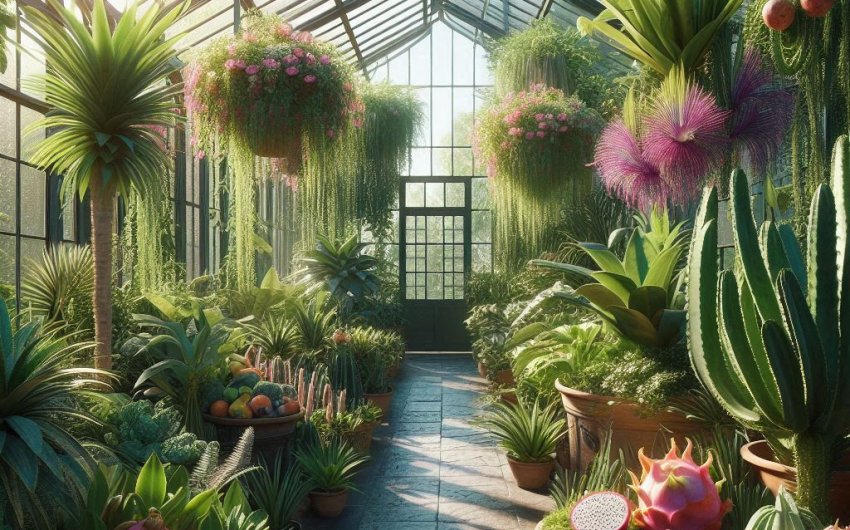
To grow exotic fruits in greenhouses year-round, you must create and maintain a consistent tropical or subtropical microclimate that provides optimal temperature, humidity, light, and ventilation. This involves precise control over environmental factors through heating, cooling, supplementary lighting, and proper irrigation systems, combined with selecting suitable dwarf or container-friendly fruit varieties.
Why Grow Exotic Fruits in Greenhouses Year-Round?
Growing exotic fruits in a greenhouse offers the unique opportunity to cultivate tropical and subtropical plants regardless of your local climate. This controlled environment allows you to enjoy fresh, unusual produce and the beauty of these plants throughout the year.
Access to Unique Fruits
- Beyond the Supermarket: Cultivate varieties rarely found in local grocery stores, like passion fruit, dragon fruit, or specific types of bananas and papayas.
- Optimal Ripening: Fruits ripen on the plant, ensuring superior flavor and quality compared to commercially shipped produce.
- Organic Control: You have full control over the growing conditions, allowing for organic cultivation without pesticides or harmful chemicals.
Year-Round Production
- Climate Control: A greenhouse bypasses unfavorable outdoor temperatures, frost, and high winds, creating a stable environment for continuous growth and fruiting.
- Extended Growing Seasons: Even if your climate allows some outdoor exotic fruit growth, a greenhouse extends the season significantly, often enabling multiple harvests.
- Aromatic Experience: Enjoy the fragrant blossoms and lush foliage of tropical plants, adding an exotic ambiance to your home, even in winter.
Protection from Pests and Diseases
- Controlled Environment: Greenhouses can offer a degree of protection from outdoor pests and airborne diseases, reducing the need for chemical interventions.
- Earlier Detection: Being able to closely monitor plants in a contained space makes early detection of issues easier.
Personal Fulfillment
- Rewarding Hobby: Successfully growing challenging exotic plants from seed to fruit is incredibly satisfying.
- Educational: Learn about plant physiology, climate control, and advanced gardening techniques.
What Greenhouse Type and Features are Essential for Exotic Fruits?
The success of growing exotic fruits year-round heavily relies on the type and setup of your greenhouse. You need a structure that can maintain stable conditions.
Greenhouse Type
- Heated Greenhouse: This is non-negotiable for year-round exotic fruit production in temperate or cold climates. The structure must be well-sealed to minimize heat loss.
- Sturdy Construction: Choose a greenhouse with a robust frame (aluminum or heavy-duty galvanized steel) that can withstand winds, snow loads (if applicable), and support the weight of mature fruiting plants and hanging baskets.
- Glazing Material:
- Polycarbonate: Excellent insulation, diffuses light well (reducing hot spots), highly durable against impacts, and generally more affordable than glass. Available in twin-wall or multi-wall for better insulation.
- Glass: Offers superior light transmission and clarity, creating a traditional look. However, it's more expensive, heavier, and more prone to breakage. Twin-pane glass improves insulation.
- Consider a heavy-duty polycarbonate greenhouse for optimal year-round performance.
Essential Features and Equipment
- Heating System:
- Electric Heaters: Good for smaller greenhouses or as supplemental heat. Ensure they are designed for greenhouse use (water-resistant).
- Propane/Natural Gas Heaters: More powerful for larger greenhouses, but require proper ventilation to prevent carbon monoxide buildup.
- Forced Air: Distributes heat evenly.
- Thermostat Control: Essential for maintaining precise temperature ranges.
- Ventilation System:
- Automatic Vents: Roof and side vents that open and close based on temperature are crucial for passive cooling and air circulation.
- Exhaust Fans: Large exhaust fans are necessary for active cooling during hot periods, especially in conjunction with intake vents.
- Circulation Fans: Small oscillating fans inside the greenhouse improve air movement, reduce stagnant air pockets, and help prevent fungal diseases.
- Cooling System:
- Shade Cloths: Essential for summer to reduce intense light and heat build-up, preventing plant scorching. Automatic shade systems are available.
- Evaporative Coolers (Swamp Coolers): Effective in dry climates for cooling and increasing humidity.
- Misting Systems: Increase humidity and provide some evaporative cooling.
- Humidity Control:
- Misting Nozzles/Systems: Can be automated to release fine mist at intervals.
- Humidifiers: For precise humidity control, especially during dry periods.
- Pebble Trays: For individual plants, placing pots on trays of pebbles filled with water.
- Lighting (Supplemental Grow Lights):
- Full-Spectrum LEDs: Energy-efficient and provide the necessary light spectrum for fruiting plants, especially during shorter winter days or cloudy periods.
- Light Timers: Crucial for providing consistent light cycles (e.g., 12-16 hours per day).
- A full-spectrum LED grow light is vital for year-round fruiting.
- Watering System:
- Hose/Watering Cans: Basic but effective for smaller operations.
- Drip Irrigation: Efficient and consistent for multiple plants, reducing water waste and fungal issues.
- Automated Timers: For consistent watering schedules.
- Thermometer/Hygrometer: Digital devices that monitor temperature and humidity are essential for precise control. Many offer minimum/maximum readings.
- Shelving/Staging: Sturdy benches and tiered shelving help organize plants, improve airflow, and make maintenance easier.
What Exotic Fruit Varieties Thrive in a Greenhouse?
Choosing the right fruit varieties is paramount. Look for dwarf, compact, or container-friendly cultivars.
Citrus (Lemons, Limes, Oranges, Mandarins, Kumquats)
- Ideal Climate: Subtropical, thrives with warmth, high light, and humidity.
- Greenhouse Suitability: Excellent. Many dwarf varieties are specifically bred for containers.
- Key Needs:
- Consistent Warmth: Avoid temperature fluctuations.
- High Light: Critical for sweet fruit. Supplemental light often needed.
- Humidity: Prone to spider mites in dry air.
- Hand Pollination: Usually required for fruit set indoors.
- A Meyer Lemon Tree for Sale is a popular, prolific choice.
Bananas (Dwarf Varieties like 'Dwarf Cavendish')
- Ideal Climate: Tropical, very warm, and humid.
- Greenhouse Suitability: Good for specific dwarf cultivars. Fast growers.
- Key Needs:
- Constant High Heat: Will stop growing below 60°F (15°C).
- Very High Humidity: Needs 80%+ humidity.
- Lots of Water: Requires frequent, heavy watering.
- Large Pots: Need ample root space.
- Tall Greenhouse: Even dwarf varieties grow quite large.
Papayas (Dwarf Varieties like 'Waimanalo')
- Ideal Climate: Tropical, warm, and very humid.
- Greenhouse Suitability: Possible, but need consistent conditions and can grow tall quickly.
- Key Needs:
- Warmth: Very sensitive to cold.
- High Light: Essential for fruit production.
- Well-Draining Soil: Prone to root rot.
- Space: Need head room.
Passion Fruit
- Ideal Climate: Tropical/Subtropical, prefers warmth.
- Greenhouse Suitability: Excellent. A vigorous vine that can be trained along greenhouse structures.
- Key Needs:
- Support: Needs a trellis or wires to climb.
- Regular Water/Fertilizer: Heavy feeders and drinkers when fruiting.
- Pollination: Hand pollination may be needed.
Guavas
- Ideal Climate: Tropical/Subtropical.
- Greenhouse Suitability: Very good. Many varieties are compact and prolific.
- Key Needs:
- Full Sun: Essential for good fruit.
- Watering: Consistent moisture.
- Pruning: Responds well to pruning to maintain size.
Figs (Dwarf Varieties)
- Ideal Climate: Temperate/Subtropical, some require a chill period.
- Greenhouse Suitability: Good. Can be grown in pots and brought indoors/heated greenhouse for winter.
- Key Needs:
- Sun: Lots of direct sun.
- Water: Regular watering during growing season.
- Dormancy: Some varieties require a cooler winter dormancy to fruit.
Others to Consider:
- Dragon Fruit (Pitaya): A climbing cactus, needs support, easy to grow, striking fruit.
- Pineapple: Grows well in pots, requires patience.
- Avocado (Dwarf Cultivars): Can be grown, but fruiting often takes many years and can be challenging.
How to Prepare Soil and Pots for Greenhouse Exotic Fruits?
The right foundation is crucial for healthy root development and overall plant vigor.
Potting Mix
- Well-Draining: This is the most critical factor. Exotic fruits, especially tropical ones, are highly susceptible to root rot in waterlogged soil.
- Slightly Acidic: Most exotic fruits prefer a slightly acidic to neutral pH (pH 6.0-7.0).
- Components:
- Pine bark fines: Provide excellent drainage and aeration.
- Peat moss or coco coir: For moisture retention.
- Perlite or coarse sand: Further improves drainage.
- Compost: For nutrients and organic matter.
- Avoid heavy garden soil, which compacts easily and retains too much moisture.
- Use a specialized citrus potting mix as a base, then amend for specific plants.
Pots
- Drainage Holes: Non-negotiable. Every pot must have ample drainage holes.
- Material:
- Terracotta/Clay Pots: Allow for better air circulation to the roots and help excess moisture evaporate faster, good for plants prone to root rot.
- Fabric Grow Bags: Offer excellent aeration and "air pruning" of roots, preventing circling. They also provide good drainage.
- Plastic Pots: Lighter and retain moisture longer, useful for plants that need consistent moisture.
- Size: Start with a pot only slightly larger than the root ball. Gradually repot to larger sizes as the plant grows, usually every 1-3 years. Avoid putting a small plant in a huge pot, as the excess soil can stay wet for too long.
- Consider fabric grow bags for efficient growth.
What is the Watering and Fertilizing Regimen for Greenhouse Exotic Fruits?
Consistent and appropriate watering and feeding are paramount for continuous growth and fruit production.
Watering
- Frequency: Varies greatly by plant type, pot size, temperature, and humidity. Check the soil moisture regularly by sticking your finger 2-3 inches deep.
- Thoroughness: When you water, water deeply until water drains from the bottom of the pot.
- Avoid Standing Water: Do not let pots sit in standing water. Empty saucers after 30 minutes.
- Seasonal Adjustment: Reduce watering in winter when growth slows and light levels are lower.
- Water Quality: If your tap water is very hard or heavily chlorinated, consider using filtered water or letting tap water sit out for 24 hours.
- Misting Systems: Helpful for increasing ambient humidity, but do not replace direct watering to the roots.
- An automated drip irrigation system can be a game-changer for consistency.
Fertilizing
Exotic fruits are generally heavy feeders, especially during active growth and fruiting periods.
- Specialized Fertilizers: Use fertilizers specifically formulated for fruit trees or citrus, often with a higher nitrogen content during vegetative growth and balanced NPK during flowering/fruiting. Ensure they contain essential micronutrients (iron, zinc, manganese).
- Application: Follow product instructions. Typically, fertilize every 2-4 weeks during spring, summer, and early fall. Reduce or stop fertilizing in winter during slower growth.
- Slow-Release Fertilizers: Can be a convenient option for sustained feeding.
- Foliar Feeds: Occasional misting with a diluted liquid fertilizer can provide quick nutrient boosts.
- A citrus tree fertilizer is suitable for many exotic fruits.
How to Manage Pollination, Pruning, and Pests in a Greenhouse?
These ongoing tasks are vital for plant health and successful fruit yield in a contained environment.
Pollination
- Hand Pollination: Most fruit trees in a greenhouse will require hand pollination as natural pollinators (bees, wind) are absent.
- Process: Use a small, soft paintbrush or cotton swab to gently transfer pollen from the anthers (male parts) to the pistil (female part) of the same flower or other flowers.
- Frequency: Repeat daily while flowers are open, ideally in the morning.
- Self-Fertile Varieties: Even self-fertile plants benefit from hand pollination to maximize fruit set.
Pruning and Training
- Purpose:
- Size Control: Crucial for keeping trees manageable in the limited greenhouse space.
- Shape: Maintain an open, airy structure for good light penetration and air circulation.
- Fruit Production: Encourage more fruit-bearing branches, remove unproductive wood, and balance the plant's energy.
- Health: Remove dead, diseased, or crossing branches.
- When to Prune: Best done after harvest or during the dormant season (if the plant has one). For continuously fruiting plants, prune lightly throughout the year as needed.
- Tools: Use clean, sharp bypass pruners.
- Training: Use stakes, ties, or trellises to support heavy fruit loads or train climbing vines.
Pest and Disease Management
A greenhouse environment can sometimes create ideal conditions for pests. Vigilance is key.
- Common Pests:
- Spider Mites: Thrive in dry, warm conditions. Increase humidity, use horticultural oil (neem oil), or insecticidal soap.
- Aphids: Cluster on new growth. Blast off with water, use insecticidal soap.
- Scale Insects: Look like raised bumps. Scrape off, use rubbing alcohol, or insecticidal soap.
- Mealybugs: White, cottony pests. Dab with alcohol, use insecticidal soap.
- Prevention:
- Inspection: Regularly inspect plants, especially undersides of leaves and new growth.
- Quarantine: Isolate new plants for a few weeks before introducing them to the greenhouse.
- Good Airflow: Use circulation fans to prevent stagnant air, which can encourage pests and fungal diseases.
- Cleanliness: Keep the greenhouse clean, removing dead leaves and debris.
- Organic Treatments: Start with less toxic options like neem oil, insecticidal soaps, or horticultural oils. Always follow label directions.
- A neem oil spray is a safe and effective general pest deterrent.
How to Manage Environmental Control Year-Round in a Greenhouse?
Maintaining stable conditions throughout the year is the biggest challenge and most important factor for success.
Temperature Management
- Heating (Winter):
- Set Thermostat: Maintain minimum temperatures appropriate for your chosen fruits (e.g., 55-60°F for subtropical, 65°F+ for tropical).
- Insulation: Ensure greenhouse is well-sealed. Consider bubble wrap insulation or thermal blankets for extra protection in very cold climates.
- Cooling (Summer):
- Ventilation: Automatic vents and exhaust fans are crucial to release hot air.
- Shade Cloths: Apply shade cloth (often 30-50% shade) during intense sun to reduce heat buildup and prevent leaf scorch.
- Evaporative Coolers/Misting: Can help reduce temperatures through evaporative cooling.
Humidity Management
- Increase Humidity:
- Misting Systems: Use automated misting nozzles.
- Humidifiers: For precise control.
- Wetting Floors: Misting the floor or paths can temporarily raise humidity.
- Pebble Trays: Place pots on trays with water and pebbles.
- Reduce Humidity (to prevent fungal issues):
- Good Ventilation: Crucial for moving humid air out.
- Circulation Fans: Prevents stagnant, humid pockets around plants.
- Vent During Day: Allow warm, humid air to escape during the day.
Light Management
- Winter Supplement: Provide adequate supplemental light using full-spectrum LED grow lights for 12-16 hours a day. Use a timer for consistency.
- Summer Protection: Use shade cloth to prevent scorching from intense summer sun.
- Clean Glazing: Keep greenhouse glazing clean to maximize natural light transmission.
Air Circulation
- Circulation Fans: Run oscillating fans inside the greenhouse 24/7 to mimic natural breezes. This strengthens stems, prevents stagnant air, and helps deter pests and fungal diseases.
Growing exotic fruits in greenhouses year-round is a dedicated but deeply rewarding endeavor. By meticulously controlling temperature, humidity, and light, selecting appropriate fruit varieties, and committing to ongoing care, you can transform your greenhouse into a thriving tropical oasis, providing you with delicious, homegrown exotic produce season after season.