
How can I speed up the composting process for faster results?
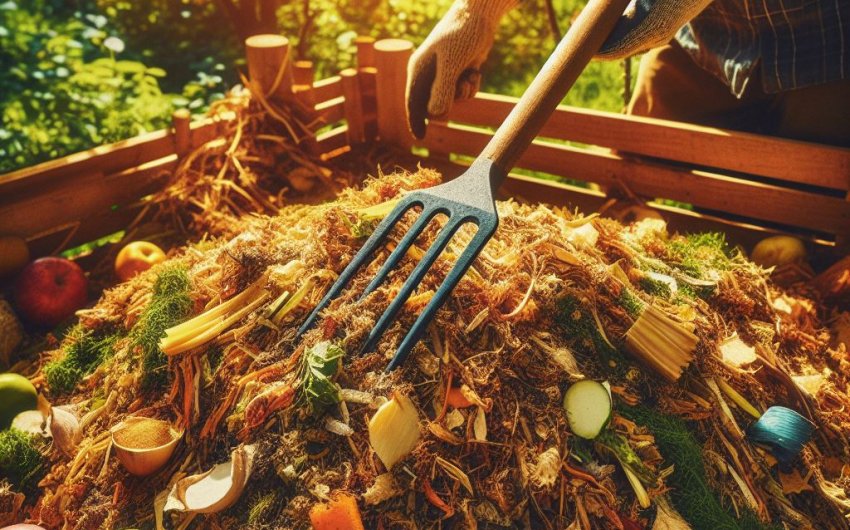
Transforming kitchen scraps and yard waste into nutrient-rich soil amendment doesn't have to be a slow process. If you're wondering how can I speed up the composting process for faster results, this guide provides actionable strategies. By optimizing the key elements of decomposition, you can significantly reduce the time it takes to produce valuable "black gold" for your garden, turning waste into a resource more quickly and efficiently.
What Are the Key Ingredients for Fast Composting?
To significantly speed up the composting process, you need to understand the fundamental elements that drive decomposition. Think of your compost pile as a thriving ecosystem where tiny microbes are doing all the hard work. Providing them with the right conditions and "food" is key for faster results.
The Right Mix of "Greens" and "Browns"
The balance between nitrogen-rich materials ("greens") and carbon-rich materials ("browns") is the single most important factor for a hot, fast-working compost pile. This is often referred to as the Carbon-to-Nitrogen (C:N) ratio.
- "Greens" (Nitrogen Source): These materials provide the protein and enzymes for microorganisms. They are often fresh, moist, and high in nitrogen.
- Examples: Fresh grass clippings, fruit and vegetable scraps, coffee grounds, tea bags, fresh manure (from herbivores like chickens, cows, rabbits), fresh plant trimmings.
- Role in Composting: Fuel for microbial growth, encourages heat.
- "Browns" (Carbon Source): These materials provide energy for the microbes and add bulk and structure to the pile, which helps with aeration. They are typically dry, woody, or fibrous.
- Examples: Dry leaves, shredded cardboard (non-glossy), shredded newspaper (black ink only), straw, wood chips, sawdust, dried corn stalks, dried plant stems.
- Role in Composting: Energy source, structural support for air pockets.
- The Ideal Ratio: Aim for roughly 25-30 parts carbon to 1 part nitrogen by weight. For practical home composting, a good rule of thumb is to use equal volumes of "greens" and "browns." For instance, a bucket of kitchen scraps (greens) mixed with a bucket of dry leaves (browns).
- Too Many Greens: Leads to a dense, slimy, smelly pile lacking oxygen (anaerobic). The microbes can't break down the material efficiently, and it will putrefy.
- Too Many Browns: Leads to a dry, slow, inactive pile because there isn't enough nitrogen to fuel microbial activity.
Optimal Moisture Level
Compost microbes need water to live and work. The pile should be moist like a wrung-out sponge – damp but not soggy.
- Importance: Water facilitates microbial activity and helps transport nutrients within the pile.
- Too Dry: Microbial activity slows down or stops entirely. The pile won't heat up.
- Fix: Add water slowly while turning the pile. A garden hose with a spray nozzle works well.
- Too Wet: Air pockets fill with water, leading to anaerobic conditions and a foul odor.
- Fix: Add more dry "brown" materials and turn the pile to introduce air.
- How to Check: Squeeze a handful of compost material. A few drops of water should drip out. If it gushes, it's too wet. If it crumbles and feels dry, it's too dry.
Adequate Aeration (Oxygen)
Composting is primarily an aerobic process, meaning it requires oxygen. Lack of oxygen is the main reason compost piles smell bad.
- Importance: Oxygen supports the "good" microbes that break down material efficiently without producing foul odors.
- Poor Aeration: Leads to anaerobic decomposition, which is slow and produces rotten-egg or ammonia smells.
- How to Achieve It:
- Turning: Regularly turning the pile is the most effective way to introduce oxygen.
- Structure: A good mix of browns provides structure and creates air pockets. Avoid overly dense materials.
- Bin Type: Open-sided bins (like pallet or wire mesh bins) provide more natural aeration than enclosed bins.
Sufficient Volume (Pile Size)
While you can compost in small amounts, a larger pile retains heat better, which is crucial for faster results.
- Minimum Size for Heat: A compost pile generally needs to be at least 3x3x3 feet (approximately one cubic yard) to generate and retain enough heat for "hot composting."
- Heat Benefits: High temperatures (120-160°F or 49-71°C) accelerate microbial activity, speed up decomposition, and can kill weed seeds and pathogens.
- Too Small: Small piles struggle to heat up and will break down more slowly (cold composting).
- Too Large: Can become difficult to turn and manage, potentially leading to anaerobic conditions in the center.
How Can I Prepare Materials for Faster Decomposition?
The size and type of materials you add to your compost pile significantly impact how quickly they break down. Smaller pieces mean more surface area for microbes to work on, leading to faster results.
Shred or Chop Materials
This is one of the most effective ways to speed up the composting process.
- Increased Surface Area: Microbes break down organic matter from the outside in. By shredding or chopping materials into smaller pieces, you dramatically increase the surface area available for microbial colonization and activity.
- Uniformity: Smaller pieces also create a more uniform pile, which helps maintain consistent moisture and aeration throughout.
- Methods:
- Kitchen Scraps: Chop fruit and vegetable scraps into 1-2 inch pieces before adding them.
- Yard Waste:
- Leaves: Run your lawn mower over fallen leaves to shred them. A leaf shredder can also work wonders.
- Twigs/Branches: Use a wood chipper or garden shredder for woody materials.
- Newspaper/Cardboard: Tear or shred these into small strips. A paper shredder makes this easy.
- Size Goal: Aim for pieces no larger than 1-2 inches for most materials. The smaller, the better for speed.
Avoid Large, Woody, or Tough Materials
Some materials break down very slowly in a home compost pile, hindering overall progress.
- Large Branches/Twigs: These take years to decompose. Either don't add them or run them through a wood chipper first.
- Pine Cones: Very slow to break down due to their dense, resinous nature.
- Citrus Rinds (in excess): While acceptable in small amounts, large quantities of citrus rinds can slow decomposition due to their acidity and tough texture.
- Avocado Pits: Very hard and slow to decompose.
- Tips: If you must add tough materials, ensure they are shredded or chopped into very small pieces. Consider a separate slower compost pile for very woody items.
Consider a Composting Method that Encourages Small Pieces
- Kitchen Compost Bins: Keep a small kitchen compost bin on your counter. Many people find they naturally chop scraps smaller when placing them in here.
- Tumblers: Many compost tumblers work best with smaller, more uniform pieces, as larger items can get stuck and prevent proper tumbling.
How Do I Manage My Compost Pile for Fast Results?
Active management of your compost pile is critical to achieve faster results and keep the decomposition process running at full throttle. This involves regular monitoring and interaction.
Turning Your Compost Pile Regularly
This is arguably the most important active step to speed up the composting process.
- Why Turn:
- Aeration: Turning introduces oxygen throughout the pile, which is vital for the aerobic bacteria that work fastest. Without oxygen, anaerobic decomposition occurs, which is slow and smelly.
- Mixing: It mixes the "greens" and "browns," distributing nutrients, moisture, and microbes evenly.
- Heat Distribution: Turning helps distribute the heat generated by microbial activity, ensuring all parts of the pile get hot.
- Breaks Down Lumps: Helps break apart clumps of material.
- Frequency:
- Hot Composting (Fastest): Turn every 2-3 days, especially when the pile is actively heating up (temperatures are high).
- Consistent Turning: Even once a week is a significant improvement over never turning.
- Tools: A specialized compost turning fork with angled tines or a heavy-duty pitchfork makes turning much easier. Some compost bins, like tumblers, are designed for easy turning.
Maintain Optimal Moisture Levels
Consistent moisture is crucial for microbial activity.
- Regular Checks: Check the moisture level of your pile every few days, especially if you're turning it.
- Add Water When Dry: If the pile feels dry and crumbly, add water while turning it. A garden hose with a spray nozzle works well. Water should dampen the materials but not leave the pile dripping or soggy.
- Add Browns When Wet: If the pile smells foul or feels slimy, it's too wet. Add more dry "brown" materials (like shredded dry leaves or cardboard) and turn to absorb excess moisture and introduce air.
- Cover the Pile (Optional): A compost bin lid or a tarp can help retain moisture in dry climates or during sunny periods, and prevent over-saturation during heavy rain.
Monitor Temperature
A "hot" compost pile is a fast compost pile. Monitoring its temperature gives you insight into microbial activity.
- Ideal Temperature: Aim for temperatures between 120-160°F (49-71°C) for fastest decomposition. These temperatures are hot enough to kill most weed seeds and pathogens.
- Compost Thermometer: Use a long-stemmed compost thermometer to check the internal temperature of your pile. Insert it deep into the center.
- Interpreting Temperatures:
- Low Temperature: If the temperature is consistently low, your pile might be too dry, lacking enough "greens," or not getting enough oxygen.
- High Temperature: A hot pile indicates robust microbial activity. When the temperature starts to drop after a hot period, it's a good sign it's time to turn the pile to re-aerate and reactivate the microbes.
Build the Pile in Batches (Instead of Continuous Addition)
While convenient for household waste, continuously adding new scraps to a single pile slows down the overall process.
- Batch Composting: For faster results, build a compost pile all at once with a balanced mix of materials, allowing it to heat up and decompose. Once that batch is cooking, start a new pile for fresh additions.
- Multiple Bins: This strategy works best with a multi-bin system (e.g., a two- or three-bin system built from pallets or wire mesh). You can have:
- Bin 1: For actively decomposing, hot compost.
- Bin 2: For fresh additions.
- Bin 3: For finished, curing compost.
Add "Compost Starters" or Activators (Use with Caution)
Some products claim to speed up the composting process, but they are often unnecessary if you have a good mix and proper management.
- Activators: These usually contain high-nitrogen materials (like alfalfa meal, blood meal) or a concentrated mix of beneficial microbes.
- How They Work: They provide a quick boost of nitrogen and/or microbes to kickstart decomposition, especially if your pile is struggling to heat up.
- Caution: If your pile already has a good balance of greens and browns, activators are usually not needed. Relying too heavily on them without proper management (moisture, aeration) won't make a difference.
- Natural Activators: A shovel full of finished compost or healthy garden soil can also act as a natural inoculant, introducing beneficial microbes to a new pile.
What Kind of Compost Bin Is Best for Faster Results?
The design of your DIY compost bin can play a role in how efficiently it functions and how quickly it produces finished compost. Some designs inherently lend themselves to faster results due to better aeration and ease of turning.
Open-Sided Bins (Wire Mesh or Pallet Bins)
These are excellent choices for speed due to their inherent aeration capabilities.
- Wire Mesh Bin:
- Pros: Maximum airflow from all sides, lightweight, inexpensive, easy to move for turning (you can lift the entire cage off the pile, turn the pile, then replace the cage).
- Cons: Materials can fall through large gaps, less insulation in cold weather.
- Best For: Active, hot composting where frequent turning is desired.
- Pallet Bin:
- Pros: Sturdy, good airflow through gaps in pallets, often free materials. Can be easily configured into multi-bin systems for batch composting.
- Cons: Can be heavy to move, may require more effort to turn than wire mesh.
- Best For: Mid-to-large sized piles, excellent for dedicated gardeners.
Compost Tumblers
These are self-contained rotating bins designed to make turning compost extremely easy and mess-free.
- Pros:
- Very Easy to Turn: Simply rotate the drum, no manual forking needed. This encourages frequent turning.
- Pest Control: Enclosed design deters rodents and other pests.
- Neat and Tidy: No exposed compost pile.
- Good Heat Retention: The enclosed nature can help retain heat.
- Cons:
- Cost: More expensive than DIY bins. A good compost tumbler is an investment.
- Batch Size: Generally smaller capacity than open bins, often better for kitchen scraps than large volumes of yard waste.
- Moisture Management: Can sometimes become too wet or too dry if not monitored carefully, as airflow is more limited than open bins.
- Best For: Gardeners who prioritize ease of turning, pest deterrence, and a tidy appearance, especially for composting kitchen waste.
Continuous-Flow Composters (Earth Machine Style)
These are typically upright, enclosed bins with a removable door at the bottom for harvesting finished compost.
- Pros:
- Continuous Production: You can keep adding new materials to the top and harvest finished compost from the bottom.
- Contained: Good for pest control and tidiness.
- Cons:
- Slower Decomposition: Less efficient at generating heat and less practical for regular turning compared to open bins or tumblers. Decomposition is often slower and more uneven.
- Can Become Anaerobic: If not managed carefully with proper layering and some manual agitation, they can become compacted and oxygen-deprived.
- Best For: Gardeners who prefer a more passive, continuous composting method and are less concerned about achieving super-fast results.
Trench Composting (Not a Bin, but a Method)
This is a very simple method where organic materials are buried directly in a trench in the garden.
- Pros: Extremely simple, hides waste, directly enriches garden soil.
- Cons: Very slow decomposition (cold composting), can't monitor or manage the process, attracts burrowing animals if not buried deep enough.
- Best For: A very hands-off approach for those with extra garden space, not for fast results.
To truly speed up the composting process for faster results, focus on making your pile a welcoming environment for microbes. By correctly balancing "greens" and "browns," ensuring adequate moisture and plenty of oxygen through regular turning, and ideally maintaining a sufficient pile size, you can significantly reduce the time it takes to create nutrient-rich compost for your garden.