
Are Spanish Peanuts Nutritious?
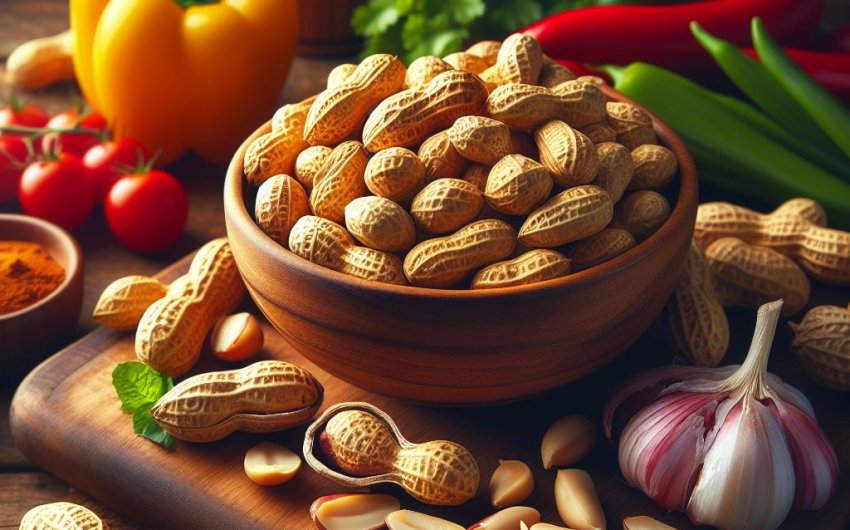
We all love a good snack, right? And when it comes to munching, peanuts are a classic. But have you ever stopped to think about those smaller, often reddish-skinned ones known as Spanish peanuts? Are they just a tasty treat, or do they pack a nutritional punch? Let's dive in and find out if Spanish peanuts are truly nutritious and what makes them special.
What Exactly Are Spanish Peanuts?
Before we get into their nutritional value, let's clear up what Spanish peanuts are. They're not from Spain, despite the name! They're actually one of the four main types of peanuts grown in the United States, along with Runner, Virginia, and Valencia peanuts.
Spanish peanuts are known for their smaller size and a slightly reddish-brown skin that often stays on even after roasting. They have a higher oil content compared to other varieties, which gives them a distinct, nutty flavor when roasted. This makes them super popular for things like peanut butter, peanut candy, and just good old snacking.
They're often found in mixes, or you might see them roasted and salted in a jar or bag. Think of your favorite trail mix – chances are, those smaller, crunchier peanuts are Spanish peanuts. They're also the go-to for many confectionery (candy-making) uses because of their rich flavor and how well they roast.
So, when we talk about the nutrition of Spanish peanuts, we're generally talking about this specific variety, often in its roasted form, which is how most people enjoy them.
Are Spanish Peanuts a Good Source of Protein?
Let's talk about protein! Protein is super important for our bodies. It's like the building blocks for muscles, skin, hair, and pretty much everything else. It also helps us feel full and satisfied after eating. So, are Spanish peanuts a good way to get your protein? You bet they are!
Peanuts, including the Spanish variety, are considered an excellent plant-based protein source. A typical serving (about a quarter cup or a small handful) can give you a significant amount of protein. This makes them a fantastic snack for vegetarians and vegans, or anyone looking to add more plant protein to their diet.
Think about it: instead of reaching for processed snacks, grabbing a handful of Spanish peanuts can provide that much-needed protein boost. This helps to keep your energy steady and prevents those annoying hunger pangs that make you reach for unhealthy options.
Many athletes and active individuals also turn to peanuts for their protein content. It's a convenient and tasty way to support muscle recovery and growth. Whether you're hitting the gym or just need a sustained energy release throughout your day, the protein in Spanish peanuts can be really helpful.
And it's not just about the amount of protein. Peanuts contain a good range of amino acids, which are the smaller units that make up protein. While they aren't a "complete protein" (meaning they don't have all nine essential amino acids in sufficient quantities on their own), combining them with other plant-based protein sources throughout your day (like grains or legumes) can easily help you meet your needs. For example, a classic peanut butter sandwich combines peanut protein with the protein from whole wheat bread, creating a more complete amino acid profile.
So, if you're looking for a natural, tasty, and easy way to increase your protein intake, Spanish peanuts are definitely worth considering. You can find them in bulk or as roasted Spanish peanuts in various sizes to fit your snacking needs.
Do Spanish Peanuts Offer Healthy Fats?
When people hear "fats," they sometimes think it's a bad thing. But not all fats are created equal! Our bodies need healthy fats for energy, to absorb vitamins, and to protect our organs. So, do Spanish peanuts have these good fats? Yes, they do!
Spanish peanuts are rich in monounsaturated fats and polyunsaturated fats. These are often called "good fats" because they can help lower bad cholesterol levels and reduce the risk of heart disease. Think of these fats as being heart-friendly.
- Monounsaturated fats (like those found in olive oil and avocados) are great for your heart.
- Polyunsaturated fats (like those found in walnuts and fish) include omega-6 fatty acids. While we need both omega-3 and omega-6, the key is to have a good balance. Peanuts contribute to your omega-6 intake.
Because Spanish peanuts have a higher oil content than other peanut types, they really stand out in the fat department. This high oil content is what gives them that rich flavor when roasted, and it also means they're a concentrated source of these healthy fats.
However, because they are higher in fat, they are also higher in calories. This isn't a bad thing, as calories provide energy. But it means portion control is important, especially if you're watching your weight. A small handful gives you a good amount of energy and nutrients without going overboard.
The fats in Spanish peanuts also help you feel full. This is known as satiety. When you eat foods with healthy fats and protein, it takes longer for your stomach to empty, meaning you feel satisfied for a longer time. This can prevent you from overeating or reaching for less healthy snacks later on.
So, while they are calorie-dense, the fats in Spanish peanuts are mostly the good kind. They contribute to heart health and help with satiety, making them a valuable part of a balanced diet when consumed in moderation. You might even find Spanish peanut oil for cooking, which is another way to incorporate these beneficial fats into your diet.
What Vitamins and Minerals Are in Spanish Peanuts?
Beyond protein and fats, Spanish peanuts are little powerhouses of vitamins and minerals that our bodies need to work properly. They might be small, but they're mighty when it comes to micronutrients!
Let's break down some of the key vitamins and minerals you can find in these tasty legumes.
Vitamin E
Vitamin E is a powerful antioxidant. What's an antioxidant? Think of it as a bodyguard for your cells. It helps protect your cells from damage caused by harmful molecules called free radicals. This protection can contribute to healthier skin, eyes, and a stronger immune system. Spanish peanuts are a good source of Vitamin E, especially when eaten with their skin on, as some of the antioxidants are concentrated there.
B Vitamins
Spanish peanuts are particularly rich in several B vitamins, which are essential for turning food into energy and for proper nerve function.
- Niacin (Vitamin B3): This B vitamin is crucial for digestion, nerve function, and skin health. It also plays a role in energy production. Peanuts are one of the best plant sources of niacin.
- Folate (Vitamin B9): Folate is very important for cell growth and development. It's especially vital during pregnancy for proper fetal development.
- Thiamine (Vitamin B1): Thiamine helps your body convert carbohydrates into energy. It's also important for muscle contraction and nerve signals.
- Riboflavin (Vitamin B2): Riboflavin helps with energy production and cell function.
- Pyridoxine (Vitamin B6): Vitamin B6 is involved in over 100 enzyme reactions in the body, including those that make protein and produce neurotransmitters (brain chemicals).
Getting enough B vitamins from your diet helps ensure your body has the energy it needs and that your nervous system is functioning optimally.
Magnesium
Magnesium is a mineral involved in over 300 biochemical reactions in the body. It helps with muscle and nerve function, blood sugar control, and blood pressure regulation. It's also important for building protein, bone, and DNA. Many people don't get enough magnesium, so munching on Spanish peanuts can help you meet your daily requirements.
Phosphorus
Phosphorus works with calcium to build strong bones and teeth. It also plays a role in how the body uses carbohydrates and fats and is needed for the growth, maintenance, and repair of all cells and tissues.
Zinc
Zinc is a mineral that plays a vital role in your immune system, wound healing, and DNA synthesis. It's also important for taste and smell. While peanuts contain zinc, it's generally recommended to get zinc from a variety of sources.
Copper
Copper is another essential trace mineral. It helps your body make red blood cells, keeps nerve cells and your immune system healthy, and aids in the formation of collagen, a protein that helps make up bones and connective tissue.
Manganese
Manganese is involved in bone formation, blood clotting, and reducing inflammation. It also helps with the metabolism of fats and carbohydrates.
So, as you can see, Spanish peanuts are more than just a tasty snack. They provide a wide array of essential vitamins and minerals that contribute to overall health and well-being. Keeping some roasted Spanish peanuts on hand can be a great way to boost your micronutrient intake.
Do Spanish Peanuts Contain Antioxidants and Other Beneficial Compounds?
We've talked about vitamins and minerals, but Spanish peanuts also offer other compounds that are good for you, specifically antioxidants. Remember how we said Vitamin E is an antioxidant? Well, there are more!
Resveratrol
This is a compound that often gets a lot of buzz, especially when talking about red wine. But guess what? Peanuts, including the Spanish variety, also contain resveratrol. This powerful antioxidant is being studied for its potential benefits in heart health, brain health, and even anti-aging properties. While the amounts in peanuts might not be as high as in red wine, it's still a beneficial addition to your diet. The presence of resveratrol in Spanish peanuts adds to their health-promoting profile.
Phytosterols
Phytosterols are plant compounds that are similar in structure to cholesterol. They can actually help block the absorption of cholesterol in your gut, which can lead to lower LDL (bad) cholesterol levels. This makes Spanish peanuts another ally in promoting heart health. They contribute to a heart-healthy diet by offering these natural cholesterol-lowering compounds.
Phenolic Acids and Flavonoids
Peanuts contain various phenolic acids and flavonoids, which are types of polyphenols. These compounds are known for their strong antioxidant activity. They help protect your cells from damage and reduce inflammation in the body. The combination of these different antioxidants makes Spanish peanuts a valuable food for fighting off cellular stress.
Many of these antioxidants are concentrated in the reddish skin of the Spanish peanut. This is why some health experts recommend eating peanuts with their skin on, even though some people prefer to remove it. When you buy Spanish peanuts that are often sold with their skins on (like blanched Spanish peanuts that still have some skin remnants, or simply roasted ones), you're getting the full benefit of these compounds.
These antioxidants and other beneficial compounds work together to support overall health. They contribute to reducing inflammation, protecting cells, and potentially lowering the risk of chronic diseases. So, beyond the basic nutrients, Spanish peanuts offer a little extra health boost from these specialized compounds.
Are There Any Downsides or Things to Be Aware Of?
While Spanish peanuts are packed with good stuff, it's also important to be aware of a few things. No food is perfect for everyone in all situations, and understanding the potential downsides helps you make smart choices.
Calories and Portion Control
As mentioned earlier, peanuts are calorie-dense. This means a small serving contains a good amount of calories because of their healthy fat content. While these are good calories, if you eat too many, it can lead to consuming more calories than you need, which could result in weight gain.
- The solution: Portion control is key. A typical serving size for peanuts is about a quarter cup, or roughly a small handful (around 28-30 grams). It's easy to mindlessly munch on peanuts, so try to measure out your serving or buy pre-portioned packs to stay on track. This ensures you get the nutritional benefits without overdoing the calories.
Omega-6 Fatty Acids
Peanuts are higher in omega-6 fatty acids compared to omega-3 fatty acids. While both are essential, a diet that has too much omega-6 and not enough omega-3 can sometimes lead to inflammation in the body.
- The solution: The goal isn't to avoid omega-6s, but to ensure a balanced intake of both. Include foods rich in omega-3s in your diet, such as fatty fish (salmon, mackerel), flaxseeds, chia seeds, and walnuts. Eating a varied diet helps keep these fatty acids in balance.
Sodium Content (in Salted Varieties)
Many Spanish peanuts are sold roasted and salted. While a little salt is fine, too much sodium can contribute to high blood pressure for some people.
- The solution: If you're watching your sodium intake, look for unsalted Spanish peanuts or lightly salted Spanish peanuts. You can also roast your own raw Spanish peanuts at home and control the amount of salt you add. Many brands offer unsalted Spanish peanuts for a healthier option.
Aflatoxins
This is a more serious concern, but it's largely managed by food safety regulations. Aflatoxins are toxic compounds produced by certain molds that can grow on crops like peanuts if they are stored in warm, humid conditions. High levels of aflatoxins can be harmful to health over time.
- The solution: Reputable peanut growers and processors have strict controls in place to minimize aflatoxin contamination. They regularly test their products to ensure they meet safety standards. Always buy peanuts from trusted brands and store them properly (in a cool, dry place) to prevent mold growth at home.
Antinutrients
Peanuts, like many legumes and grains, contain compounds called antinutrients (such as phytic acid and tannins). These can sometimes reduce the absorption of certain minerals.
- The solution: For most people eating a varied diet, antinutrients are not a significant concern. Soaking, roasting, and sprouting can reduce the levels of these compounds, but for ready-to-eat Spanish peanuts, their overall nutritional benefits generally outweigh the minimal impact of antinutrients.
Allergies
This is the most crucial downside: peanut allergies are common and can be severe, even life-threatening for some individuals. If you have a peanut allergy, you must avoid peanuts and peanut products entirely.
- The solution: If you or someone you're serving has a peanut allergy, always check food labels carefully and be aware of cross-contamination in food preparation.
So, while Spanish peanuts are indeed nutritious, being mindful of portion sizes, sodium content, and understanding the rare but serious issue of aflatoxins (which is largely handled by industry standards) helps you enjoy them safely and healthily.
How Can You Incorporate Spanish Peanuts into Your Diet?
Now that we know Spanish peanuts are nutritious, how can you actually eat more of them in your daily life? They're super versatile and can be added to many meals and snacks.
Snacking
This is the most obvious and perhaps the most popular way to enjoy Spanish peanuts.
- As a stand-alone snack: Grab a small handful when you need an energy boost between meals. They're crunchy and satisfying. Keeping a bag of roasted and salted Spanish peanuts is perfect for this.
- Homemade trail mix: Combine Spanish peanuts with dried fruit, seeds (like pumpkin or sunflower seeds), and a few whole-grain pretzels or dark chocolate chips for a custom trail mix.
- Energy bites: Blend Spanish peanuts (or peanut butter) with oats, dates, and other ingredients to make no-bake energy bites.
In Meals
Don't just limit peanuts to snacks! They can add flavor, texture, and nutrition to your main dishes.
- Stir-fries: Add a sprinkle of chopped Spanish peanuts to your favorite chicken, tofu, or vegetable stir-fry for extra crunch and flavor. They work especially well in Asian-inspired dishes.
- Salads: Sprinkle them over green salads, noodle salads, or even grain bowls. They provide a nice contrast to soft greens and vegetables.
- Oatmeal or yogurt topping: For breakfast, add a handful of chopped Spanish peanuts to your oatmeal or yogurt along with some fruit for a satisfying start to your day.
- Curries and Stews: Peanuts can be used as a thickener or a topping in some curries and stews, particularly in African or Southeast Asian cuisine.
- Crusted Fish or Chicken: Coarsely chop Spanish peanuts and use them as a crunchy coating for baked or pan-fried fish or chicken.
Peanut Butter
While not always made exclusively from Spanish peanuts, many peanut butter brands use a blend that includes them, or you can find Spanish peanut butter specifically.
- Classic sandwich: The timeless peanut butter and jelly sandwich!
- Smoothies: Add a spoonful of peanut butter to your fruit or veggie smoothie for extra protein and healthy fats.
- Dips: Use peanut butter as a base for savory dips (like a satay sauce for skewers or raw vegetables) or sweet dips (for apples or bananas). You can explore options like natural peanut butter for less added sugar and oil.
Baking and Desserts
Spanish peanuts are fantastic in baked goods and desserts due to their rich flavor.
- Cookies and brownies: Add chopped Spanish peanuts to cookie dough, brownie batter, or even muffins for a nutty twist.
- Candy and confections: This is where Spanish peanuts truly shine due to their higher oil content and intense flavor. Think peanut brittle, peanut clusters, or chocolate-covered peanuts. Many homemade candy recipes call specifically for Spanish peanuts.
- Ice cream topping: Sprinkle them over a scoop of your favorite ice cream.
When buying Spanish peanuts, you'll often see them available as raw Spanish peanuts, which you can roast yourself, or already roasted and salted. For the most versatile and healthiest options, buying unsalted versions allows you to control the sodium. No matter how you choose to eat them, Spanish peanuts are a delicious and nutritious addition to your diet.
How Do Spanish Peanuts Compare to Other Peanut Types?
You might be wondering, if there are four main types of peanuts, how do Spanish peanuts stack up against the others nutritionally? While all peanuts share many similar health benefits, there are some subtle differences.
The four main types are:
- Runner Peanuts: These are the most common type used for peanut butter in the U.S. They have a uniform size, which is great for roasting evenly.
- Virginia Peanuts: These are the largest peanut type, often called "ballpark peanuts" because they're great for roasting in their shells.
- Valencia Peanuts: These usually have three or more kernels per shell and are very sweet. They are often boiled or used for natural peanut butter.
- Spanish Peanuts: Our focus! Smaller, reddish skins, higher oil content, and a distinct nutty flavor when roasted.
Nutritional Similarities Across All Peanut Types
Generally speaking, all types of peanuts are:
- Good sources of plant-based protein.
- Rich in healthy monounsaturated and polyunsaturated fats.
- Packed with vitamins and minerals, including B vitamins (especially niacin and folate), Vitamin E, magnesium, phosphorus, zinc, copper, and manganese.
- Contain beneficial antioxidants like resveratrol, phytosterols, and polyphenols.
- Good sources of fiber, which helps with digestion and satiety.
So, no matter which type of peanut you pick, you're generally getting a very nutritious food.
Key Differences for Spanish Peanuts
The main differentiating factor for Spanish peanuts is their higher oil content.
- Flavor: This higher oil content contributes to their distinct, rich, and nutty flavor, especially after roasting. This is why they are favored in many candies and as a roasted snack.
- Texture: They tend to be a bit crunchier than other peanut types when roasted, which is appealing for snacking and in mixes.
- Antioxidants (Skin): As we discussed, the reddish skin of Spanish peanuts is rich in antioxidants. Since Spanish peanuts are often eaten with their skins on (or with bits of skin remaining even in blanched versions), you might be getting a slightly higher concentration of these beneficial compounds compared to varieties where the skin is more often removed (like some blanched Runner peanuts used for peanut butter).
From a pure nutritional data standpoint (grams of protein, fat, vitamins, etc.), the differences between Spanish peanuts and other peanut types are often quite small, within a similar range per serving. The choice usually comes down to preference for flavor, texture, and how they're used.
For example, if you're making a big batch of peanut butter and want a smooth consistency, Runner peanuts might be preferred due to their uniform size and lower oil content allowing for a less oily grind. But if you want a really flavorful, rich, and slightly chunkier peanut butter, or if you're making peanut brittle, Spanish peanuts might be your go-to.
Ultimately, all peanut varieties are nutritious. The specific choice of Spanish peanuts often comes down to their superior flavor and crunch for specific applications, rather than a significant nutritional advantage over other types. Just make sure to choose unsalted roasted Spanish peanuts if you're watching your sodium intake!
The Fiber Factor: Are Spanish Peanuts Good for Digestion?
Let's talk about fiber! Fiber is a super important part of a healthy diet, even though our bodies don't digest it. It helps keep our digestive system running smoothly and offers a bunch of other health benefits. So, do Spanish peanuts contribute to your fiber intake? Yes, they do!
Spanish peanuts are a good source of dietary fiber. A typical serving provides a decent amount, which can help you meet your daily recommended fiber intake.
Why is Fiber So Important?
- Digestive Health: Fiber adds bulk to your stool, which helps food move through your digestive system more easily. This can prevent constipation and promote regularity. It's like a broom for your gut, sweeping things along!
- Satiety and Weight Management: Foods high in fiber tend to make you feel fuller for longer. This is because fiber slows down digestion. When you feel full, you're less likely to overeat or snack on unhealthy foods, which can be helpful if you're trying to manage your weight.
- Blood Sugar Control: Fiber helps to slow down the absorption of sugar into your bloodstream. This can prevent sharp spikes in blood sugar levels after meals, which is particularly beneficial for people with diabetes or those trying to manage their blood sugar.
- Cholesterol Levels: Some types of fiber (soluble fiber) can help lower bad (LDL) cholesterol levels. While peanuts contain both soluble and insoluble fiber, their overall fiber content contributes to heart health.
- Gut Microbiome Health: Fiber acts as food for the beneficial bacteria in your gut. A healthy gut microbiome (the community of bacteria in your intestines) is linked to many aspects of health, including immune function and even mood.
Because Spanish peanuts are often eaten with their reddish skin on, you might get even more fiber. The skin of peanuts contains additional fiber and antioxidants. So, choosing Spanish peanuts that are sold with their skins still on can be a slightly more beneficial option.
Adding Spanish peanuts to your diet is an easy and tasty way to boost your fiber intake. Whether you sprinkle them on your salad, add them to your oatmeal, or just enjoy a handful as a snack, you're helping your digestive system stay happy and healthy. Remember to drink plenty of water when increasing your fiber intake to help everything move smoothly.
Can Spanish Peanuts Support Heart Health?
We've touched on this a few times, but let's really focus on it: are Spanish peanuts good for your heart? The answer is a resounding yes! They contain several elements that contribute to a healthy cardiovascular system.
Healthy Fats
The most significant contribution of Spanish peanuts to heart health comes from their fat profile. They are rich in:
- Monounsaturated Fats: These fats are known to help lower LDL ("bad") cholesterol levels while potentially raising HDL ("good") cholesterol levels. This balance is crucial for preventing plaque buildup in your arteries.
- Polyunsaturated Fats: These also contribute to lowering bad cholesterol and are essential for various bodily functions. As mentioned, they provide omega-6 fatty acids. While balancing with omega-3s is important, the overall impact of healthy fats in peanuts is positive for the heart.
By replacing sources of unhealthy fats (like saturated and trans fats found in many processed foods) with the healthy fats from Spanish peanuts, you can significantly benefit your heart.
Phytosterols
Remember these compounds? Phytosterols are plant sterols that have a similar chemical structure to cholesterol. When you consume phytosterols, they compete with cholesterol for absorption in your digestive system. This means less dietary cholesterol gets absorbed into your bloodstream, which can lead to lower overall cholesterol levels, including LDL cholesterol. This makes Spanish peanuts a natural food to consider for managing cholesterol.
Fiber
The fiber in Spanish peanuts also plays a role in heart health. Soluble fiber can help reduce the absorption of cholesterol and contribute to lower blood pressure. Insoluble fiber helps keep your digestive system regular, which indirectly supports overall well-being.
Antioxidants
The various antioxidants present in Spanish peanuts, such as Vitamin E, resveratrol, and other polyphenols, help protect your cells, including those in your blood vessels, from oxidative damage. This damage, caused by free radicals, can contribute to the development of heart disease. By neutralizing these free radicals, antioxidants help keep your arteries healthy and flexible.
Magnesium
This vital mineral found in Spanish peanuts contributes to maintaining a healthy heart rhythm and blood pressure levels. Adequate magnesium intake is associated with a lower risk of heart disease and stroke.
Other Minerals and Vitamins
Other minerals like potassium (though not as high as some other foods, it's still present) and B vitamins also support heart health by helping with nerve function, energy metabolism, and blood vessel health.
It's important to remember that for optimal heart health, Spanish peanuts should be part of an overall balanced diet rich in fruits, vegetables, whole grains, and lean proteins, and low in processed foods, unhealthy fats, and excessive sodium. Choosing unsalted Spanish peanuts is always the best choice for heart health to avoid excess sodium. But as a component of a healthy lifestyle, Spanish peanuts are definitely a heart-friendly snack!
How Do Spanish Peanuts Help with Energy Levels?
Feeling tired? Need a pick-me-up that lasts? Spanish peanuts can be a great natural energy booster. They provide a combination of nutrients that help keep your energy levels steady and sustained throughout the day.
Protein for Sustained Energy
We've talked about protein being the building block for muscles, but it's also key for energy. Unlike simple sugars that give you a quick burst followed by a crash, protein takes longer to digest. This means the energy it provides is released slowly and steadily, helping to prevent those annoying energy slumps. When you eat Spanish peanuts, the protein helps you feel satisfied and energized for a longer period.
Healthy Fats for Fuel
The healthy fats in Spanish peanuts are another major source of sustained energy. Fats are the most concentrated form of energy, providing more calories per gram than carbohydrates or proteins. When these fats are the "good" kind (monounsaturated and polyunsaturated), they provide efficient fuel for your body without the downsides of unhealthy fats. This is why a small handful of peanuts can feel surprisingly filling and energizing.
Complex Carbohydrates
While peanuts are primarily known for their protein and fats, they do contain some complex carbohydrates and fiber. Complex carbohydrates are also a good source of sustained energy, as they are broken down slowly into glucose (sugar) that your body uses for fuel. The fiber helps to regulate this process, ensuring a steady release of energy rather than a sudden spike.
B Vitamins for Energy Metabolism
Remember those B vitamins we discussed earlier – niacin, thiamine, riboflavin, pyridoxine, and folate? They are absolutely crucial for energy metabolism. These vitamins act as coenzymes, helping your body convert the food you eat (carbohydrates, fats, and proteins) into usable energy. Without enough B vitamins, your body can't efficiently turn fuel into power, leading to feelings of fatigue. Since Spanish peanuts are rich in several of these B vitamins, they directly support your body's ability to produce energy.
Magnesium for ATP Production
Magnesium is another mineral that's a silent hero when it comes to energy. It's involved in the production of ATP (adenosine triphosphate), which is the primary energy currency of your cells. Think of ATP as the tiny batteries that power everything your body does. Adequate magnesium ensures your ATP production is efficient, preventing fatigue and muscle weakness.
So, when you combine the protein, healthy fats, complex carbohydrates, and the essential B vitamins and magnesium found in Spanish peanuts, you get a powerful, natural package for boosting and maintaining your energy levels. This makes them a smart choice for a mid-afternoon snack, a pre-workout boost, or just whenever you need to feel more alert and ready to go. Keeping some bulk Spanish peanuts on hand can be a great way to ensure you always have a nutritious energy source.