
What Are Some Tips for Maximizing Yield with Spanish Peanuts?
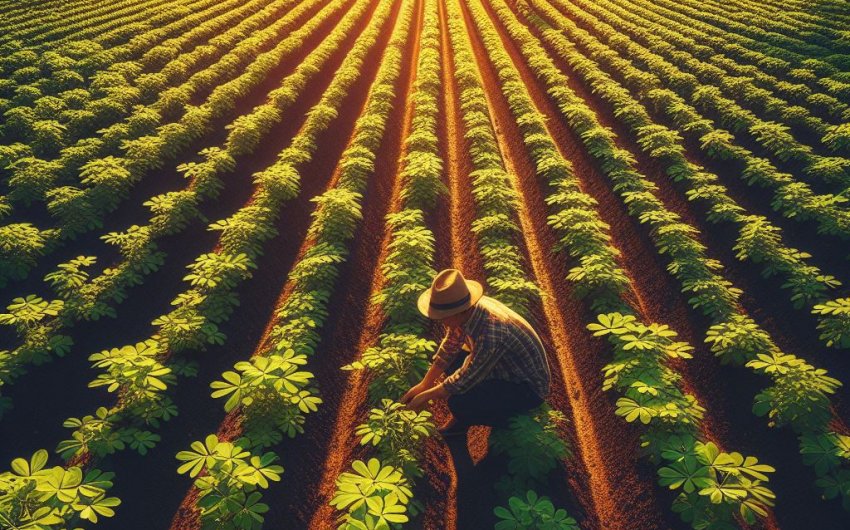
For home gardeners aiming for a bountiful harvest, understanding tips for maximizing yield with Spanish peanuts is a rewarding endeavor. These beloved legumes, known for their smaller, rounder kernels and papery red skins, offer a distinct flavor and excellent oil content. While growing peanuts might seem challenging, paying close attention to their specific cultural needs, from planting to harvesting, can significantly increase your production and bring the satisfaction of homegrown peanuts to your table.
What Are Spanish Peanuts and Why Grow Them?
Before diving into cultivation tips, it's helpful to understand what distinguishes Spanish peanuts from other varieties and why they are a good choice for the home garden.
Defining Spanish Peanuts
Spanish peanuts are a specific variety of Arachis hypogaea, the common peanut. They are characterized by their smaller, rounder kernels and distinctive reddish-brown papery skin. Compared to larger Virginia or Runner peanuts, Spanish varieties typically have a higher oil content, which contributes to their rich flavor and makes them excellent for making peanut butter, confections, and roasted snacks. They also tend to mature more quickly than other types, making them suitable for regions with shorter growing seasons. Their compact growth habit is also beneficial for gardeners with limited space.
Why Grow Spanish Peanuts in Your Garden?
Cultivating your own Spanish peanuts offers several compelling reasons:
Unique Flavor and Culinary Versatility
Homegrown Spanish peanuts often boast a superior, fresher flavor compared to store-bought options. Their higher oil content lends them a richer, nuttier taste that is particularly noticeable when roasted or used in homemade peanut butter. Their culinary versatility is immense; they can be enjoyed raw, roasted, boiled, or incorporated into various dishes, from savory curries to sweet treats. Having a fresh supply opens up new culinary possibilities.
Fun and Educational for All Ages
Growing peanuts is a unique and fascinating experience, particularly for children. Watching the peanut "pegs" (flower stems that bury themselves in the soil to form pods) is an intriguing natural phenomenon. It's a great educational activity that teaches about plant life cycles, subterranean growth, and sustainable food production. The excitement of digging up your own peanuts at harvest time is truly rewarding.
Nitrogen Fixers: Benefiting Your Soil
Like other legumes, peanut plants are nitrogen fixers. This means they have a symbiotic relationship with beneficial bacteria in their root nodules that convert atmospheric nitrogen into a form usable by plants. This process enriches the soil with nitrogen, a vital nutrient for plant growth. As a result, growing peanuts can actually improve the fertility of your garden soil, benefiting subsequent crops without the need for additional nitrogen fertilizers. This makes them excellent for crop rotation.
A Relatively Low-Maintenance Crop (Once Established)
While peanuts have specific needs, once they are properly established and growing, they are relatively low-maintenance. They are generally quite drought-tolerant once their root systems are well-developed, reducing watering demands compared to some other garden vegetables. They also tend to have fewer serious pest or disease issues than more sensitive crops, making them a good choice for gardeners seeking a less demanding, yet high-yielding, plant.
What Are the Optimal Growing Conditions for Spanish Peanuts?
To maximize the yield of your Spanish peanuts, providing the ideal growing conditions is paramount. These plants have specific preferences that, when met, lead to robust growth and abundant pods.
Full Sun Exposure: Essential for Pod Development
Full sun exposure is non-negotiable for Spanish peanuts. They require at least 8 hours of direct sunlight per day, and ideally more, to produce a healthy crop. Sunlight is crucial for photosynthesis, which provides the energy for the plant to grow, flower, and develop its underground pods. A lack of sufficient sun will result in sparse flowering and a significantly reduced yield. Choose the sunniest spot in your garden for planting.
Well-Drained, Loose, Sandy Loam Soil: Where Pods Form Best
The type of soil is perhaps the most critical factor for successful peanut cultivation. Peanuts are unique because their fruit (the peanut pod) develops underground.
- Loose and Sandy: They need loose, sandy loam soil that allows the "pegs" (the developing ovaries from the flowers) to easily penetrate the ground and the pods to develop without obstruction. Heavy clay soils will prevent the pegs from burying themselves and can lead to malformed or rotten pods.
- Well-Drained: While they need consistent moisture, peanuts absolutely require well-drained soil. Soggy conditions lead to root rot and fungal diseases, which can decimate a crop.
- pH Level: Spanish peanuts prefer a slightly acidic to neutral soil pH, ideally between 6.0 and 6.5. If your soil is too alkaline, you can amend it with elemental sulfur or peat moss to lower the pH. If it's too acidic, add garden lime. A Soil pH Meter can help you determine your soil's pH.
- Amending Soil: If you have heavy clay soil, extensively amend it with generous amounts of sand (play sand or builder's sand, not beach sand) and compost or other organic matter to improve its texture and drainage. Raised beds filled with a suitable sandy loam mix are an excellent option for peanut cultivation if your native soil isn't ideal.
Warm Temperatures: A Long Growing Season Requirement
Peanuts are a warm-season crop and require a long growing season with consistently warm temperatures.
- Ideal Temperature Range: They thrive when daytime temperatures are consistently between 70-90°F (21-32°C).
- Frost-Free Period: Spanish peanuts typically need a minimum of 100-120 frost-free days to mature, with some varieties needing slightly more. Plant them after all danger of frost has passed and the soil has warmed up significantly.
- Heat Units: The more heat units they receive, the better they will produce. For regions with shorter summers, selecting early-maturing Spanish varieties is crucial. Using black plastic mulch can help warm the soil earlier in spring and maintain consistent soil temperatures during the summer, benefiting peanut growth and potentially extending the effective growing season. A roll of Black Plastic Mulch can significantly boost performance.
Consistent Moisture (Especially During Pegging and Pod Development)
While peanuts are relatively drought-tolerant once established, consistent moisture is vital for maximizing yield, particularly during key growth stages.
- Germination and Early Growth: Keep the soil consistently moist (but not waterlogged) during germination and when plants are young.
- Flowering and Pegging: This is a critical period. Once plants start to flower (small yellow, pea-like flowers appear), the pegs will soon follow. These are tiny, pointed stalks that emerge from the faded flowers and grow downwards, burying themselves in the soil. Consistent moisture during pegging is essential for these pegs to successfully penetrate the ground.
- Pod Development: Once the pegs are underground, the actual peanut pods begin to form. Maintaining even soil moisture throughout the pod development stage is crucial for plump, well-filled nuts. Inconsistent watering or drought stress during this period can lead to malformed, hollow, or poorly filled pods, significantly reducing your yield.
- Reduced Watering Before Harvest: As harvest approaches, usually 1-2 weeks before digging, you can gradually reduce watering to allow the pods to dry slightly, which can aid in the curing process and prevent mold.
- Watering Method: Drip irrigation or soaker hoses are ideal as they deliver water directly to the root zone, minimizing evaporation and keeping foliage dry, which can help prevent fungal diseases. A Soaker Hose Kit works well for peanut rows.
What Planting Techniques Maximize Spanish Peanut Yield?
The way you plant your Spanish peanuts can have a direct impact on how many pods they produce. Proper spacing, careful seed selection, and appropriate timing are essential.
1. Starting from Raw, Unshelled Peanuts
For optimal germination and yield, always plant raw, unshelled (in-shell) peanuts specifically sold as "raw peanuts for planting" or "seed peanuts" from a reputable seed supplier.
- Avoid Roasted Peanuts: Roasted or boiled peanuts are not viable and will not germinate.
- Why Unshelled? Keeping them in their shells until just before planting helps protect the delicate seeds inside.
- Source: Purchase your seed peanuts from a garden center or online seed retailer, like Peanut Seeds for Planting.
2. Proper Timing: Warm Soil is Key
Planting at the right time ensures the warm soil temperatures peanuts need for successful germination and early growth.
- After Last Frost: Do not plant until all danger of frost has completely passed in your area.
- Soil Temperature: The most important indicator is soil temperature. It should be consistently at least 65°F (18°C), and ideally closer to 70°F (21°C), at a depth of 4 inches. You can check this with a Soil Thermometer. Planting in cold soil can lead to poor germination, stunted growth, or seed rot. This usually means late spring or early summer, depending on your climate.
3. Careful Seed Preparation and Planting Depth
While you can plant whole pods, carefully shelling the seeds just before planting often yields better results.
- Shell Just Before Planting: Gently crack open the shells and remove the individual kernels just before you're ready to plant. Do not shell them too far in advance, as exposure to air can reduce viability.
- Planting Depth: Plant seeds about 1-2 inches deep in the prepared soil.
- Spacing:
- In-Ground: For Spanish peanuts, space individual seeds about 6 inches apart in rows that are 24-36 inches apart. This gives plants enough room to bush out and for the pegs to penetrate the soil without overcrowding.
- Raised Beds/Intensive: In raised beds, you can often plant a bit closer, around 4-6 inches apart in a grid pattern, if the soil is exceptionally loose and fertile.
- Watering: After planting, water the area thoroughly but gently to settle the soil around the seeds.
4. Direct Sowing vs. Starting Indoors (and why direct is usually better)
- Direct Sowing: For most home gardeners, direct sowing is the preferred and most successful method for peanuts. They do not transplant well due to their taproot, and disturbing them can set them back significantly, impacting yield. The ideal warm soil conditions for germination also align well with their outdoor growing needs.
- Starting Indoors (Limited Cases): If you live in a region with a very short growing season (e.g., USDA Zone 5 or northern Zone 6), you might consider starting peanuts indoors 3-4 weeks before the last frost. If you do, use peat pots, toilet paper tubes, or other biodegradable pots that can be planted directly into the ground without disturbing the roots. Keep them warm and in bright light. This method carries risks of transplant shock and may not yield significantly better results than waiting for warmer soil for direct sowing.
What Ongoing Care Maximizes Spanish Peanut Yield?
Once your Spanish peanuts are in the ground and growing, strategic ongoing care can significantly boost your final harvest.
1. Consistent Watering: Especially During Critical Stages
As highlighted earlier, consistent watering is vital, particularly during flowering, pegging, and pod development.
- Deep and Regular: Aim for deep, consistent watering, ensuring the soil remains evenly moist but never soggy. Check the soil frequently with your finger, especially during dry spells.
- Reduce Before Harvest: About 1-2 weeks before harvest (when the foliage starts to yellow), reduce watering to allow the pods to begin drying, which aids in the curing process.
2. Hilling or Mounding: Crucial for Pod Formation
This is a unique and essential step for maximizing peanut yield. Unlike other plants where hilling is done for root crops (like potatoes) or to support stems, for peanuts, hilling (or mounding) soil around the base of the plant is done specifically to encourage the peanut "pegs" to enter the soil more easily.
- When to Hill: Once the peanut plant starts to flower (typically 30-40 days after planting) and you see the small yellow flowers, begin the hilling process. The pegs will emerge from the faded flowers.
- How to Hill: Gently mound loose, well-drained soil or sandy compost around the base of the plant, covering the lower stems by about 2-4 inches. Be careful not to bury the entire plant, just the area where the pegs will emerge and penetrate. This provides a soft, easy medium for the pegs to grow into and form pods. Repeat this process as the plant grows and produces more flowers/pegs.
- Why it Works: This ensures that more pegs successfully bury themselves, leading to a higher number of developing peanuts per plant.
3. Weeding: Minimizing Competition
Weeds compete with your peanut plants for vital water, nutrients, and sunlight, directly impacting your yield.
- Shallow Cultivation: Because peanut pegs grow just beneath the surface, shallow cultivation is crucial. Avoid deep weeding with hoes, especially after flowering begins, as you risk damaging the delicate pegs and developing pods.
- Hand-Weeding: The best method for weeding around peanuts is gentle hand-weeding. Remove weeds when they are small and the soil is moist.
- Mulching: A layer of straw mulch or pine needles (if your soil can handle slight acidity) can help suppress weeds and conserve soil moisture. Keep mulch away from the immediate crown of the plant to allow pegs to penetrate freely.
4. Fertilization: Balance is Key (Especially Calcium)
While peanuts are nitrogen fixers, they still need other nutrients, particularly calcium.
- No High-Nitrogen Fertilizer: Avoid high-nitrogen fertilizers, as excess nitrogen will promote leafy growth at the expense of pod production. Remember, the plant can fix its own nitrogen.
- Calcium for Pod Development: Calcium is vital for the proper formation and filling of peanut pods. If your soil is deficient in calcium, the pods may be "pops" (empty or poorly filled) even if pegs successfully buried.
- Calcium Sources: You can amend your soil with gypsum (calcium sulfate) or crushed eggshells at planting time or when hilling. For a quick boost, a liquid calcium supplement can be applied as a foliar spray once flowering begins. A Garden Gypsum product can be mixed into the soil.
- Phosphorus and Potassium: A balanced, low-nitrogen fertilizer that includes phosphorus and potassium can be beneficial in early growth, but prioritize calcium once flowering begins.
5. Pest and Disease Management: Vigilance is Needed
While generally resilient, Spanish peanuts can still be affected by certain pests and diseases.
- Common Pests:
- Aphids: Small sap-sucking insects. Can be dislodged with a strong spray of water or treated with insecticidal soap.
- Spider Mites: Tiny arachnids that cause stippling on leaves, especially in hot, dry conditions. Increase humidity, spray with water, or use insecticidal soap.
- Cutworms: Larvae that sever young seedlings at the soil line. Use cardboard collars around new plants.
- Rodents (Squirrels, Mice): These can be a major issue, digging up planted seeds or mature peanuts. Physical barriers or trapping may be necessary closer to harvest.
- Common Diseases:
- Leaf Spot: Fungal diseases causing dark spots on leaves. Ensure good air circulation, avoid overhead watering, and remove affected leaves.
- Southern Blight: A soil-borne fungus causing stem rot. Good drainage and crop rotation are preventative.
- Prevention: The best defense is a healthy plant in optimal growing conditions. Good air circulation, proper watering (avoiding wet foliage), and healthy soil will go a long way. Practice crop rotation by not planting peanuts (or other legumes) in the same spot year after year to reduce disease buildup.
How Do You Harvest and Cure Spanish Peanuts for Best Yield?
The harvest and curing process are just as crucial as growing for maximizing your edible yield and ensuring your Spanish peanuts store well.
1. Knowing When to Harvest
Timing the harvest correctly is essential for optimal flavor and yield.
- Maturity Signs: Spanish peanuts typically take 100-120 days from planting to maturity, depending on the variety and growing conditions. Look for these signs:
- Foliage Yellowing: The leaves will start to yellow, and the plant will begin to look less vigorous.
- Peanut Pop Test: Carefully dig up a few sample pods. Break them open. The shells should be firm and relatively thick, and the kernels inside should be plump and well-developed, with the distinctive reddish skin. If the kernels are shriveled or the shells are soft, they need more time.
- Before Frost: Harvest before the first hard frost, as frost can damage the nuts and compromise their quality.
2. The Digging Process
Harvesting peanuts is literally a "digging for gold" experience.
- Moisten Soil (Optional): If the soil is very dry, a light watering a day or two before harvest can make digging easier.
- Loosen Soil: Use a garden fork or spade to carefully loosen the soil around the entire peanut plant. Be gentle, as the pods are attached to the roots and you don't want to snap them off.
- Lift the Plant: Once the soil is loose, gently lift the entire plant from the ground. Many pods will be clinging to the roots.
- Shake Off Excess Soil: Gently shake off as much excess soil as possible from the roots and pods. A Garden Fork is ideal for this.
3. The Curing Process: Essential for Storage and Flavor
Curing is a critical step that dries the peanuts, develops their flavor, and prepares them for long-term storage. Do NOT skip this step.
- Immediate Curing: As soon as the plants are dug up, they need to begin the curing process.
- Outdoor Initial Drying: If the weather is dry and sunny, you can leave the entire plants (with pods attached) in a single layer on top of the soil for 2-3 days. This allows some initial drying. If rain is expected, move them indoors immediately.
- Hanging/Air Drying: After initial drying, move the plants to a dry, warm, and well-ventilated area, such as a shed, garage, or even indoors if you have space. Hang the entire plants upside down or lay them out on screens or wire racks, ensuring good air circulation around all the pods. A Mesh Drying Rack can work well.
- Duration: This curing process typically takes 2-4 weeks, depending on humidity and temperature. The goal is to reduce the moisture content of the peanuts to about 10%.
- Signs of Cured Peanuts: The leaves and stems will be completely dry and brittle. The peanut shells will feel dry and hard, and the kernels inside will be fully formed and taste sweet and nutty. Shaking a pod should produce a rattling sound.
4. Storing Your Harvested Peanuts
Once fully cured, your Spanish peanuts are ready for storage.
- Shell or Store In-Shell: You can store them in their shells or shell them. In-shell peanuts generally store longer.
- Airtight Containers: Store cured peanuts in airtight containers (like glass jars or plastic containers) in a cool, dry place.
- Refrigeration/Freezing: For even longer storage, place shelled peanuts in airtight containers in the refrigerator or freezer. Freezing can keep them fresh for up to a year or more.
- Roasting: For best flavor, roast your cured Spanish peanuts before eating. Spread them in a single layer on a baking sheet and roast at 300-350°F (150-175°C) for 15-20 minutes, stirring occasionally, until golden brown and fragrant.
By implementing these strategies, you can confidently cultivate a successful crop and truly maximize yield with Spanish peanuts, enjoying the fruits of your labor for months to come.