
How Long Does It Take for Spanish Peanuts to Mature?
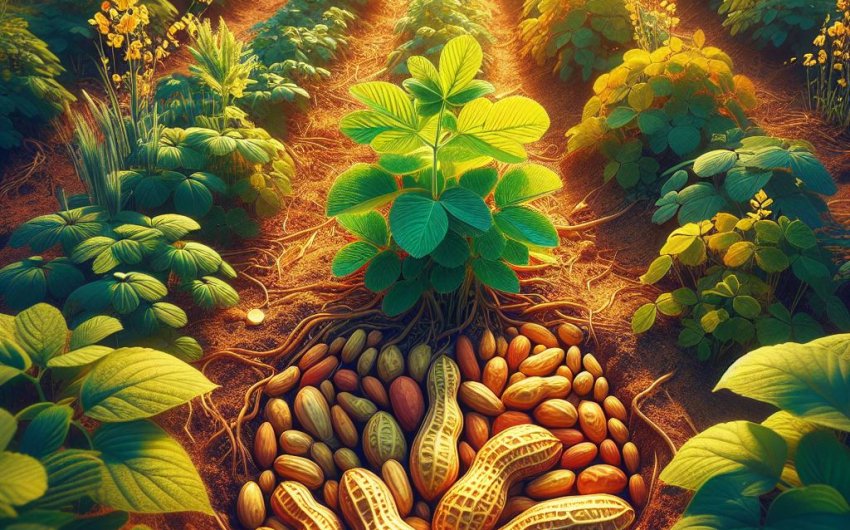
Growing your own Spanish peanuts can be a truly rewarding experience, especially when you get to harvest those nutty, delicious pods. However, unlike many garden vegetables that grow above ground, peanuts develop hidden beneath the soil. This makes knowing exactly when they're ready to pick a bit of a mystery for new growers. Understanding the growing cycle and maturity period is key to a successful harvest.
Spanish peanuts are a popular type, known for their smaller kernels, reddish-brown skins, and high oil content, which makes them great for peanut butter. They're also relatively quick to mature compared to some other peanut varieties. Still, patience and observation are crucial for hitting that sweet spot between underripe and overripe.
Let's dig into the details of how long it takes for Spanish peanuts to mature and what factors influence their growth.
How Long Do Spanish Peanuts Take to Grow and Mature?
Spanish peanuts are known for being one of the quicker-maturing peanut varieties, which makes them a good choice for home gardeners, especially in regions with a slightly shorter growing season. On average, it takes about 100 to 120 days from the time you plant the seeds to when they are ready for harvest.
This period, roughly three to four months, covers the entire lifecycle of the peanut plant, from sprouting to the development of mature, ready-to-eat pods underground. However, several factors can influence this timeline, making it slightly shorter or longer.
Days to Maturity (Average Range)
The range of 100-120 days is a general guideline. Some specific Spanish peanut varieties might be on the shorter end, maturing in as little as 90-100 days, while others might take closer to 110-120 days. Always check the seed packet of the specific variety you are growing, as it will usually list the estimated "days to maturity" for that particular type. For instance, the 'Dixie Spanish' peanut variety is often cited as maturing in about 100-110 days. You can find Spanish peanut seeds from various seed suppliers online.
From Seed to Bloom
After planting, Spanish peanut seeds typically germinate (sprout) within 7 to 14 days, given warm soil temperatures. The plant will then grow into a bushy green plant, usually reaching about 1-2 feet tall and wide. Around 30 to 40 days after planting, the peanut plant will begin to produce small, yellow, pea-like flowers. These flowers are crucial because they lead to the development of the peanuts.
From Bloom to "Pegging"
Once pollinated, the peanut flower withers, and a fascinating process called "pegging" begins. A unique, sharp, peg-like structure, also called a "peg", emerges from where the flower was. This peg elongates and bends downwards, pushing into the soil. This usually starts happening around 40-60 days after planting, once flowering is well underway.
From Pegging to Mature Pods
This is the longest and most critical part of the growth cycle for the actual peanuts. Once the peg has successfully buried itself in the soil, the peanut pod (the shell) and the kernels (the peanuts inside) begin to form and mature underground. This underground development typically takes another 60 to 80 days from the time the pegs enter the soil. During this period, the plant needs consistent warmth, sunlight, and moisture for the pods to properly fill out. This is also when the unique flavor and oil content develop.
So, while the entire process from planting to harvest takes 3-4 months, remember that the actual peanut development happens over a significant portion of that time, entirely out of sight beneath the soil.
What Environmental Factors Affect Spanish Peanut Maturity?
While Spanish peanuts typically mature in 100-120 days, several environmental factors play a crucial role in how quickly and successfully they reach their peak. Providing the right conditions is key to a good harvest.
1. Soil Temperature
Soil temperature is perhaps the most important factor for peanut growth. Peanuts are warm-season crops and absolutely love heat.
- Planting: For optimal germination and early growth, the soil temperature should consistently be at least 65°F (18°C), ideally closer to 70-75°F (21-24°C). Planting too early in cold soil will lead to poor germination, slow growth, and potentially rotting seeds. You can use a soil thermometer to check this before planting.
- Pegging and Pod Development: Warm soil is essential for the pegs to successfully penetrate the soil and for the pods to develop properly underground. Cooler soil temperatures during this phase can slow down maturity significantly or result in smaller, underdeveloped peanuts.
2. Sunlight
Like all plants, peanuts need plenty of sunlight for photosynthesis, which is how they create energy to grow.
- Full Sun: Spanish peanuts require at least 6-8 hours of direct sunlight per day, preferably more. A spot with full, unobstructed sun exposure throughout the day is ideal.
- Impact: Insufficient sunlight will lead to weak plants, fewer flowers, and ultimately, a reduced number of pegs and smaller, fewer peanuts. It can also prolong the maturity period.
3. Water and Moisture Levels
Consistent moisture is vital for peanut growth, especially during flowering and pegging.
- Consistent Watering: Peanuts need consistent, even moisture. They don't like to be waterlogged, but they also don't like to dry out completely, particularly when the pegs are trying to enter the soil and the pods are forming.
- Critical Periods: The periods from flowering through pegging and into pod development are crucial for water. Irregular watering or drought during these times can lead to reduced yields, shriveled kernels, or even complete crop failure.
- Drainage: While consistent moisture is important, well-draining soil is equally important to prevent root rot. Heavy clay soils that retain too much water can be problematic. A soil with good organic matter and a sandy loam texture is often ideal for peanuts.
- You can use a soil moisture meter to help you gauge when to water.
4. Soil Type and Nutrition
The type of soil and its nutrient content directly impact plant health and peanut development.
- Loose, Sandy Loam Soil: Peanuts thrive in loose, well-draining, sandy loam soil. This type of soil allows the pegs to easily penetrate and the pods to expand without obstruction. Heavy, compacted clay soil can make it difficult for pegs to enter and for pods to develop properly, leading to distorted or underdeveloped nuts.
- pH Level: Peanuts prefer a slightly acidic to neutral soil pH, ideally between 5.9 and 6.5. A soil test kit can help you determine your soil's pH and nutrient levels.
- Nutrients: While peanuts are legumes (meaning they can fix their own nitrogen from the air once nitrogen-fixing bacteria are established in their roots), they still need other nutrients like phosphorus and potassium. Avoid excessive nitrogen fertilizer, which can promote leafy growth at the expense of nut production.
By providing consistent warmth, abundant sunlight, appropriate moisture, and the right soil conditions, you can significantly help your Spanish peanuts reach their full maturity within their expected timeframe and produce a bountiful harvest.
How Do You Know When Spanish Peanuts Are Ready for Harvest?
Since Spanish peanuts develop underground, knowing when they are truly ready for harvest can be a bit tricky. Unlike an apple that you can see change color, you can't just look at the plant to tell if the nuts are mature. However, there are several key signs that indicate your peanuts are ripe and ready to be dug up.
1. Yellowing and Dropping Leaves
This is one of the most reliable visual cues above ground. As peanut plants approach maturity, their foliage will begin to turn yellow and gradually start to wither or die back. Some lower leaves might even start to drop off. This is a natural sign that the plant is putting all its remaining energy into ripening the underground pods.
- Observation: Start observing your plants closely around the 90-day mark after planting. The yellowing will usually begin with the lower leaves and work its way up the plant. Don't worry if it's not a uniform yellow across all leaves at once.
2. Inner Hull Color
This is the most definitive test, but it requires sacrificing a few plants.
- The "Dig and Check" Method: About 90-100 days after planting (or when you start seeing significant leaf yellowing), gently dig up one or two peanut plants from different parts of your patch.
- Inspect the Hulls: Carefully remove a few pods from the dug-up plants. Crack open the pods and look at the inner lining of the hull (the shell).
- Immature: If the inner hull is bright white, the peanuts are still immature. The kernels inside might be small, shriveled, or watery.
- Mature: For Spanish peanuts, a sign of maturity is when the inner hull has started to change color from white to a darker shade – usually a tan, brown, or even blackish color. This indicates that the kernels inside are fully developed, firm, and have reached their peak flavor and oil content.
- Repeat if Necessary: If the inner hulls are still white, wait another 5-7 days and check another plant or two. Don't rush this step; harvesting too early means smaller, less flavorful peanuts.
3. Kernel Development
While checking the inner hull color, also inspect the peanut kernels themselves.
- Fullness: Mature kernels should look plump and fill out the entire pod. They shouldn't be shriveled or have a lot of empty space inside the shell.
- Color: The reddish-brown skin of Spanish peanuts should be well-formed and easy to peel off the kernel once roasted.
- Firmness: The raw kernels should feel firm, not soft or mushy.
4. Readiness Before First Frost
In many regions, the timing of harvest for Spanish peanuts is also dictated by the first anticipated frost. Peanuts are highly sensitive to cold.
- Harvest Before Frost: You must harvest your peanuts before the first hard frost hits your area. A frost will damage the plants and can compromise the quality of the nuts in the ground.
- Ideal Timing: Aim to harvest when the majority of your plants show leaf yellowing and the inner hull test confirms maturity, ensuring you beat the cold weather.
By combining the visual cues from the plant (yellowing leaves) with the decisive "inner hull color" test, you can confidently determine the optimal time to harvest your Spanish peanuts for the best yield and quality.
How to Harvest and Cure Spanish Peanuts for Storage?
Once your Spanish peanuts are mature, the process of harvesting and especially curing them correctly is vital for good flavor, preventing mold, and ensuring they store well. Don't skip these steps!
1. Harvesting the Peanuts
Harvesting peanuts is a bit like digging up potatoes, but you need to be careful with the delicate pods.
- Timing is Key: As discussed, wait until the inner hulls are tan to brown/black and leaves are yellowing. Aim to harvest on a dry, sunny day, if possible.
- Loosen the Soil: Gently loosen the soil around the base of the peanut plant using a garden fork or spade. Be careful not to stab or damage the pegs and pods underground.
- Pull Up the Plant: Once the soil is loose, carefully pull the entire peanut plant out of the ground by its base. Many pods will still be attached to the roots.
- Shake Off Excess Soil: Gently shake the plant to remove most of the loose soil clinging to the pods. Don't wash them at this stage, as moisture can encourage mold during curing.
- Initial Drying (Optional but Recommended): In some areas, especially where humidity is high, people let the whole plants (with pods still attached) sit upside down in the field for a day or two in the sun. This helps them dry a bit initially and continues the curing process before hanging.
2. Curing (Drying) the Peanuts
Curing is the most crucial step for long-term storage and developing full flavor. It reduces the moisture content of the peanuts. Rushing this step will result in moldy peanuts or poor flavor.
- The "Upside Down" Method: The traditional and most effective way to cure peanuts is to hang the entire plants (with pods still attached to the roots) upside down in a warm, dry, well-ventilated area.
- Ideal Location:
- A shed or garage with good airflow.
- A covered porch or patio, protected from rain and direct sun.
- Avoid damp basements or areas with high humidity.
- Setup: You can hang them from rafters, clotheslines, or even sturdy branches if they are in a protected spot. Ensure there is good air circulation around each plant. You might need some garden twine or bungee cords to hang them.
- Curing Time: This process usually takes about 2 to 4 weeks. The exact time depends on the humidity, temperature, and airflow in your curing area.
- Signs of Curing: The leaves and stems will become completely dry and brittle. The pods should feel dry and hard to the touch, and the kernels inside should rattle when you shake the pod. If they feel soft or moist, they need more curing time.
3. Removing the Peanuts from the Plants (Threshing)
Once fully cured, it's time to separate the peanuts from the plants.
- Hand Picking: For home gardeners, simply pick the individual pods off the dried plants by hand. Be gentle so you don't crush the pods.
- Discarding Bad Pods: Discard any pods that look moldy, shriveled, or significantly damaged.
4. Final Drying and Storage
Even after curing, the peanuts still contain some moisture. A final drying step ensures long-term storage.
- Shell Drying: Spread the harvested, in-shell peanuts in a single layer on screens or trays in a warm, dry area for an additional 1 to 2 weeks. This allows any remaining moisture in the shells and kernels to dissipate.
- Storage: Once completely dry (they should feel light and the kernels should rattle crisply), store the in-shell Spanish peanuts in mesh bags, burlap sacks, or breathable containers (like a fabric storage bin) in a cool, dry place. Avoid airtight containers, which can trap moisture and lead to mold. Properly cured and stored, they can last for several months.
- Freezing: For even longer storage, you can freeze shelled or unshelled peanuts.
By carefully following these harvesting and curing steps, you'll ensure your homegrown Spanish peanuts are delicious, safe, and ready for all your culinary adventures.