
What Are Some Companion Plants for Spanish Peanuts?
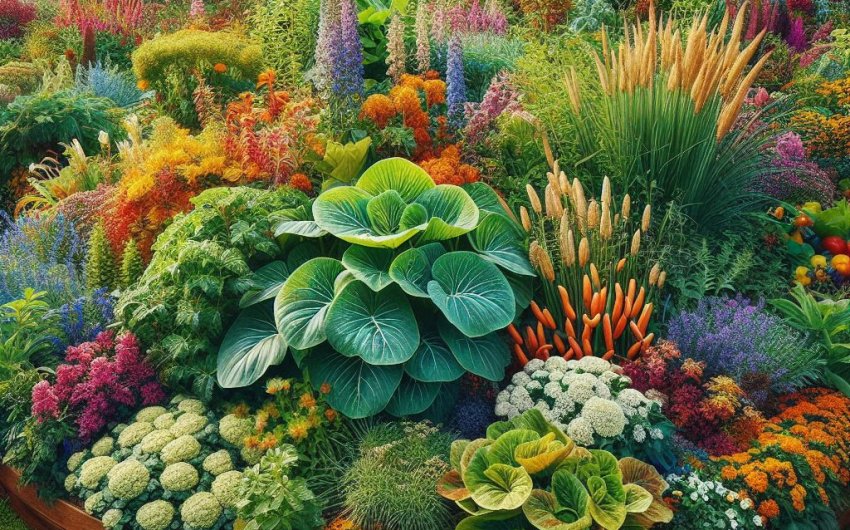
Cultivating your own Spanish peanuts can be an incredibly rewarding venture, leading to delicious, homegrown nuts perfect for snacking or culinary creations. However, gardening is rarely about growing just one thing in isolation. Just as in nature, plants often thrive when grown in community, forming beneficial relationships that help deter pests, attract helpful insects, or even improve soil quality. This practice is known as companion planting.
Companion plants for Spanish peanuts can significantly enhance your harvest by creating a more balanced and resilient garden ecosystem. While peanuts are unique in their underground pod development, they still benefit from strategic partnerships. Imagine plants that naturally keep away common peanut pests, or those that improve the very soil structure that peanuts need for proper pegging. From providing shade to fixing nitrogen in the soil, certain plants can work synergistically with your peanuts, leading to healthier plants and a more abundant yield. This guide will explore the best allies for your Spanish peanuts, helping you create a thriving and harmonious garden plot.
Why is Companion Planting Important for Spanish Peanuts?
Companion planting is a strategy where you grow different types of plants close to each other because they offer mutual benefits. For Spanish peanuts, this practice is important for several reasons, helping to create a healthier and more productive garden without relying heavily on chemicals.
First, peanuts are legumes, meaning they have a special ability to "fix" nitrogen in the soil. This is a huge benefit to nearby plants that need nitrogen to grow well. By planting specific companions, you can make the most of this natural process, enriching the soil for everyone.
Second, companion plants can help with pest control. Some plants naturally repel insects that might otherwise damage your Spanish peanuts, while others attract beneficial insects that prey on harmful pests. This reduces the need for chemical sprays.
Third, certain companion plants can improve the soil structure around your peanuts, making it easier for the peanut's unique "pegs" to penetrate the ground and form nuts. They can also help suppress weeds or provide beneficial shade. By understanding these synergistic relationships, you can create a more balanced and resilient garden, leading to a more abundant harvest of your homegrown Spanish peanuts.
Nitrogen Fixation and Soil Enrichment
One of the most significant reasons companion planting is important for Spanish peanuts is due to nitrogen fixation and soil enrichment. Peanuts are legumes, a type of plant that has a unique superpower in the garden.
On the roots of peanut plants, there are tiny nodules that host special bacteria called Rhizobia. These bacteria take nitrogen gas from the air and convert it into a form that plants can readily use in the soil (a process called nitrogen fixation). This is incredibly beneficial because nitrogen is a key nutrient needed for healthy plant growth, especially for green leafy parts.
- Benefit to Peanuts: While peanuts fix their own nitrogen, having healthy Rhizobia bacteria is still crucial for their own growth.
- Benefit to Companions: More importantly, as the peanut plant grows and eventually dies back, some of this fixed nitrogen becomes available in the soil. Other plants growing nearby can then use this nitrogen, reducing their need for added nitrogen fertilizers. This enriches the soil naturally over time.
By understanding this nitrogen-fixing ability, you can strategically pair Spanish peanuts with companion plants that are "heavy feeders" (plants that need a lot of nitrogen), creating a more sustainable and fertile garden ecosystem.
Natural Pest Deterrence
A major benefit of companion planting for Spanish peanuts is natural pest deterrence. Instead of reaching for chemical sprays, certain companion plants can act as a living shield, discouraging common pests that might otherwise target your peanut crop.
Some plants release scents or chemicals from their roots or leaves that pests find unpleasant. For example, some aromatic herbs can confuse pests, making it harder for them to locate the Spanish peanuts. Other plants might act as "trap crops," attracting pests away from your main crop, sacrificing themselves to protect your peanuts.
By strategically placing these pest-repelling or distracting plants around your peanut patch, you create a more resilient garden ecosystem. This reduces pest damage, helps maintain the health of your peanut plants, and lessens your reliance on artificial interventions. It's a smart, eco-friendly way to keep your homegrown peanuts safe from hungry invaders.
Improved Soil Structure and Weed Suppression
Beyond nutrients and pest control, companion planting for Spanish peanuts can also lead to improved soil structure and weed suppression. These are particularly important for peanuts because their pods develop underground, requiring loose, workable soil.
- Improved Soil Structure: Some companion plants have different root systems that can help. Deep-rooted plants can break up compacted soil, making it looser for the peanut's "pegs" to penetrate. Plants with fibrous root systems can help bind sandy soils, improving their ability to retain moisture. This overall improvement in soil texture makes the underground environment more hospitable for developing peanut pods.
- Weed Suppression: Taller or bushy companion plants can cast shade on the soil, making it harder for weed seeds to germinate and grow. Groundcover companion plants can also fill in bare spaces quickly, outcompeting weeds for resources. This reduces the need for manual weeding around your delicate peanut plants, preventing disturbance to the forming pods.
These benefits directly support the unique underground growth of Spanish peanuts, contributing to a healthier environment and a more successful harvest.
What Are Good Above-Ground Companion Plants for Spanish Peanuts?
When considering companion plants for Spanish peanuts, it's helpful to think about plants that primarily offer benefits above ground. These good above-ground companion plants interact with the peanut foliage, flowers, or the general garden environment to enhance pest deterrence, attract beneficial insects, or provide structural support.
These companions are chosen for their ability to protect the peanut plants from various aerial threats or simply create a more diverse and resilient planting. They work by emitting scents, having visual deterrents, or creating a more complex habitat that discourages unwanted visitors. From aromatic herbs to cheerful flowers, these plants add beauty and function to your peanut patch. By strategically placing these allies, you can create a harmonious ecosystem that naturally supports your Spanish peanuts as they grow and mature.
Corn: The Classic "Three Sisters" Partner
Corn is an excellent above-ground companion plant for Spanish peanuts, often thought of as the first of the traditional "Three Sisters" planting (corn, beans, and squash). While the common pairing is with pole beans, corn also offers benefits for peanuts.
- Structural Support (Indirectly): While peanuts are bushy, their proximity to taller corn can offer a slight windbreak, though this is less critical for peanuts than for pole beans. More directly, the tall corn stalks can provide shade for the peanut leaves during the hottest part of the day in very hot climates, preventing stress and scorching.
- Nitrogen Use: Corn is a "heavy feeder" and uses a lot of nitrogen. Since Spanish peanuts (as legumes) fix nitrogen, they can help provide some of this essential nutrient to the corn, reducing the need for heavy nitrogen fertilization. The corn, in turn, doesn't directly compete for the phosphorus, potassium, and especially calcium that peanuts need for pod development.
Plant corn in rows or blocks that allow ample sunlight to reach the peanut plants, especially around the base for pegging. The traditional "Three Sisters" method uses wider spacing for the corn to allow room for the squash and beans, and this would also provide good space for peanuts at the base. This classic pairing creates a symbiotic relationship that benefits both crops.
Marigolds (Tagetes spp.): Pest Deterrent
Marigolds (Tagetes spp.) are one of the most famous and widely used companion plants for Spanish peanuts due to their excellent pest deterrent qualities. Specifically, certain varieties of marigolds are known to repel various garden pests.
- Repelling Nematodes: French marigolds (Tagetes patula) are particularly effective at deterring nematodes (tiny, microscopic roundworms that can damage plant roots). Some species of nematodes can cause problems for peanuts by attacking their root systems. Planting French marigolds nearby can help reduce these soil-borne pests.
- Deterring Other Pests: The strong, distinctive scent of marigold foliage (especially varieties like African marigolds or French marigolds) is often disliked by other common garden pests, including aphids, whiteflies, and sometimes even rabbits. This can help keep your Spanish peanuts healthier and less prone to insect damage on their leaves and stems.
Plant marigolds around the perimeter of your peanut patch, or intersperse them throughout the rows. Ensure they don't grow so large that they shade out the peanut plants, as peanuts need plenty of sun. Using marigold seeds is an easy and effective way to add this beneficial companion. Marigolds add cheerful color and natural pest control to your garden, making them a fantastic addition to any peanut plot.
Aromatic Herbs: Mint and Rosemary
Aromatic herbs like mint and rosemary can be excellent above-ground companion plants for Spanish peanuts due to their strong scents, which can confuse or deter various insect pests.
- Mint (Mentha spp.): The powerful fragrance of mint is known to repel a wide range of common garden pests, including ants, aphids, flea beetles, and even some rodents. These pests might otherwise cause damage to peanut foliage.
- Caution: Mint is a very aggressive spreader. If planting in the ground, it's crucial to plant it in a container sunk into the soil, or in its own dedicated pot next to the peanut patch, to prevent it from taking over your garden.
- Rosemary (Salvia rosmarinus): Rosemary's woody, pungent scent is also a known deterrent for various insect pests, including carrot rust flies and some types of moths. While these aren't primary peanut pests, a generally pest-unfriendly environment benefits all nearby plants.
Place potted mint or rosemary plants near your Spanish peanuts or plant them as a border (with mint in containers). The idea is for their strong aromas to mask the scent of the peanuts, making it harder for pests to locate them. These herbs not only provide pest deterrence but also add wonderful fragrance and culinary uses to your garden.
Bush Beans: Symbiotic Nitrogen Fixers
While corn is often paired with pole beans, bush beans are also fantastic companion plants for Spanish peanuts, especially for their symbiotic nitrogen-fixing capabilities. Both peanuts and bush beans are legumes, meaning they share the ability to capture nitrogen from the air and make it available in the soil.
- Mutual Nitrogen Benefit: Both bush beans and Spanish peanuts contribute nitrogen to the soil through their root nodules. This means they can mutually benefit from each other's nitrogen-fixing activity, leading to healthier growth for both without requiring a lot of external nitrogen fertilizer.
- Different Growth Habits: Bush beans grow into compact, bushy plants that don't compete directly with the low-growing, spreading habit of Spanish peanuts. This allows both plants to get adequate sunlight without shading each other out.
- Pest Avoidance: Beans are not generally hosts to the same major pests that might bother peanuts, and vice-versa, making them safe neighbors.
Plant bush beans in rows parallel to your peanut rows, or intersperse them. This pairing works well because they both enhance soil fertility naturally and their growth habits complement each other. This is a very practical and effective companion planting strategy for a more productive vegetable garden.
What Are Good Under-Ground Companion Plants for Spanish Peanuts?
Since Spanish peanuts form their valuable nuts underground, considering good under-ground companion plants is especially clever. These companions work to improve the very soil environment where the peanut pods develop, directly impacting the success of your harvest. They focus on benefits like improving soil looseness, aeration, and nutrient availability in the deeper layers.
These plants often have root systems that help break up compaction, or they contribute to the soil in ways that make it more hospitable for peanut growth and successful peanut pegging. From root crops that loosen the soil to specific minerals that aid shell development, these underground allies are designed to support the unique needs of your peanut plants below the surface. By choosing these partners, you can enhance the crucial underground conditions for your Spanish peanuts, leading to healthier plants and more filled pods.
Radishes: Loosening Soil and Pest Distraction
Radishes are an excellent choice for under-ground companion plants for Spanish peanuts because of their ability to loosen soil and potentially act as a pest distraction.
- Soil Loosening: Radishes grow quickly and form a taproot that pushes through the soil. When you harvest the radish, or when the plant completes its life cycle and its roots decompose, they leave behind tiny channels in the soil. These channels improve aeration and drainage, effectively "loosening" the soil. This is particularly beneficial for Spanish peanuts, as their pegs need soft, uncompacted soil to penetrate and for the pods to expand. The tiny radish roots won't compete with the deeper-forming peanuts.
- Pest Distraction/Trap Crop (Potential): Some gardeners find that radishes can act as a "trap crop" for certain root-munching pests, potentially drawing them away from the peanut roots. While this benefit might vary, their fast growth makes them a useful interplanting.
Plant radish seeds sparsely in between your peanut plants or lightly along the rows. They mature very quickly (often in 3-4 weeks), so they won't compete long-term with the peanuts. Harvest them before the peanuts get too big. Radishes are a simple, fast-growing solution to improve the underground environment for your Spanish peanuts.
Carrots: Deep Root System for Aeration
Carrots make excellent under-ground companion plants for Spanish peanuts because their deep root system helps with aeration and overall soil improvement. Like radishes, they work to create a better environment for the peanut pods.
- Soil Aeration: As carrots grow their long, slender roots deep into the soil, they naturally break up any compaction. When the carrots are harvested or their roots decompose, they leave behind small channels and loosened soil. This improves soil aeration and drainage, which is crucial for Spanish peanuts that need loose, well-oxygenated soil for their pegs to penetrate and for their pods to develop without rotting.
- Non-Competitive Growth: Carrot roots grow downwards, which means they don't directly compete with the lateral spreading of peanut roots and the shallow development of the peanut pods. They occupy different "layers" of the soil.
Plant carrots in rows next to your Spanish peanuts, ensuring they have enough space. Since carrots take longer to mature than radishes, consider their harvest time in relation to your peanuts. This beneficial pairing creates a more friable and hospitable underground environment, directly supporting the unique needs of the peanut plant.
Potatoes (Carefully): Breaking Up Soil
Potatoes can be considered under-ground companion plants for Spanish peanuts, but with a strong CAUTION. While their large, vigorous root and tuber system can be great for breaking up soil, you need to be very mindful of potential disease transfer and competition.
- Soil Loosening: As potatoes grow, their expanding tubers physically push and loosen the surrounding soil. This can significantly improve soil texture and aeration in the planting bed, which is highly beneficial for the pegging process and pod development of Spanish peanuts.
- Deep Rooting: Potato roots can go quite deep, creating pathways for water and air.
CAUTIONARY NOTES:
- Disease Risk: Both peanuts and potatoes belong to the nightshade family (Solanaceae) or a closely related group, and can be susceptible to some of the same soil-borne diseases, like Verticillium wilt. Planting them together too often or without careful crop rotation can increase disease risk. Ensure you have a good disease-free history in your plot.
- Nutrient Competition: Both are heavy feeders. Ensure your soil is very rich in organic matter and nutrients to support both.
- Hilling Differences: Potatoes require hilling to cover their developing tubers, similar to peanuts. However, the timing and depth might differ slightly.
If you decide to try this combination, plant potatoes at a slightly greater distance from the Spanish peanuts than you would other companions, and monitor closely for any signs of disease. Use disease-free seed potatoes. This pairing offers powerful soil improvement but comes with higher risks.
What Plants Should I Avoid Planting with Spanish Peanuts?
Just as some plants are great companions, others can be detrimental. Knowing what plants to avoid planting with Spanish peanuts is just as important as knowing what to plant. These "bad neighbors" can hinder growth, attract specific pests, or compete too aggressively for resources, ultimately impacting your peanut yield.
Often, plants that are heavy nitrogen feeders or those susceptible to the same diseases as peanuts are best kept separate. Also, very tall or extremely vigorous plants can cast too much shade, which is problematic for sun-loving peanuts. Avoiding these incompatible relationships helps ensure your Spanish peanuts have the best possible environment to thrive and produce abundantly.
By understanding these potential conflicts, you can make informed decisions about your garden layout, preventing problems before they start and maximizing the success of your peanut crop.
Other Legumes (in close proximity): Competition
While peanuts themselves are legumes and benefit from nitrogen fixation, planting other legumes in very close proximity can sometimes lead to competition for moisture and nutrients, especially in a dense planting. This is one instance where more of a good thing might not always be better for Spanish peanuts.
- Shared Resources: If you plant other nitrogen-fixing legumes like common beans (especially if many rows of different beans) or peas too densely right next to your peanuts, they will all be drawing on the same limited soil moisture and other non-nitrogen nutrients (like phosphorus, potassium, and calcium). Even though they add nitrogen, they still need these other elements.
- Root Competition: While different legumes might have slightly different root structures, an overly crowded bed of multiple legume types can lead to intense competition for root space.
It's not that you can never plant other legumes nearby. Bush beans, as mentioned, can be a good companion. However, avoid planting large, dense patches of multiple bean or pea varieties right next to your entire peanut crop. Provide adequate spacing between different legume types, or rotate them to different parts of your garden each year. The goal is to provide beneficial nitrogen fixation without creating undue competition for limited non-nitrogen resources in the soil for your Spanish peanuts.
Brassicas: Potential Growth Inhibition
It's generally advised to avoid planting Brassicas near Spanish peanuts. While the exact mechanisms are not always fully understood, some gardeners report potential growth inhibition when these two plant families are grown in close proximity.
Brassicas are a large family of vegetables that includes:
- Broccoli
- Cabbage
- Cauliflower
- Kale
- Brussels Sprouts
- Mustard Greens
- Radishes (though radishes are sometimes used as short-term soil loosener as noted previously, long-term companions or dense plantings might be different)
Some theories suggest that certain Brassicas release compounds into the soil that might negatively affect other plants, or they simply have very different nutrient requirements or attract different pests. While peanuts thrive in slightly acidic soil, some Brassicas prefer a more neutral to slightly alkaline pH, which could create a conflict in soil amendments.
To play it safe and give your Spanish peanuts the best chance to thrive, it's generally best to give them their own dedicated space and plant your Brassica crops in a separate area of your garden. This avoids any potential negative interactions and ensures healthy growth for both.
Heavy Nitrogen Feeders (except for beneficial pairing)
While peanuts fix their own nitrogen, it's generally best to avoid planting heavy nitrogen feeders too close to Spanish peanuts, unless you are specifically using them as part of a strategic beneficial pairing (like corn, where the benefit outweighs the competition, and the nitrogen fixation is shared). The reason for avoiding them is potential competition for other vital nutrients and water.
Heavy nitrogen feeders, such as:
- Most leafy greens (if planted densely and requiring a lot of rapid growth)
- Squash and pumpkins (unless specifically part of a Three Sisters system, as they are very vigorous and spread widely)
- Corn (as mentioned, can be a good companion, but needs careful management and space)
If you plant very aggressive nitrogen feeders too close to your Spanish peanuts without careful planning, they can quickly outcompete the peanuts for other essential nutrients like phosphorus, potassium, and especially calcium (which peanuts need for pod development). They can also cast too much shade over the low-growing peanuts, hindering their growth.
The goal with companion planting for Spanish peanuts is a balanced system. While peanuts provide nitrogen, they still need adequate amounts of other nutrients from the soil. Pairing them with plants that excessively deplete these other nutrients without offering a significant mutual benefit can be detrimental. Ensure adequate spacing and rich soil if you do decide to place them nearby.
What is the Best Practice for Post-Harvest Rotation?
Once you've enjoyed your delicious harvest of Spanish peanuts, the gardening work isn't quite done. The best practice for post-harvest rotation is crucial for maintaining long-term soil health and preventing future problems with pests and diseases in your garden. This strategy is an essential component of overall garden management, especially when growing legumes like peanuts.
Crop rotation means you don't plant the same type of crop (or crops from the same family) in the exact same spot year after year. This breaks the life cycles of soil-borne diseases and pests that might target specific plants, preventing them from building up in your soil. It also helps manage nutrient levels, as different plants use different amounts of various nutrients. For peanuts, which are nitrogen-fixers, this post-harvest strategy is particularly valuable. By wisely choosing what comes next in your peanut plot, you continue to build a healthier, more productive garden for years to come.
Follow Peanuts with Nitrogen-Loving Crops
The best practice for post-harvest rotation for Spanish peanuts is to follow peanuts with nitrogen-loving crops. This takes advantage of the incredible gift that peanuts leave behind in your soil.
As legumes, Spanish peanuts work with beneficial bacteria in their root nodules to "fix" nitrogen from the air into the soil. While the peanut plant itself uses some of this nitrogen, a significant amount remains available in the soil even after harvest, especially when the plant's roots and residues break down.
Many vegetables are "heavy feeders" and require a lot of nitrogen for lush, healthy growth. These include:
- Leafy Greens: Lettuce, spinach, kale, cabbage, broccoli, Swiss chard
- Corn
- Squash, pumpkins, and melons (though they also like phosphorus and potassium)
By planting these nitrogen-hungry crops in the spot where your Spanish peanuts just grew, you provide them with a natural and readily available source of nitrogen. This reduces your need for external nitrogen fertilizers for these subsequent crops, making your garden more self-sufficient and sustainable. It's a prime example of soil enrichment through smart rotation.
Avoid Planting Other Legumes Immediately After
While peanuts are legumes, it's generally part of the best practice for post-harvest rotation to avoid planting other legumes immediately after your Spanish peanuts in the same spot. This is primarily a disease prevention strategy.
Even though all legumes fix nitrogen, they can sometimes share susceptibility to certain soil-borne diseases or pests specific to the legume family. If a disease-causing pathogen for legumes built up in the soil while your peanuts were growing, planting another legume (like beans or peas) immediately in the same spot would give that pathogen another host to thrive on, potentially leading to a more severe problem the next season.
Instead, after your Spanish peanuts, rotate to a non-legume crop (like leafy greens, root vegetables, or brassicas) to give any specific legume-targeting pathogens a "host-free" year, effectively starving them out. A 3-4 year rotation cycle is often recommended for garden beds to significantly reduce disease pressure. This helps maintain the long-term soil health and ensures healthier legume crops when you eventually return them to that spot.
Practice a 3-4 Year Rotation Cycle
The best practice for post-harvest rotation to ensure long-term soil health and prevent issues is to practice a 3-4 year rotation cycle for your entire garden, including where your Spanish peanuts were grown. This means dividing your garden into sections and moving different plant families through them over several years.
A common rotation strategy involves grouping vegetables by family or their primary nutrient needs/impacts:
- Legumes: (e.g., Spanish peanuts, beans, peas) – These fix nitrogen and enrich the soil.
- Leafy Greens/Brassicas: (e.g., lettuce, spinach, kale, cabbage, broccoli) – These are often heavy nitrogen feeders.
- Root Crops: (e.g., carrots, radishes, beets, potatoes) – These primarily use phosphorus and potassium and can help break up soil.
- Fruiting Vegetables (non-legume): (e.g., tomatoes, peppers, squash, cucumbers, corn) – These are often heavy feeders that benefit from a variety of nutrients.
By moving your peanut crop to a different section each year, you break the life cycle of any specific peanut pests or diseases that might linger in the soil. You also ensure that the nitrogen fixed by your peanuts is used by subsequent, nitrogen-loving crops, and then that patch is replenished by a different type of plant before peanuts return. This systematic approach greatly reduces disease and pest pressure and maintains the overall fertility of your garden for years to come.