
Can Spanish Peanuts Be Grown in Containers?
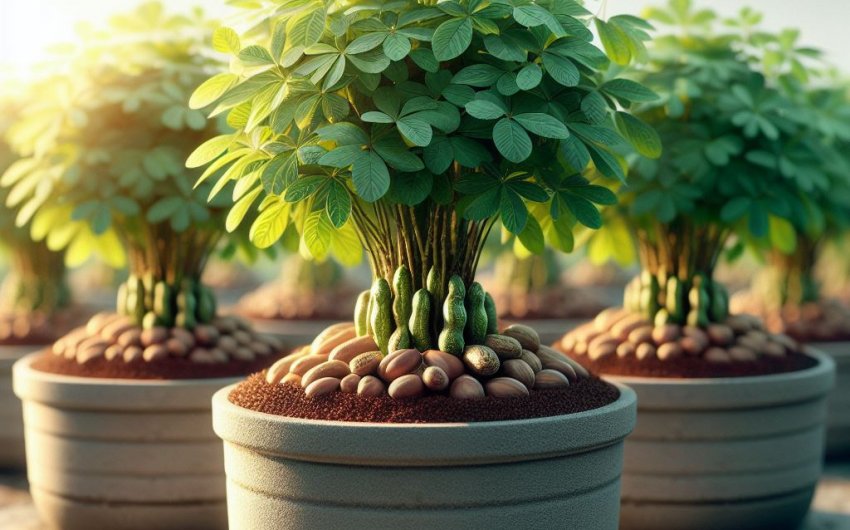
Growing your own food can be a really rewarding experience, even if you don't have a big backyard. Many people wonder if certain plants, like Spanish peanuts, can thrive in smaller spaces, such as containers. The good news is, with the right approach and a little bit of care, you absolutely can grow these tasty legumes without needing a sprawling garden plot. It opens up a world of possibilities for urban gardeners or anyone with limited outdoor space.
Imagine harvesting your own fresh peanuts, knowing exactly how they were grown. It’s a satisfying feeling that's much easier to achieve than you might think. This guide will walk you through everything you need to know about successfully cultivating Spanish peanuts in pots, from choosing the right container to harvesting your bounty. We'll cover the essentials to ensure your peanut plants are happy and productive, bringing the farm to your patio or balcony.
Can Spanish Peanuts Really Grow Well in Pots?
Yes, Spanish peanuts can grow well in pots! They are quite adaptable plants. The key is to understand their specific needs when they are not in the ground. Unlike some other peanut varieties, Spanish peanuts tend to have a more upright growth habit, which makes them a bit more suitable for container gardening. Their pods also form in a more clustered fashion, making them easier to manage in a limited space.
The main challenge with container gardening for any plant is providing enough room for the roots and consistent moisture and nutrients. For peanuts, which develop their pods underground, this means making sure the container is deep enough. It also means paying close attention to watering and feeding. But with a bit of planning, these challenges are easy to overcome. Many gardeners have successfully grown peanuts on patios and balconies, enjoying fresh harvests right from their doorstep.
What Kind of Container is Best for Peanuts?
Choosing the right container is super important for successful peanut growing. You need something that offers plenty of space for the roots to spread and for the peanut pods to form underground. A common mistake is using a pot that is too small. This can lead to stunted growth and a poor harvest. Think about the size and depth.
For a single peanut plant, a container that is at least 10-12 inches deep and 10-12 inches wide is a good starting point. If you want to plant multiple peanut plants, you'll need an even larger container, like a half-whiskey barrel or a very large grow bag. Fabric grow bags are often a great choice because they allow for good airflow to the roots and prevent the soil from becoming waterlogged. Look for grow bags made of breathable fabric, which can be found in various sizes like a 15-gallon fabric grow bag or a 20-gallon fabric grow bag. Terracotta pots can also work, but they tend to dry out faster, so you'll need to water more often. Plastic pots are another option, and they retain moisture well, but ensure they have good drainage holes.
No matter which type of container you choose, make sure it has adequate drainage holes at the bottom. Peanuts don't like wet feet, and standing water can lead to root rot. If your chosen pot doesn't have enough holes, you can easily add more using a drill. Good drainage is key to keeping your peanut plants healthy and happy in their container home.
What Type of Soil Do Peanuts Need in a Pot?
The right soil mix is vital for growing peanuts in containers. Peanuts prefer loose, well-draining soil that is also rich in nutrients. This allows their roots to spread easily and, more importantly, for the pegs (which develop into peanuts) to penetrate the soil easily. Heavy, compacted soil will make it difficult for the pegs to grow down, leading to a poor harvest.
A good potting mix for peanuts should include a combination of ingredients that promote drainage, aeration, and nutrient retention. A standard potting mix designed for vegetables or general purpose growing is a good base. You can enhance it by adding some perlite or vermiculite to improve drainage and lighten the mix. For extra nutrients and to mimic the loose, rich soil peanuts love, you can also mix in some compost or well-rotted manure. Aim for a mix that feels light and fluffy in your hands. Avoid using heavy garden soil directly from your yard, as it can become too compact in a pot.
The ideal pH level for peanut soil is slightly acidic to neutral, typically between 6.0 and 7.0. Most commercial potting mixes fall within this range, so you usually don't need to worry too much about adjusting the pH unless you're making your own custom blend from scratch. Just ensure the mix is well-draining and provides a good growing environment for the underground development of the peanut pods. A good option would be a bag of organic potting mix.
How Much Sunlight Do Container Peanuts Need?
Peanuts are sun-loving plants. They originated in warm climates and need a lot of sunlight to produce a good harvest. When growing Spanish peanuts in containers, it's crucial to place them in a spot where they will receive ample sunlight throughout the day. This usually means a location with full sun.
Full sun means at least 6-8 hours of direct sunlight every day. More is even better for peanuts. If your plants don't get enough sunlight, they will likely be leggy, produce fewer flowers, and ultimately, a smaller number of peanuts. Try to find the sunniest spot on your patio, balcony, or even a very sunny windowsill if you're growing indoors (though outdoor growing is usually more successful). If you live in an area with extremely hot summers, some afternoon shade might be beneficial to prevent the plants from getting stressed, but generally, more sun equals more peanuts.
Remember that the angle of the sun changes throughout the day and with the seasons. Keep an eye on your peanut plants and move their containers if needed to maximize their sun exposure. This flexibility is one of the big advantages of container gardening – you can chase the sun! Providing consistent, bright light will help your peanut plants thrive and encourage the development of those tasty pegs underground.
How Often Should I Water Peanuts in Containers?
Watering is one of the most important aspects of container gardening, especially for peanuts. Because containers can dry out much faster than garden beds, you'll need to be diligent about watering. Peanuts need consistent moisture, particularly during their flowering and pod development stages. However, they absolutely do not like to sit in waterlogged soil, which can lead to rot.
The best way to tell if your peanut plant needs water is to check the soil moisture. Stick your finger about an inch or two into the soil. If it feels dry, it's time to water. If it still feels moist, wait a bit longer. In hot, sunny weather, you might need to water your container peanuts every day, or even twice a day. In cooler or cloudier conditions, you might water less often.
When you do water, water thoroughly until you see water draining from the bottom of the container. This ensures that the entire root ball gets adequately moistened. Avoid shallow watering, which only wets the top layer of soil. It's better to water deeply and less often than to water a little bit every day. A watering can with a long spout can make watering easier. Mulching the top of the soil with a layer of straw or shredded leaves can also help retain moisture and reduce the frequency of watering. This is especially helpful during peak summer heat. Consistent moisture is critical for the formation of the pegs and the development of the peanuts themselves.
Do Container Peanuts Need Special Fertilizers?
Peanuts are unique among many garden plants because they are legumes. This means they have a special relationship with certain bacteria in the soil that can convert nitrogen from the air into a form the plant can use. This process is called nitrogen fixation. Because of this, peanuts generally don't need a lot of added nitrogen fertilizer. In fact, too much nitrogen can lead to lush leafy growth but fewer peanuts.
What peanuts do need are other nutrients, especially phosphorus and potassium, and a good amount of calcium. Calcium is particularly important for the formation of the peanut pods. If your soil is low in calcium, you might get "pops," which are empty peanut shells. To provide these nutrients in a container, start with a good quality potting mix that contains some slow-release fertilizer or has been amended with compost.
You can also use a balanced fertilizer that is low in nitrogen or a fertilizer specifically formulated for root crops or vegetables, such as a tomato and vegetable food. Apply it according to the package directions, being careful not to over-fertilize. A good time to fertilize is when the plants begin to flower. Some gardeners also like to sprinkle a little gypsum (calcium sulfate) around the base of the plant when the pegs start to form, as this provides an easy-to-absorb source of calcium directly to the developing peanuts. Remember, balance is key – don't go overboard with fertilizers.
How Do Peanuts Form in a Container?
Understanding how peanuts form is one of the most fascinating parts of growing them, especially in a container where you can observe more closely. After the peanut plant flowers, something remarkable happens. The flowers themselves are typically small and yellow, appearing above the ground. Once a flower is pollinated, the ovary at its base begins to grow and forms a structure called a peg.
This peg is a specialized stem that elongates and pushes downward, seeking to penetrate the soil. It’s like the plant is reaching out to plant its own seeds. This process is why loose, well-draining soil is so crucial. If the peg can't easily push into the soil, it won't be able to form a peanut. Once the peg successfully buries itself about 1-3 inches deep, the tip of the peg swells, and this is where the peanut pod begins to develop. Each peg can potentially form one peanut pod.
Because the pegs need to burrow into the soil, you might need to "hill" up soil around the base of your peanut plant in the container as it grows. This just means adding more loose potting mix around the stem to give the pegs more material to penetrate. This ensures that the pods have enough space to grow and mature underground within the confines of your pot. It’s a truly unique way for a plant to produce its fruit.
What Pests and Diseases Affect Container Peanuts?
Even in containers, peanut plants can sometimes be affected by pests and diseases, though the risk might be lower than in a large field. Being aware of common issues helps you address them quickly. For pests, you might encounter aphids, small green or black insects that suck sap from the leaves, causing them to curl. Spider mites can also be an issue, especially in hot, dry conditions, leaving tiny webs and stippling on the leaves. Leaf miners might create squiggly tunnels within the leaves.
To manage pests, regularly inspect your plants. If you see aphids, a strong spray of water can often dislodge them. For more persistent issues, or for spider mites, neem oil spray can be very effective and is an organic option. A bottle of organic neem oil is a good item to have on hand. Always follow the product instructions carefully.
As for diseases, peanuts can be susceptible to various fungal diseases like leaf spot (which causes brown or black spots on leaves) or root rot (if the soil stays too wet). Good air circulation around the plants and avoiding overwatering are the best defenses against fungal issues. If you notice signs of disease, remove affected leaves or parts of the plant immediately to prevent spread. Keeping your peanut plants healthy and stress-free through proper watering, sunlight, and nutrition is your best line of defense against both pests and diseases in a container setting.
When Are Container Peanuts Ready to Harvest?
Knowing when to harvest your container-grown Spanish peanuts is exciting. It's a bit of a waiting game, but the reward is worth it! Spanish peanuts typically take about 90 to 110 days from planting to maturity. The exact timing can vary depending on your specific climate, the variety of Spanish peanut, and the growing conditions.
The best way to tell if your peanuts are ready is to look for signs from the plant itself. The foliage will start to turn yellow and begin to wither. This is a sign that the plant is putting all its energy into ripening the peanuts underground. Don't wait until the plant is completely brown and dead, as the shells might start to crack.
To check for maturity, carefully dig up a test plant or gently probe the soil around the base of one of your plants. Look at a few pods. Mature peanuts will have developed a distinct web-like pattern on their shells, and the kernels inside will be plump and fill the shell. If the shells are still smooth or the kernels are shriveled, they need more time. Once you determine they are ready, carefully tip the entire container over and gently separate the peanuts from the roots. It’s a treasure hunt!
How Do I Cure and Store My Container Peanuts?
After harvesting your Spanish peanuts from their containers, they won't be ready to eat right away. They need to be cured. Curing is a crucial step that reduces the moisture content in the peanuts, improves their flavor, and prevents mold. Skipping this step can lead to spoiled peanuts.
To cure your container-grown peanuts, gently remove any excess soil from the pods but do not wash them. You can leave the peanuts attached to the main stem. Hang the entire plant upside down in a warm, dry, well-ventilated area. A shed, garage, or even a well-ventilated porch can work. The key is good airflow and protection from rain or high humidity. Direct sunlight can dry them out too quickly, so an indirect location is better.
Allow the peanuts to cure for about 2-3 weeks, or until the shells feel dry and brittle. You might hear the kernels rattle inside the shells when you shake them. Once cured, you can separate the pods from the stems. Store your cured peanuts in their shells in an airtight container in a cool, dry place. A food storage container would be suitable. They can be stored this way for several months. For longer storage, or if you shell them, you can freeze them. Curing properly ensures your homegrown peanuts will be delicious and last longer.
What Are the Best Spanish Peanut Varieties for Containers?
While most Spanish peanut varieties can be grown in containers, some are better suited due to their growth habit and typical size. Spanish peanuts generally have a more upright growth compared to runner or Virginia types, which tend to spread out more. This upright nature makes them naturally more compact and thus a better fit for the limited space of a pot.
When looking for seeds, seek out varieties specifically labeled as "Spanish." Some common and popular Spanish peanut varieties include 'Dixie Spanish' or 'Argentine Spanish'. These types mature relatively quickly and produce a good yield of the classic small, round, flavorful Spanish peanuts that are often used for peanut butter or roasted snacks. They are known for their high oil content and distinct taste.
It's always a good idea to check the seed packet for information on the plant's mature size and growing days. Choosing a variety that is known for its compact growth and quicker maturity will give you the best chance of success when growing Spanish peanuts in a container. You can often find Spanish peanut seeds from various seed suppliers online or at local garden centers during planting season. Starting with good quality seeds is the first step to a bountiful harvest.
Can I Start Spanish Peanut Seeds Indoors?
Starting Spanish peanut seeds indoors can be a good option, especially if you live in an area with a shorter growing season or if you want to get a head start on your plants. This gives the peanut plants a chance to develop some size before being moved outdoors to their final containers. However, it's important to do it correctly, as peanuts don't always transplant well if their roots are disturbed too much.
To start seeds indoors, plant them about 1 inch deep in small, individual pots or seed-starting trays that are biodegradable, like peat pots or paper pots. These types of pots allow you to plant the entire pot directly into the larger container later, minimizing root disturbance. Use a light, sterile seed-starting mix. Keep the soil warm (ideally around 70-80°F or 21-27°C) and consistently moist. A seedling heat mat can help maintain the ideal temperature.
Once the seedlings emerge, provide them with plenty of light. A sunny window or, even better, a grow light will prevent them from becoming leggy. Aim to start them indoors about 2-4 weeks before your last expected frost date. When it's time to move them to their outdoor containers, carefully place the entire biodegradable pot into the larger container filled with your prepared potting mix. This gentle transition helps reduce transplant shock and ensures your container peanuts get off to a strong start.
What are the Temperature Requirements for Container Peanuts?
Spanish peanuts thrive in warm conditions. They are a heat-loving crop and need consistently warm temperatures to grow well and produce a good harvest. When growing them in containers, it's even more important to be aware of the temperature, as pots can heat up and cool down faster than the ground.
The ideal temperature range for peanut growth is between 70°F and 95°F (21°C and 35°C). They will not grow well if temperatures consistently drop below 60°F (15°C). Frost will kill peanut plants, so make sure all danger of frost has passed before you plant your seeds or move your seedlings outdoors. This typically means planting after your last spring frost date.
During the peak summer months, when temperatures are consistently warm, your container peanuts will be at their happiest and most productive. If you live in an area with cool nights, consider bringing your containers indoors or covering them with a frost blanket during unexpected cold snaps, especially early or late in the season. Consistent warmth ensures that the plant flowers properly and, crucially, that the pegs can develop into mature peanuts underground. Monitoring the weather and protecting your plants from cold extremes will lead to a more successful harvest.
Do Container Peanuts Need Pollination?
Yes, peanut plants do need pollination to produce peanuts, but it’s not something you usually need to worry about. Peanut flowers are self-pollinating, meaning they have both male and female parts within the same flower. This is a great advantage for container gardeners because you don't need to have multiple plants or rely on bees or other pollinators to get a harvest.
Each peanut flower contains both the pollen and the stigma necessary for fertilization. Once the flower is pollinated, the process of forming the peg begins, which then burrows into the soil to develop the peanut pod. This makes growing peanuts in a container relatively straightforward, as you don't need to hand-pollinate or worry about pollinator access if your container is on a balcony or screened-in porch.
The flowers are quite small and typically last only for a day, but the plant will produce many flowers over its growing season. As long as your peanut plant is healthy and growing well, the natural process of self-pollination will occur, leading to the formation of those underground pegs and eventually your delicious Spanish peanuts. So, you can relax about pollination and focus on providing the other needs of your container peanut plant.
How Can I Support Growing Peanuts in a Pot?
While Spanish peanuts have a more upright growth habit than some other varieties, they can still benefit from some support, especially when grown in a container. As the plant grows taller and produces more foliage, it can become a bit top-heavy. Providing support helps prevent the plant from flopping over, keeps the foliage off the soil, and improves air circulation, which can reduce the risk of fungal diseases.
A simple stake or a small tomato cage can be very effective. Insert a sturdy bamboo stake into the soil when you plant your peanut seeds or seedlings, being careful not to damage any developing roots. As the plant grows, you can gently tie the main stem to the stake with soft plant ties. If using a tomato cage, place it around the plant when it's still small so the branches can grow up through the cage. A small tomato cage can offer good support.
This support isn't just about keeping the plant upright. It also helps direct the aerial stems and leaves, making it easier for the pegs to find their way into the soil at the base of the plant. By providing this structure, you're helping your container peanuts put their energy into producing those precious underground pods, rather than struggling to stay upright. It's a small effort that can make a big difference in your harvest.
Can I Grow Peanuts from Store-Bought Peanuts?
It's a common question: Can you just plant peanuts from the grocery store? The answer is generally no, and it's usually not recommended for successful growth. The main reason is that most store-bought peanuts are roasted, boiled, or otherwise processed. These processes destroy the embryo inside the seed, meaning they will not sprout. Think of it like trying to plant a roasted coffee bean – it just won't grow.
Even if you find raw peanuts in the shell, there are still a few reasons why they might not be ideal for planting. Firstly, they may have been treated to prevent sprouting or have been stored in conditions that reduce their viability. Secondly, they often come from commercial growers who might use specific varieties or growing methods that aren't well-suited for container gardening or home growing in general. You won't know the exact variety or its growing habits.
For the best chance of success, always purchase peanut seeds specifically meant for planting from a reputable seed supplier. These seeds are carefully selected for germination rates and are typically untreated, ensuring they are alive and ready to grow. They will also be a specific variety, like Spanish peanuts, that you know will work well in a container. Investing in proper peanut seeds is a small cost for a much higher likelihood of a successful harvest.
What are Common Problems When Growing Peanuts in Containers?
Growing Spanish peanuts in containers is achievable, but like any gardening endeavor, you might encounter some common challenges. Being aware of these can help you address them quickly and prevent bigger issues.
One of the most frequent problems is underwatering or overwatering. Containers dry out fast, leading to stressed plants if not watered consistently. On the flip side, too much water can lead to root rot, which is detrimental to peanuts. Always check the soil moisture before watering. Another common issue is lack of sunlight. Peanuts need full sun, and if they don't get enough, they'll produce fewer flowers and thus fewer peanuts. Ensure your container is in the sunniest spot possible.
Nutrient deficiencies can also occur. While peanuts fix their own nitrogen, they still need other nutrients like phosphorus, potassium, and especially calcium for proper pod development. If your potting mix isn't rich enough or you haven't fertilized, you might see weak growth or empty shells ("pops"). Pests like aphids or spider mites can also weaken plants, so regular inspection is important. Lastly, a container that is too small will restrict root growth and peg development, leading to a disappointing yield. Always choose a generous-sized pot to avoid this common problem. Addressing these issues proactively will help you have a thriving container peanut patch.
How Can I Maximize My Peanut Yield in a Container?
Getting a good harvest from your container-grown Spanish peanuts is the goal, and there are several ways to maximize your yield. It all comes down to providing the best possible environment for your plants.
First, start with the right setup. Use the largest container you can manage, ensuring it has excellent drainage. Fill it with a high-quality, loose, and well-draining potting mix that is also rich in organic matter. This provides ample space and the ideal texture for pegs to penetrate.
Provide consistent care. This includes giving your peanut plants at least 6-8 hours of direct sunlight daily. Water regularly and deeply, especially when the plants are flowering and forming pods, but always check the soil first to avoid overwatering. Fertilize with a low-nitrogen, high-phosphorus, and potassium fertilizer, and consider adding a calcium supplement like gypsum when pegs begin to form.
Pest and disease management is also crucial. Healthy plants produce more. Regularly inspect your plants and address any issues promptly. Finally, consider growing multiple plants if you have space. While a single plant will produce, growing a few more in separate large containers can significantly increase your overall harvest. Each successful peg that burrows into the soil means another delicious peanut, so creating ideal conditions for these unique underground developers is key to a bountiful yield.