
When Is the Best Time to Harvest Spanish Peanuts?
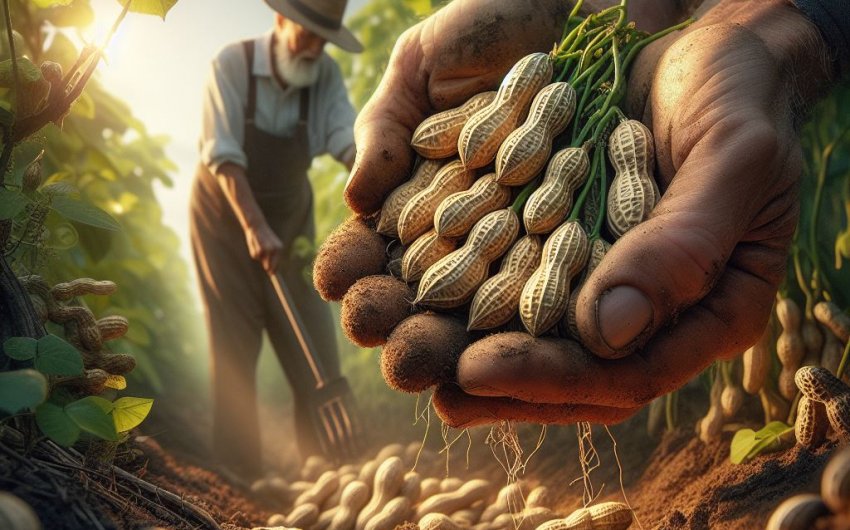
Growing your own Spanish peanuts can be a truly rewarding experience. Imagine digging up handfuls of those nutty, small-kernel treasures right from your garden! But knowing just when to pull them from the ground is crucial. Harvest too early, and your peanuts will be small and not fully flavored. Wait too long, and they might start to rot or be damaged by pests.
This guide will walk you through the key signs that tell you your Spanish peanuts are ready for harvest. We'll cover everything from tracking their growth time to observing changes in the plant itself and even checking the peanuts underground. Get ready to learn the secrets to a perfect harvest, ensuring you get the best yield and the tastiest nuts from your hard work.
What Are Spanish Peanuts?
Before diving into harvest times, let's briefly understand what makes Spanish peanuts unique. This helps you appreciate their growth cycle and how to best care for them.
What Makes Spanish Peanuts Different?
Spanish peanuts are one of the four main types of peanuts grown today, alongside Runner, Virginia, and Valencia. They are known for:
- Smaller Kernels: Typically rounder and smaller than other varieties.
- Reddish-Brown Skins: They have a distinctive reddish-brown skin that often stays on after roasting.
- Higher Oil Content: This gives them a richer, nuttier flavor when roasted, making them a favorite for peanut butter, candy, and oil production.
- Erect Growth Habit: Spanish peanut plants usually grow more upright than the sprawling Runner or Virginia types.
- Faster Maturity: Many Spanish varieties mature more quickly, often in 90-120 days, which can be an advantage in regions with shorter growing seasons.
Popular Spanish varieties include 'Dixie Spanish' and 'Argentine'. You can find Spanish peanut seeds from various suppliers, such as the Patriot Seeds Spanish Peanut Seeds.
When Do Spanish Peanuts Typically Mature?
The most common question about harvesting peanuts is "How long does it take?" The answer depends on your climate and the specific variety you're growing, but there are general guidelines.
What Is the Average Growing Season for Spanish Peanuts?
Most Spanish peanut varieties need about 90 to 120 days of warm weather from planting to maturity. This makes them relatively quick producers compared to some other peanut types, which can take up to 150 days.
What Factors Influence Maturity Time?
- Climate: Peanuts need consistently warm temperatures, ideally between (70^\circ\text{F}) and (95^\circ\text{F}) ((21^\circ\text{C}) and (35^\circ\text{C})). A cold spell can slow down maturity.
- Sunlight: Plenty of full sun (at least 6-8 hours daily) is crucial for healthy growth and peanut development.
- Soil Conditions: Well-draining, loose, sandy loam soil is ideal. Heavy clay soil can hinder peanut formation and make harvesting difficult.
- Watering: Consistent moisture, especially when the plants are flowering and forming pods, is vital.
- Variety: As mentioned, different Spanish varieties can have slightly different maturity dates. Always check your seed packet for the specific "days to maturity" listed.
Knowing the typical maturity window gives you a good starting point for when to begin looking for harvest signs.
What Are the Key Signs That My Spanish Peanuts Are Ready to Harvest?
Observing the peanut plant itself is the best way to tell if your Spanish peanuts are ripe. Don't rely solely on the "days to maturity" listed on the packet, as local conditions can alter this.
What Changes Will I See in the Foliage?
This is one of the most reliable indicators. As the peanuts beneath the soil mature, the plant above ground begins to change.
- Yellowing Leaves: The leaves will start to turn a distinct yellow color. This isn't just a slight fade; it will be noticeable across the plant.
- Wilting and Drying: As yellowing progresses, the foliage may begin to wilt and eventually dry out, particularly the lower leaves.
- Overall Decline: The vibrant green and lush appearance the plant had during its growth phase will diminish, signaling that its energy is now focused on ripening the peanuts underground.
It's important to note that a few yellow leaves on the bottom are normal during the growing season. You're looking for widespread yellowing and a general decline of the entire plant.
What Does the Plant Do Before Harvest?
About two weeks before you expect to harvest, you might notice that the plant has stopped producing new flowers. Peanut plants produce distinctive yellow, pea-like flowers above ground. After these flowers are pollinated, they develop into what are called "pegs." These pegs grow downwards into the soil, and that's where the actual peanuts develop. When the plant stops flowering, it's a good sign that its reproductive cycle is nearing completion, and its energy is being redirected towards maturing the existing peanuts.
How Do I Check the Peanuts Underground for Readiness?
The ultimate test for Spanish peanut readiness involves digging up a few sample pods. This step is crucial because the above-ground signs, while helpful, aren't foolproof.
How Many Peanuts Should I Dig Up?
About 1-2 weeks before you anticipate harvest based on the plant's overall yellowing and drying, it's time for a "test dig." Carefully unearth a few pods from different plants in your patch. Aim for 3-5 pods per plant, from a few different plants, to get a good sample.
What Should the Peanut Pods Look Like?
Examine the peanut pods carefully for these signs:
- Color of the Hull (Shell): A mature peanut hull will have changed from a light, creamy color to a darker, distinct network of veins. Some might even have slight browning or darkening spots. Immature peanuts will have pale, smooth, and underdeveloped hulls.
- Inside the Hull: Break open a few pods. The peanut kernels inside should be plump and fill the shell.
- Skin Color: The papery skin covering the kernel should be the characteristic reddish-brown of a Spanish peanut. Immature kernels will have lighter, sometimes whitish or pinkish, skins.
- Texture and Firmness: The kernel should be firm and crunchy. If it's watery, soft, or shriveled, it's not ready.
What If My Peanuts Aren't Ready?
If your test dig shows that most of the pods are still immature (light-colored hulls, pale kernels), gently rebury the sample plants and wait another 7-10 days before testing again. Patience is key! Harvesting too early means underdeveloped, less flavorful peanuts.
What Are the Best Conditions for Harvesting Spanish Peanuts?
The weather and soil conditions on harvest day can greatly affect the ease of digging and the quality of your peanuts.
What Weather is Best for Harvesting?
- Dry Soil: Ideally, you want a few days of dry, sunny weather leading up to your harvest day. This makes the soil easier to work with. Peanuts are much harder to dig from wet, muddy soil, and wet peanuts are more prone to mold and rot during curing.
- Cooler Temperatures: While peanuts love heat for growing, slightly cooler, dry days are better for harvest. Avoid harvesting during a heatwave.
What Kind of Soil Conditions Are Ideal?
Loose, sandy loam soil makes harvesting relatively easy. If you have heavier clay soil, harvesting can be a challenge.
- Loosen the Soil: If your soil is compact, gently loosen the soil around the plants with a garden fork or a broadfork before trying to pull them. The True Temper Spading Fork is a good tool for this.
- Moisture Level: The soil should be slightly dry, making it crumbly and easy to shake off the pods. If it's too wet, the mud will cling to the pods, making cleaning difficult.
How Do I Harvest Spanish Peanuts?
Once you've confirmed your peanuts are ready and the conditions are right, it's time for the exciting part – pulling them from the ground!
What Tools Do I Need?
You'll need a garden fork, a spading fork, or a small shovel. For larger plantings, a potato fork can be very efficient. A sturdy pair of gardening gloves can also be helpful.
How Do I Dig Up the Plants?
- Loosen the Soil: Insert your garden fork a few inches away from the base of the plant. Gently push down and wiggle the fork to loosen the soil around the root ball.
- Lift Gently: Once the soil is loose, grab the entire plant by the base of the stems (just above the soil line). Gently pull upwards, lifting the entire plant out of the ground. The goal is to bring up the entire root system with the peanut pods attached.
- Shake Off Excess Soil: Once lifted, gently shake the plant to remove most of the loose soil clinging to the pods. Avoid knocking them harshly, as you don't want to break the pods off the plant yet.
What If Some Peanuts Break Off?
It's common for a few peanut pods to break off and stay in the soil, especially if the soil is heavy or if you're not gentle. Don't worry about every single one. You can always go back and carefully sift through the loosened soil to retrieve any stragglers.
What Do I Do Immediately After Harvesting?
Once the plants are out of the ground, the work isn't quite done. Proper immediate handling is essential for good curing.
Should I Wash the Peanuts?
No, do not wash the peanuts at this stage. Washing them can introduce too much moisture and significantly increase the risk of mold and fungal issues during the curing process. Just gently brush off any large clumps of soil.
Where Should I Cure Them?
After harvesting, the peanut plants (with pods still attached) need to be dried or "cured."
- Hang in a Dry, Shady, Well-Ventilated Area: This is the most common method. Hang the entire plants upside down (roots facing up, foliage facing down) in a location that is:
- Dry: Protected from rain, dew, and high humidity. A garage, shed, or well-ventilated porch works well.
- Shady: Direct sunlight can dry them too quickly and unevenly.
- Well-Ventilated: Good airflow is critical to prevent mold. You can use a fan if necessary.
- Curing on the Ground (Large Scale): For very large harvests, commercial growers sometimes stack plants in small piles called "shocks" in the field, allowing them to dry in the sun for a few days before being moved indoors. For home gardeners, hanging is safer and more reliable.
How Do I Cure and Store Spanish Peanuts?
Curing is a critical step that enhances flavor and ensures long-term storage. It's basically a slow drying process.
How Long Does Curing Take?
Curing usually takes about 2 to 4 weeks. The exact time depends on your climate, humidity, and the size of your harvest. The goal is to slowly reduce the moisture content of the entire plant and the peanuts.
How Do I Know When Curing Is Complete?
You'll know the peanuts are properly cured when:
- The stems connecting the pods to the main plant are completely dry and brittle.
- The shells of the peanuts feel firm and dry.
- When you shake a pod, you can hear the kernels rattle inside.
- You crack open a few pods, and the kernels are firm and taste fully nutty, not watery or bland.
How Do I Prepare Them for Long-Term Storage?
Once fully cured, it's time to separate the peanuts from the plants.
- Pick Off Pods: Carefully pick each peanut pod off the plant. Discard any pods that look moldy, shriveled, or damaged.
- Final Cleaning: Gently brush off any remaining soil.
- Shelling (Optional): You can store them in their shells or shell them. Storing them in their shells generally keeps them fresh longer.
- Storage Containers: Place the shelled or unshelled peanuts in breathable containers like mesh bags, paper bags, or canvas bags. Air circulation is still important, even in storage. Avoid airtight plastic containers, as any remaining moisture can lead to mold.
- Storage Location: Store in a cool, dry, dark place. A pantry or cool basement is ideal.
- Refrigerator: For longer storage (several months), you can store shelled or unshelled peanuts in the refrigerator.
- Freezer: For very long-term storage (up to a year or more), shelled peanuts can be frozen in airtight containers after they are fully cured.
Proper curing and storage are vital for enjoying your homegrown Spanish peanuts for months to come. These steps help prevent spoilage and lock in that delicious, nutty flavor.