
Are Spanish Peanuts Prone to Pests and Diseases?
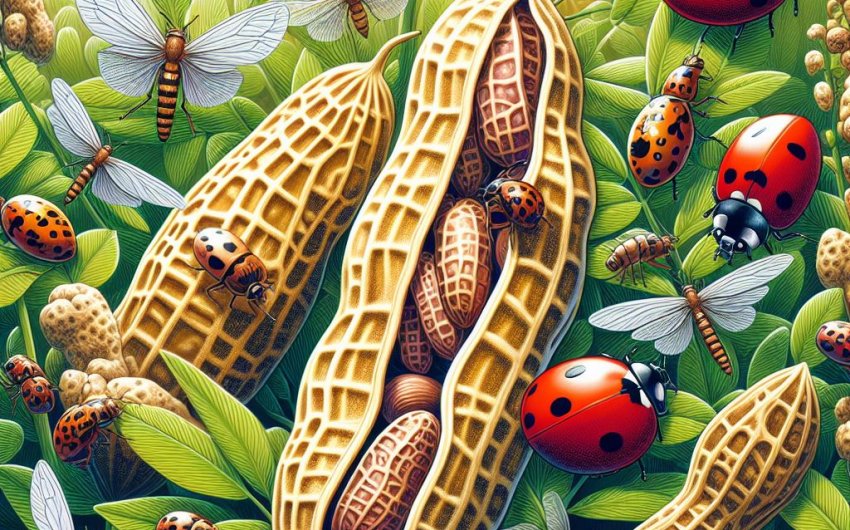
Many gardeners and farmers wonder about the vulnerability of certain crops to common garden problems. When it comes to growing Spanish peanuts, understanding their potential challenges from pests and diseases is crucial for a successful harvest. While generally robust, these plants are not entirely immune to issues that can affect their growth and yield. Knowing what to look for and how to act can make all the difference in keeping your peanut plants healthy and productive. Let's delve into the specific threats and the best ways to manage them.
Are There Common Pests That Attack Spanish Peanuts?
Yes, like many crops, Spanish peanuts can be targeted by several types of pests. These tiny invaders can cause damage ranging from mild leaf munching to significant yield loss if not managed properly. Identifying these pests early is the first step in protecting your plants.
Aphids
Aphids are small, soft-bodied insects often found clustered on the undersides of leaves and on new shoots. They feed by sucking sap from the plant, which can lead to stunted growth, distorted leaves, and a general weakening of the plant. A sticky residue called honeydew is a common sign of aphid presence, which can then lead to the growth of sooty mold. While a few aphids might not cause serious harm, large infestations can significantly impact the peanut plant's ability to produce good nuts. Using a garden hose sprayer to spray them off with a strong stream of water can sometimes work for small infestations.
Thrips
Thrips are tiny, slender insects that feed by scraping plant tissue and then sucking up the oozing sap. This feeding causes silvering or bronzing of the leaves, and sometimes tiny black dots (their droppings) are visible. Heavy thrips infestations can lead to distorted or stunted growth, especially on new foliage and flowers. For Spanish peanuts, thrips are a particular concern because they can also transmit certain plant viruses, which are much harder to control once a plant is infected. Sticky traps can help monitor their presence.
Spider Mites
Spider mites are not insects, but tiny arachnids that are difficult to see with the naked eye. They thrive in hot, dry conditions and can cause significant damage by feeding on the plant's sap. Their feeding causes stippling – tiny yellow or white dots – on the leaves, and in severe cases, fine webbing can be seen on the undersides of leaves or between branches. Heavily infested leaves may turn yellow, brown, and eventually drop off, severely impacting photosynthesis and nut development. Misting the plants regularly can help deter spider mites.
Armyworms and Cutworms
Armyworms and cutworms are the larval (caterpillar) stage of moths. Cutworms are known for cutting young plants off at the soil line, especially overnight, while armyworms feed on leaves, often moving in large groups, devouring foliage rapidly. Both can cause significant defoliation, reducing the plant's ability to produce energy for nut formation. They are usually more active at night. Scouting for these caterpillars and removing them by hand can be effective for smaller gardens. Bacillus thuringiensis (Bt), a natural bacterium that affects caterpillars, can be used as a Bt insecticide spray for larger outbreaks.
White Grubs
White grubs are the C-shaped larvae of beetles, such as May beetles or Japanese beetles. These grubs live in the soil and feed on plant roots. For Spanish peanuts, this means they can damage the developing peanuts themselves, as well as the root system that supports the plant's growth. Signs of white grub damage include stunted or wilting plants despite adequate water, and if you dig up a plant, you might find chewed roots or even the grubs themselves. Good soil preparation and certain beneficial nematodes can help manage grub populations.
Corn Earworms
While their name suggests corn, corn earworms can also be a significant pest for peanuts. These caterpillars feed on the foliage and sometimes even bore into the developing peanut pods underground. Their feeding on leaves can lead to defoliation, reducing the plant's ability to create energy. Damage to the pods can directly impact the yield and quality of the peanuts. Careful monitoring and timely intervention, sometimes with targeted insecticides, are important for managing these pests.
What Common Diseases Affect Spanish Peanuts?
Beyond pests, Spanish peanuts can also fall victim to various diseases, primarily caused by fungi, bacteria, or viruses. These diseases can affect different parts of the plant, from leaves to roots to the developing nuts.
Early and Late Leaf Spot
Leaf spot diseases are among the most common and damaging issues for peanuts. There are two main types: Early Leaf Spot and Late Leaf Spot. Both are caused by fungi and appear as dark spots on the leaves. Early Leaf Spot typically has a yellowish halo around the spots, while Late Leaf Spot spots are darker and more circular. Severe infections lead to premature defoliation (leaves falling off), which significantly reduces the plant's ability to photosynthesize and fill out the nuts. This can cause major yield losses. Good air circulation and resistant varieties can help. Applying a fungicide for peanuts might be necessary in some cases.
Sclerotinia Blight
Sclerotinia Blight is a serious fungal disease that causes wilting and rot in peanut plants. It often appears as white, cottony fungal growth on stems near the soil line, eventually leading to stem decay and plant death. The fungus produces small, black, hard structures called sclerotia that can survive in the soil for many years, making it a persistent problem. This disease thrives in cool, moist conditions. Crop rotation and proper spacing to improve air circulation are key preventative measures.
Southern Blight
Also known as white mold, Southern Blight is another destructive fungal disease that affects the base of the plant. It causes rapid wilting and collapse of the plant, and a distinctive white, fan-like fungal growth can be seen at the soil line, often with small, spherical structures (sclerotia) resembling mustard seeds. This disease is particularly prevalent in warm, humid conditions and can lead to significant plant loss. Good drainage and avoiding excessive nitrogen fertilizer can help reduce its impact.
Rust
Rust is a fungal disease that creates small, reddish-brown pustules (like tiny blisters) on the undersides of peanut leaves. These pustules release powdery spores that can spread the disease rapidly. Severe rust infections can lead to premature leaf drop and reduced plant vigor, impacting nut development. Rust is more common in humid environments. Some peanut varieties have better resistance to rust.
Peanut Stunt Virus
Peanut Stunt Virus (PSV) is a viral disease that causes plants to be stunted, with yellowed, mottled, or distorted leaves. As a virus, there is no cure once a plant is infected. The virus is primarily transmitted by aphids, so managing aphid populations is crucial for preventing its spread. Infected plants will produce very poor yields, if any. Removing and destroying infected plants promptly helps prevent the virus from spreading to healthy plants.
Stem Rot and Pod Rot
Stem rot and pod rot refer to various fungal or bacterial diseases that cause the stems and developing pods to decay. Stem rot often appears as dark, watery lesions on the stems, leading to wilting and plant death. Pod rot affects the peanuts themselves while they are still in the ground, causing them to become discolored, mushy, and unsuitable for consumption. These issues are often associated with overly wet soil conditions, poor drainage, and certain soil-borne pathogens. Good crop rotation and well-drained soil are essential to prevent these problems.
How Can I Prevent Pests and Diseases in Spanish Peanuts?
Prevention is always better than cure when it comes to managing pests and diseases in your garden. A proactive approach can significantly reduce the likelihood of problems with your Spanish peanuts.
Crop Rotation
Practicing crop rotation is one of the most effective ways to break the life cycles of many pests and diseases that linger in the soil. Instead of planting peanuts in the same spot year after year, rotate them with different crops, especially non-legumes like corn or small grains. This helps deplete the soil of specific pathogens and pests that target peanuts, reducing their build-up over time. Aim for a rotation cycle of at least 2-3 years.
Choosing Resistant Varieties
Many peanut varieties have been specifically bred for resistance to common diseases like leaf spot or certain viruses. When selecting your Spanish peanut seeds or plants, look for varieties that are noted for their disease resistance. While no variety is completely immune, choosing resistant options can significantly reduce your risk of major outbreaks and minimize the need for chemical interventions. Check seed catalogs or local agricultural extension office recommendations for suitable varieties.
Good Sanitation Practices
Good sanitation in your garden helps prevent the spread of pests and diseases. This includes removing and destroying infected plant material promptly to prevent pathogens from spreading to healthy plants. Clean your gardening tools regularly, especially if they've been used on diseased plants, to avoid transferring pathogens. Remove weeds, as they can sometimes harbor pests or diseases. Keeping your garden tidy creates a less hospitable environment for problems.
Proper Spacing and Air Circulation
Overcrowding peanut plants can create a humid environment that favors fungal diseases. Proper spacing between plants allows for good air circulation, which helps leaves dry quickly after rain or irrigation, reducing the chances of leaf spot and other moisture-loving pathogens. Follow recommended planting distances for Spanish peanuts to ensure each plant has enough room to grow and breathe. Good airflow also makes it harder for some flying insects to move between plants.
Soil Health and Drainage
Healthy soil leads to healthy plants. Ensure your soil is well-drained, as soggy conditions can promote root rot and other soil-borne diseases. Improve heavy clay soils by incorporating organic matter like compost to enhance drainage and aeration. A balanced soil nutrient profile is also important. Get a soil test done to understand your soil's composition and amend it as needed to provide optimal conditions for peanut growth. Strong, healthy plants are better able to resist pest and disease attacks.
Monitoring and Early Detection
Regularly inspecting your Spanish peanut plants is key to early detection of any problems. Walk through your garden a few times a week, looking closely at the leaves (top and bottom), stems, and general plant vigor. Look for discolored spots, wilting, holes in leaves, or the presence of insects. The sooner you spot a problem, the easier it is to address it before it becomes widespread and severe. Keep a hand lens handy for a closer look.
Managing Weeds
Weeds compete with your peanut plants for water, nutrients, and sunlight. They can also act as hosts for certain pests and diseases, providing shelter and breeding grounds. Keeping your peanut patch free of weeds through regular weeding or mulching can significantly reduce the risk of problems. A layer of mulch can also help suppress weeds and conserve soil moisture.
What Are Organic and Chemical Control Options?
Sometimes, despite your best preventative efforts, pests or diseases can still become an issue. When that happens, you have a range of control options, from organic to chemical, to help manage the problem.
Organic Control Methods
Organic control methods focus on natural solutions that are less harmful to the environment, beneficial insects, and human health.
Hand-Picking Pests
For larger pests like caterpillars (armyworms, cutworms, corn earworms) or even larger grubs if exposed, hand-picking them off the plants is a simple and effective organic control method for smaller gardens. Drop them into a bucket of soapy water to kill them. This method requires diligence but avoids the use of any sprays.
Introducing Beneficial Insects
Many insects are natural predators of common peanut pests. For example, ladybugs and lacewing larvae feed on aphids. You can attract beneficial insects to your garden by planting diverse flowering plants that provide nectar and pollen. In some cases, you can even purchase and release beneficial insects for targeted pest control.
Neem Oil
Neem oil is a natural insecticide and fungicide derived from the neem tree. It works in several ways: it disrupts insect feeding and reproduction, and it can also suppress certain fungal diseases. Neem oil is considered safe for beneficial insects once it dries and is a good organic option for controlling aphids, thrips, spider mites, and some fungal issues. Always follow label directions when applying.
Insecticidal Soaps
Insecticidal soaps are another effective organic control for soft-bodied pests like aphids, thrips, and spider mites. The soap works by breaking down the waxy outer layer of the insect, causing dehydration. They must come into direct contact with the pest to be effective. Ensure full coverage of the infested areas, especially the undersides of leaves. A good insecticidal soap spray can be very helpful.
Bacillus Thuringiensis (Bt)
For caterpillar pests like armyworms and corn earworms, Bacillus thuringiensis (Bt) is an excellent organic option. Bt is a naturally occurring bacterium that, when ingested by certain caterpillars, produces toxins that disrupt their digestive system, leading to their death. It is highly specific to caterpillars and does not harm other insects, animals, or humans.
Copper-Based Fungicides
For some fungal diseases, especially leaf spots, copper-based fungicides are an organic option. Copper acts as a protectant, inhibiting fungal spore germination. While organic, it's important to use them responsibly and according to label instructions, as copper can accumulate in the soil over time.
Chemical Control Methods
When organic methods are not sufficient, or for severe outbreaks, chemical control methods might be considered. Always use these products as a last resort and with extreme caution, following all label instructions precisely.
Synthetic Insecticides
A range of synthetic insecticides are available that can effectively control a wide array of insect pests. These are often broad-spectrum, meaning they can kill both target pests and beneficial insects, so their use should be minimized. Always identify the specific pest before choosing an insecticide and ensure it is approved for use on peanut plants. Consider the product's impact on pollinators if your plants are flowering.
Synthetic Fungicides
For persistent or severe fungal diseases, synthetic fungicides can provide effective control. These are designed to kill or inhibit the growth of fungi. As with insecticides, it’s crucial to correctly identify the disease and choose a fungicide specifically labeled for that disease and for use on peanuts. Always check for pre-harvest intervals (PHI) – the time required between application and harvest.
Herbicides (for Weed Control)
While not directly for pests or diseases, herbicides are a chemical control for weeds, which can indirectly contribute to pest and disease problems. Pre-emergent herbicides can prevent weed seeds from sprouting, while post-emergent herbicides kill existing weeds. Using herbicides around edible crops like peanuts requires careful consideration and adherence to label instructions to avoid harming the plants or contaminating the crop. Mechanical weeding is generally preferred for home gardens.
Are There Specific Management Strategies for Spanish Peanuts?
Yes, beyond general pest and disease management, there are strategies tailored specifically for growing Spanish peanuts that can boost their resilience.
Optimal Planting Time
Planting your Spanish peanuts at the optimal time is crucial. Peanuts are warm-season crops and should be planted after the last frost when soil temperatures are consistently above 65°F (18°C). Planting too early can expose young seedlings to cold stress, making them more vulnerable to diseases. Planting too late might not give them enough time to mature before cooler weather sets in, impacting yield and making them more susceptible to late-season diseases.
Proper Soil pH
Spanish peanuts thrive in well-drained soil with a slightly acidic to neutral pH, typically between 5.9 and 6.5. A soil test will tell you your current pH, and you can amend it as needed. If your soil is too acidic, add lime to raise the pH. If it's too alkaline, add elemental sulfur to lower it. Maintaining the proper soil pH ensures that the plants can absorb nutrients efficiently, leading to stronger, healthier plants that are more resistant to stress, pests, and diseases.
Adequate Watering Practices
Consistent and adequate watering is vital for peanut plants, especially during flowering and pod development. However, overwatering or poorly drained soil can lead to root rot and fungal diseases. It's best to water deeply and less frequently, allowing the topsoil to dry out slightly between waterings. Avoid overhead watering, which can keep foliage wet and encourage leaf spot diseases. Drip irrigation or soaker hoses are ideal, delivering water directly to the root zone. A soil moisture meter can help gauge when to water.
Balanced Fertilization
While peanuts are legumes and fix their own nitrogen, they still require other nutrients for optimal growth. A balanced fertilization program based on a soil test is essential. Avoid excessive nitrogen, which can promote lush leafy growth at the expense of nut development and make plants more attractive to certain pests. Ensure adequate phosphorus and potassium, which are important for root and pod development, as well as general plant health and disease resistance.
Pegging and Pod Development
After flowering, peanut plants develop "pegs" – specialized shoots that grow downwards from the flowers and penetrate the soil. The peanuts themselves form at the end of these pegs underground. Ensuring the soil is loose and friable (crumbly) during this pegging and pod development phase is important. Compacted soil can hinder peg penetration and pod development, stressing the plant and potentially making the developing nuts more susceptible to soil-borne diseases and pests like white grubs. You can gently loosen the soil around the base of the plants, taking care not to disturb the pegs.
Post-Harvest Clean-Up
After harvesting your Spanish peanuts, a thorough post-harvest clean-up is important. Remove all plant debris, including leaves, stems, and any remaining pods, from the garden bed. This debris can harbor disease spores and overwintering pests, which can then re-infect next year's crop. Composting healthy plant material (or bagging and disposing of diseased material) helps break the cycle of pests and diseases, preparing your garden for the next planting season.