
How Often Should I Water Spanish Peanut Plants?
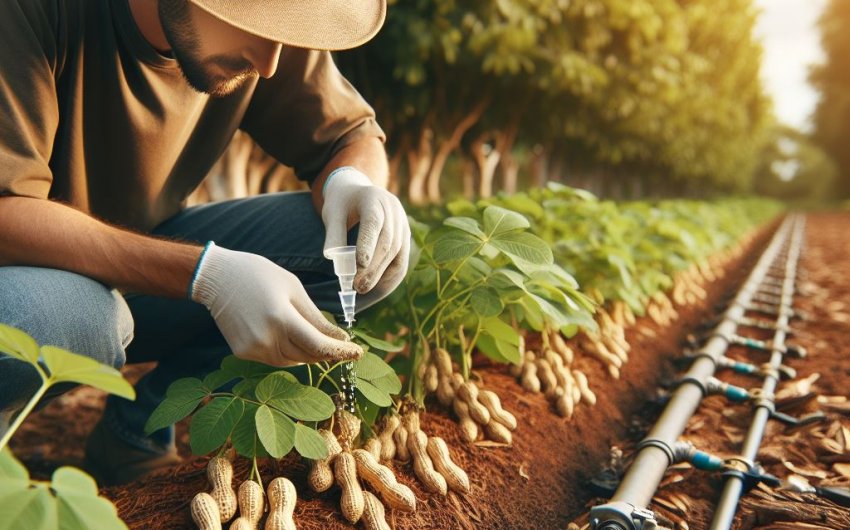
Understanding how much water your plants need is often the biggest mystery for new gardeners. It's not just about pouring water on them every day; different plants have different needs. For Spanish peanut plants, getting the watering just right is super important, especially since they produce their tasty peanuts underground. Too much water, and you risk root rot; too little, and your plants might struggle to form those precious pods.
It's less about a strict schedule and more about paying attention to your peanut plants and their environment. The goal is to keep the soil consistently moist but never soggy. This balance is key for healthy growth from the moment the seeds sprout to when the peanuts are ready for harvest. Let's dig into the details of keeping your Spanish peanut plants perfectly hydrated for the best possible yield.
How Do I Know When to Water My Spanish Peanuts?
The most common mistake gardeners make is watering on a fixed schedule, like every day or every other day, without checking the soil. Spanish peanut plants don't operate on a clock. Their water needs change based on many things: the weather, the type of soil, and even the size of the plant. So, the best way to know when to water is to check the soil moisture.
You can do this by sticking your finger into the soil about 1 to 2 inches deep, near the base of the plant. If the soil feels dry at that depth, it's time to water. If it still feels cool and moist, hold off for a bit. This simple finger test is often the most reliable method for home gardeners. You can also use a soil moisture meter, which can give you a more precise reading. A simple digital soil moisture meter can be a helpful tool, especially for beginners.
Another sign your peanut plants might need water is if their leaves start to look a little droopy or wilted. However, be careful with this sign. Sometimes plants can wilt in the hottest part of the day even if the soil is moist, as a way to conserve water. They usually perk up in the evening. If they are still droopy in the morning, then they definitely need water. Learning to "read" your plants by observing their leaves and checking the soil will make you a pro at watering.
How Does Weather Affect Peanut Watering Needs?
The weather plays a huge role in how often your Spanish peanut plants need water. It's one of the biggest factors that makes a fixed watering schedule unreliable.
Hot and sunny weather will make your plants use water much faster. The sun evaporates water from the soil, and the plants themselves will transpire more (release water vapor through their leaves) to stay cool. During heatwaves or prolonged periods of intense sun, you might find yourself watering your Spanish peanuts daily, or even twice a day if they are in containers.
On the flip side, cool or cloudy weather means your plants won't need as much water. Evaporation from the soil will be slower, and the plants won't be using as much water to cool themselves. You might find you can go several days between waterings in these conditions.
Rainfall also directly impacts your watering schedule. If you've had a good, soaking rain, you likely won't need to water for a few days. However, light drizzles might not penetrate deep enough to reach the roots, especially if your soil has a hard crust, so always check the soil moisture even after it rains. Being mindful of the daily weather forecast will help you anticipate your peanut plants' needs and adjust your watering routine accordingly.
What is the Best Way to Water Spanish Peanuts?
When you do water your Spanish peanut plants, how you do it matters just as much as when you do it. The goal is to water deeply and thoroughly, encouraging the roots to grow down rather than stay near the surface.
Deep watering means applying enough water so that it penetrates several inches into the soil, reaching the main root zone. This is especially important for peanuts because their pods develop underground, and consistent moisture deep in the soil is crucial for their formation. Avoid light, shallow sprinklings, as these only wet the top layer of soil and encourage shallow root growth, making the plants more vulnerable to drought.
You can use a watering can, a garden hose with a gentle spray nozzle, or a drip irrigation system. If using a hose or watering can, apply water slowly around the base of the plant, allowing it to soak in rather than running off. If the water pools on the surface, stop for a few minutes to let it absorb, then continue. For container-grown peanuts, water until you see water draining from the bottom of the pot. This tells you the entire root ball has been moistened. A good garden hose with a sprayer nozzle can make watering easier.
Watering in the early morning is generally the best time. This gives the plants plenty of time to absorb the water before the heat of the day, and any excess moisture on the leaves has time to dry, which helps prevent fungal diseases. Watering in the evening can be okay, but avoid watering so late that the foliage stays wet overnight.
How Does Soil Type Affect Peanut Watering Frequency?
The type of soil your Spanish peanut plants are growing in significantly affects how often you'll need to water them. Different soils hold water differently.
Sandy soils drain very quickly. They don't hold much moisture, so water passes through them rapidly. If your garden has naturally sandy soil, or if you're using a very sandy potting mix in containers, you'll likely need to water your peanut plants more frequently. The advantage is that sandy soil is great for the pegs to penetrate easily, but it requires more diligent watering.
Clay soils, on the other hand, hold water for a long time. They drain much more slowly and can become easily waterlogged, especially if they are compacted. If your garden has heavy clay soil, you'll need to water less often, but when you do water, make sure it drains away and doesn't sit. For container peanuts, you generally want to avoid heavy clay.
The ideal soil for Spanish peanuts is a well-draining, loose, loamy soil that retains some moisture but doesn't stay soggy. This kind of soil allows air to reach the roots and for the pegs to easily burrow, while still providing consistent moisture. If your soil is too sandy, you might want to amend it with compost to improve its water-holding capacity. If it's too heavy clay, compost can also help improve drainage and aeration. For container growing, using a quality potting mix for vegetables that is formulated to be well-draining yet moisture-retentive is crucial.
How Does the Growth Stage Impact Peanut Watering?
Spanish peanut plants have different water needs at various stages of their growth. Understanding these changes helps you provide the right amount of water at the right time for a successful harvest.
Germination and early seedling stage (first few weeks after planting): During this phase, consistent moisture is critical for the seeds to sprout and for the young seedlings to establish. The soil should be kept evenly moist, but not waterlogged. Overwatering tiny seedlings can lead to damping-off disease.
Vegetative growth stage (when the plant is growing leaves and stems, before flowering): The plants are building their structure and need a steady supply of water. Regular watering is important, allowing the top inch or two of soil to dry out slightly between waterings.
Flowering and pegging stage (when flowers appear and pegs start to form and burrow): This is arguably the most critical watering period for peanuts. Consistent moisture is absolutely essential from flowering through the development of the pegs and the start of pod formation. If the soil becomes too dry during this time, the flowers might drop, or the pegs won't be able to penetrate the soil, leading to a poor yield. Keep the soil consistently moist, but still well-drained.
Pod development and ripening stage (when the peanuts are growing underground): Continue with consistent watering, but you can gradually reduce the frequency slightly as the harvest approaches. About 1-2 weeks before harvest, you should significantly reduce or even stop watering. This helps the peanuts cure a bit in the ground and prevents the shells from cracking or the kernels from molding once harvested.
By adjusting your watering based on these stages, you support the plant's natural life cycle and ensure it has the resources to produce a good crop.
Can I Overwater My Spanish Peanut Plants?
Yes, you absolutely can overwater your Spanish peanut plants, and it can be just as damaging, if not more so, than underwatering. While peanuts need consistent moisture, they hate having "wet feet," which means their roots sitting in soggy, airless soil.
When soil is constantly saturated with water, there's no room for air. Plant roots need oxygen to breathe, just like we do. Without oxygen, the roots essentially suffocate and begin to die. This leads to root rot, a common and often fatal plant disease caused by various fungi. Symptoms of overwatering can include yellowing leaves, stunted growth, and the plant wilting even though the soil is wet. The plant might look thirsty, confusing gardeners into watering even more, which only makes the problem worse.
To avoid overwatering:
- Ensure excellent drainage: Whether in the garden or in containers, your soil must drain well. If your garden soil is heavy clay, amend it with plenty of compost. For containers, always use pots with adequate drainage holes and a well-draining potting mix.
- Check soil moisture before watering: Use the finger test or a soil moisture meter. Only water when the top inch or two of soil feels dry.
- Water deeply but less frequently: Instead of frequent, shallow waterings, water thoroughly until the root zone is moist, then allow the topsoil to dry out before watering again.
By being mindful of drainage and soil moisture, you can prevent the damaging effects of overwatering and keep your Spanish peanut plants healthy.
What are the Signs of Underwatering in Peanuts?
Recognizing the signs of underwatering in your Spanish peanut plants is crucial so you can step in before too much damage is done. Plants are pretty good at telling you when they're thirsty.
The most obvious sign of underwatering is wilting. The leaves will droop and may look limp, as if they've lost their turgor (the internal pressure that keeps them stiff). If the plant is severely dehydrated, the leaves might even curl inward or turn crispy around the edges. While temporary wilting in the afternoon heat can be normal, if the plant is still wilted in the cooler morning hours, it's a clear indication that it needs water.
Another sign is stunted growth. If your peanut plants aren't growing as vigorously as they should, and their leaves are smaller than expected, it could be due to a lack of water. The plant simply doesn't have enough moisture to carry out its essential processes like photosynthesis and nutrient uptake.
You might also notice the soil pulling away from the sides of the container if you're growing in pots. This indicates that the soil has become extremely dry and compacted. If the plant is flowering, drought stress can cause flower drop, meaning the flowers fall off before they can be pollinated or form pegs. This directly impacts your potential harvest. If you see any of these signs, check the soil immediately and water thoroughly if it's dry. Your peanut plants should perk up within a few hours of receiving water.
How Does Mulching Help with Peanut Watering?
Mulching is a fantastic gardening practice that can greatly help with watering your Spanish peanut plants, especially if you're growing them in a garden bed or large containers. Mulch is simply a layer of material applied to the surface of the soil.
Here's how mulching benefits watering:
- Reduces water evaporation: The most significant benefit is that mulch acts as a barrier, slowing down the rate at which water evaporates from the soil surface due to sun and wind. This means the soil stays moist for longer, and you wont have to water as frequently.
- Suppresses weeds: Mulch helps block sunlight from reaching weed seeds, reducing weed growth. Weeds compete with your peanut plants for water and nutrients, so fewer weeds mean more resources for your peanuts.
- Regulates soil temperature: Mulch helps keep the soil temperature more stable, preventing it from getting too hot on sunny days and too cold on chilly nights. Consistent soil temperature is beneficial for root health and the development of the underground peanuts.
- Improves soil health: Organic mulches (like straw, shredded leaves, or compost) break down over time, adding organic matter to the soil. This improves soil structure, aeration, and its ability to hold both water and nutrients.
For Spanish peanuts, a 2-4 inch layer of organic mulch like straw, pine needles, or aged compost can be applied around the plants once they are established. Be careful not to pile the mulch directly against the plant stems, as this can encourage rot. Mulching is an easy way to conserve water, reduce your watering effort, and create a healthier environment for your peanut plants.
What About Watering Container-Grown Peanuts?
Growing Spanish peanuts in containers introduces some unique watering considerations compared to growing them directly in the ground. Containers, especially smaller ones, have a limited volume of soil and can dry out much faster.
- Increased frequency: You will almost certainly need to water container-grown Spanish peanuts more frequently than those in a garden bed. On hot, sunny days, daily watering, or even twice daily, might be necessary.
- Drainage is critical: While important in the garden, excellent drainage is absolutely non-negotiable for containers. Ensure your pots have ample drainage holes to prevent waterlogging. If water doesn't drain freely from the bottom, your soil mix is too dense, or the drainage holes are blocked.
- Potting mix matters: Use a high-quality potting mix specifically designed for containers. These mixes are formulated to provide good drainage while still retaining enough moisture and nutrients. Avoid using heavy garden soil in pots, as it compacts easily and doesn't drain well. A lightweight potting mix can be very beneficial.
- Container material: The material of your container can affect watering needs. Terracotta pots are porous and allow water to evaporate from their sides, meaning they dry out faster than plastic pots. Fabric grow bags also offer excellent aeration and drainage but can dry out quicker than solid plastic.
- Water deeply until drainage: When watering container peanuts, water slowly and thoroughly until you see water flowing out of the drainage holes at the bottom. This ensures the entire root ball is moistened.
- Saucers are tricky: If you use a saucer under your pot, make sure to empty any standing water after about 30 minutes. Leaving the pot sitting in water can lead to root rot.
Paying close attention to these container-specific watering needs will help your Spanish peanuts thrive in a limited space.
Can Rain Satisfy My Peanut Plants' Water Needs?
While rain is certainly beneficial and preferred by plants, relying solely on natural rainfall might not always be enough to satisfy the water needs of your Spanish peanut plants, especially during crucial growth stages or if you're growing in containers.
Depth of Rain: Not all rain is created equal. A light drizzle or a short shower might wet the surface of the soil but won't penetrate deeply enough to reach the roots of your peanut plants, particularly if the soil is compacted or if the plants are large. Peanuts need consistent moisture several inches down for their pegs to develop into pods.
Rainfall Patterns: Even if your area gets a decent amount of rainfall overall, it might come in infrequent heavy downpours followed by long dry spells. This "feast or famine" pattern isn't ideal for peanuts, which prefer a steady supply of moisture. Long dry periods between rains can cause stress and impact yield.
Container Rain: If your Spanish peanuts are in containers, rain might not always reach the soil inside the pot effectively, especially if the plants are bushy or under an overhang. Plus, containers drain faster, so even a good rain might not keep them moist for long.
It's always a good idea to check the soil moisture even after it rains. If the top few inches are still dry, or if you've had only light rain, supplement with manual watering. Consider installing a rain gauge to accurately measure how much rain your garden or pots are actually receiving. Rainwater is excellent for plants as it's typically free of chlorine and other chemicals found in tap water, but it's important not to assume it always provides sufficient moisture.
What About Calcium and Watering for Pod Development?
Calcium is an incredibly important nutrient for Spanish peanut plants, especially for the development of their underground pods. And its availability is closely linked to proper watering. Unlike most plants where calcium is absorbed through the roots and moved up to the leaves, peanuts absorb calcium directly into their developing pods from the surrounding soil.
This means that for healthy peanut formation, the soil directly around the pegs as they enter the ground and where the pods develop must have a sufficient and accessible supply of calcium. If there isn't enough calcium in that specific zone, or if it's not available due to inconsistent moisture, you might end up with "pops" – peanut shells that are empty or contain shriveled kernels.
Consistent watering plays a crucial role here. Calcium needs moisture to dissolve and become available for the pegs to absorb. If the soil repeatedly dries out during the pegging and pod development stages, the calcium won't be able to move into the pods effectively, even if it's present in the soil.
To ensure adequate calcium for your container-grown Spanish peanuts, you can:
- Start with calcium-rich soil: Use a potting mix that contains some calcium, or amend your garden soil with materials like bone meal or crushed eggshells (though eggshells break down slowly).
- Apply gypsum: Many gardeners choose to sprinkle gypsum (calcium sulfate) around the base of their peanut plants when the flowers begin to appear and pegs start to form. Gypsum provides readily available calcium without significantly altering soil pH. You can find garden gypsum at garden supply stores.
- Maintain consistent moisture: This is key. Water deeply and regularly during the crucial pod development phase to ensure the calcium remains dissolved and accessible to the developing peanuts.
By combining proper watering with sufficient calcium, you'll maximize your chances of harvesting full, well-developed Spanish peanuts.
When Should I Reduce Watering Before Harvesting Peanuts?
Knowing when to reduce or stop watering your Spanish peanut plants is a key step in getting them ready for harvest. This process helps the peanuts cure slightly in the ground and prevents problems like cracked shells or mold.
You should start to reduce watering about 1 to 2 weeks before you plan to harvest. As the peanut plants approach maturity, their foliage will start to turn yellow and may begin to wither. This is the plant's natural signal that it's shifting its energy from growing leaves to ripening the peanuts underground.
During this final period, reducing water signals to the plant that its life cycle is coming to an end. It encourages the peanuts to dry out slightly in their shells while still underground. If you continue to water heavily right up to harvest, the pods might be too moist, making them more prone to molding during the curing process after they are dug up. Excess moisture can also cause the shells to crack, especially if there are sudden shifts in soil moisture.
Monitor your plants closely. When you see the majority of the foliage yellowing, it's a good time to start tapering off your watering. If your area receives a lot of rain during this period, you might not have much control, but in dry conditions, consciously cutting back on irrigation will benefit your harvest. This reduction in water is one of the final touches to ensure your homegrown Spanish peanuts are of the best quality when you pull them from the soil.
Can Irrigation Systems Help with Peanut Watering?
For consistent and efficient watering of your Spanish peanut plants, especially in larger garden beds or if you have many containers, an irrigation system can be incredibly helpful. They take a lot of the guesswork and manual labor out of watering.
Drip irrigation systems are particularly well-suited for peanuts. Here's why:
- Precise application: Drip lines deliver water slowly and directly to the root zone of each plant. This minimizes water waste from evaporation or runoff, making it highly efficient.
- Consistent moisture: Drip systems can be set to deliver a steady amount of water over a longer period, ensuring that the soil remains consistently moist without becoming waterlogged. This is ideal for the crucial pegging and pod development stages of peanuts.
- Reduces disease: Because water is delivered at the soil level, the foliage of the peanut plants stays dry. This helps prevent fungal diseases that thrive on wet leaves.
- Saves time and effort: Once set up, a drip system can be automated with a timer, freeing you from daily watering duties. A drip irrigation kit can be a great investment for busy gardeners.
Soaker hoses are another option, which slowly weep water along their length, soaking the soil directly. These also conserve water and keep foliage dry.
While initial setup requires some effort, an irrigation system can lead to healthier, more productive peanut plants due to optimal water delivery. It ensures your Spanish peanuts get exactly what they need, exactly when they need it, contributing to a much more successful growing season.