
What Are the Ideal Soil Conditions for Spanish Peanuts?
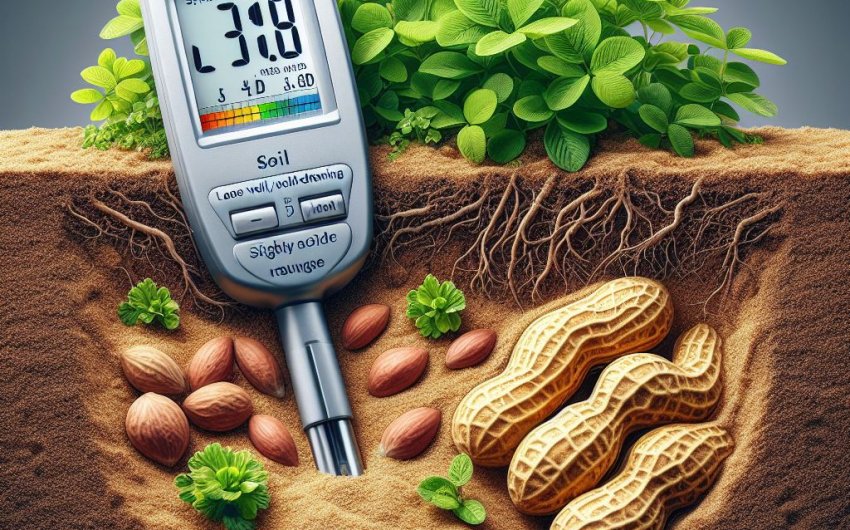
Growing Spanish peanuts can be an incredibly satisfying endeavor for any home gardener, yielding delicious, homegrown nuts perfect for roasting or making peanut butter. Unlike most fruits and vegetables that develop above ground, peanuts have a unique growth habit: their edible pods mature beneath the soil surface. This subterranean development means that the soil conditions play an absolutely critical role in the success of your peanut crop. The right soil isn't just a medium for growth; it's the very environment where the magic of nut formation happens.
Understanding the ideal soil conditions for Spanish peanuts is paramount to achieving a bountiful and high-quality harvest. From the texture that allows for easy "pegging" to the perfect balance of nutrients and moisture, every aspect of your soil contributes to the vitality and productivity of your plants. This guide will delve deep into what makes soil perfect for Spanish peanuts, providing practical advice on testing, amending, and maintaining your garden beds to ensure your underground treasures flourish. Let's dig into the secrets of perfect peanut soil.
Why Is Soil So Important for Spanish Peanuts?
How Does Soil Texture Affect Peanut Development?
The texture of the soil is perhaps the most critical factor for successful peanut development, particularly for the formation of the actual nuts. Unlike root vegetables that just push through soil, peanuts have a unique process called "pegging." After the flowers are pollinated above ground, a specialized stalk (called a "peg" or "ginophore") grows downwards, seeking to penetrate the soil. The actual peanut pods (nuts) then form and mature underground at the end of these pegs.
- Loose, sandy loam is ideal: Spanish peanuts thrive in loose, sandy loam soil. This type of soil has a good balance of sand, silt, and clay particles, with a higher proportion of sand.
- Easy penetration: The loose, open structure of sandy loam allows the delicate pegs to easily push into the ground without encountering too much resistance.
- Room for expansion: Once the peg is in the soil, the developing nuts need space to swell and grow. Loose soil provides this essential room, allowing the pods to fully develop to their optimal size.
- Heavy clay soils are problematic: In contrast, heavy clay soils are very dense and compact easily.
- Resistance to pegging: Clay soils offer too much resistance, making it difficult or impossible for the pegs to penetrate. Many pegs might simply abort or fail to develop into nuts.
- Constricted growth: Even if pegs manage to enter, the compacted clay can constrict the developing nuts, leading to small, misshapen, or poorly filled pods.
- Harvesting difficulty: Clay soil also makes harvesting very difficult, as the nuts cling tightly to the soil and are hard to dig up without damage.
The right soil texture ensures the physical conditions are perfect for the peanut's unique underground life cycle.
What Role Does Soil Drainage Play in Peanut Health?
Soil drainage is another non-negotiable requirement for healthy Spanish peanuts. While peanuts need consistent moisture, they are highly susceptible to problems in soggy, waterlogged conditions.
- Prevents root rot: In poorly draining soil, water sits around the roots for too long, depriving them of oxygen. This leads to root rot, a fungal disease that causes roots to turn mushy and dark, eventually killing the plant.
- Oxygen for roots and pegs: Like all living organisms, plant roots need oxygen to respire and absorb water and nutrients. In poorly drained soil, oxygen is pushed out by water. The developing pegs also need adequate oxygen in the soil to form and mature the nuts.
- Disease prevention: Wet, humid soil conditions promoted by poor drainage are also ideal for various fungal diseases that can affect the peanut plant itself (e.g., southern blight, stem rot).
- Nutrient availability: While water is essential for nutrient transport, constantly saturated soil can leach away vital nutrients or convert them into forms that plants cannot easily absorb.
Therefore, well-draining soil ensures the roots and developing nuts have access to both water and oxygen, crucial for vigorous growth and a good harvest.
Why Is Soil pH Important for Nutrient Uptake?
The pH of the soil refers to its acidity or alkalinity, measured on a scale from 0 to 14 (7 is neutral). Soil pH is critically important because it directly affects the availability of nutrients to plants. Even if all the necessary nutrients are present in the soil, they might be "locked up" and inaccessible to the plant if the pH is outside the optimal range.
- Optimal pH for Spanish Peanuts: Spanish peanuts prefer a slightly acidic to neutral soil pH, generally between 5.9 and 7.0. A pH around 6.0 to 6.5 is often considered ideal.
- Nutrient availability:
- Too acidic (low pH): In very acidic soils, essential nutrients like calcium, magnesium, and phosphorus can become less available, while others (like aluminum) can become too available, reaching toxic levels. Calcium deficiency is particularly problematic for peanuts, as it's directly absorbed by the developing pods from the surrounding soil.
- Too alkaline (high pH): In alkaline soils, micronutrients like iron, manganese, and zinc can become less available, leading to deficiencies.
- Rhizobia activity: Peanuts are legumes, meaning they have a symbiotic relationship with beneficial bacteria called Rhizobia in their roots. These bacteria form nodules on the roots and convert atmospheric nitrogen into a form the plant can use (nitrogen fixation). The activity of these Rhizobia bacteria is highly sensitive to soil pH, thriving best in the slightly acidic to neutral range. If the pH is off, the nitrogen fixation process is less efficient, requiring more external nitrogen supplementation.
A soil test is the only reliable way to know your soil pH and determine if amendments are needed. You can use a Soil pH Test Kit for easy home testing.
How Do I Test and Amend My Soil for Peanuts?
How to Conduct a Soil Test?
Conducting a soil test is the absolute first step in preparing your garden bed for Spanish peanuts. It takes the guesswork out of amending your soil and ensures you provide exactly what your plants need.
- Gather tools: You'll need a clean trowel or shovel, a clean bucket, and a sample bag (often provided by the lab, or a Ziploc bag).
- Collect samples: Take samples from several different spots across your peanut bed area. Dig down about 6-8 inches (the depth where most roots and peanuts will grow). Remove any surface debris like grass or leaves.
- Mix samples: Put all the samples into your clean bucket and mix them thoroughly. This ensures your final sample is representative of the entire bed.
- Air dry: Spread the mixed soil on a newspaper or clean surface to air dry for 12-24 hours. Do not use heat or direct sun, as this can alter results.
- Submit sample: Follow the instructions provided by your local extension office or a private lab. Fill your sample bag with the air-dried soil (usually about 1-2 cups), label it, and send it in. Specify that you are growing peanuts or vegetables so they can provide relevant recommendations.
- Interpret results: Your soil test report will provide details on soil pH, levels of major nutrients (nitrogen, phosphorus, potassium), and often micronutrients. It will also offer specific recommendations for amendments to achieve optimal conditions for peanut growth.
Acting on soil test results is crucial for success.
How to Adjust Soil pH for Peanuts?
Once you have your soil test results, you can adjust your soil pH to the ideal range for Spanish peanuts ((5.9 - 7.0)).
- To raise pH (make soil less acidic): If your pH is too low (e.g., below 5.9), you will need to add a material that increases alkalinity.
- Agricultural lime: This is the most common and effective way. It's available as calcitic lime (calcium carbonate) or dolomitic lime (calcium and magnesium carbonate). Dolomitic lime is good if your soil also lacks magnesium. Apply lime evenly and work it into the top 6-8 inches of soil. It takes several months to a year for lime to fully adjust pH, so apply it well in advance of planting, ideally in the fall before spring planting.
- To lower pH (make soil more acidic): If your pH is too high (e.g., above 7.0), you will need to add a material that increases acidity.
- Elemental sulfur: This is a common choice. Soil microbes convert sulfur into sulfuric acid, lowering the pH. It works slower than lime.
- Peat moss: Can temporarily lower pH and add organic matter.
- Iron sulfate: Can also lower pH and add iron.
Always follow the recommendations from your soil test report regarding the specific amounts of amendments to use, as applying too much can cause further problems.
What Amendments Improve Soil Texture and Drainage?
To achieve the ideal loose, sandy loam soil with good drainage for Spanish peanuts, you'll likely need to add amendments, especially if you have heavy clay or very sandy soil.
- For heavy clay soils (to improve drainage and looseness):
- Organic matter: This is your best friend. Incorporate generous amounts of compost, well-rotted manure, leaf mold, or aged wood chips. Organic matter helps break up clay particles, creating larger pore spaces for water and air, and improving overall soil structure.
- Coarse sand: While adding sand alone to clay can sometimes create concrete-like conditions, when combined with plenty of organic matter, it can help improve texture and drainage. Use coarse construction sand, not play sand.
- For very sandy soils (to improve water retention and nutrients):
- Organic matter: Again, compost is key. In sandy soils, organic matter acts like a sponge, increasing the soil's ability to hold onto water and nutrients that would otherwise leach away quickly.
- Compost: Regularly adding compost will slowly build up the soil's fertility and improve its capacity to retain both moisture and essential nutrients.
- Application: Dig in amendments to a depth of at least 12-18 inches, as this is where the peanuts will form. Thoroughly mix them into the existing soil to ensure an even distribution.
A good quality Organic Garden Compost can significantly transform your soil.
How to Address Nutrient Deficiencies?
Your soil test report will detail any nutrient deficiencies in your garden bed. Addressing these is vital for robust peanut plant growth and a good harvest.
- Nitrogen (N): While peanuts are legumes and fix their own nitrogen, they still need a small amount, especially when young, before nitrogen fixation is fully active. If your test shows low nitrogen, add a low-nitrogen fertilizer or more compost. Avoid excessive nitrogen, as it promotes leafy growth at the expense of peanut formation.
- Phosphorus (P): Crucial for strong root development and fruiting. If deficient, apply a phosphorus-rich fertilizer like bone meal or superphosphate.
- Potassium (K): Essential for overall plant vigor, disease resistance, and fruit quality. If deficient, apply potash or greensand.
- Calcium (Ca): Extremely important for peanut formation! Peanuts absorb calcium directly through their pegs and developing pods from the surrounding soil. If your soil is deficient, apply gypsum (calcium sulfate). Gypsum adds calcium without significantly altering soil pH. This is a common and important amendment for peanut beds.
- Micronutrients: If your test reveals deficiencies in micronutrients (e.g., boron, zinc, iron), apply a trace mineral supplement. Boron deficiency, in particular, can lead to "hollow heart" in peanuts.
Always follow the application rates recommended by your soil test to avoid over-fertilizing. A balanced Organic Vegetable Fertilizer can address many common deficiencies.
What Are Ideal Soil Conditions During Peanut Growth?
Why Is Consistent Soil Moisture Important?
Even with the best soil texture and drainage, consistent soil moisture is crucial throughout the peanut growing season, especially during key developmental stages.
- Germination: Seeds need continuous moisture to germinate successfully.
- Early growth: Young seedlings need consistent water to establish a strong root system.
- Flowering and pegging: This is a critical period. Peanuts need adequate moisture for successful flower formation and for the pegs to penetrate the soil easily. Dry conditions during this stage can lead to fewer pegs and thus fewer peanuts.
- Nut Development: Once the nuts begin to form underground, they need a steady supply of moisture to swell and mature properly. Irregular watering during this time can lead to poorly filled or shriveled nuts.
- Nutrient uptake: Water acts as the transport system for all nutrients from the soil to the plant. Without consistent moisture, nutrient uptake is impaired.
Aim to keep the soil consistently moist but never soggy. About 1 inch of water per week (through rain or irrigation) is a general guideline, adjusted for weather conditions.
How Does Maintaining Soil Looseness Affect Pegging?
Maintaining soil looseness throughout the growing season is critical because Spanish peanuts continue to produce new pegs from flowers over an extended period.
- Continuous pegging: Unlike some other plants, peanut plants don't produce all their nuts at once. They continue to flower and send down new pegs for weeks, or even months, after the initial flush.
- Resistance-free penetration: Each new peg needs to easily penetrate the soil. If the soil surface has become compacted due to heavy rain, foot traffic, or overhead watering, new pegs will struggle to enter, reducing your overall yield.
- Light hilling up: You can gently hill up loose, sandy soil or a mix of soil and compost around the base of the plants once they start flowering. This provides a fresh, loose medium for new pegs to enter. Be careful not to bury the foliage too much or damage existing pegs.
- Avoid compaction: Avoid walking on the peanut beds after planting. Use designated pathways around the beds if possible. Overhead watering can also lead to some surface compaction, so consider a soaker hose or drip irrigation for gentle, consistent moisture.
A loose, friable soil texture is essential from planting through the entire fruiting period. A Cultivator Hand Tool can help gently loosen surface soil.
What Is the Importance of Mulching for Peanuts?
Mulching around your Spanish peanut plants offers several significant benefits that directly support the ideal soil conditions for a successful harvest.
- Weed suppression: Mulch helps suppress weed growth by blocking sunlight. This is crucial because weeds compete with peanut plants for water, nutrients, and sunlight, effectively reducing the resources available for your peanuts. Less competition means stronger peanut plants.
- Moisture retention: A layer of mulch significantly reduces water evaporation from the soil surface, keeping the soil consistently moist for longer periods. This is especially beneficial during dry spells and ensures the steady moisture needed for peg and nut development.
- Soil temperature regulation: Mulch helps keep soil temperatures more stable, insulating roots from extreme heat in summer and preventing rapid temperature fluctuations.
- Soil texture improvement: As organic mulches (like straw or pine needles) decompose, they gradually add organic matter to the soil, further improving its texture, drainage, and fertility over time.
- Clean pegs: Mulch can help keep the developing pegs and pods cleaner by creating a barrier between the soil and the plant's foliage.
Apply a layer of light, loose mulch (like straw or chopped leaves) about 2-4 inches deep around your peanut plants once they are established and have been thinned. Ensure it's not too dense, so pegs can still penetrate easily. Organic Straw Mulch is an excellent choice for peanut beds.
What to Avoid in Soil Preparation for Peanuts?
Why Should I Avoid Heavy Nitrogen Fertilization?
While nitrogen is essential for plant growth, you should avoid heavy nitrogen fertilization for Spanish peanuts.
- Legume advantage: Peanuts are legumes, meaning they have a symbiotic relationship with Rhizobia bacteria in their roots. These bacteria form nodules that convert atmospheric nitrogen into a form the plant can use, essentially "fixing" their own nitrogen. This makes them less reliant on external nitrogen.
- Promotes leafy growth at expense of nuts: Too much available nitrogen in the soil encourages excessive leafy, vegetative growth (lush green foliage) at the expense of flower production and, more importantly, peanut formation. The tree becomes a "leaf machine" rather than a "nut machine."
- Reduced yield: While the plant may look vigorous above ground, an overabundance of nitrogen can actually lead to a reduced yield of peanuts.
Focus on providing balanced nutrients, particularly phosphorus, potassium, and calcium, rather than excessive nitrogen. A soil test will guide your nitrogen application precisely.
Why Is Good Drainage Non-Negotiable?
As reiterated throughout this guide, good drainage is non-negotiable for Spanish peanuts. There is no way around this requirement for a successful crop.
- Root health: Without good drainage, roots suffocate from lack of oxygen and quickly fall victim to root rot. A plant with compromised roots cannot absorb water or nutrients, leading to its decline and death.
- Peg development: The delicate pegs need well-aerated, loose soil to penetrate and develop into peanuts. Soggy, compacted soil is a death sentence for developing nuts.
- Disease prevention: Many serious peanut diseases thrive in wet, humid conditions. Good drainage helps keep the root zone drier and less hospitable to these pathogens.
- Harvesting: Trying to harvest peanuts from heavy, waterlogged soil is incredibly difficult. The nuts stick to the heavy mud, making it hard to dig them up without damaging them or leaving many behind.
If your soil has poor drainage, it's imperative to amend it heavily with organic matter and potentially coarse sand, or consider planting in raised beds to ensure optimal conditions.
What to Avoid When Amending Soil?
When amending soil for Spanish peanuts, certain practices or materials should be avoided to prevent problems.
- Avoid heavy, uncomposted organic matter: While organic matter is great, very fresh, uncomposted material can temporarily tie up nitrogen as it decomposes, potentially creating a nitrogen deficiency for your peanuts. It's also best to use well-rotted compost or manure.
- Avoid unbuffered peat moss for pH adjustment: While peat moss adds organic matter and helps retain moisture, using it solely to lower pH can lead to very acidic conditions if not carefully monitored with soil tests.
- Avoid over-applying any amendment: Applying too much lime, sulfur, or fertilizer can throw off soil pH or nutrient balance, causing deficiencies or toxicities. Always rely on soil test recommendations.
- Avoid compacting the soil: After you've worked hard to loosen your soil, avoid walking on the prepared beds, especially when wet, as this will undo your efforts and lead to compaction, which is detrimental to peanuts.
- Avoid using soil from diseased areas: If you've had previous peanut diseases in a spot, either rotate your crop to a new area or ensure thorough soil solarization or replacement before planting peanuts again.
Careful, informed soil amendment is key to giving your Spanish peanuts the best start and a thriving environment throughout their growth cycle.