
How to Grow Spanish Peanuts in My Garden?
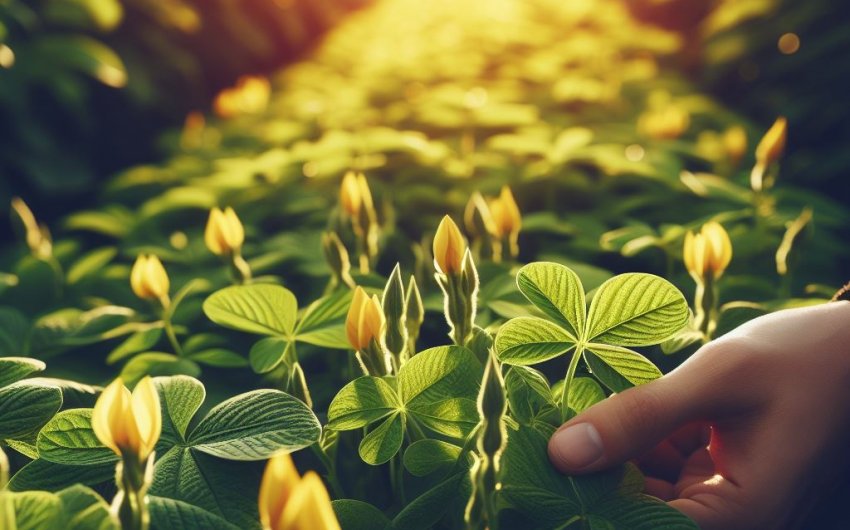
There’s something uniquely satisfying about growing your own food, and while many gardeners focus on common vegetables like tomatoes and beans, a truly special reward awaits those who venture into growing something a bit more unusual: peanuts. Yes, the very same crunchy legumes you enjoy as a snack can be cultivated right in your backyard! Among the different types, Spanish peanuts are a fantastic choice for home gardeners. They are known for their smaller, rounder kernels, high oil content, and that distinctly nutty flavor, making them perfect for roasting, boiling, or even making your own peanut butter.
Growing Spanish peanuts might sound like a big undertaking, but it's surprisingly accessible, even for gardeners with limited experience. They are warmth-loving plants, thriving in sunny conditions and well-drained soil, making them a great fit for many climates. The most fascinating part of growing peanuts isn't above ground, where a relatively unassuming green plant produces yellow, pea-like flowers. It's what happens below the soil, a unique botanical process where the flowers' ovaries actually burrow into the earth to develop the familiar peanut pods. This subterranean magic is what makes harvesting your own peanuts so incredibly rewarding.
This guide will walk you through everything you need to know to successfully grow Spanish peanuts in your garden, from choosing the right seeds to harvesting your bountiful crop. It's a journey that combines a bit of botanical wonder with the simple pleasure of growing your own delicious snacks. Get ready to discover the secrets to cultivating these delightful legumes and adding a truly unique crop to your edible garden.
Why Grow Spanish Peanuts in Your Garden?
Growing Spanish peanuts offers a host of benefits that go beyond just a tasty snack. They're a unique addition to the home garden with some specific advantages.
What Makes Spanish Peanuts Different?
There are four main types of peanuts: Runner, Virginia, Spanish, and Valencia. Spanish peanuts are distinguished by several key characteristics:
- Smaller Kernels: They have smaller, rounder kernels compared to other types.
- Reddish-Brown Skins: Their skins are typically a noticeable reddish-brown color.
- High Oil Content: This gives them a rich, nutty flavor, especially when roasted. This high oil content also makes them excellent for homemade peanut butter.
- Faster Maturation: Spanish varieties tend to mature more quickly than other types, often in about 100-120 days. This makes them a great choice for areas with slightly shorter growing seasons.
- Bushy Growth: They typically have a more upright, bushy growth habit, which can be beneficial in a home garden space.
Why Grow Peanuts at Home?
Growing peanuts at home offers several compelling reasons:
- Unique Crop: It's a fun and unusual crop that will impress your gardening friends and family. It's a chance to grow something truly different from your usual tomatoes and zucchini.
- Freshness and Flavor: Homegrown peanuts, especially when freshly roasted or boiled, have a flavor that's hard to beat compared to store-bought ones. You control the quality from seed to snack.
- Educational for Kids: The fascinating way peanuts grow (flowering above ground, then "pegging" into the soil to form pods) is a wonderful educational experience for children and adults alike. It's a hands-on lesson in plant biology.
- Cost Savings: If you consume a lot of peanuts, growing your own can lead to cost savings over time.
- Food Security: Like any home-grown food, it contributes to your personal food security.
Are Peanuts Easy to Grow?
Yes, peanuts are surprisingly easy to grow, provided you meet their basic needs. They are not overly fussy about pests or diseases, and their main requirements are warmth, plenty of sunshine, and well-drained soil. They do require a fairly long growing season (at least 100 frost-free days), but if you live in a warm climate, they can be a very rewarding crop. The key is understanding their unique growth habit and ensuring the soil conditions are right for their underground development.
Do Peanuts Improve Soil Health?
Like all legumes (plants that belong to the pea family), peanuts are beneficial for soil health. They have a special relationship with certain bacteria in the soil that can take nitrogen from the air and convert it into a form plants can use. This process is called nitrogen fixation. This means peanuts can actually enrich your soil with nitrogen, reducing the need for additional nitrogen fertilizers for subsequent crops. They are a great rotation crop to plant before heavy nitrogen feeders like corn or leafy greens.
What Do You Need to Start Growing Spanish Peanuts?
To successfully cultivate Spanish peanuts, gathering the right materials and understanding their basic requirements before you begin is essential.
What Kind of Seeds Should You Use?
The most important step is getting the right seeds. You can't just plant roasted peanuts from the grocery store – those won't sprout! You need raw, unshelled, unroasted Spanish peanut seeds meant for planting.
- Look for reputable seed suppliers: Purchase from garden centers, nurseries, or online seed companies that specialize in edible gardening seeds.
- Variety choice: Ensure it's a Spanish variety, as these tend to mature faster.
- Avoid treated seeds: If you plan to eat the peanuts, make sure the seeds haven't been treated with fungicides or pesticides. You can find Spanish peanut seeds for planting from various sources.
How Much Sun Do Peanuts Need?
Peanuts need full sun, meaning at least 6-8 hours of direct sunlight per day. The more sun they get, the better they will grow and the more peanuts they will produce. Choose the sunniest spot in your garden for your peanut patch. Without enough sun, the plants will be weak, produce fewer flowers, and, most importantly, fewer pods underground.
What Kind of Soil Do Peanuts Prefer?
Peanuts thrive in loose, well-drained, sandy loam soil. This is crucial for their unique growth habit. Remember, the peanut pods develop underground, so the soil needs to be soft and easy for the "pegs" (the developing ovaries) to penetrate.
- Loose Soil: Heavy clay soil will make it difficult for the pegs to push into the ground, resulting in fewer or deformed peanuts. If you have clay soil, amend it heavily with sand, compost, and other organic matter to improve its texture and drainage.
- Well-Drained: Peanuts do not like soggy roots.
- Slightly Acidic to Neutral pH: A soil pH between 5.9 and 7.0 is ideal. A soil test can tell you your current pH.
- Nutrient Content: While peanuts fix their own nitrogen, they still benefit from good soil fertility. Amend your soil with compost before planting.
Do Peanuts Need Warmth?
Yes, peanuts are warmth-loving plants. They need consistently warm temperatures for germination and growth.
- Soil Temperature: The soil temperature should be at least 65°F (18°C) for successful germination. Planting too early in cold soil will lead to poor sprouting or rot.
- Air Temperature: They thrive in daytime temperatures between 70-90°F (21-32°C). They are very sensitive to frost, so ensure all danger of frost has passed before planting. If you live in a cooler climate, you might consider starting seeds indoors.
How Do You Prepare the Garden Bed?
Before planting, prepare your garden bed thoroughly.
- Clear Weeds: Remove all weeds from the planting area.
- Loosen Soil: Dig down at least 8-12 inches (20-30 cm) and loosen the soil. For clay soils, dig even deeper and mix in significant amounts of sand and compost.
- Amend with Organic Matter: Incorporate a generous amount of well-rotted compost or aged manure into the soil. This improves fertility, drainage, and texture, making it easier for peanuts to develop underground.
- Form Raised Beds (Optional but Recommended): In areas with heavy rainfall or poor drainage, creating raised garden beds filled with a sandy loam mix can be highly beneficial for growing peanuts. This ensures excellent drainage and allows for loose, easy-to-penetrate soil. A raised garden bed kit can simplify this process.
How Do You Plant Spanish Peanuts?
Once your garden bed is prepared and the temperatures are right, planting Spanish peanuts is straightforward. The key is understanding how the seeds should be planted.
Should You Shell Peanut Seeds Before Planting?
Yes, you need to shell your peanut seeds before planting, but be very gentle! Each peanut pod contains one or more kernels. The goal is to plant the individual kernels.
- Handle with care: The skin (testa) on the individual peanut kernel is very delicate. Try not to rub it off or damage it. This skin protects the embryo inside.
- Separate kernels: Gently break open the shell to get the whole kernels out.
- Do not soak: Unlike some other seeds, soaking peanut seeds before planting is generally not recommended as it can encourage rot.
When is the Best Time to Plant Peanuts?
Plant peanut seeds after all danger of frost has passed in your area and once the soil temperature is consistently above 65°F (18°C). This usually means late spring or early summer, around the same time you would plant beans or corn. Planting too early in cold soil can lead to poor germination and seeds rotting in the ground.
How Deep and Far Apart Should You Plant Peanut Seeds?
Plant peanut kernels about 1-2 inches deep (2.5-5 cm).
- Spacing: For Spanish varieties, plant them about 6 inches apart (15 cm) in rows that are 24-36 inches (60-90 cm) apart. This spacing allows for good airflow and room for the plants to spread slightly.
- Firm the soil: Gently firm the soil over the seeds after planting.
- Watering: Water the planting area immediately after planting to ensure good seed-to-soil contact.
Can You Start Peanut Seeds Indoors?
If you live in a region with a shorter growing season (less than 100 frost-free days), you can start peanut seeds indoors about 3-4 weeks before your last frost date.
- Containers: Use individual biodegradable pots, like peat pots or paper pots, about 4 inches (10 cm) in diameter. Peanuts don't like root disturbance.
- Potting mix: Use a light, well-draining seed-starting mix.
- Care: Keep the soil consistently moist and provide plenty of warmth and bright light (a grow light can be beneficial).
- Transplanting: When transplanting, be extra gentle to avoid disturbing the roots. Plant the entire biodegradable pot into the garden bed once soil temperatures are warm enough.
How Do You Care for Spanish Peanuts During the Growing Season?
Once your Spanish peanuts are planted and growing, a few simple care practices will help them thrive and produce a bountiful harvest.
How Often Should You Water Peanuts?
Peanuts need consistent moisture, especially during flowering and pegging.
- Germination and early growth: Keep the soil consistently moist but not waterlogged during germination and the first few weeks of growth.
- Flowering and pegging: This is the most critical time for water. Ensure the soil remains evenly moist. Inconsistent watering during this phase can lead to fewer or smaller peanuts.
- Later in the season: Once pods begin to form, you can reduce watering slightly. As harvest approaches, reduce watering even more to allow the pods to dry out.
- Deep watering: Always water deeply to encourage deep root growth. Check soil moisture before watering.
Do Peanuts Need Fertilizing?
As legumes, peanuts fix their own nitrogen, so you generally do not need to add nitrogen fertilizer. In fact, too much nitrogen can lead to lush leafy growth at the expense of peanut production.
- Phosphorus and Potassium: They do benefit from adequate levels of phosphorus and potassium. If your soil test indicates a deficiency, you can incorporate a balanced fertilizer (low in nitrogen) or a specific phosphorus/potassium supplement before planting.
- Calcium: Calcium is especially important for proper pod development and to prevent "pops" (empty shells). If your soil is very low in calcium or has low pH, you can add gypsum (calcium sulfate) to the soil surface around flowering time. A soil testing kit can help identify deficiencies.
How Do Peanuts "Peg"?
This is the most unique and fascinating part of growing peanuts!
- Above-ground flowers: After about 30-40 days, the peanut plant will produce small, yellow, pea-like flowers above ground. These flowers are self-pollinating and only last for a day.
- The "peg": Once a flower is pollinated, its ovary (which contains the developing peanut) elongates and forms a thin, pointed stalk called a "peg."
- Underground development: This peg grows downwards, pushing into the soft soil. Once it buries itself 1-2 inches deep, the tip begins to swell, and the actual peanut pod develops there. This process continues for several weeks. This is why loose, sandy soil is so crucial – the pegs need to easily penetrate the soil to form peanuts.
Do You Need to Mound Soil Around Peanut Plants?
Some gardeners will lightly mound loose soil (or loose compost/sand) around the base of the peanut plants once the flowers start to appear. This is called hilling or blanching. This provides an easier medium for the developing pegs to penetrate, especially if your native soil is not perfectly loose. It also ensures the pegs stay covered, which is essential for proper pod formation. Use a small hand cultivator for this task.
How Do You Manage Weeds Around Peanuts?
Weed control is important, especially in the early stages of growth, as weeds can compete with young peanut plants for water and nutrients.
- Shallow cultivation: Since peanuts form pods just below the surface, be very careful with weeding. Cultivate shallowly to avoid disturbing the developing pegs.
- Mulch: Once plants are established, apply a layer of light, organic mulch like straw around the base of the plants. This will help suppress weeds, conserve soil moisture, and keep the soil loose for the pegs. Avoid thick, heavy mulches that could hinder peg penetration.
What Pests and Diseases Affect Peanuts?
Peanuts are generally quite resilient, but like any crop, they can face some issues:
- Leaf Spot Diseases: Fungal diseases like early and late leaf spot can cause spots on leaves and premature defoliation. Good air circulation and resistant varieties help.
- Aphids: Small insects that can cluster on new growth. A strong spray of water can dislodge them.
- Blister Beetles: Can defoliate plants. Hand-picking is often the best method for home gardens.
- Root-Knot Nematodes: Microscopic worms that can damage roots, leading to stunted growth. Crop rotation and resistant varieties are key if these are a problem in your area.
- Rodents and Wildlife: Once peanuts start to form, critters like squirrels, mice, and raccoons might be interested in your crop. Fencing or protective measures may be needed as harvest approaches.
How Do You Harvest and Cure Spanish Peanuts?
The most exciting part of growing Spanish peanuts is the harvest, but getting it right involves more than just pulling them out of the ground. Proper curing is essential for good flavor and storage.
When are Peanuts Ready for Harvest?
Spanish peanuts are typically ready for harvest in about 100-120 days after planting, depending on the specific variety and your growing conditions.
- Signs of maturity: The most reliable sign is when the leaves start to turn yellow and the plant begins to look a bit tired.
- Dig a test plant: A week or two before you think they're ready, dig up a single plant. Check the pods: they should be plump, the shells should be well-formed, and the inner lining of the shell should have started to turn brown. If the inner lining is still white, they need more time.
How Do You Harvest Peanuts?
Harvesting peanuts is relatively simple:
- Reduce watering: A week or two before harvest, reduce watering to allow the soil to dry out a bit. This makes digging easier and helps prevent mold during curing.
- Loosen the soil: On a dry, sunny day, use a digging fork or shovel to carefully loosen the soil around the base of the plant.
- Pull up the plant: Gently lift the entire plant from the ground. The peanuts will be clinging to the roots, still attached by their pegs.
- Shake off excess soil: Gently shake off most of the loose soil from the roots and pods.
What is Curing and Why is It Important?
Curing is a crucial step that makes peanuts safe to store and improves their flavor. It's the process of slowly drying the peanuts.
- Flavor development: Curing allows the natural oils and sugars to develop, giving peanuts their characteristic nutty taste.
- Prevents mold and spoilage: It reduces the moisture content, preventing mold growth and ensuring the peanuts can be stored long-term.
- Shell hardening: It helps the shells harden and fully form.
How Do You Cure Peanuts?
There are a few ways to cure peanuts:
- Traditional Method (Whole Plant): This is ideal if you have enough space. After digging, leave the entire plant (peanuts still attached) in a warm, dry, well-ventilated spot for 2-4 weeks. You can hang them upside down from rafters in a garage, shed, or covered porch, or lay them out on screens. Good airflow is key.
- Separated Pods: If space is limited, you can gently pull the pods off the plants after digging. Spread the unshelled peanuts in a single layer on screens or trays in a warm, dry, well-ventilated area for 2-4 weeks. Stir them occasionally to ensure even drying. Don't rush the drying process. Patience here will pay off with better-tasting and longer-lasting peanuts. The peanuts are fully cured when the shells are brittle, and the kernels are crisp when broken open.
How Do You Store Cured Peanuts?
Once fully cured, store unshelled peanuts in a cool, dry, dark place in mesh bags or breathable containers (like burlap bags or onion sacks). Do not store them in airtight containers, as any remaining moisture can lead to mold.
- Shelled peanuts: If you shell them, store the kernels in an airtight container in the refrigerator or freezer to extend their freshness and prevent them from going rancid. A food storage container set can be useful for this.
How Do You Enjoy Your Homegrown Spanish Peanuts?
The best part of growing Spanish peanuts is, of course, enjoying your delicious harvest! There are many ways to prepare and savor them.
How Do You Roast Peanuts?
Roasting brings out the rich, nutty flavor of Spanish peanuts and is a popular way to enjoy them.
- Preheat oven: Preheat your oven to 350°F (175°C).
- Spread out: Spread unshelled or shelled peanuts in a single layer on a baking sheet.
- Roast:
- Shelled peanuts: Roast for 15-20 minutes, stirring occasionally.
- Unshelled peanuts: Roast for 20-25 minutes, stirring occasionally.
- Check for doneness: They are done when the skins easily slip off (if shelled) and they have a slightly darker, golden color and a fragrant aroma. Be careful not to burn them; they continue to cook a bit after removal from the oven.
- Cool: Let them cool completely on the baking sheet. They will become crispier as they cool. You can then add salt to taste. A reliable baking sheet is essential.
How Do You Boil Peanuts?
Boiled peanuts are a beloved Southern snack, and Spanish peanuts are excellent for this! Their smaller size and high oil content make them perfect.
- Wash peanuts: Thoroughly wash the unshelled raw peanuts to remove any dirt.
- Soak (optional): For faster boiling, you can soak the peanuts in water overnight.
- Boil: Place peanuts in a large pot and cover with water, ensuring at least an inch of water above the peanuts. Add plenty of salt (1/2 to 1 cup of salt per gallon of water, adjusting to taste).
- Cook: Bring to a boil, then reduce heat and simmer. Boil for 1-3 hours for fresh green peanuts, or 4-8 hours for dried raw peanuts. Test for doneness: the shells should be soft, and the kernels tender, not crunchy.
- Drain and enjoy: Once cooked to your liking, drain the water. They are best enjoyed warm. A good stock pot is perfect for boiling.
How Do You Make Homemade Peanut Butter?
Making homemade peanut butter with your homegrown Spanish peanuts is incredibly rewarding and simple.
- Roast peanuts: Lightly roast your shelled Spanish peanuts at 350°F (175°C) for 15-20 minutes until lightly golden. This helps release their oils.
- Remove skins (optional): While not strictly necessary, removing the skins can give a smoother peanut butter.
- Process: Place the warm, roasted peanuts in a powerful food processor or high-speed blender.
- Blend: Blend continuously. It will go through several stages: first, a coarse crumb, then a fine powder, then a thick paste, and finally, after several minutes, a smooth, creamy butter as the oils are released.
- Addings (optional): You can add a pinch of salt, a spoonful of honey or maple syrup, or a tiny bit of peanut oil if you prefer a thinner consistency. Store your homemade peanut butter in an airtight container in the refrigerator. A food processor is indispensable for this task.
What are Other Ways to Enjoy Peanuts?
Beyond roasting, boiling, and peanut butter, your homegrown Spanish peanuts can be enjoyed in many other ways:
- Peanut Brittle: A classic candy that showcases their nutty flavor.
- Stir-fries and Asian Dishes: Add roasted peanuts for crunch and flavor.
- Baked Goods: Incorporate into cookies, cakes, or granola bars.
- Salads: Top salads with roasted peanuts for added texture and protein.
- Snacking: Simply shelled and eaten raw (after curing) or lightly roasted for a healthy snack. The possibilities are endless once you have your fresh, homegrown supply!