
Fresh Garden Ideas to Ignite Your Imagination and Spruce Up Your Space
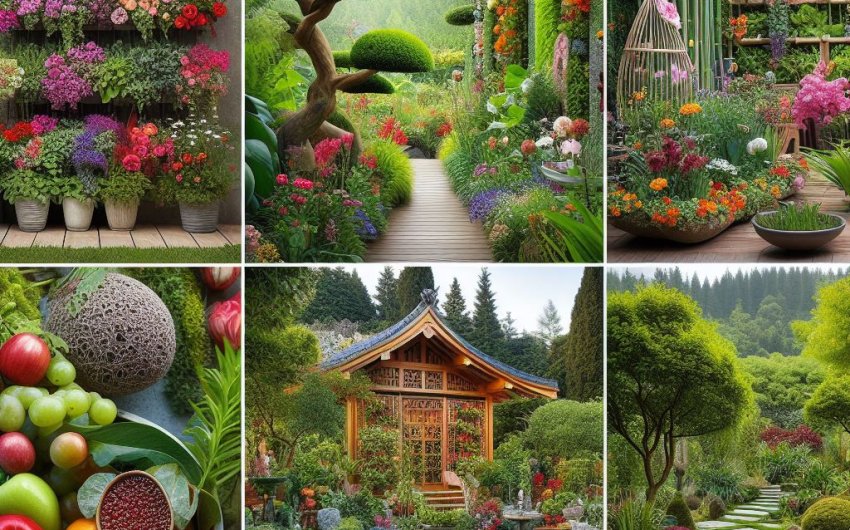
Do you ever look at your garden or outdoor space and feel like it needs a little something extra? Maybe it's a blank slate that feels a bit overwhelming, or perhaps it's an old favorite that could use a new spark. Whatever your situation, getting some fresh garden ideas can truly ignite your imagination! Your garden isn't just about plants; it's an outdoor living room, a peaceful retreat, a place to entertain, or even a mini farm. It’s a canvas waiting for your personal touch. This guide is packed with creative concepts to help you spruce up your space, no matter its size or your budget. Get ready to transform your ordinary yard into an extraordinary oasis!
How Can I Create a Themed Garden?
A themed garden tells a story or evokes a certain feeling. It’s a fantastic way to add personality and a unique flair to your space. Thinking about a theme first can help guide all your plant and decor choices.
Mediterranean Escape
Imagine the sun-drenched coasts of Italy or Greece. A Mediterranean garden is all about warmth, relaxed vibes, and hardy plants.
Key Plants
- Lavender: For its beautiful purple blooms and calming scent.
- Rosemary: A fragrant herb that thrives in sunny, dry conditions.
- Olive Trees: Even a small potted olive tree can add an authentic touch.
- Cypress Trees: If space allows, their tall, slender shape is iconic.
- Geraniums and Bougainvillea: For pops of vibrant color.
Decor Elements
- Terra Cotta Pots: Abundant and varied in size, they're essential.
- Stone or Gravel Paths: Crushed gravel adds to the authentic feel and good drainage.
- Ceramic Tiles: Used as accents in paving or on a wall.
- Fountains: A simple trickling fountain adds cooling sound. A Mediterranean-style water fountain would fit perfectly.
- Wrought Iron Furniture: Elegant and timeless.
Zen Retreat
A Zen garden is about peace, balance, and simplicity. It's a place for quiet reflection and calming the mind.
Key Elements
- Raked Sand or Gravel: Represents water. The patterns you rake can be meditative. A small hand rake is essential.
- Rocks and Boulders: Symbolize mountains or islands. Place them thoughtfully to create visual balance.
- Minimal Plantings: Use a few carefully chosen plants like moss, bonsai, or small, well-pruned evergreen shrubs.
- Water Feature: A simple basin or bamboo spout adds gentle sounds. A bamboo water fountain kit could work.
Design Principles
- Asymmetry: Avoid perfect symmetry; natural beauty is often imperfect.
- Emptiness: White space is important for a sense of calm and openness.
- Borrowed Scenery (Shakkei): Incorporate views outside your garden, like a distant tree or mountain, into your garden's design.
Cottage Charm
A cottage garden is lush, informal, and filled with a riot of colors and textures. It’s inviting and a little wild, with a touch of old-world romance.
Key Plants
- Roses (Climbing and Bush): Classic and fragrant.
- Delphiniums, Foxgloves, Hollyhocks: Tall, stately flowers that add vertical interest.
- Phlox, Coneflowers, Daisies: Abundant and colorful.
- Herbs: Planted alongside flowers for fragrance and utility.
- Climbing Vines: Over arbors, fences, or walls.
Decor Elements
- Winding Paths: Made from stepping stones or gravel.
- Arbors and Trellises: To support climbing roses and vines. A garden arbor can create a charming entrance.
- Bird Baths and Feeders: Attracts cheerful wildlife.
- Vintage or Repurposed Items: Old watering cans, rusty tools, or antique garden furniture used as decor.
- Picket Fences: The quintessential cottage garden border.
Edible Oasis
Why just grow flowers when you can grow food? An edible garden is both beautiful and bountiful, offering fresh produce right outside your door.
Key Plants
- Raised Beds for Vegetables: Grow tomatoes, peppers, lettuce, carrots, beans, etc. A raised garden bed kit is an excellent start.
- Berry Bushes: Blueberries, raspberries, strawberries.
- Fruit Trees (Dwarf Varieties): Apples, pears, cherries, even citrus in pots.
- Herb Garden: A dedicated section for basil, mint, rosemary, thyme, etc.
- Edible Flowers: Nasturtiums, pansies, borage can add beauty to dishes.
Design Elements
- Companion Planting: Group plants that help each other grow (e.g., basil near tomatoes).
- Vertical Growing: Use trellises and cages for vining plants like cucumbers and pole beans to save space.
- Watering System: A drip irrigation system saves water and effort.
- Pollinator-Friendly Flowers: Attract bees and butterflies to help pollinate your edible plants.
What Creative Planting Methods Can I Try?
Thinking outside the traditional garden bed can open up a world of possibilities, especially for small spaces or unique aesthetics. These fresh garden ideas use innovative ways to display your plants.
Vertical Gardens
If you have limited ground space, go up! Vertical gardens are perfect for walls, fences, or even indoors.
Living Walls
These are systems where plants grow vertically in modular panels or pockets attached to a wall. You can grow herbs, succulents, flowers, or even small vegetables. They add a stunning green feature and save a lot of space. A vertical garden planter can be a great starter.
Pallet Gardens
Repurpose wooden pallets into vertical planters. Simply stand a pallet upright, staple fabric landscaping bags or attach small pots to the slats, and plant away. Great for herbs or small annuals.
Hanging Planters
Use hanging baskets, tiered planters, or macrame hangers to suspend plants from pergolas, porch ceilings, or wall brackets. They add greenery at different eye levels.
Ladder Shelves
An old wooden ladder can be painted and used as a multi-tiered plant stand, perfect for potted herbs or small flowers.
Container Gardening Extravaganza
Don't have a yard? No problem! Container gardening allows you to grow almost anything in pots, and you can arrange them creatively.
Grouping and Layering
Group pots of different sizes and heights together to create visually interesting vignettes. Use tall plants in the back, medium ones in the middle, and trailing plants at the front.
Thriller, Filler, Spiller
This is a popular container design technique:
- Thriller: A tall, dramatic plant for the center (e.g., canna lily, ornamental grass).
- Filler: Medium-height plants that fill out the middle (e.g., petunias, coleus).
- Spiller: Trailing plants that cascade over the edge of the pot (e.g., sweet potato vine, creeping jenny).
Repurposed Containers
Get creative with your containers! Old tires, bathtubs, wheelbarrows, colanders, or even boots can become quirky and unique planters. Just ensure they have drainage holes.
Raised Beds with Purpose
Raised garden beds aren't just for vegetables. They can be used to create distinct zones and solve specific gardening challenges.
Edible Raised Beds
Perfect for growing herbs, vegetables, and even cut flowers. They offer better drainage, less weeding, and warmer soil earlier in spring. A wood raised garden bed adds a rustic touch.
Herb Spiral
A compact and attractive way to grow many herbs. Build a spiral shape out of rocks or bricks, filling it with soil. The different levels and sun exposures create microclimates perfect for a variety of herbs, from rosemary (dry, top) to mint (moist, bottom).
Keyhole Garden
A circular raised bed with a central composting basket. You add kitchen scraps to the basket, and the nutrients leach into the soil, feeding the surrounding plants. Great for sustainability and reducing waste.
What Ambience and Decor Elements Can I Add?
Beyond the plants, the right decor and ambience can transform your garden into a truly magical and inviting space. These fresh garden ideas focus on engaging all your senses.
Magical Lighting
Lighting extends the use of your garden into the evening and creates a wonderful mood.
String Lights
Also known as bistro lights or fairy lights, these are perhaps the easiest and most impactful way to add charm. String them over a patio, wrap them around trees, or drape them through a pergola. They create a warm, inviting glow. A popular choice are outdoor string lights.
Pathway Lighting
Solar-powered pathway lights illuminate walkways for safety and define garden beds. They cast a soft, subtle glow.
Lanterns and Candles
Group decorative outdoor lanterns on tables or hang them from hooks. Battery-operated LED candles provide a safe, flickering glow without the fire hazard.
Up-lighting
Place spotlights at the base of trees or special plants to highlight their features at night, creating dramatic shadows and focal points.
Soothing Sounds
Engage your sense of hearing for ultimate relaxation.
Water Features
The gentle sound of running water is incredibly calming. Choose from small tabletop fountains, bubbling rock features, or larger multi-tiered fountains. A tiered garden fountain can add a prominent sound.
Wind Chimes
Select wind chimes that produce soft, harmonious tones rather than clanging noises. Hang them where they can catch a gentle breeze.
Attract Wildlife
Plant flowers and shrubs that attract birds and beneficial insects. The natural sounds of chirping birds and buzzing bees enhance the garden's ambiance.
Comfort and Relaxation Zones
Make your garden a place you want to linger.
Cozy Seating
Invest in comfortable outdoor furniture. Deep-seating sofas with plush cushions, lounge chairs, or a swinging egg chair invite relaxation. A patio lounge chair is perfect for stretching out.
Outdoor Rugs and Pillows
An outdoor rug defines a seating area, making it feel like an outdoor room. Add weather-resistant throw pillows and blankets for extra comfort and color.
Fire Pit
A fire pit provides warmth on cool evenings and a captivating focal point for gatherings. It’s perfect for roasting marshmallows and telling stories. A propane fire pit table offers convenience and a sleek look.
Art and Personal Touches
Showcase your style with unique decorative elements.
Garden Art
From whimsical statues to elegant sculptures, garden art adds personality. Consider weather-resistant wall art for fences or shed walls.
Stepping Stones
Decorated stepping stones can add charm to pathways or define a specific area. You can even create your own with kits.
Repurposed Items
Give new life to old items. An antique watering can can become a planter, an old wagon can hold potted herbs, or colorful old bottles can hang as sun catchers.
How Can I Make My Garden Sustainable and Eco-Friendly?
A beautiful garden can also be kind to the planet. These fresh garden ideas focus on practices that are good for nature and can save you resources.
Water Conservation
Saving water is crucial for a sustainable garden.
Rain Barrels
Install a rain barrel to collect rainwater from your gutters. This free, chemical-free water is perfect for irrigating your garden. A rain barrel kit is an easy way to get started.
Drip Irrigation or Soaker Hoses
These systems deliver water directly to the plant roots, minimizing evaporation and waste compared to overhead sprinklers. They're also great for consistent watering.
Mulch
Apply a layer of mulch (wood chips, straw, shredded leaves, or compost) around your plants. Mulch helps the soil retain moisture, suppresses weeds, and regulates soil temperature.
Drought-Tolerant Plants
Choose plants that are native to your region or are known for being drought-tolerant. They require less water once established. Succulents, certain ornamental grasses, and many Mediterranean herbs are good choices.
Soil Health and Composting
Healthy soil means healthy plants.
Compost Your Scraps
Start a compost bin for kitchen scraps and yard waste. Composting creates rich, nutrient-filled soil amendment that improves soil structure and reduces the need for chemical fertilizers. A compost tumbler makes turning compost easy.
Use Organic Fertilizers
Opt for organic fertilizers or natural soil amendments like worm castings or bone meal instead of synthetic chemicals. They feed the soil microbes and slowly release nutrients.
No-Dig Gardening
This method involves layering organic matter on top of the soil rather than digging or tilling. It improves soil structure, reduces compaction, and is gentler on soil organisms.
Support Biodiversity
Encourage a thriving ecosystem in your garden.
Pollinator Gardens
Plant a variety of nectar-rich flowers to attract bees, butterflies, and hummingbirds. These pollinators are vital for healthy ecosystems and for producing fruits and vegetables. Include flowers of different shapes and bloom times. A good resource for seeds is wildflower seed mix for pollinators.
Native Plants
Choose native plants that are naturally adapted to your local climate and soil conditions. They often require less water, fertilizer, and pest control, and they provide habitat and food for local wildlife.
Insect Hotels
Build or buy an insect hotel to provide shelter for beneficial insects like solitary bees, ladybugs, and lacewings. These insects can help control garden pests naturally.
Bird Baths and Feeders
Provide fresh water and food for birds. Birds help control insect populations and add cheerful sounds to your garden.
Reduce, Reuse, Recycle
Embrace creativity by using recycled and repurposed materials.
Repurposed Planters
As mentioned, use old tires, buckets, tin cans, or even old furniture pieces as unique planters. Just ensure proper drainage.
DIY Decor
Create your own garden decor from salvaged materials. Old shutters can become a backdrop for vertical plants, or broken pottery can be used for mosaics.
Buy Local
When purchasing plants and supplies, buy from local nurseries. This supports local businesses and reduces the environmental impact of long-distance transport.
By incorporating these fresh garden ideas, you can transform your outdoor space into a personal sanctuary that is beautiful, functional, and environmentally friendly. Get creative, have fun, and watch your garden imagination bloom!