
How to Start a Seed Bank for Your Garden: A Step-by-Step Guide
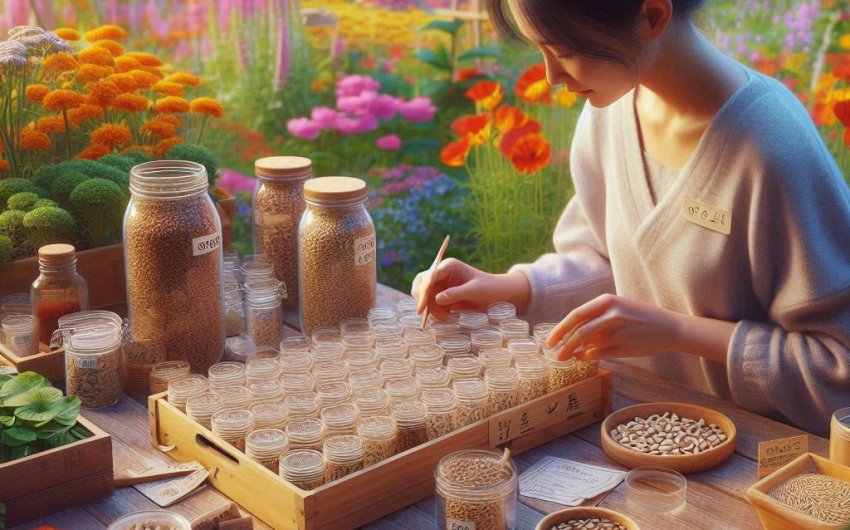
Creating a seed bank for your garden is one of the best ways to preserve your favorite plants, ensure future harvests, and cultivate a variety of crops. Having a seed bank allows you to grow a wider range of plants and saves you money in the long run, as you won’t need to buy seeds each season. Plus, you can keep seeds from rare or heirloom varieties, helping to preserve biodiversity and protect plant genetics.
Here’s a step-by-step guide on how to start your own seed bank from scratch, covering everything from choosing the right seeds to properly storing them.
What is a Seed Bank?
A seed bank is a collection of seeds saved and stored for future use. For gardeners, this means keeping a diverse collection of seeds from different plants, which can be used for seasonal planting. Seed banks are not only valuable for personal gardening but also essential for preserving the genetic diversity of plants, including vegetables, herbs, and flowers. They act as a backup source in case of crop failure and help ensure that unique or heritage plants remain available for generations.
Starting a seed bank is simple, and you can grow it over time as you save more seeds from your garden.
Step 1: Choose Seeds for Your Seed Bank
The first step in creating a seed bank is selecting the types of seeds you want to save. Think about the plants you love, ones that grow well in your climate, and any heirloom varieties you’d like to preserve. Choosing heirloom seeds or open-pollinated seeds is ideal because they can produce true-to-type plants each season, unlike hybrid seeds.
Best Types of Seeds to Start With
- Vegetables: Tomatoes, peppers, beans, and squash are great choices as they’re relatively easy to save.
- Herbs: Basil, cilantro, and dill are perfect for seed saving and add flavor to your garden.
- Flowers: Marigolds, zinnias, and cosmos are beautiful, attract pollinators, and produce seeds easily.
Order heirloom seed packs (available for $15–$30) to add a variety of vegetables and herbs to your seed bank.
Advertisement
Step 2: Gather the Right Tools for Seed Saving
To save seeds effectively, you’ll need a few basic tools to help with collection, cleaning, and drying. Having the right equipment ensures that your seeds remain healthy and viable for future planting.
Essential Seed-Saving Tools
- Pruning shears or scissors: For harvesting seed pods and fruits without damaging plants.
- Paper bags or envelopes: Used for collecting seeds and storing them while they dry.
- Fine mesh strainer: Useful for cleaning smaller seeds.
- Labels and markers: Labeling your seeds is essential for identifying different varieties.
- Desiccant packets: These help keep seeds dry during storage.
Shop for seed-saving kits (available for $10–$25) to get all the tools you need to start collecting and storing seeds.
Step 3: Harvest Seeds from Mature Plants
When collecting seeds, it’s important to choose mature, healthy plants. The best time to harvest seeds depends on the plant type, but generally, you’ll want to wait until the plant has fully ripened. Mature seeds are typically larger, more viable, and have a higher chance of germinating successfully.
How to Harvest Seeds from Common Plants
- Tomatoes and Peppers: Wait until the fruits are fully ripe, then scoop out the seeds and rinse them.
- Beans and Peas: Allow the pods to dry on the plant until they’re brown and brittle. Remove the seeds from the pods once fully dry.
- Herbs like Basil and Dill: Allow flowers to go to seed and dry out, then collect the seeds by gently shaking or cutting off the dried flower heads.
Use a sturdy pair of pruning shears (available for $10–$20) to harvest seed pods and fruit easily.
Step 4: Clean the Seeds
Cleaning your seeds is crucial for preventing mold and ensuring proper storage. Properly cleaned seeds will last longer and are more likely to sprout when you plant them. Cleaning methods vary depending on the seed type.
Cleaning Methods
- Dry Seeds (Beans, Peas, Herbs): Gently rub or shake seeds to remove any debris. Use a fine mesh strainer if needed.
- Wet Seeds (Tomatoes, Cucumbers): Rinse seeds in water to remove pulp and other plant material. For tomatoes, you may need to soak seeds in water for a few days to help separate them from the pulp.
Once cleaned, allow your seeds to dry on a paper towel or cloth for several days until they’re completely dry.
Find a fine mesh strainer (available for $5–$15) to help clean small seeds efficiently.
Step 5: Dry the Seeds Thoroughly
Proper drying is essential to prevent mold and extend the life of your seeds. Ensure seeds are fully dry before storing them in your seed bank. Different seeds may take different lengths of time to dry, but a good rule of thumb is to let them air dry for at least one week.
Tips for Drying Seeds
- Spread seeds out: Lay seeds in a single layer on a paper towel or tray in a well-ventilated area.
- Keep out of direct sunlight: Dry seeds in a cool, dark place to prevent exposure to intense heat.
- Use desiccants: Place a desiccant packet in each storage container to absorb moisture and keep seeds dry.
Order desiccant packets (available for $5–$15) to protect your seeds from moisture during storage.
Step 6: Label Your Seeds
Accurate labeling is critical for keeping track of your seeds and ensuring you know what you’re planting in the future. Label each container with important details such as the plant name, variety, and harvest date. This helps you organize your seed bank and makes it easy to identify each seed type when it’s time to plant.
What to Include on Labels
- Plant type: For example, tomato, basil, marigold.
- Variety: Such as Roma tomato or Genovese basil.
- Date collected: Knowing the collection date helps you keep track of each seed’s viability.
Use seed labels (available for $5–$10) to keep your seed bank organized and clearly marked.
Step 7: Store Seeds Properly
Storing seeds correctly is key to preserving their viability over time. When stored in a cool, dark, and dry environment, seeds can remain viable for several years. The best storage containers are airtight to protect seeds from moisture, which can cause them to sprout prematurely or develop mold.
Best Storage Options
- Airtight jars: Mason jars or similar containers are great for keeping moisture out.
- Paper envelopes: Use envelopes for individual seed types and place them inside a larger airtight container.
- Plastic containers: Small, stackable containers work well for compact storage.
Find a mason jar set (available for $15–$30) for a durable and airtight way to store your seeds.
Step 8: Monitor Seed Viability
Seed viability, or how long seeds will remain good for planting, depends on the type of seed and storage conditions. Most seeds remain viable for 1–5 years, but it’s a good idea to monitor your collection and test seeds periodically.
Simple Viability Test
- Dampen a paper towel: Place a few seeds on a moist paper towel.
- Place in a plastic bag: Seal the bag and place it in a warm area.
- Check for germination: After a week, check if any seeds have sprouted. This will give you an idea of the seed’s viability.
Use a plant sprouting tray (available for $10–$20) to test seed viability and practice germination.
Step 9: Rotate and Refresh Your Seed Bank
To keep your seed bank fresh and effective, make it a habit to rotate and refresh your collection. Each planting season, save seeds from healthy, high-yielding plants to replenish your seed bank. Discard old seeds that are no longer viable and replace them with fresh ones from the current harvest.
Tips for Seed Bank Maintenance
- Review each year: Check stored seeds annually for viability and quality.
- Replace low-germination seeds: Test older seeds, and if the germination rate is low, replace them with new seeds.
- Continue expanding: Add new plant varieties and update labels to keep your collection diverse.
Find a seed storage box (available for $10–$25) to organize and maintain your seed bank with ease.
Step 10: Share and Trade Seeds
One of the great benefits of starting a seed bank is the opportunity to share and trade seeds with other gardeners. Trading seeds allows you to try new plant varieties and helps build a community around sustainable gardening practices. Sharing seeds can also help protect heirloom varieties and promote biodiversity.
How to Start a Seed Exchange
- Organize a seed swap: Host a seed exchange event where gardeners can bring seeds to share.
- Online communities: Join online gardening forums and social media groups for trading seeds.
- Label your seeds: Clearly label any seeds you plan to share so that others know what they’re planting.
Order seed packets (available for $5–$15) to package seeds for sharing with friends or at seed swap events.
Benefits of Starting a Seed Bank
Creating a seed bank provides several benefits that go beyond just growing plants. Here’s how a seed bank can positively impact your gardening and the environment:
Key Benefits:
- Saves money: Reduces the need to purchase seeds each season.
- Preserves biodiversity: Helps maintain genetic diversity by protecting rare and heirloom varieties.
- Ensures crop security: Having a seed bank is a safeguard against crop failure, as you’ll always have seeds to replant.
- Supports sustainability: Seed banks promote organic gardening practices and reduce reliance on commercially produced seeds.
Start your seed bank journey by finding heirloom seed packs (available for $15–$35) to begin your collection of diverse and sustainable seeds.
By following these steps, you’ll be well on your way to building a thriving seed bank that supports a more resilient, productive, and sustainable garden. Your seed bank will serve as a resource not only for you but also for future generations who can enjoy the benefits of diverse and naturally grown plants.