
Sage Serenity: Sublime Beauty in Your Garden
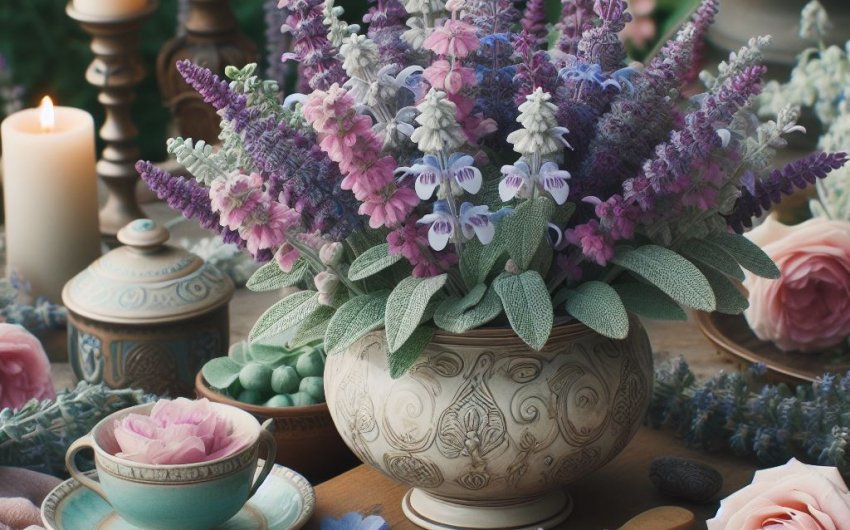
Stepping into a garden filled with the soft hues of sage and the gentle hum of pollinators is an experience that instantly calms the spirit. More than just a culinary herb, sage plants offer a profound sense of serenity and sublime beauty, making them an invaluable addition to any outdoor space. With their distinctive silvery-green foliage, delicate purple, blue, or pink flowers, and aromatic fragrance, they contribute a unique texture and subtle elegance that can transform a chaotic garden into a tranquil retreat.
From traditional herb gardens to drought-tolerant landscapes and pollinator havens, sage proves its versatility and resilience. Its ability to thrive in challenging conditions while consistently providing visual appeal and beneficial interactions makes it a true unsung hero of the garden. This guide will explore the diverse world of sage, revealing its many forms and how to cultivate its captivating presence, allowing you to infuse your garden with that tranquil "Sage Serenity" and enjoy its enduring charm throughout the seasons.
Why Grow Sage in Your Garden?
Growing sage in your garden offers a remarkable array of benefits that extend far beyond its culinary uses. These versatile sage plants infuse a sense of serenity and sublime beauty into any landscape, making them a top choice for gardeners seeking both aesthetics and practicality.
Firstly, their distinctive foliage provides year-round visual interest. Many sage varieties boast beautiful silvery-green, variegated, or even purplish leaves, adding unique texture and color that contrasts wonderfully with other greenery. This makes them excellent for garden design, offering structure and subtle elegance even when not in bloom.
Secondly, sage plants are incredibly resilient and low-maintenance. Many types are drought-tolerant once established, thrive in sunny, well-drained spots, and are generally resistant to pests and diseases. This makes them ideal for busy gardeners or those looking for sustainable, water-wise landscaping solutions.
Finally, their fragrance and pollinator appeal are undeniable. The aromatic leaves release a pleasant scent, especially when brushed, and their delicate flowers are a magnet for bees, butterflies, and hummingbirds, bringing life and movement to your garden. Whether for culinary use, ornamental beauty, or ecological benefits, growing sage is a truly rewarding experience.
Distinctive Foliage and Texture
One of the primary reasons to grow sage in your garden is its distinctive foliage and texture, which contribute significantly to its sublime beauty. Even when not in bloom, sage plants offer year-round visual interest.
- Silvery-Green Hues: Many common sage varieties, like Common Sage (Salvia officinalis), have soft, silvery-green leaves that appear almost velvety. This color contrasts beautifully with darker green foliage, adding a calming, ethereal quality to garden beds.
- Varied Leaf Shapes: While many have a classic oval shape, some ornamental sages offer deeply lobed or finely cut foliage, adding intricate detail.
- Textural Contrast: The slightly fuzzy or crinkled texture of sage leaves is a tactile delight. When placed next to plants with glossy leaves (like hostas) or fine grasses, sage adds a wonderful textural contrast that makes the garden feel richer and more dynamic.
- Evergreen or Semi-Evergreen: Many sage varieties are evergreen or semi-evergreen in milder climates, providing structure and color even through the winter months. This is invaluable for year-round garden appeal.
This unique combination of color and texture allows sage to bring a sophisticated and calming presence, defining its sage serenity in the landscape.
Resilience and Low Maintenance
Growing sage in your garden is particularly appealing due to its remarkable resilience and low maintenance. These tough sage plants are often a gardener's dream, requiring minimal fuss once established, and enduring challenging conditions with grace, making them embody sublime beauty with ease.
- Drought Tolerance: Most sage varieties, especially those native to Mediterranean climates, are highly drought-tolerant once established. Their silvery, often fuzzy leaves are an adaptation to conserve water. This makes them ideal for xeriscaping or gardens in dry regions, reducing the need for frequent watering.
- Pest and Disease Resistance: Sage plants are generally quite hardy and resistant to most common garden pests and diseases. Their strong aromatic oils often act as a natural deterrent to many insects, reducing the need for chemical interventions.
- Adaptable to Poor Soil: While they prefer well-drained soil, many sages can tolerate less-than-perfect soil conditions, including rocky or infertile soils, as long as drainage is good. They don't need rich, heavily fertilized soil.
- Minimal Pruning: Beyond a light trim for shaping or encouraging bushier growth, most sage varieties don't require extensive pruning.
This combination of toughness and self-sufficiency means less work for the gardener and more time to enjoy the enduring sage serenity these plants bring.
Culinary and Aromatic Uses
Beyond their visual appeal, one of the most compelling reasons to grow sage in your garden is its abundant culinary and aromatic uses. The leaves of many sage plants are a staple in kitchens worldwide, adding a rich, earthy flavor to a variety of dishes.
- Culinary Staple: Common Sage (Salvia officinalis) is the go-to culinary sage. Its savory, slightly peppery flavor is indispensable in dishes like poultry stuffings, roasted vegetables (especially potatoes and squash), pork, and Italian cuisine (e.g., in brown butter sauces for pasta). You can use fresh leaves or dry them for later use.
- Aromatic Fragrance: The foliage of most sage varieties, whether culinary or ornamental, releases a wonderful, earthy, slightly pungent fragrance, especially when brushed or warmed by the sun. This aroma contributes to the sensory experience of your garden, adding to the feeling of sage serenity.
- Herbal Teas and Infusions: Some sage varieties are used in herbal teas for their soothing properties.
- Pollinator Attractant (Scent and Nectar): The strong aroma of sage is not only appealing to humans but also serves to attract beneficial pollinators, drawing bees and butterflies to its nectar-rich flowers.
Having these versatile plants in your garden means you have a constant supply of fresh flavor for cooking, a delightful fragrance in the air, and a valuable resource for attracting beneficial insects.
Attracting Pollinators and Beneficial Insects
Growing sage in your garden is a fantastic way to contribute to the local ecosystem by attracting pollinators and beneficial insects. The sublime beauty of their blooms isn't just for human enjoyment; it's a vital food source for a myriad of helpful creatures.
- Bee Magnets: Sage flowers, particularly varieties with small, tubular blooms, are a favorite of bees, including honeybees, bumblebees, and various native solitary bees. They provide abundant nectar and pollen, which are crucial for pollinator health.
- Butterfly Appeal: The vibrant colors and nectar-rich flowers of many sage varieties also draw in butterflies, adding graceful movement and colorful fluttering to your garden.
- Hummingbird Favorites: Taller sage varieties with tubular flowers (especially many ornamental Salvia species) are irresistible to hummingbirds, providing them with a high-energy nectar source.
- Beneficial Insects: The aromatic foliage of sage can sometimes deter certain pest insects, but it can also attract generalist beneficial insects (like hoverflies, whose larvae eat aphids) that contribute to natural pest control in your garden.
By planting sage, you create a dynamic, living ecosystem that supports essential pollinators, enhances biodiversity, and brings your garden truly alive with activity, all contributing to that serene, natural ambiance.
What Are the Best Growing Conditions for Sage?
To cultivate sage plants that truly embody sublime beauty and provide a sense of serenity in your garden, you need to provide them with the best growing conditions. While sage is resilient, giving it its ideal environment will ensure the most vigorous growth, abundant blooms, and long-term health.
Understanding their preferences for light, soil, and proper watering is fundamental. Sage, particularly the Mediterranean varieties, has adapted to specific climates, and mimicking those conditions in your garden is key to its success. Neglecting these basic needs can lead to weak, leggy plants, sparse flowering, or even decline. By setting up the optimal environment, you'll empower your sage to thrive and become a low-maintenance highlight in your outdoor space.
Sunlight Requirements: Full Sun is Key
For the best growing conditions for sage, full sun is key. These sage plants originate from regions with abundant sunlight and truly thrive when they receive ample direct light throughout the day.
- Optimal Exposure: Aim to plant sage in a location that receives at least 6-8 hours of direct sunlight per day. More sun is generally better, especially in cooler climates.
- Benefits of Full Sun:
- Vigorous Growth: Full sun promotes compact, bushy growth rather than leggy, stretched stems.
- Abundant Blooms: More sun leads to more prolific flowering, showcasing the majestic beauty of their spikes.
- Stronger Flavor/Aroma: For culinary varieties, ample sun contributes to the development of those rich, aromatic oils in the leaves, enhancing their flavor.
- Disease Resistance: Good sunlight helps dry foliage quickly, reducing the risk of fungal diseases.
- Partial Shade Considerations: While some ornamental Salvia species might tolerate a few hours of afternoon shade in very hot climates, most culinary and common sage varieties will become leggy and less productive in too much shade. Their blooms will also be sparse.
Ensuring your sage receives generous sunlight is the single most important factor for its health and performance, allowing it to deliver maximum sage serenity to your garden.
Soil Preferences: Well-Drained and Not Too Rich
For the best growing conditions for sage, paying close attention to its soil preferences is absolutely crucial. Sage plants absolutely demand well-drained soil and prefer it not to be too rich in nutrients. This preference is deeply tied to their origins in rocky, Mediterranean landscapes.
- Excellent Drainage is Non-Negotiable: Sage plants are highly susceptible to root rot if their roots sit in constantly wet or soggy soil. This is the quickest way to kill a sage plant.
- If you have heavy clay soil, you must amend it generously with coarse sand, gravel, or lots of organic matter like compost to improve drainage.
- Raised beds or containers filled with a gritty mix are also excellent options for ensuring good drainage.
- Not Too Rich: Unlike many vegetables that crave rich, fertile soil, sage actually prefers soil that is moderately fertile to even somewhat poor.
- Avoid Excessive Nitrogen: Too much nitrogen in the soil will encourage lush, floppy leafy growth at the expense of flower production and intense flavor/aroma in culinary varieties.
- Balanced Nutrients: If amending, focus on improving drainage and structure with a little compost, rather than heavy fertilization.
By providing these specific soil conditions – prioritizing drainage and avoiding overly rich soil – you create the ideal environment for healthy, vigorous sage that thrives and delivers its sublime beauty.
Watering: Drought Tolerant Once Established
Understanding watering needs is an essential growing condition for sage, especially recognizing that it is drought tolerant once established. This characteristic makes sage plants an excellent choice for water-wise gardens and low-maintenance landscaping, contributing to their inherent serenity.
- During Establishment: When you first plant sage (from seed or transplant), it's crucial to water regularly and consistently until the plant is well-established. This means keeping the soil consistently moist but never soggy for the first few weeks or months. This encourages the development of a strong, deep root system.
- Once Established: After a few months, once its root system has developed deeply, most sage varieties become remarkably drought tolerant. Their silvery, often fuzzy leaves are an adaptation to reduce water loss. They can withstand extended periods without supplemental watering in many climates.
- Avoid Overwatering: Overwatering is the biggest mistake you can make with established sage. Too much moisture in the soil will lead to root rot, especially in poorly draining soils, and will quickly kill the plant. Always let the soil dry out thoroughly between waterings.
- Signs of Thirst: While tolerant, prolonged severe drought might cause wilting. If you see wilting, water deeply and immediately, but then go back to a less frequent schedule.
This inherent ability to thrive with minimal water makes sage an incredibly resilient and sustainable choice for a beautiful garden.
How Do I Plant and Care for Sage?
Once you've chosen your sage plants and prepared their ideal growing conditions, learning how to plant and care for sage effectively will ensure they flourish in your garden. Whether you're starting from seeds or planting nursery transplants, understanding these essential steps will set your sage up for success.
Sage is generally forgiving, but proper planting techniques and ongoing maintenance routines will encourage the most vigorous growth, abundant flowering, and robust health, allowing you to enjoy its sublime beauty and aromatic benefits for years to come. From providing initial care to strategic pruning and winter protection, these practical tips will guide you in nurturing your Lupine Legends.
Starting from Seed or Transplants
You can begin growing sage in your garden either by starting from seed or using transplants, each method having its own considerations for successful establishment.
- Starting from Seed:
- Timing: Sage seeds can be started indoors 6-8 weeks before your last expected frost date, or direct sown outdoors after all danger of frost has passed and the soil has warmed.
- Sowing: Sow seeds about (1/4) inch deep in a seed-starting mix. Keep consistently moist (but not soggy) and provide bright light. Germination usually takes 10-21 days.
- Hardening Off: If started indoors, gradually expose seedlings to outdoor conditions over 7-10 days before transplanting.
- Planting Transplants:
- Timing: Plant nursery-bought transplants in spring after the last frost, or in early fall in milder climates.
- Preparation: Dig a hole twice as wide as the root ball and the same depth. Gently remove the plant from its container, loosen any circling roots.
- Placement: Place the plant so the top of the root ball is level with the soil surface. Backfill with amended soil, gently firming it.
- Spacing: Space sage plants about 18-24 inches (45-60 cm) apart, depending on the mature size of the variety. This allows for good air circulation and prevents overcrowding.
- Initial Watering: Water thoroughly after planting to settle the soil.
Both methods, with proper initial care, will set your sage plants on the path to thriving and adding sublime beauty to your garden.
Pruning for Shape and Longevity
Pruning for shape and longevity is an essential ongoing care tip for sage that will help your sage plants maintain their vigor, produce more foliage, and extend their life in your garden, ensuring their continuous sublime beauty. Without regular pruning, sage can become woody, leggy, and less productive.
- Initial Pinching (Young Plants): When your young sage plant is about 6-8 inches tall, pinch off the top set of leaves. This encourages the plant to branch out, leading to a bushier, fuller plant with more leaves for harvesting.
- Light Pruning After Flowering: After your sage has finished blooming, you can give it a light trim. Cut back the spent flower stalks and lightly shape the plant, removing about (1/3) of the growth. This helps redirect energy into foliage production rather than seed formation and prevents the plant from becoming too leggy.
- Hard Pruning (Late Winter/Early Spring): For older, woody sage plants, a harder prune can rejuvenate them. In late winter or early spring, before new growth begins, cut back woody stems by about (1/2) to (2/3) their length, ensuring you leave some green leaves or active growth points on each stem. Avoid cutting into old, completely woody stems with no visible growth, as they may not recover.
- Harvesting as Pruning: For culinary sage, regular harvesting of leaves for kitchen use naturally acts as a form of light, continuous pruning, encouraging more growth.
Consistent pruning maintains the plant's attractive shape and promotes a continuous supply of fresh, aromatic foliage.
Fertilizing: Less is More
When it comes to fertilizing sage plants, the rule of thumb is truly less is more. Unlike many garden plants that crave rich soil and frequent feeding, sage thrives in leaner conditions, and too much fertilizer can actually be detrimental to its health.
- Natural Nitrogen Fixation: As a member of the legume family (or at least Salvia officinalis is often considered in this context, although Salvia is in the mint family, Lamiaceae, it does not fix nitrogen. This may be a confusion with Lupinus - a previous blog post), sage doesn't require heavy nitrogen fertilization. The reference to nitrogen-fixing was an error in previous content relating to sage as a legume. Salvia officinalis is a member of the mint family and does not fix nitrogen. However, they still prefer lean soil. Too much nitrogen can cause lush, floppy, less flavorful growth that is also more susceptible to fungal diseases.
- Good Soil Prep is Enough: If you've prepared your soil with good drainage and some compost (for structure and a gentle nutrient boost), your sage will likely have all the nutrients it needs.
- Minimal Supplementation: If your soil is extremely poor, or if your sage appears to be struggling (e.g., pale leaves, very slow growth) after a year or two, you can provide a very light feeding. Use a balanced, all-purpose organic fertilizer or compost tea, diluted to half or quarter strength, in spring.
- Focus on Drainage: Instead of constantly thinking about feeding, focus on ensuring excellent drainage. That is far more important for sage's vitality.
Sage's preference for lean soil is part of what makes it so low-maintenance. Resist the urge to over-fertilize, and your sage plants will produce healthier, more aromatic foliage.
Winter Protection in Colder Climates
For sage plants in colder climates, providing winter protection is an essential ongoing care tip to ensure their perennial longevity and continued sublime beauty year after year. While many common sage varieties are hardy, extra steps can help them survive harsh winters at the colder end of their hardiness range (e.g., USDA Zone 4 or 5).
- Excellent Drainage (Always Key): The most critical "winter protection" is ensuring excellent drainage year-round. Sage will suffer from root rot in wet, frozen soil. Avoid planting in low spots where water collects.
- Stop Fertilizing: Cease all fertilization by late summer to avoid encouraging tender new growth that will be damaged by early frosts.
- Don't Prune Heavily in Fall: Resist the urge to prune your sage heavily in the fall. The existing foliage provides some insulation for the plant's crown (where new growth emerges in spring). Save heavy pruning for late winter or early spring.
- Mulching (Optional): Once the ground has frozen (not before), apply a 4-6 inch layer of organic mulch (like straw, shredded leaves, or evergreen boughs) around the base of the plant. This helps insulate the roots and protect the crown from extreme cold and damaging freeze-thaw cycles (frost heave). Remove the mulch in early spring as temperatures consistently warm up.
By providing these measures, you give your sage plants the best chance to survive winter and return vigorously in spring.
What Are Some Creative Uses and Combinations for Sage?
Beyond simply planting it for culinary use, exploring creative uses and combinations for sage can truly maximize its sublime beauty and sense of serenity in your garden. Sage is an incredibly versatile plant that integrates beautifully into various garden styles and alongside a diverse range of companions.
Think about how its distinctive foliage, subtle blooms, and aromatic presence can complement other plants in terms of color, texture, and form. From creating tranquil herb gardens to contributing to drought-tolerant landscapes and attracting beneficial wildlife, sage can play many roles. By thoughtfully combining it with other species, you can craft truly dynamic and engaging garden spaces that provide continuous interest and a calming atmosphere.
Herb Gardens: Classic Companions
For those planning herb gardens, sage is an absolute must-have, making it one of the classic companions. Its sublime beauty and practical uses ensure it blends perfectly into a fragrant and functional herb collection, contributing to that overall sense of sage serenity.
- Aromatic Diversity: Sage's strong, earthy aroma contrasts beautifully with other popular herbs, creating a rich tapestry of scents.
- Ideal Companions: Pair common culinary sage (Salvia officinalis) with other Mediterranean-origin herbs that share its preference for full sun and well-drained, lean soil. These include:
- Rosemary: Another woody, aromatic herb that thrives in similar conditions.
- Thyme: Low-growing and creeping varieties can carpet the ground around taller sage.
- Oregano: Similar growth habit to thyme, providing another layer of texture.
- Lavender: Its silvery foliage and purple flower spikes perfectly complement sage both visually and aromatically.
- Structural Element: The shrubby growth habit of older sage plants can provide some structure and year-round evergreen interest to an otherwise ephemeral herb patch.
- Container Gardening: Sage also thrives in containers, making it easy to create mini herb gardens on patios or balconies.
This natural grouping creates a harmonious and practical space where flavors and fragrances abound, forming a true herbal haven.
Drought-Tolerant and Mediterranean Landscapes
Sage plants are outstanding choices for drought-tolerant and Mediterranean landscapes, where their sublime beauty and inherent resilience truly shine. Their natural adaptations to dry, sunny, and often lean conditions make them perfect for creating water-wise and low-maintenance gardens.
- Natural Fit: Sage's silvery foliage and preference for well-drained soil are hallmarks of many Mediterranean climate plants. Integrating various Salvia species helps create an authentic regional feel.
- Water Conservation: Once established, their deep root systems mean they require minimal supplemental watering, significantly reducing your landscape's water consumption, which is crucial in water-scarce regions.
- Companion Plants for Xeriscaping: Pair sage with other low-water plants that share its needs and aesthetic:
- Lavender: A classic partner, both visually and for its drought tolerance.
- Rosemary: Similar to lavender, providing woody texture and fragrance.
- Yarrow: Its flat-topped flower clusters offer a contrasting form.
- Sedum: Succulent, drought-tolerant groundcovers or upright varieties.
- Ornamental Grasses: Provide movement and fine texture, often very drought-tolerant.
- Cacti/Succulents: For very arid zones, these offer dramatic contrast.
- Mulching: Use a layer of gravel or stone mulch in these landscapes to further suppress weeds and conserve moisture, complementing the aesthetic.
Sage forms a foundational element in creating beautiful, resilient, and water-efficient gardens that embody natural elegance.
Borders and Edging
Sage plants are excellent for borders and edging, where their sublime beauty and relatively compact, uniform growth habit can create defined lines and add continuous interest to garden beds and pathways. Their versatility allows them to serve both ornamental and practical purposes.
- Defined Lines: The neat mounding habit of many culinary sage varieties, or the more upright forms of some ornamental Salvia species, can create clear, attractive edges for your flower beds or vegetable patches. This helps give the garden a tidy, finished look.
- Textural Contrast: The soft, silvery foliage of common sage creates a beautiful textural contrast when used as an edge to a path or against darker green shrubs.
- Continuous Interest: Being evergreen or semi-evergreen, sage provides year-round structure and color, making it a reliable choice for borders that need to look good in all seasons.
- Fragrant Pathway Edging: When planted along a pathway, the aromatic foliage of sage releases its pleasant scent when brushed, creating a sensory experience for anyone walking by, enhancing the feeling of sage serenity.
- Pest Barrier (Minor): The strong scent can also act as a minor deterrent for some ground-crawling pests, though it's not a foolproof barrier.
Using sage for borders and edging combines functionality with aesthetic appeal, creating structured and charming divisions within your garden space.
Attracting Butterflies, Bees, and Hummingbirds
Sage plants are phenomenal choices for attracting butterflies, bees, and hummingbirds, making them indispensable for any gardener interested in supporting local wildlife. Their sublime beauty becomes a vital food source, transforming your garden into a bustling, vibrant ecosystem.
- Nectar-Rich Blooms: All Salvia species produce flowers rich in nectar, making them irresistible to a wide range of pollinators. The shape of many sage flowers (often tubular or with a landing pad) is perfectly adapted for various bee and hummingbird species.
- Continuous Bloom: Many ornamental Salvia varieties (like Salvia nemorosa or Salvia splendens) bloom for extended periods, providing a consistent food source throughout much of the growing season, from late spring through summer and into fall.
- Color Appeal: The common purple, blue, red, and pink hues of sage flowers are particularly attractive to these pollinators. Red Salvia species are especially beloved by hummingbirds.
- Biodiversity: By providing diverse forage options, you're contributing to the health and diversity of local pollinator populations, which are crucial for the environment and for the pollination of many food crops.
Planting a variety of sage species, along with other pollinator-friendly plants, will turn your garden into a lively sanctuary, full of the gentle hum of bees, the flutter of butterflies, and the darting acrobatics of hummingbirds, all while enjoying the peaceful sage serenity.