
Sustainable Garden Design: Create an Eco-Friendly Oasis
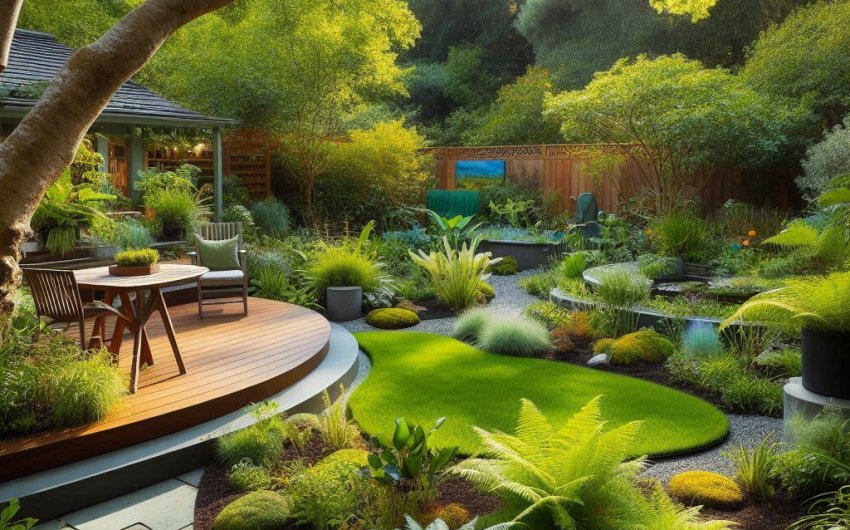
Sustainable garden design involves creating an eco-friendly oasis that minimizes environmental impact while maximizing ecological benefits, beauty, and functionality. It integrates principles like water conservation, native plant use, biodiversity support, and organic practices to foster a harmonious relationship between humans and nature.
What is Sustainable Garden Design?
Sustainable garden design is a holistic approach to creating outdoor spaces that are not only beautiful and functional but also ecologically responsible and resilient. It's about designing a garden that works with nature, not against it, reducing resource consumption and supporting local ecosystems.
What are the Core Principles of Sustainable Garden Design?
The fundamental principles of sustainable garden design guide every decision, from plant selection to material choices, aiming to create an eco-friendly oasis.
- Water Conservation:
- Goal: Minimize reliance on potable (drinking) water for irrigation.
- Practices: Use drought-tolerant native plants, group plants with similar water needs (hydrozoning), install efficient irrigation systems (drip irrigation, soaker hoses), collect rainwater (rain barrels), and improve soil's water-holding capacity.
- Native Plant Use:
- Goal: Prioritize plants indigenous to your local region.
- Practices: Select native trees, shrubs, perennials, and grasses. They are adapted to local climate and soil, require less water, fertilizer, and pest control, and provide vital food and shelter for local wildlife.
- Biodiversity Support:
- Goal: Create a habitat that attracts and sustains a diverse array of local wildlife, including pollinators, beneficial insects, birds, and small animals.
- Practices: Plant diverse native flora, provide food sources (nectar, pollen, seeds, berries, host plants), water sources (bird baths, puddling stations), and shelter (nesting boxes, brush piles, dense plantings).
- Healthy Soil Management:
- Goal: Build and maintain living, fertile soil without synthetic chemicals.
- Practices: Incorporate organic matter (compost), mulch, minimize tilling, avoid synthetic fertilizers and pesticides, and consider cover cropping. Healthy soil sequesters carbon and improves plant resilience.
- Minimizing Waste and Resource Use:
- Goal: Reduce, reuse, and recycle materials within the garden.
- Practices: Use recycled, repurposed, or locally sourced materials for hardscaping (paths, patios), compost garden waste, choose durable materials, and minimize energy-intensive products.
- Pest and Disease Management (Organic):
- Goal: Control pests and diseases naturally, without harmful chemicals.
- Practices: Attract beneficial insects, promote plant health through proper care, hand-pick pests, use organic remedies (insecticidal soap, neem oil), and practice integrated pest management (IPM).
- Energy Efficiency (Beyond the Garden):
- Goal: Consider how your garden design impacts home energy use.
- Practices: Strategically plant trees for shade (cooling in summer) or windbreaks (insulation in winter), choose outdoor lighting that is energy-efficient (LED, solar-powered), and use hand tools instead of gas-powered equipment.
Why is Sustainable Garden Design Important?
The importance of sustainable garden design stems from its numerous benefits:
- Environmental Protection: Reduces water waste, chemical runoff, greenhouse gas emissions, and supports fragile ecosystems.
- Cost Savings: Lower water bills, reduced need for fertilizers and pesticides, less maintenance (once established).
- Increased Biodiversity: Creates vital habitats for declining pollinator populations and other wildlife.
- Resilience: Sustainable gardens are often more resilient to climate fluctuations (droughts, heatwaves) and pest outbreaks.
- Beauty and Well-being: Creates a beautiful, tranquil, and healthy space for human enjoyment, enhancing mental and physical well-being.
- Educational Value: Serves as a living example of ecological principles for communities and future generations.
By consciously applying these principles, you can transform your outdoor space into a thriving, self-sustaining, and beautiful eco-friendly oasis, making sustainable garden design a powerful tool for positive environmental impact.
How Does Water Conservation Factor into Sustainable Garden Design?
Water conservation is a cornerstone of sustainable garden design, aiming to minimize reliance on precious fresh water resources while keeping your garden vibrant. It's about designing systems that are efficient, smart, and mindful of this vital resource.
Key Strategies for Water Conservation:
Hydrozoning:
- What it is: Grouping plants with similar water needs together.
- How it works: This allows you to irrigate different zones according to their specific requirements, preventing overwatering of drought-tolerant plants and ensuring thirsty plants get enough moisture.
- Zones:
- High Water Use Zone: Limited to edibles or a few favorite plants that need regular moisture, ideally near a water source.
- Moderate Water Use Zone: Plants that need occasional watering.
- Low Water Use Zone (Xeriscape): Primarily uses drought-tolerant or native plants that thrive on natural rainfall once established.
- Benefit: Prevents water waste and plant stress.
Native and Drought-Tolerant Plant Selection:
- Why: Plants native to your region are naturally adapted to local rainfall patterns and usually require less supplemental irrigation once established. Drought-tolerant non-natives are also good choices.
- Benefit: Significantly reduces water demand, especially in low-water-use zones.
Efficient Irrigation Systems:
- Drip Irrigation/Soaker Hoses: These systems deliver water directly to the plant roots, minimizing evaporation and runoff.
- Pros: Highly efficient, less water waste, keeps foliage dry (reduces disease).
- Cons: Higher initial setup cost than sprinklers.
- Smart Controllers: Pair your irrigation system with smart controllers that use local weather data, soil moisture sensors, or plant needs to automatically adjust watering schedules.
- Avoid: Overhead sprinklers, especially in sunny, windy conditions, which lose significant water to evaporation.
- Consider a Drip Irrigation Kit for efficiency.
- Drip Irrigation/Soaker Hoses: These systems deliver water directly to the plant roots, minimizing evaporation and runoff.
Rainwater Harvesting:
- Rain Barrels: Collect rainwater from downspouts, providing a free, chlorine-free source for irrigation.
- Pros: Reduces reliance on tap water, good for plants (no chlorine), reduces stormwater runoff.
- Cons: Limited capacity, needs mosquito prevention.
- Rain Gardens: Depressions in the landscape designed to collect stormwater runoff from roofs and impervious surfaces, allowing it to soak slowly into the ground rather than run off into storm drains. Planted with water-loving native species.
- Consider a Rain Barrel Diverter Kit.
- Rain Barrels: Collect rainwater from downspouts, providing a free, chlorine-free source for irrigation.
Improve Soil's Water Retention:
- Organic Matter (Compost!): Incorporate copious amounts of well-rotted compost into your soil. Compost acts like a sponge, dramatically increasing the soil's water-holding capacity, especially in sandy soils, and improving drainage in clay soils.
- Mulch: Apply a 2-4 inch (5-10 cm) layer of organic mulch (straw, shredded leaves, wood chips) over garden beds.
- Benefits: Reduces water evaporation from the soil surface by up to 30%, suppresses weeds (which compete for water), and moderates soil temperature.
Reduce Impervious Surfaces:
- Minimize concrete or asphalt patios and driveways, which prevent water from soaking into the ground.
- Alternatives: Permeable pavers, gravel, or decomposed granite allow water to infiltrate.
By integrating these water-wise strategies, your sustainable garden design becomes not just a beautiful space, but also a responsible steward of water resources, thriving with less reliance on municipal supplies.
How Does Native Plant Use Impact Sustainable Garden Design?
Native plant use is a cornerstone of sustainable garden design, offering profound ecological benefits that extend far beyond aesthetics. Prioritizing plants indigenous to your region is perhaps the single most impactful choice you can make for an eco-friendly oasis.
Why Prioritize Native Plants?
Ecological Adaptation:
- Climate and Soil: Native plants have evolved over millennia in your specific climate zone, adapting to local rainfall patterns, temperatures, and soil conditions. This means they generally require significantly less supplemental water, no artificial fertilizers, and are less prone to common pests and diseases when established in their appropriate range.
- Reduced Maintenance: Their inherent adaptability translates directly into less work for you – less watering, less fertilizing, less spraying.
Biodiversity Support (Crucial!):
- Food Web Foundation: Native plants are the foundation of local food webs. Insects, especially caterpillars (which are the primary food source for most nesting songbirds), have evolved alongside specific native plants. Without these plants, local insect populations decline, which in turn impacts bird populations and other wildlife up the food chain.
- Pollinator Support: Native wildflowers, shrubs, and trees provide the precise type of nectar and pollen that native bees, butterflies, and other pollinators need for their survival. They are often far more nutritious and accessible than many non-native ornamental flowers.
- Host Plants: Many non-native ornamental plants offer no host plant value for local insects. For example, a non-native butterfly bush provides nectar but no food for caterpillars, which means no new butterflies. Native plants provide both. (e.g., Milkweed for Monarchs).
- Shelter: Native plants offer familiar and appropriate shelter, nesting sites, and overwintering spots for local wildlife.
Water Conservation:
- As mentioned previously, because they are adapted to local rainfall, native plants are inherently more drought-tolerant once established, significantly reducing the need for irrigation.
No Invasiveness Risk:
- By choosing native plants, you eliminate the risk of introducing invasive species that can escape your garden, outcompete native flora in natural areas, and disrupt fragile ecosystems.
Implementing Native Plant Use:
- Research Your Region: Identify which plants are truly native to your specific area (state, county, ecoregion). Local extension offices, native plant societies, and online resources are excellent starting points.
- Prioritize Layers: Include native trees, shrubs, perennial wildflowers, and grasses to create a diverse, multi-layered habitat.
- Consider Bloom Times: Select native plants that provide continuous bloom from early spring through late fall to ensure a consistent food source for pollinators.
- Buy from Reputable Sources: Purchase native plants from nurseries that specialize in native stock and ensure their plants are free of systemic pesticides, especially neonicotinoids, which are highly toxic to pollinators.
- Embrace Messiness: A sustainable garden design embraces some natural messiness – leaf litter provides habitat, and standing dead stalks offer overwintering sites.
By centering your sustainable garden design around native plants, you transform your garden from a mere decorative space into a vibrant, ecologically functional "eco-friendly oasis" that actively supports the health of your local environment. For native plant seeds, check out Prairie Moon Nursery Wildflower Seeds.
How Does Supporting Biodiversity Enhance Sustainable Garden Design?
Supporting biodiversity is a cornerstone of sustainable garden design, transforming a simple garden into a thriving, interconnected ecosystem or "eco-friendly oasis." It's about consciously inviting and sustaining a wide array of life, from microscopic organisms in the soil to buzzing bees and flitting birds.
Why is Biodiversity Crucial in a Sustainable Garden?
- Ecosystem Resilience: A diverse garden ecosystem is inherently more robust and resilient. It can better withstand disease outbreaks, pest infestations, and even environmental stresses like drought or heatwaves. If one species struggles, others can pick up the slack.
- Natural Pest Control: A healthy diverse garden creates a natural system of checks and balances. When you attract a variety of insects, you're also inviting beneficial predators (like ladybugs, lacewings, predatory wasps, hoverflies) and parasitoids (which lay eggs on/in pests). These creatures naturally keep pest populations in check, reducing or eliminating the need for synthetic pesticides.
- Enhanced Pollination: A rich diversity of plants with varied flower shapes, colors, and bloom times attracts a wider range of pollinators (different bee species, butterflies, moths, hummingbirds). This leads to better pollination of your fruit, vegetable, and ornamental plants, increasing yields.
- Improved Soil Health: Biodiversity extends beneath the soil surface. A diverse array of plants supports a richer microbiome in the soil (bacteria, fungi, earthworms), which improves nutrient cycling, soil structure, water infiltration, and overall fertility.
- Educational Value & Aesthetic Appeal: A garden bustling with life is captivating. Observing the interactions between plants and animals provides a constant source of wonder and learning. The presence of butterflies, bees, and birds adds dynamic beauty.
Strategies for Supporting Biodiversity:
Plant Diversity (Most Important):
- Native Plants: As discussed, prioritize native plants to support local wildlife.
- Species Diversity: Plant a wide variety of trees, shrubs, perennials, annuals, and grasses.
- Structural Diversity: Create layers with plants of different heights and forms (groundcovers, mid-height plants, tall plants, trees).
- Continuous Bloom: Ensure something is flowering from early spring through late fall to provide continuous food for pollinators.
- Host Plants: Include specific host plants for butterfly and moth caterpillars (e.g., Milkweed for Monarchs).
Provide Food Sources (Beyond Nectar):
- Pollen: Essential protein source for many bees.
- Seeds: Plants that produce seeds (e.g., sunflowers, coneflowers, grasses) provide food for birds in winter.
- Berries: Berry-producing shrubs and trees offer food for birds and other small animals.
- Allow Herbs/Veggies to Flower: Let some dill, cilantro, or brassicas bolt to provide flowers for beneficial insects.
Provide Water Sources:
- Bird Baths: Shallow bird baths with pebbles or rocks for easy access for birds and insects.
- Puddling Stations: Shallow dishes with damp sand or gravel for butterflies to extract minerals.
- Rain Gardens: Collect and slowly infiltrate stormwater, providing temporary moist areas.
- A Solar Bird Bath Fountain can attract birds and offer gentle water for insects.
Offer Shelter and Nesting Sites:
- Brush Piles/Log Piles: Create informal piles of branches and logs in undisturbed corners for hiding spots for insects, small mammals, and overwintering sites.
- Native Bee Houses (Bee Hotels): Provide drilled wooden blocks or hollow tubes for solitary bees.
- Leave Standing Stalks/Leaf Litter: In fall, resist the urge to do a thorough cleanup. Leave some hollow plant stems standing and allow leaf litter to remain on garden beds; these are crucial overwintering sites for many insects and butterflies.
- Dense Plantings: Shrubs and thick perennial beds offer cover.
- Bare Soil Patches: Leave small, sunny, undisturbed areas of bare soil for ground-nesting bees.
Eliminate Pesticides:
- Crucially, a biodiverse garden relies on a pesticide-free environment. Pesticides kill indiscriminately, destroying both pests and the beneficial insects you're trying to attract.
By actively integrating these elements, your sustainable garden design becomes a vibrant, biodiverse, and resilient "eco-friendly oasis" that plays a vital role in supporting the local ecosystem.
How Can I Manage Soil and Waste Sustainably in My Garden?
Effective soil management and waste reduction are fundamental pillars of sustainable garden design, creating an eco-friendly oasis that truly minimizes its environmental footprint. It's about nurturing the earth and cycling resources back into the garden.
Key Strategies for Sustainable Soil Management:
Build Healthy Soil with Organic Matter (The Foundation!):
- Compost: This is the most important soil amendment for sustainable garden design. Regularly incorporate generous amounts of well-rotted compost into your garden beds.
- Benefits: Improves soil structure (aeration in clay, water retention in sand), provides a slow, steady release of nutrients, boosts microbial activity, and helps suppress diseases.
- Aged Manure: Similar to compost, adds organic matter and nutrients. Ensure it's fully aged to avoid burning plants or introducing weed seeds.
- Cover Crops: Plant cover crops (e.g., clover, vetch, rye) in vegetable beds during the off-season.
- Benefits: Protects bare soil from erosion, adds organic matter when tilled in ("green manure"), fixes nitrogen (legumes), and suppresses weeds.
- Minimize Tillage: Excessive tilling disrupts soil structure, harms beneficial soil microorganisms (like mycorrhizal fungi), and releases carbon into the atmosphere. Opt for no-till or low-till methods where possible.
- Compost: This is the most important soil amendment for sustainable garden design. Regularly incorporate generous amounts of well-rotted compost into your garden beds.
Mulching:
- Apply a 2-4 inch (5-10 cm) layer of organic mulch (straw, shredded leaves, wood chips, untreated grass clippings) over your garden beds.
- Benefits:
- Conserves Water: Significantly reduces water evaporation from the soil.
- Suppresses Weeds: Blocks sunlight, preventing weed germination and growth.
- Regulates Soil Temperature: Keeps soil cooler in summer and warmer in winter, reducing plant stress.
- Adds Organic Matter: Decomposes over time, enriching the soil.
- Reduces Erosion: Protects bare soil from wind and rain.
Avoid Synthetic Fertilizers and Pesticides:
- Fertilizers: Synthetic fertilizers can leach into waterways, harming aquatic ecosystems. They also don't build long-term soil health. Rely on compost and other organic amendments instead.
- Pesticides: As discussed, they kill indiscriminately, harming beneficial insects and disrupting the natural balance of your garden ecosystem. They also contribute to water and soil pollution.
Key Strategies for Sustainable Waste Management:
Composting Your Garden Waste:
- What to Compost: All plant-based garden waste (leaves, grass clippings, spent plants, non-diseased prunings), as well as kitchen scraps (fruit and vegetable peels, coffee grounds, eggshells).
- Benefits: Diverts waste from landfills, produces nutrient-rich compost for your garden, reduces the need to buy soil amendments.
- Methods: Choose a composting method that suits your space and needs: traditional compost pile, tumbling composters, or worm composting (vermicomposting). A Compost Bin can make this easy.
"Chop and Drop" Mulching:
- Description: Instead of removing plant material, chop it down and leave it on the soil surface to decompose naturally.
- Benefits: Mimics natural forest floor processes, adds immediate organic matter, suppresses weeds, and recycles nutrients in place.
Reuse and Repurpose Materials:
- Hardscaping: Opt for reclaimed materials like salvaged bricks, repurposed stones, or recycled lumber for paths, raised beds, or edging.
- Containers: Reuse old barrels, tires (check for chemical safety), or other found objects as planters.
- Tools: Invest in durable, high-quality tools that will last, rather than frequently replacing cheap ones. Repair rather than replace when possible.
Reduce Energy Use:
- Hand Tools: Whenever possible, use hand tools (manual mower, pruners) instead of gas-powered or electric equipment, reducing fossil fuel consumption and noise pollution.
- Solar Lighting: Choose solar-powered garden lights over wired electric ones.
By actively implementing these strategies for soil and waste management, your sustainable garden design becomes a truly circular system, demonstrating how to create an eco-friendly oasis that benefits both your landscape and the planet.
What are Common Misconceptions About Sustainable Garden Design?
Despite its growing popularity, sustainable garden design is often misunderstood. Addressing these common misconceptions is essential to encourage more people to embrace creating an eco-friendly oasis.
Unpacking Misconceptions About Sustainable Garden Design:
Misconception: Sustainable Gardens are Messy and Wild-Looking.
- Reality: While a sustainable garden embraces some "messy" elements (like leaf litter for habitat or standing dead stalks for overwintering insects), it does not have to be unkempt or solely wild.
- Clarification: You can absolutely have a highly organized, aesthetically pleasing, and even formal garden that adheres to sustainable principles. It's about conscious design that incorporates ecological function discreetly. Defined beds, attractive hardscaping, purposeful plant groupings, and strategic placement of habitat features can all coexist with a neat appearance. The key is purposeful messiness where it counts (e.g., under shrubs, in designated corners) versus overall neglect.
Misconception: Sustainable Gardens are Only for "Crunchy" Gardeners or Experts.
- Reality: Anyone, from a beginner to an experienced gardener, can practice sustainable garden design.
- Clarification: You don't need a deep ecological background or special certification. Starting small with simple steps like adding mulch, choosing a few native plants, or collecting rainwater can make a huge difference. The principles are accessible, and the benefits are immediate and tangible, encouraging continued learning. It's about making conscious choices, not becoming an expert overnight.
Misconception: Sustainable Gardens are Boring or Lack Color.
- Reality: This couldn't be further from the truth! Sustainable gardens, especially those focusing on native plants, are often incredibly vibrant, dynamic, and full of life.
- Clarification: Native plants come in a stunning array of colors, textures, and forms. Because they are adapted to your climate, they often thrive and bloom more vigorously than struggling non-natives. Furthermore, the presence of butterflies, hummingbirds, and diverse insects adds a dynamic beauty that non-sustainable gardens often lack. Many native plants offer multi-season interest from spring blooms to fall berries and interesting winter structure.
Misconception: Sustainable Gardens are More Expensive to Install.
- Reality: Initial costs can vary, but sustainable gardens often prove to be less expensive in the long run.
- Clarification: While native plants might sometimes have a slightly higher upfront cost at specialty nurseries, they demand less water, fertilizer, and pest control over their lifespan. Reduced maintenance (less mowing, weeding, spraying) and lower utility bills (water, energy from shading) quickly offset initial investments. Using recycled or repurposed materials also significantly reduces costs.
Misconception: Sustainable Gardens Take More Work.
- Reality: Once established, a well-designed sustainable garden typically requires less maintenance than a conventional one.
- Clarification: Because native plants are adapted, they require less intervention. Organic soil practices reduce the need for constant fertilizing. Attracting beneficial insects reduces pest problems. Mulching cuts down on weeding and watering. While the initial planning and establishment phase takes effort, the long-term benefit is a more self-sustaining system that frees up your time.
Misconception: You Can't Have a Lawn in a Sustainable Garden.
- Reality: While lawns have environmental drawbacks, a sustainable garden approach aims for balance and smart choices, not outright elimination for everyone.
- Clarification: You can reduce your lawn size, replace portions with native plant beds, or improve your lawn's sustainability by avoiding chemicals, watering efficiently, and using native grasses or clover mixes. It's about reducing resource-intensive areas and compensating with biodiverse, low-input alternatives.
By dispelling these myths, we can help more gardeners recognize the true potential and accessibility of sustainable garden design to create their own beautiful, low-maintenance, and truly eco-friendly oasis.