
The Best Indoor Plants for Cleaner Air
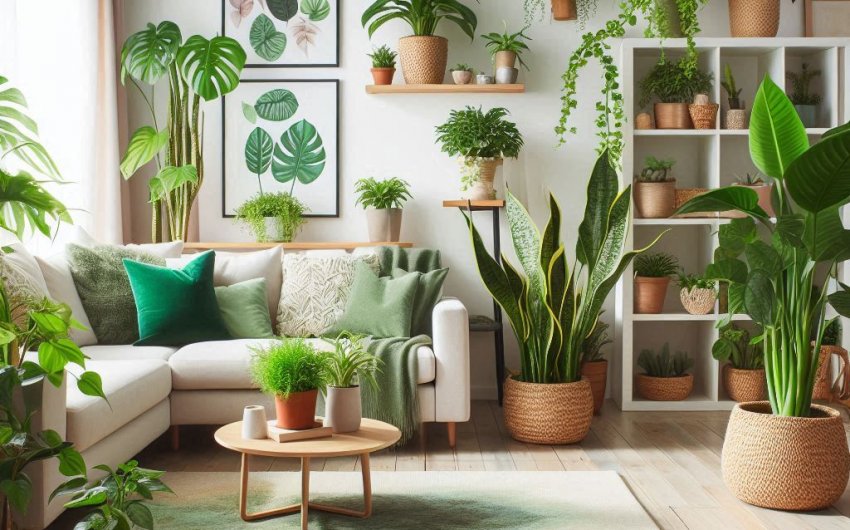
In our increasingly sealed homes, the air we breathe indoors can sometimes be more polluted than the air outside. Everyday items like furniture, cleaning products, paints, and even synthetic fabrics can release volatile organic compounds (VOCs) and other toxins into your living space. This invisible pollution can contribute to a range of health issues, often referred to as "Sick Building Syndrome." But what if the solution to improving your indoor air quality was as simple and beautiful as adding some green friends?
It's true! Many indoor plants are not just beautiful decor; they are natural air purifiers, capable of absorbing harmful chemicals and releasing fresh oxygen. This guide will explore the fascinating science behind how plants clean the air and introduce you to the best indoor plants for cleaner air. We'll cover their specific air-purifying powers, care needs, and how to incorporate them into your home for a healthier, more vibrant living environment. Get ready to breathe easier with your new leafy companions!
How Do Indoor Plants Clean the Air? (The NASA Study!)
The idea of plants cleaning the air gained significant attention thanks to a groundbreaking study conducted by NASA in 1989. Looking for ways to purify air in space stations, NASA researched common houseplants and found that many were surprisingly effective at removing harmful toxins.
The Science Behind Air Purification:
- Photosynthesis: Plants naturally take in carbon dioxide and release oxygen during photosynthesis. This process directly benefits air quality.
- Root Zone & Microbes: The primary mechanism for removing harmful chemicals occurs not just through the leaves, but also through the roots and the surrounding soil microbes. These microbes break down pollutants into less harmful substances.
- Absorption: Plants absorb harmful gases through their leaves (stomata) and then transport them down to the roots and microbes for breakdown.
What Harmful Chemicals Can Plants Remove?
The NASA study focused on common indoor pollutants:
- Formaldehyde: Found in furniture (particle board, plywood), carpets, drapery, insulation, and some cleaning products. Can cause respiratory irritation.
- Benzene: Found in plastics, dyes, detergents, pesticides, tobacco smoke, and car exhaust. Can be carcinogenic.
- Trichloroethylene (TCE): Found in cleaning fluids, paints, lacquers, adhesives, and varnishes. Can cause dizziness and nausea.
- Xylene: Found in rubber, leather, paints, printing, and tobacco smoke. Can cause nervous system effects.
- Ammonia: Found in cleaning products, floor waxes, and fertilizers. Can cause respiratory irritation.
How Many Plants Do You Need?
While the NASA study showed promising results, real-world conditions differ from sealed chambers. For a significant impact on indoor air quality, experts suggest a higher density of plants – perhaps 1 plant per 100 square feet of space, or even more, depending on plant size. However, even a few strategically placed plants will contribute to a healthier environment and offer significant psychological benefits.
The Best Indoor Plants for Cleaner Air
These are some of the top-performing plants, known for their air-purifying abilities and relatively easy care.
1. Peace Lily (Spathiphyllum)
Elegant and surprisingly powerful air purifiers.
- Air-Purifying Powers: Excellent at removing Formaldehyde, Benzene, Trichloroethylene, Xylene, and Ammonia.
- Care Needs:
- Light: Low to medium, indirect light. Avoid direct sun.
- Water: Keep soil consistently moist, but not soggy. They will dramatically droop when thirsty (a clear signal!).
- Humidity: Prefers higher humidity.
- Benefits: Beautiful white spathes (flowers), relatively easy to care for, and visible signs of thirst. A popular choice for homes and offices. You can find Peace Lily plants.
2. Snake Plant (Sansevieria trifasciata)
Known for its striking upright leaves and incredible resilience.
- Air-Purifying Powers: Highly effective at removing Formaldehyde, Benzene, Trichloroethylene, and Xylene. Unique in that it converts CO2 to oxygen at night (most plants do this during the day).
- Care Needs:
- Light: Extremely tolerant, from low to bright, indirect light. Prefers bright indirect light for best growth.
- Water: Very drought-tolerant. Allow soil to dry out completely between waterings. Overwatering is its main killer.
- Humidity: Tolerates average home humidity.
- Benefits: Almost indestructible, perfect for beginners, stylish, and effective in bedrooms due to nighttime oxygen release. Many varieties are available. You can find Snake Plant varieties.
3. Pothos (Epipremnum aureum)
A popular trailing vine with many variegated varieties.
- Air-Purifying Powers: Excellent at removing Formaldehyde, Benzene, Carbon Monoxide, and Xylene.
- Care Needs:
- Light: Low to bright, indirect light. Brighter light enhances variegation.
- Water: Allow top 1-2 inches of soil to dry between waterings. Tolerant of some neglect.
- Humidity: Tolerates average home humidity.
- Benefits: Very easy to care for, adaptable to various light conditions, beautiful trailing vines for shelves or hanging baskets. Many different varieties (e.g., Golden, Marble Queen, N'Joy) offer diverse aesthetics. You can find Pothos plants.
4. Spider Plant (Chlorophytum comosum)
Known for its arching leaves and adorable "spiderettes" (baby plants).
- Air-Purifying Powers: Highly effective at removing Formaldehyde, Carbon Monoxide, and Xylene.
- Care Needs:
- Light: Bright, indirect light. Can tolerate lower light but will grow slower.
- Water: Keep soil consistently moist but not soggy. Tolerates some drying out.
- Humidity: Prefers higher humidity. Sensitive to fluoride in tap water (can cause brown tips).
- Benefits: Very easy to care for, propagates easily (sharing spiderettes is fun!), great for hanging baskets. You can find Spider Plant varieties.
5. ZZ Plant (Zamioculcas zamiifolia)
An incredibly tough plant with glossy, dark green leaves.
- Air-Purifying Powers: Effective at removing Xylene, Toluene, Benzene, and Formaldehyde.
- Care Needs:
- Light: Very tolerant, from very low to bright, indirect light. Avoid direct sun.
- Water: Extremely drought-tolerant. Allow soil to dry out completely between waterings, then wait even longer. Overwatering is its main killer.
- Humidity: Tolerates average home humidity.
- Benefits: Almost indestructible, perfect for beginners or those who travel frequently, very stylish. You can find ZZ Plant varieties.
6. Boston Fern (Nephrolepis exaltata 'Bostoniensis')
A classic fern known for its lush, feathery fronds.
- Air-Purifying Powers: Excellent at removing Formaldehyde, Xylene, and acts as a natural humidifier.
- Care Needs:
- Light: Medium, indirect light. Avoid direct sun.
- Water: Keep soil consistently moist. Do not let it dry out completely.
- Humidity: Requires high humidity to thrive. Ideal for bathrooms or kitchens.
- Benefits: Adds a tropical, lush feel. Requires more diligent care and high humidity, but very rewarding. You can find Boston Ferns.
7. Dracaena (Various Species)
A diverse group of plants with strap-like leaves, many with colorful variations.
- Air-Purifying Powers: Many varieties (e.g., 'Red-edged Dracaena', 'Corn Plant') are effective against Benzene, Formaldehyde, Trichloroethylene, and Xylene.
- Care Needs:
- Light: Medium to bright, indirect light. Avoid direct sun.
- Water: Allow top inch or two of soil to dry between waterings. Sensitive to fluoride in tap water (can cause brown tips).
- Humidity: Tolerates average home humidity.
- Benefits: Wide variety of sizes and leaf colors, making them versatile for different decor styles. You can find Dracaena varieties.
8. Chinese Evergreen (Aglaonema)
Beautiful foliage plants with various patterns and colors.
- Air-Purifying Powers: Effective against Benzene and Formaldehyde.
- Care Needs:
- Light: Low to medium, indirect light. Tolerant of lower light conditions.
- Water: Allow top inch or two of soil to dry between waterings.
- Humidity: Tolerates average home humidity.
- Benefits: Very easy to care for, adaptable to lower light, and offers stunning foliage colors (red, pink, silver, green). You can find Chinese Evergreen varieties.
How to Maximize Air Purification (and Plant Health!)
Beyond choosing the right plants, how you care for them impacts their air-purifying power and overall health.
1. Optimize Light Conditions
- Crucial for Function: Plants clean the air most effectively when they are actively photosynthesizing, which requires light. Even "low-light" plants will perform better (and clean air better) in brighter, indirect light.
- Placement: Place your air-purifying plants in spots where they can receive their ideal light. Rotate them occasionally to ensure even growth.
2. Maintain Healthy Soil and Proper Watering
- Healthy Roots: The soil microbes associated with a healthy root system are crucial for breaking down pollutants. Ensure your plants are in well-draining potting mix and that you practice correct watering to prevent root rot. (Learn how to prevent overwatering in potted plants!).
- Avoid Over-Fertilizing: Too much fertilizer can stress plants. Feed moderately during the growing season with a balanced liquid houseplant fertilizer.
3. Dust Leaves Regularly
- Clear Pores: Dust can accumulate on plant leaves, blocking stomata (tiny pores) and hindering the plant's ability to absorb light and filter air.
- Cleaning: Gently wipe leaves with a damp cloth every few weeks.
4. Provide Good Air Circulation
- Fresh Air In: Good air circulation helps distribute airborne toxins to the plant leaves.
- Prevent Disease: It also helps prevent fungal diseases that can stress plants and reduce their air-purifying abilities.
5. Increase Plant Density
- More Plants, More Clean Air: While a single plant is beneficial, having more plants will have a greater impact on your indoor air quality. Distribute plants throughout various rooms, especially those where VOCs are common (e.g., newly furnished rooms, home offices, laundry rooms).
6. Complement with Other Air Purifiers
- Multi-Layered Approach: While plants are amazing, they are a piece of the puzzle. Consider combining them with mechanical air purifiers (with HEPA and activated carbon filters) for a comprehensive approach to indoor air quality, especially if you have allergies or specific sensitivities.
By incorporating the best indoor plants for cleaner air into your home and providing them with proper care, you can create a beautiful, vibrant, and healthier living environment that you and your family can truly breathe easier in. Happy growing!