
How to Create a Vertical Garden on a Budget?
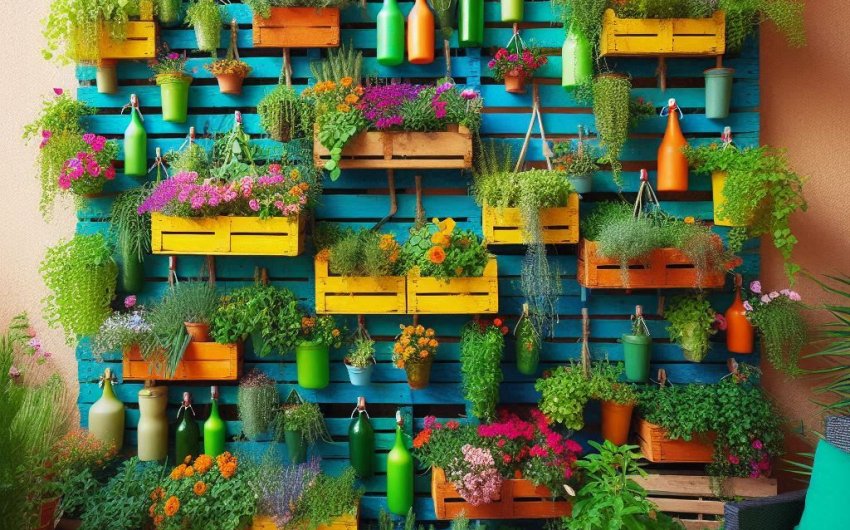
Dreaming of a lush, thriving garden but challenged by limited ground space? Perhaps you have a small patio, a tiny balcony, or just an empty fence or wall that could use a splash of green. That's where a vertical garden comes in! These innovative gardening solutions allow you to grow plants upwards, transforming unused vertical space into a vibrant display of herbs, flowers, or even vegetables. And the best part? You don't need to spend a fortune to create one!
Learning how to create a vertical garden on a budget is a fantastic DIY project that combines creativity, sustainability, and smart space utilization. This guide will walk you through various clever, cheap, and easy-to-build vertical garden ideas using repurposed materials and inexpensive supplies. Get ready to turn your blank walls into living works of art and maximize your gardening potential, no matter how small your footprint!
Why Create a Vertical Garden?
Beyond just looking cool, vertical gardens offer a wealth of practical benefits.
Does a Vertical Garden Maximize Small Spaces?
Absolutely! This is the primary reason for a vertical garden. If you have limited ground space (like a balcony, small patio, or urban yard), a vertical garden allows you to grow significantly more plants than traditional horizontal beds. It effectively turns a two-dimensional wall into a productive, green three-dimensional space.
Can It Be a Budget-Friendly Solution?
Yes, especially with the DIY ideas we'll explore! By repurposing materials and choosing inexpensive components, you can build an impressive vertical garden for a fraction of the cost of store-bought versions or traditional landscaping.
Does It Add Beauty and Greenery?
Definitely! A vertical garden creates an immediate impact, transforming a drab wall or fence into a living work of art. It adds lush greenery, vibrant colors, and unique texture, significantly enhancing the aesthetic appeal of your outdoor (or even indoor) space. It's a statement piece that also produces plants!
Can It Be Easier to Maintain?
For some tasks, yes. Vertical gardens can be easier to access for planting, weeding, and harvesting, as you're working at a comfortable height. They can also reduce bending and kneeling. Water can be efficiently delivered through drip systems.
Does It Help with Pest and Disease Control?
In some cases, yes. Elevated plants can sometimes be less susceptible to ground-dwelling pests (like slugs or snails). Improved air circulation around vertically spaced plants can also reduce the risk of certain fungal diseases.
Key Considerations for Your Budget Vertical Garden
Before you start building, keep these important factors in mind.
1. Sunlight (Crucial!)
- Sun Needs: Most edible plants (herbs, vegetables) and many flowering plants need at least 6-8 hours of direct sunlight per day. Observe your chosen wall or space throughout the day.
- Optimal Direction: South-facing walls are usually ideal, followed by west-facing. East-facing gets morning sun. North-facing walls typically receive too little light for sun-loving plants (good for shade-loving ornamentals only).
- Plant Selection: Choose plants that match the light conditions of your vertical space.
2. Water Access and Drainage
- Frequent Watering: Vertical gardens often dry out much faster than traditional beds because the soil volume is smaller and exposed to more air. They will likely need daily watering, sometimes twice a day in hot weather.
- Drainage is Key: Each planting pocket or container must have drainage holes to prevent root rot. Water dripping from upper tiers to lower tiers can help, but ensure the very bottom tier has a way for excess water to escape.
- Drip Irrigation (Optional but Recommended): For larger vertical gardens, installing a simple drip irrigation system for vertical gardens can save a lot of time and effort.
3. Wall Support and Weight
- Sturdy Surface: Ensure the wall or fence you're attaching the vertical garden to is strong enough to support the weight of the containers, soil, and wet plants.
- Weight Management: Choose lightweight containers and potting mix. A fully watered vertical garden can become surprisingly heavy.
4. Plant Selection (Right Plant, Right Pocket)
- Drought-Tolerant vs. Thirsty: Group plants with similar watering needs together.
- Growth Habit: Choose plants that are compact, trailing, or shallow-rooted. Avoid very large or deep-rooted plants.
- Edibles: Many herbs (basil, mint, thyme, oregano, chives), leafy greens (lettuce, spinach), strawberries, and small peppers do well.
- Flowers: Petunias, impatiens, succulents (for sunny spots), ferns (for shade).
Best Budget-Friendly Vertical Garden Ideas You Can DIY
Get ready to build! These ideas focus on repurposing and inexpensive materials.
1. Pallet Vertical Garden (Rustic & Repurposed)
A classic DIY vertical garden project, very cheap or free!
- Materials: Wooden pallets (ensure they are heat-treated "HT," not chemically treated "MB"), landscape fabric, staple gun, potting mix.
- How to Make It:
- Source clean, safe pallets.
- Stand a pallet upright. On the underside of the "shelves" (the slats facing up when upright), staple landscape fabric to create pockets that hold soil. Ensure the fabric extends down enough to create a decent pocket.
- Fill pockets with potting mix and plant your herbs or flowers.
- Lean against a sturdy wall or secure to a fence.
- Pros: Very cheap or free. Creates a rustic, charming look. Excellent for herbs and shallow-rooted plants.
- Cons: Can be heavy. Wood may need treatment (paint, stain) for longevity. Can dry out quickly.
- Styling Tip: Paint the pallet a vibrant color for a pop, or a natural wood stain.
2. Plastic Bottle Vertical Garden (Ultimate Upcycling)
A highly budget-friendly way to reuse plastic waste.
- Materials: Large plastic bottles (2-liter soda bottles, milk jugs), strong string/rope, scissors/utility knife, potting mix.
- How to Make It:
- Cut a large rectangular opening on the side of each bottle (leaving the bottom intact for drainage, or poke holes). Alternatively, cut bottles in half horizontally and suspend the top half upside down.
- Poke holes on the sides for hanging. Thread string or wire through the holes to create hanging loops.
- Fill with potting mix and plant.
- Hang bottles in vertical rows from a rod, fence, or suspended frame.
- Pros: Almost free, very lightweight, excellent for herbs and small greens.
- Cons: Less aesthetic (unless painted/hidden by plants). Can look cluttered. Dries out very quickly.
- Styling Tip: Paint bottles to match a color scheme, or focus on lush trailing plants to hide the plastic.
3. Gutter Vertical Garden (Clean & Modern)
Creates neat, linear rows perfect for small plants.
- Materials: Sections of new or repurposed rain gutters (PVC or metal), end caps, hanging brackets, drill, potting mix.
- How to Make It:
- Cut gutters to desired lengths. Attach end caps.
- Drill drainage holes every 6-8 inches along the bottom of each gutter.
- Attach hanging brackets to a sturdy wall or fence, spacing them vertically.
- Place gutters into brackets, fill with potting mix, and plant.
- Pros: Clean lines, relatively lightweight, easy to water linearly.
- Cons: Can be shallow (limits plant choice). Can dry out quickly.
- Styling Tip: Use white gutters for a bright, modern look, or paint them a bold color.
4. Pocket Planter Wall (Soft & Flexible)
Uses fabric pockets for a flexible, modular design.
- Materials: Durable felt fabric or a repurpose strong textile (e.g., old denim, strong tarp), sewing machine (or strong hand-sewing), grommets/hanging loops, potting mix. You can also buy pre-made fabric vertical garden planters which are quite affordable.
- How to Make It:
- Cut a large piece of fabric for the backing.
- Cut smaller pieces for pockets. Hem the top edge of each pocket piece.
- Sew the pocket pieces onto the backing fabric, leaving the top edge open.
- Add grommets or loops at the top for hanging.
- Fill pockets with lightweight potting mix and plant.
- Pros: Very cheap if using repurposed fabric. Lightweight, flexible, good for small trailing plants and herbs.
- Cons: Dries out very quickly. Can sag over time. Less rigid support.
- Styling Tip: Mix herbs and trailing flowers for a lush, soft effect.
5. Repurposed Can/Jar Wall (Eclectic & Artistic)
A creative way to display individual small plants.
- Materials: Old tin cans (cleaned, no sharp edges), glass jars, metal hose clamps (to secure cans to board), screws, wooden board/pallet planks, drill, potting mix.
- How to Make It:
- Drill drainage holes in the bottom of each can/jar (use glass drill bit for jars, slow and careful).
- Paint cans/jars if desired.
- Secure cans/jars to a sturdy wooden board using hose clamps screwed into the board.
- Mount the entire board to a wall or fence. Fill with potting mix and plant small herbs or succulents.
- Pros: Very unique and artistic, cheap.
- Cons: Small container size means very quick drying out. Limited plant selection.
- Styling Tip: Paint cans in a vibrant array of colors, or create a rustic look by leaving them natural.
6. Trellis with Hanging Pots (Simple & Adaptable)
A simple and expandable way to grow vertically.
- Materials: A sturdy garden trellis (metal, wood, or even a section of wire fencing), small plant pots with drainage holes, S-hooks or wire.
- How to Make It:
- Securely mount the trellis to a wall or fence.
- Use S-hooks or wrap wire around the pot's rim and hang them directly onto the trellis bars.
- Alternatively, you can buy clip-on railing planters that attach to a trellis.
- Pros: Very adaptable, allows for easy rearranging of plants, good airflow around individual pots.
- Cons: Can look busy if too many pots.
- Styling Tip: Mix small herbs with cascading flowers like petunias or nasturtiums for a lush look.
Essential Care Tips for Your Budget Vertical Garden
Once your vertical garden is built, proper care is crucial for its success.
1. Watering Consistently (Crucial!)
- Daily Checks: Assume your vertical garden will need daily watering, especially in hot, sunny, or windy conditions. Small soil volumes dry out fast.
- Deep Watering: Water until it drains from the bottom of each pocket/container.
- Drip System: For convenience and water efficiency, install a simple vertical garden drip irrigation kit.
2. Fertilizing Regularly
- Nutrient Leaching: Nutrients leach out of vertical gardens quickly due to frequent watering.
- Regular Feeding: Fertilize regularly during the growing season (spring and summer) with a balanced liquid fertilizer at half strength, perhaps every 1-2 weeks. Organic options like fish emulsion or seaweed extract are good.
3. Prune and Harvest Often
- Encourage Bushiness: Regular harvesting of herbs and greens encourages bushier growth and prevents plants from becoming leggy or going to seed prematurely.
- Manage Size: Prune back sprawling plants to keep them contained within their pockets and prevent them from overshadowing neighbors.
4. Watch for Pests
- Regular Inspection: Inspect your plants frequently, especially the undersides of leaves.
- Manual Removal: For small infestations, hand-pick pests or spray with a strong jet of water.
- Organic Sprays: Use insecticidal soap or neem oil spray for more stubborn pests.
5. Replace Soil Annually
- Nutrient Depletion: The soil in vertical gardens gets depleted quickly. Replace the potting mix in all pockets/containers annually for best results, or at least refresh with new compost.
By harnessing your creativity and utilizing these budget-friendly vertical garden ideas, you can transform any unused wall or fence into a thriving, beautiful, and productive green space. Enjoy your elevated garden!