
How to Grow Tomatoes in Small Spaces?
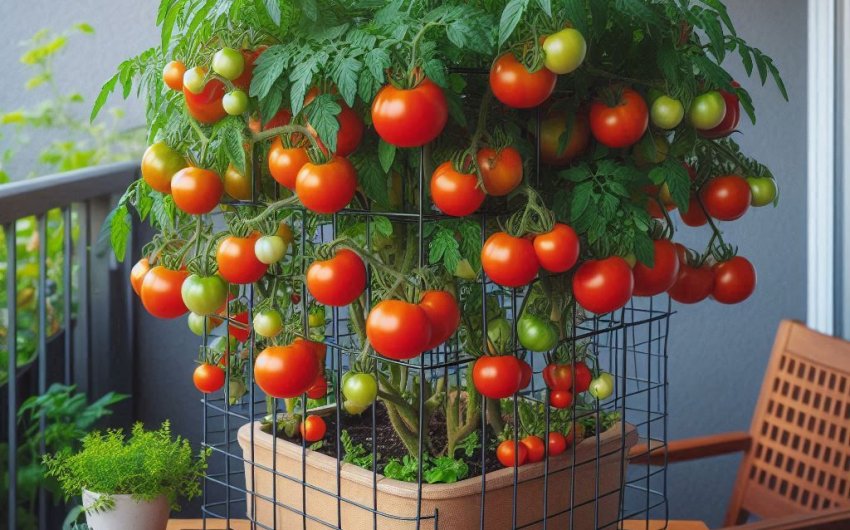
There's arguably no greater joy in gardening than harvesting your own sun-ripened, juicy tomatoes. Their incomparable flavor far surpasses anything you can buy at the grocery store. But what if you don't have a sprawling backyard or a dedicated vegetable garden plot? Does that mean you have to give up your dream of homegrown tomatoes? Absolutely not! Learning how to grow tomatoes in small spaces is entirely possible and incredibly rewarding, even if your "garden" is just a patio, balcony, or a tiny urban plot.
This guide will show you how to maximize your limited area to achieve a bountiful tomato harvest. We'll cover everything from selecting the right tomato varieties for compact growing, choosing ideal containers, providing essential support, and mastering care techniques to ensure your plants thrive. Get ready to transform your tiny patch of sun into a productive tomato paradise!
Why Grow Tomatoes in Small Spaces?
Even with limited room, the benefits of growing your own tomatoes are immense.
Do Small-Space Tomatoes Taste Better?
Yes! Just like their full-sized garden counterparts, tomatoes grown in small spaces (containers or compact beds) can taste infinitely better than store-bought. You control the ripeness, picking them at their peak flavor and enjoying them minutes after harvest.
Is It Possible to Get a Good Yield in Limited Space?
Absolutely! With the right strategies – selecting appropriate varieties and providing optimal care – you can get a surprisingly good yield from even one or two tomato plants in a small area. Many compact varieties are bred to be very productive.
Can It Be Easier to Manage?
For some, growing tomatoes in small spaces can actually be simpler.
- Pest Control: Easier to spot and manage pests on a few container plants.
- Watering: Easier to monitor and control watering.
- Mobility: Containerized tomatoes can be moved to ideal sun spots or sheltered from severe weather.
Does It Add Beauty to Patios/Balconies?
A thriving tomato plant with ripening fruit is not just productive; it's also beautiful! It adds a lush, vibrant, and edible element to any patio, balcony, or small urban yard, transforming it into a more inviting and lively space.
Step 1: Choosing the Right Tomato Varieties for Small Spaces
This is the most critical decision when learning how to grow tomatoes in small spaces. Not all tomatoes are created equal in terms of growth habit.
Determinate vs. Indeterminate Tomatoes
This distinction is crucial for small-space success.
- Determinate (Bush) Tomatoes:
- Growth Habit: Grow to a predetermined height (usually 3-4 feet) and then stop growing. They produce most of their fruit at once, over a shorter period.
- Pros for Small Spaces: Compact, bushier growth requires less stringent staking or caging. Good for containers.
- Cons: Shorter harvest window.
- Examples: 'Roma' (many determinate versions), 'Celebrity', 'Patio', 'Bush Early Girl', 'Glacier'.
- Indeterminate (Vining) Tomatoes:
- Growth Habit: Continue to grow and produce fruit until killed by frost. They can reach 6-10 feet or more and fruit continuously.
- Pros for Small Spaces (with proper support): Longer harvest season.
- Cons: Require very strong, tall staking or trellising. Can quickly overwhelm small spaces if not managed.
- Examples: 'Cherry Tomato' varieties (most are indeterminate), 'Brandywine', 'Beefsteak', 'Big Boy'.
Dwarf or Compact Varieties
Look for these specific labels on seed packets or plant tags.
- Specifically Bred: These are determinate tomatoes specifically bred to be very small (often 1-3 feet tall).
- Pros for Small Spaces: Extremely compact, ideal for small pots, hanging baskets, or tiny balconies. Very little support needed.
- Examples: 'Tiny Tim', 'Micro Tom', 'Patio Princess', 'Bush Goliath', 'Better Bush'.
Cherry Tomatoes
Many cherry tomato varieties are indeterminate, but their smaller fruit size often makes them manageable.
- Pros: Highly productive even in limited space, continuous harvest, delicious.
- Cons: Many are vining and need strong support.
- Examples: 'Sungold', 'Sweet Million', 'Black Cherry'.
Step 2: Choosing the Right Containers for Tomatoes
Container size is paramount for growing tomatoes in small spaces.
- Size Matters: Tomatoes are heavy feeders and have extensive root systems. The bigger the pot, the happier your tomato plant will be and the more fruit it will produce.
- Minimum: A 5-gallon container (or larger) is the absolute minimum for a dwarf or small determinate tomato.
- Recommended: 10-20 gallon containers (or larger) are ideal for most determinate tomato varieties.
- Vining (Indeterminate): If you attempt vining tomatoes in containers, aim for 20-gallon or larger to support their extensive growth and fruit load.
- Material:
- Fabric Grow Bags: Excellent choice. Promote air pruning of roots (prevents circling), provide good drainage, lightweight, and come in various sizes.
- Plastic Pots: Lightweight, retain moisture well. Choose dark colors that absorb heat.
- Terra Cotta Pots: Attractive, but porous and dry out quickly, requiring very frequent watering.
- Whiskey Barrels/Large Buckets: Economical and provide ample space. Drill drainage holes if needed.
- Drainage Holes: Ensure any container you use has ample drainage holes.
Step 3: Preparing Your Soil and Planting
Good soil is the foundation for healthy tomatoes.
- Potting Mix (Not Garden Soil!): Do NOT use garden soil in containers. It's too dense, compacts, and lacks proper drainage. Use a high-quality, well-draining potting mix specifically designed for containers.
- Amendments (Optional but Recommended): You can improve your potting mix by adding:
- Perlite or vermiculite for drainage and aeration.
- A few handfuls of organic compost for a nutrient boost.
- Planting Depth (The Tomato Trick!): Tomatoes are unique because they can grow roots directly from their stems.
- For Leggy Transplants: If your tomato seedling is leggy (long, thin stem), gently pinch off the lower leaves and plant it deeper in the container, burying part of the stem. The buried stem will develop new roots, making the plant stronger and more stable. (Learn how to fix leggy growth in tomato seedlings!)
Step 4: Providing Support (Essential!)
Even compact tomato varieties need some form of support to prevent them from toppling over under the weight of fruit.
- Tomato Cages: The easiest option for most determinate and dwarf tomato varieties. Choose a sturdy tomato cage that is tall enough for your expected plant size. Insert it into the container at planting time.
- Staking: Use a tall, sturdy bamboo stake or wooden stake. Insert it at planting time to avoid damaging roots later. As the tomato grows, gently tie the main stem to the stake with soft plant ties or strips of old cloth.
- Trellising: For vining tomatoes in a slightly larger space, a garden trellis can work well, allowing you to train the vines upwards.
- Why Support is Crucial: Prevents stems from breaking, keeps fruit off the ground (reduces rot and pests), and improves air circulation.
Step 5: Nurturing Your Container Tomatoes
Consistent care is vital for a bountiful harvest from your small-space tomatoes.
1. Watering (More Critical in Containers!)
- Frequent Watering: Tomatoes in containers dry out much faster than those in the ground. They will likely need daily watering, sometimes twice a day in hot, sunny weather.
- Check Moisture Daily: Stick your finger 1-2 inches into the soil. If it feels dry, water.
- Deep Watering: Water until it drains out the bottom of the pot.
- Consistency: Consistent watering is key to preventing blossom end rot (a common problem where the bottom of the tomato turns black/mushy), caused by inconsistent calcium uptake due to erratic watering.
2. Fertilizing (They're Hungry!)
Tomatoes are heavy feeders, and nutrients leach out of containers easily.
- Initial Boost: Mix some organic compost into your potting mix at planting time.
- Regular Feeding: Once flowers appear and fruit begins to set, start fertilizing regularly (e.g., every 1-2 weeks). Use a balanced liquid tomato fertilizer or a specific "vegetable food" that is higher in phosphorus (P) and potassium (K) to encourage fruit production. Follow label directions for dilution.
- Avoid Too Much Nitrogen: Too much nitrogen (the first number in N-P-K) encourages leafy growth at the expense of fruit.
3. Sunlight (Still Paramount)
- Full Sun: Even in small spaces, tomatoes still need 6-8 hours of direct sunlight per day. Place your containers in the sunniest spot available on your patio or balcony.
- Mobility: The advantage of containers is you can move them to chase the sun as needed throughout the day or season.
4. Pruning (for Indeterminate Varieties)
- Pinching Suckers: For indeterminate (vining) tomatoes, you can "pinch off" suckers (small shoots that grow in the "armpit" between the main stem and a leaf branch). This directs energy into the main stem and fruit production, and helps manage their size. Do this when they are small. Determinate varieties generally don't need sucker pruning.
- Remove Lower Leaves: As plants grow, remove any lower leaves that touch the soil or are yellowing. This improves air circulation and prevents disease.
5. Pest and Disease Management
- Regular Inspection: Inspect your container tomatoes regularly for any signs of pests (aphids, hornworms) or diseases (blight, powdery mildew).
- Manual Removal: Hand-pick larger pests.
- Organic Sprays: Use insecticidal soap or neem oil spray for common pests.
- Good Airflow: Ensure good spacing between plants (even in containers) to improve air circulation and reduce disease.
Troubleshooting Common Problems in Container Tomatoes
Even with the best care, you might encounter issues.
- Blossom End Rot (Black/Mushy Bottom): Most commonly caused by inconsistent watering, leading to calcium uptake issues. Ensure consistent watering.
- Yellow Leaves: Usually overwatering (soggy soil) or underwatering (crispy dry). Can also be nutrient deficiency.
- No Fruit: Not enough sunlight, lack of pollination (try gently shaking the plant or using an electric toothbrush on flowers), or incorrect fertilizer ratio (too much nitrogen).
By selecting the right varieties, providing adequate container size and support, and maintaining consistent watering and fertilizing, you can absolutely learn how to grow tomatoes in small spaces and enjoy the unparalleled taste of homegrown tomatoes right on your patio or balcony! Happy harvesting!