
The Importance of Companion Planting in Vegetable Gardens
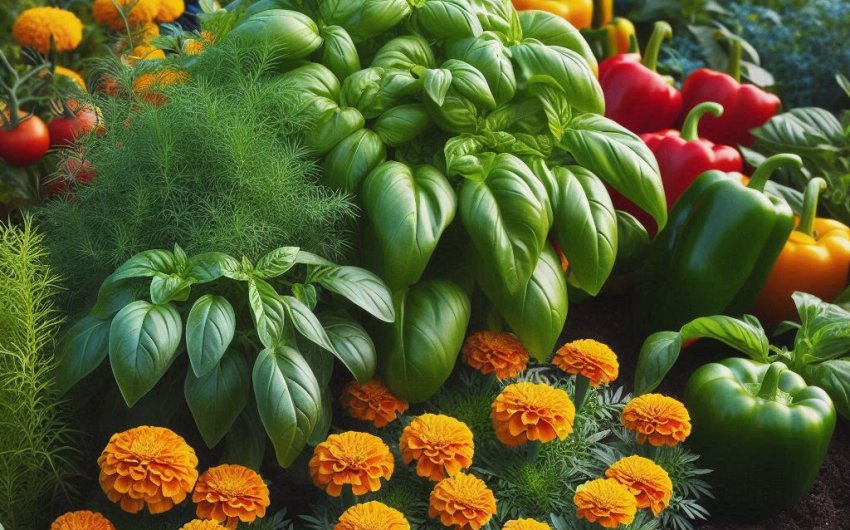
The importance of companion planting in vegetable gardens lies in its ability to naturally enhance plant health, deter pests, attract beneficial insects, and improve soil fertility without relying on synthetic chemicals. It's an ancient, sustainable gardening practice that leverages beneficial interactions between different plant species.
What is Companion Planting and Why Does It Matter?
Companion planting is the practice of growing different plant species together for mutual benefit. It's a time-honored, sustainable gardening technique that leverages natural interactions in the plant world to create a healthier, more productive, and resilient vegetable garden.
Why is Companion Planting Important?
The importance of companion planting in vegetable gardens cannot be overstated for both organic and conventional growers. It offers a multifaceted approach to garden management that reduces reliance on external inputs and fosters a balanced ecosystem.
- Natural Pest Deterrence: One of the primary benefits. Certain plants release compounds from their roots or foliage that repel specific pests, or they mask the scent of vulnerable crops, making them harder for pests to find. This reduces the need for chemical pesticides.
- Attraction of Beneficial Insects: Some companion plants act as "nursery" plants, attracting predatory insects (like ladybugs and lacewings) or parasitoids (like parasitic wasps) that feed on garden pests. They also draw in pollinators.
- Improved Plant Growth and Flavor: Certain plant pairings can stimulate the growth of nearby plants or even enhance their flavor. This is often attributed to chemical exudates from roots or improved soil conditions.
- Enhanced Soil Health and Nutrient Cycling: Some plants, particularly legumes, fix nitrogen from the air into the soil, making it available for nearby heavy feeders. Others, with deep root systems, can break up compacted soil or draw up nutrients from deeper soil layers, benefiting shallower-rooted companions.
- Weed Suppression: Densely planted companions can create a living mulch, shading out weeds and reducing competition for resources.
- Physical Support: Taller, sturdy plants can offer natural trellises or shade for more delicate or sun-sensitive companions.
- Reduced Disease Spread: Mixing plant types can help prevent the rapid spread of diseases that often occurs in monoculture plantings, where a disease can quickly decimate an entire crop.
- Increased Biodiversity: A diverse garden is a resilient garden. Companion planting naturally increases the variety of plant species, which in turn supports a wider range of beneficial insects and microorganisms.
- Sustainable Gardening: By working with nature's principles, companion planting reduces the need for synthetic pesticides, herbicides, and even some fertilizers, leading to a more environmentally friendly and sustainable garden.
How Does Companion Planting Work?
The mechanisms behind companion planting are complex and multifaceted, drawing on ecological principles:
- Repellency (Pest Deterrence): Plants emit volatile compounds (smells) through their leaves or roots that specific pests find unpleasant. For example, the strong scent of marigolds can deter nematodes or other pests.
- Masking (Camouflage): Aromatic companion plants can emit strong scents that mask the "smell" of a target crop, making it harder for pests to locate their preferred food source. For example, mint grown near cabbage can confuse cabbage moths.
- Trap Cropping: Some plants are intentionally grown to lure pests away from a more valuable crop. The pests prefer the "trap crop," leaving the main crop relatively unharmed. Nasturtiums are often used this way to draw aphids.
- Attracting Beneficials: Certain flowers produce abundant nectar and pollen, acting as food sources for beneficial insects like hoverflies, ladybugs, and parasitic wasps, which then prey on garden pests.
- Nutrient Cycling/Fixation: Legumes (beans, peas) have root nodules that host nitrogen-fixing bacteria, converting atmospheric nitrogen into a form usable by plants. This benefits nitrogen-hungry crops nearby.
- Shade and Support: Taller plants can provide natural shade for smaller, more delicate plants that might suffer in intense sun. Sturdy plants (like corn) can serve as living stakes for climbing plants (like beans).
- Allelopathy (Less Common/More Complex): Some plants release biochemicals that can inhibit the growth of other plants. While often negative (e.g., black walnut), some positive allelopathic interactions are also theorized to exist between companions.
Understanding these mechanisms highlights the profound importance of companion planting in vegetable gardens, offering a powerful, natural tool for healthier, more productive harvests.
Which Plants are Good Companions for Common Vegetables?
Knowing specific companion planting pairs is crucial for putting the importance of companion planting in vegetable gardens into practice. Here's a guide to common vegetables and their beneficial companions.
Tomatoes:
- Good Companions:
- Basil: Improves tomato flavor and repels flies and hornworms. Plant close by.
- Marigolds (French): Repel nematodes and other harmful soil pests.
- Carrots: Loose soil around carrots benefits tomato root growth.
- Nasturtiums: Act as a trap crop for aphids, drawing them away from tomatoes.
- Borage: Attracts pollinators and beneficial insects, and is said to deter tomato hornworms.
- Chives and Onions: May deter spider mites.
- Mint: Can repel slugs and hornworms, but plant in a pot near tomatoes as it's invasive.
- Bad Companions:
- Brassicas (Cabbage, Broccoli, Kale): Can stunt tomato growth.
- Corn: May attract corn earworm, which also affects tomatoes.
- Fennel: Can inhibit growth of many plants, including tomatoes.
- Potatoes: Both are members of the nightshade family and can share diseases like blight.
Cucumbers:
- Good Companions:
- Corn: Provides a natural trellis for climbing cucumbers.
- Beans: Fix nitrogen, benefiting cucumbers.
- Radishes: Loosen soil and deter cucumber beetles.
- Nasturtiums: Repel cucumber beetles.
- Dill and Marigolds: Attract beneficial insects and repel cucumber beetles.
- Sunflowers: Provide partial shade for roots and sturdy support.
- Bad Companions:
- Aromatic Herbs (Strong ones like Sage, Rosemary): Can inhibit cucumber growth.
- Potatoes: Can compete for nutrients and water, and promote blight.
Peppers (Sweet and Hot):
- Good Companions:
- Basil: Improves flavor and repels flies.
- Carrots: Loosen soil, beneficial for root growth.
- Onions, Chives, Garlic: Repel aphids and other pests.
- Spinach, Lettuce: Provide ground cover and reduce weeds, keeping soil cool.
- Marigolds: Repel nematodes.
- Radishes: Break up soil, allow air circulation.
- Bad Companions:
- Beans (especially Bush Beans): Can stunt pepper growth.
- Fennel: Can inhibit growth.
- Apricot Trees: Can create competition.
Beans (Bush and Pole):
- Good Companions:
- Corn: Provides support for pole beans.
- Squash/Pumpkins: Large leaves suppress weeds and conserve moisture (often part of the "Three Sisters" planting).
- Carrots, Cucumbers, Broccoli, Cabbage: Beans are nitrogen fixers, benefiting many heavy feeders.
- Marigolds (French): Repel nematodes.
- Rosemary: May deter bean beetles.
- Potatoes (some say good, some bad - monitor): Beans can provide nitrogen for potatoes, but some report growth inhibition.
- Bad Companions:
- Onions, Garlic, Chives: Can stunt bean growth.
- Fennel: Inhibits growth.
- Peppers: Can inhibit pepper growth.
Carrots:
- Good Companions:
- Rosemary, Sage, Marigolds: Deter carrot rust fly.
- Lettuce, Radishes: Mark rows and loosen soil, providing root space.
- Beans, Peas: Nitrogen fixers benefit carrots.
- Chives, Onions: Deter aphids.
- Bad Companions:
- Dill: Can attract spider mites to carrots.
- Fennel: Inhibits growth.
Brassicas (Cabbage, Broccoli, Kale, Brussels Sprouts):
- Good Companions:
- Aromatic Herbs (Mint, Rosemary, Thyme, Sage, Dill): Repel cabbage moths and other brassica pests (plant mint in a pot).
- Marigolds (French): Repel nematodes.
- Onions, Garlic: Deter aphids and other pests.
- Potatoes: Can be mutually beneficial in some systems.
- Celery, Chamomile: Can enhance flavor and growth.
- Bad Companions:
- Strawberries: Can stunt brassica growth.
- Tomatoes: Can stunt growth.
- Beans: Can inhibit growth.
Corn:
- Good Companions:
- Beans (Pole): Climbs corn stalks for support while fixing nitrogen (part of "Three Sisters").
- Squash/Pumpkins: Shades soil, suppresses weeds, retains moisture (part of "Three Sisters").
- Melons, Cucumbers: Benefit from corn's support.
- Peas, Lentils: Nitrogen fixers.
- Amaranth: Can offer partial shade and attract beneficials.
- Bad Companions:
- Tomatoes: Can share corn earworm.
- Brassicas: Can stunt corn growth.
This table provides a snapshot of the importance of companion planting in vegetable gardens, guiding your plant choices for a more harmonious and productive plot.
How Does Companion Planting Deter Pests?
One of the most celebrated aspects of the importance of companion planting in vegetable gardens is its natural ability to deter pests without chemicals. This happens through a fascinating array of interactions.
Mechanisms of Pest Deterrence:
Repellency (Scent Masking):
- Many aromatic herbs and flowers release strong odors that pests find unpleasant or confusing. These smells can mask the scent of nearby target crops, making it difficult for pests to locate their preferred food source.
- Examples:
- Marigolds (especially French Marigolds): Emit compounds from their roots that deter nematodes (microscopic worms that attack roots) and other soil-borne pests. Their strong above-ground scent can also deter whiteflies and other flying insects.
- Basil: Repels flies, mosquitoes, and tomato hornworms.
- Mint (in pots): The strong menthol scent can confuse cabbage moths, keeping them away from brassicas.
- Rosemary, Thyme, Sage: Their pungent aromas deter various vegetable pests, including cabbage loopers, bean beetles, and carrot rust flies.
- Onions, Garlic, Chives: Belonging to the Allium family, these emit sulfurous compounds that repel aphids, slugs, carrot rust flies, and even deer.
Trap Cropping:
- This involves planting a "sacrificial" plant that pests find even more attractive than your main crop. Pests flock to the trap crop, leaving your more valuable plants relatively unharmed.
- Example:
- Nasturtiums: Highly attractive to aphids, cabbage worms, and squash bugs. Plant them near susceptible crops like tomatoes, brassicas, or squash, and let the pests congregate on the nasturtiums. You can then easily remove and dispose of the infested nasturtium plants.
Physical Barriers and Shading:
- Some companions create physical barriers or provide shade that pests dislike.
- Examples:
- Tall plants (like corn or sunflowers): Can provide partial shade for cool-season crops (like lettuce or spinach) in hot climates, keeping them cooler and less stressed, and thus less attractive to certain heat-loving pests.
- Dense groundcovers (like lettuce or spinach around peppers): Can make it harder for weeds to grow (reducing hiding spots for some pests) and keep soil cool, beneficial for pepper roots.
Allelopathy (Chemical Inhibition - Less Common/Understood in Pest Deterrence):
- While mostly associated with inhibiting plant growth, some allelopathic compounds are believed to directly affect pests. For instance, specific compounds from marigold roots are known to suppress nematode populations.
By strategically incorporating these pest-deterring companions, you can significantly reduce pest pressure in your vegetable garden, relying less on chemical interventions and fully appreciating the importance of companion planting in vegetable gardens for natural pest control.
How Does Companion Planting Attract Beneficial Insects?
Beyond deterring pests, a key aspect of the importance of companion planting in vegetable gardens is its remarkable ability to attract beneficial insects. These garden allies perform crucial services, from pollinating crops to preying on harmful pests.
Why Are Beneficial Insects Important?
- Natural Pest Control: Many beneficial insects are natural enemies of common garden pests. They can dramatically reduce pest populations without the need for chemicals. This includes predatory insects (like ladybugs, lacewings, hoverflies, predatory wasps) and parasitoid insects (which lay their eggs inside or on pests, killing them).
- Pollination: Bees, butterflies, hoverflies, and other insects are essential for pollinating many vegetable crops (squash, cucumbers, tomatoes, beans, peppers, etc.) and fruit trees, directly increasing your harvest yield.
Mechanisms of Attracting Beneficial Insects:
Nectar and Pollen Sources:
- Many beneficial insects, especially adult predators and parasitoids, feed on nectar and pollen. Nectar provides energy, while pollen provides protein essential for egg-laying.
- Key plants: Focus on flowers with small, open, or umbrella-shaped clusters of flowers (like members of the Carrot family) as these provide easy access to nectar and pollen for tiny beneficial insects.
- Examples:
- Dill, Fennel, Cilantro, Parsley: When allowed to flower, these members of the Apiaceae (Umbelliferae) family have tiny, accessible flowers that attract a wide range of beneficials, including parasitic wasps, hoverflies, and lacewings.
- Marigolds (especially French): Beyond pest repellency, their flowers attract ladybugs and other general predators.
- Alyssum: Low-growing, produces masses of tiny, fragrant flowers that attract hoverflies (whose larvae are voracious aphid eaters) and parasitic wasps.
- Borage: Attracts bees and wasps, and is especially good for tomatoes.
- Cosmos, Zinnias, Sunflowers: Their larger, open flowers also attract a variety of pollinators and some beneficials.
Shelter and Habitat:
- Some companion plants, particularly those with dense foliage, can provide micro-habitats where beneficial insects can hide from predators, rest, or seek refuge from harsh weather.
- Example: A diverse planting creates a more complex environment that supports a wider array of insect life.
Alternative Food Sources (for pest control):
- Sometimes, providing a small, controlled population of "sacrificial" pests on a companion plant can actually benefit your garden. These pests serve as an initial food source for beneficial predators, encouraging them to establish themselves in your garden before your main crops become heavily infested. (This is a more advanced concept, often used with trap cropping).
By specifically planting these beneficial-attracting companions, you transform your vegetable garden into a thriving ecosystem where nature helps control pests and boost yields, truly showcasing the importance of companion planting in vegetable gardens. For a strong start, consider buying Beneficial Insect Attractant Seed Mix.
How Does Companion Planting Improve Soil Health and Plant Growth?
The importance of companion planting in vegetable gardens extends beyond pest control and beneficial insect attraction; it significantly contributes to improved soil health and enhanced plant growth, creating a more fertile and robust environment for your crops.
Mechanisms of Soil and Growth Enhancement:
Nitrogen Fixation:
- Legumes (Beans, Peas, Clover): These plants have a symbiotic relationship with nitrogen-fixing bacteria in their root nodules. These bacteria convert atmospheric nitrogen (which plants cannot use directly) into a form of nitrogen (ammonia) that is readily available to plants.
- Benefit: When nitrogen-fixing plants are grown near heavy feeders (like corn, squash, brassicas, or leafy greens), they supply a natural, continuous source of nitrogen to the soil. As the legume plants shed root cells or decompose, this fixed nitrogen becomes available to their neighbors, reducing the need for synthetic nitrogen fertilizers. This is a cornerstone of practices like the "Three Sisters" planting (Corn, Beans, Squash).
Soil Aeration and Structure Improvement:
- Plants with different root structures can work together to improve soil.
- Deep-Rooted Plants: Some companion plants have long taproots (e.g., carrots, daikon radishes, alfalfa). These roots can break up compacted soil, create channels for water and air penetration, and bring up nutrients from deeper soil layers that shallower-rooted crops might not otherwise access.
- Benefit: This improves overall soil structure, drainage, and aeration, creating a healthier environment for all roots to grow.
Nutrient Cycling and Retention:
- As plants grow and shed leaves or roots, they contribute organic matter to the soil, which decomposes and releases nutrients.
- Living Mulch: Some low-growing companion plants (e.g., clover, lettuce, spinach) can act as a "living mulch." They cover the soil, preventing erosion, suppressing weeds, and keeping the soil cooler and more consistently moist. As they grow and are periodically trimmed or when they eventually die, their biomass adds organic matter to the soil.
Shade and Moisture Regulation:
- Taller, leafy plants can provide beneficial shade for sun-sensitive or cool-season crops during hot summer months.
- Examples: Corn or sunflowers can shade lettuce, spinach, or carrots, preventing them from bolting (going to seed prematurely) and keeping their roots cool. The large leaves of squash or pumpkins, when planted as a groundcover, significantly reduce soil evaporation, conserving moisture.
- Benefit: Consistent soil moisture and temperature reduce plant stress, making them healthier and more productive.
Mycorrhizal Fungi Support:
- A diverse plant community can encourage a more diverse and robust population of beneficial soil microorganisms, including mycorrhizal fungi. These fungi form symbiotic relationships with plant roots, extending the root system's reach and improving the plant's ability to absorb water and nutrients, particularly phosphorus.
By implementing companion planting strategies that focus on these soil and growth enhancement mechanisms, you tap into the full importance of companion planting in vegetable gardens, leading to more vibrant plants and richer harvests without heavy reliance on external inputs.
What are the Bad Companion Planting Combinations?
While the importance of companion planting in vegetable gardens is largely about beneficial relationships, it's equally crucial to understand which plant combinations can be detrimental. Planting incompatible species together can lead to stunted growth, increased pest issues, or even disease spread.
Why Do Some Plants Not Get Along?
Incompatible companion planting can result from various factors:
- Allelopathy (Chemical Inhibition): Some plants release biochemicals from their roots or decomposing foliage that are toxic or inhibitory to the growth of certain other plants.
- Competition for Resources: Plants with very similar growth habits, root systems, or nutrient needs might aggressively compete for limited water, nutrients, or light, to the detriment of both.
- Shared Pests/Diseases: Planting closely related species together can concentrate shared pests or diseases, leading to faster spread and more severe infestations.
- Attraction of Harmful Pests: Some plants might attract pests that are particularly damaging to a nearby "companion."
Common Bad Companion Planting Combinations to Avoid:
Fennel with Almost Anything:
- Problem: Fennel (especially common fennel) is notoriously allelopathic. It produces compounds that inhibit the growth and vigor of many other plants.
- Avoid Planting Near: Most vegetables, including tomatoes, beans, peas, carrots, cabbage, kohlrabi, and peppers. It's best grown in its own dedicated space or a container, away from the main vegetable garden.
Brassicas (Cabbage, Broccoli, Kale, Brussels Sprouts, Collards) and Strawberries:
- Problem: Brassicas can stunt the growth of strawberries.
- Avoid Planting Near: Strawberries.
Brassicas and Tomatoes:
- Problem: Can inhibit each other's growth. Tomatoes can stunt brassicas, and brassicas can stunt tomatoes.
- Avoid Planting Near: Tomatoes.
Beans (Bush and Pole) and Alliums (Onions, Garlic, Chives, Leeks):
- Problem: Alliums can inhibit the growth of beans. The sulfur compounds emitted by alliums are thought to be detrimental to the beneficial nitrogen-fixing bacteria on bean roots.
- Avoid Planting Near: Onions, Garlic, Chives, Leeks.
Tomatoes and Corn:
- Problem: Both are susceptible to the corn earworm (also known as tomato fruitworm). Planting them together can concentrate this pest, leading to more severe damage to both crops.
- Avoid Planting Near: Corn.
Tomatoes and Potatoes:
- Problem: Both are members of the nightshade family and are susceptible to common diseases like blight. Planting them together increases the risk and rapid spread of these diseases. They also compete heavily for nutrients.
- Avoid Planting Near: Potatoes.
Cucumbers and Aromatic Herbs (Strong Ones):
- Problem: Strong aromatic herbs like sage or rosemary can sometimes inhibit the growth or alter the flavor of cucumbers.
- Avoid Planting Near: Strong aromatic herbs in close proximity.
Potatoes and Cucumbers:
- Problem: Can lead to increased susceptibility to blight in potatoes. Also, they compete for nutrients and water.
- Avoid Planting Near: Cucumbers.
Dill and Carrots (sometimes):
- Problem: While dill can attract beneficials, some gardeners report that it can also attract spider mites, which can then move to carrots. This is more nuanced and often depends on specific garden conditions.
- Monitor if Planting Near: Carrots.
This understanding of incompatible pairs reinforces the importance of companion planting in vegetable gardens, not just for what to plant together, but also for what to keep separate to ensure healthy growth. Always observe your garden and adjust based on what you see.
How Do I Plan a Companion Planting Layout?
Implementing the importance of companion planting in vegetable gardens effectively requires thoughtful planning, not just randomly placing plants together. A well-designed layout maximizes benefits and avoids detrimental interactions.
Steps to Plan Your Companion Planting Layout:
Assess Your Garden Space and Sunlight:
- Sunlight: Map out where your garden receives full sun (6-8+ hours), partial sun (4-6 hours), and shade (less than 4 hours). Most vegetables and many beneficial companion plants prefer full sun.
- Size and Shape: Consider the dimensions of your raised beds or in-ground plots.
Choose Your Primary Vegetable Crops:
- Decide which vegetables you want to grow the most. These will be your main focus points.
Research Companion Plants for Your Chosen Vegetables:
- For each primary vegetable, list its known "good" and "bad" companions (refer to companion lists provided earlier).
- Focus on the strongest beneficial interactions: prioritize pairings known for pest deterrence, attracting specific beneficials, or nutrient enhancement.
Consider Plant Growth Habits and Sizes:
- Tall vs. Short: Place taller plants (corn, sunflowers, staked tomatoes) on the north side of your garden beds to prevent them from shading out shorter, sun-loving plants (lettuce, spinach, peppers).
- Climbers: Plan for pole beans to climb corn or trellises.
- Root Depth: Mix deep-rooted plants (carrots, tomatoes) with shallow-rooted plants (lettuce, radishes) to avoid root competition and make better use of soil layers.
- Sprawlers: Allow vining plants (squash, pumpkins, melons) to sprawl as groundcover, suppressing weeds and conserving moisture, perhaps around taller corn or bean poles.
Incorporate Beneficial Attractors and Deterrents Strategically:
- Nectar/Pollen Attractors: Plant flowers like dill, cilantro (allowed to bolt), alyssum, marigolds, and borage throughout your vegetable beds, not just at the edges. Disperse them to draw beneficial insects into the heart of your garden.
- Repellents: Interplant aromatic herbs (basil, rosemary, thyme) directly among the vegetables they benefit. For invasive herbs like mint, grow them in pots sunk into the ground near their target companion.
- Trap Crops: Plant nasturtiums a short distance away from highly susceptible crops to draw pests away.
Create "Guilds" or "Plant Communities":
- Instead of single rows, think in small circles or groups of mutually beneficial plants. The "Three Sisters" (corn, beans, squash) is a classic example of a guild.
- Example Guild for Tomatoes: Plant a central tomato plant, surrounded by basil, marigolds, and some bush beans (if you don't grow beans susceptible to tomato disease).
Draw a Garden Plan (Diagram):
- Sketch your garden beds to scale.
- Draw in your primary vegetable crops.
- Then, add in their beneficial companions, considering spacing and mature size.
- Mark areas for water sources or other features.
- This visual plan helps you prevent bad combinations and ensure efficient space use.
Start Small and Observe:
- If you're new to companion planting, start with a few well-known, reliable combinations.
- Observe your plants: Pay attention to which combinations truly thrive and which struggle. Companion planting is as much an art as a science, and local conditions can vary. Keep a garden journal!
By applying these planning steps, you'll move beyond simply understanding the importance of companion planting in vegetable gardens to actively designing a thriving, naturally balanced, and productive garden ecosystem. For planning, you can use garden planning software or apps to help visualize your layout.
What are Advanced Companion Planting Techniques?
Once you've mastered the basics and appreciate the importance of companion planting in vegetable gardens, you can delve into more advanced techniques. These strategies build on core principles to create even more resilient and productive ecosystems.
Beyond Basic Pairings:
The "Three Sisters" System:
- Description: An ancient Native American polyculture combining corn, pole beans, and squash (or pumpkins/melons).
- Interactions:
- Corn: Provides a living trellis for the pole beans to climb.
- Beans: Fix nitrogen in the soil, enriching it for the heavy-feeding corn and squash.
- Squash: Its large leaves act as a living mulch, suppressing weeds, conserving soil moisture, and deterring pests with its spiny leaves.
- Benefits: Excellent example of synergistic growth, nutrient cycling, and physical support.
- How to Plant: Plant corn in a mound. Once corn is about 6 inches tall, plant beans around its base. A week or two later, plant squash/pumpkin seeds around the outer edge of the mound.
Living Mulches/Groundcovers:
- Description: Using low-growing plants as a living groundcover beneath taller vegetables.
- Examples: White clover, alyssum, lettuce, spinach.
- Interactions:
- Weed Suppression: Shades out weeds, reducing competition.
- Moisture Retention: Keeps soil cooler and reduces evaporation.
- Soil Health: Adds organic matter as it decomposes. Clover also fixes nitrogen.
- Beneficial Attractors: Alyssum and clover flowers attract tiny beneficial insects.
- Benefits: Reduces weeding, conserves water, improves soil.
- Caution: Ensure the groundcover doesn't compete too much with the main crop for water or nutrients, especially in dry climates.
Insectary Planting / Hedgerows:
- Description: Dedicating specific areas or borders of your garden to a diverse mix of flowering plants specifically chosen to attract and support beneficial insects.
- Examples: A border of dill, fennel, cilantro (allowed to bolt), alyssum, borage, yarrow, sunflowers, coneflowers, and native wildflowers.
- Interactions: Provides continuous nectar and pollen sources, as well as shelter and breeding sites for a wide range of predatory and parasitic insects.
- Benefits: Creates a self-sustaining pest control system. These "insectary" areas act as a magnet for beneficials, drawing them into your vegetable beds.
"Nurse Cropping" or "Sacrificial Cropping":
- Description: Planting a faster-growing, less valuable crop to provide initial protection or a temporary "nurse" for a slower-growing main crop. Or, planting a trap crop as a sacrificial lure for pests.
- Examples:
- Radishes with Carrots: Radishes germinate and grow quickly, marking the rows for slow-germinating carrots and loosening the soil. Harvest radishes before they compete with carrots.
- Nasturtiums as Trap Crops: As mentioned earlier, they lure aphids away from more valuable crops.
- Benefits: Provides early protection, optimizes space, or diverts pests.
Utilizing Dynamic Accumulators:
- Description: Plants that have deep taproots that mine nutrients from deeper soil layers and bring them to the surface. When these plants die back or are chopped and dropped, they release these nutrients into the topsoil.
- Examples: Comfrey, Daikon radish, Dandelion (if tolerated), Alfalfa.
- Interactions: Their deep roots break up compacted soil and access hard-to-reach nutrients.
- Benefits: Improves soil structure, enriches topsoil with nutrients, and can be used as a "chop and drop" mulch.
These advanced companion planting techniques push the envelope of the importance of companion planting in vegetable gardens, moving beyond simple pairings to create highly resilient, productive, and ecologically integrated growing systems. This approach to gardening is more about fostering a vibrant ecosystem than just cultivating individual plants.