
Transforming Your Outdoor Oasis: Frontyard Landscape Layout Ideas
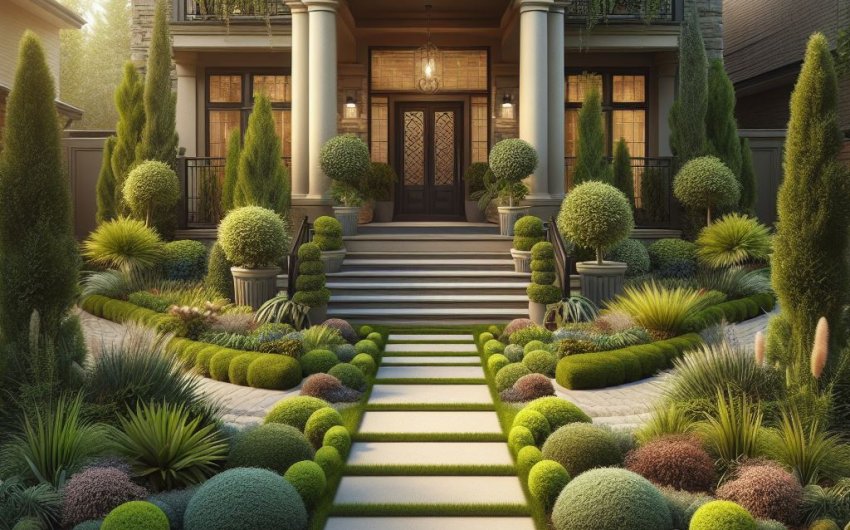
Transforming your outdoor oasis with frontyard landscape layout ideas focuses on enhancing curb appeal, functionality, and personal style. This involves strategic planning of pathways, planting beds, focal points, and hardscaping elements that complement your home's architecture and local climate, creating a welcoming and visually appealing entrance to your property.
Why is frontyard landscape layout crucial for curb appeal and home value?
The frontyard landscape layout is the face of your home, playing a crucial role far beyond mere aesthetics. It's the first impression, a welcoming embrace to guests, and a significant contributor to your property's overall curb appeal and resale value. A thoughtfully designed frontyard layout can transform an ordinary space into an enchanting outdoor oasis, reflecting your personal style and seamlessly integrating with your home's architecture.
What are the compelling benefits of a well-designed frontyard landscape?
Investing in your frontyard landscape yields a multitude of advantages that enhance both your living experience and your property's value.
- Boosts Curb Appeal: A beautiful front yard immediately enhances the visual attractiveness of your home, making it stand out in the neighborhood.
- Increases Home Value: Expertly designed landscaping can significantly increase property value, often yielding a substantial return on investment (ROI) at resale. It creates a lasting positive impression on potential buyers.
- Creates a Welcoming Entrance: A clear, attractive pathway and well-defined planting beds guide visitors to your door, making your home feel more inviting and hospitable.
- Reflects Personal Style: Your front yard is an extension of your home. A thoughtful layout allows you to express your aesthetic preferences, whether it's modern minimalist, traditional, cottage, or xeriscape.
- Defines Spaces: Hardscaping (pathways, patios) and planting beds help define functional areas, creating a sense of order and purpose.
- Environmental Benefits: Strategic planting can provide shade (reducing cooling costs), improve air quality, manage stormwater runoff, and create habitat for local wildlife.
- Privacy and Screening: Well-placed trees and shrubs can offer privacy from neighbors or screen unsightly views.
- Lowers Maintenance (with smart design): A well-planned, adapted landscape can actually reduce the need for excessive watering, mowing, and pest control, saving time and resources.
- Extends Living Space: Integrating small seating areas can turn your front yard into an additional outdoor living space.
What key elements define a frontyard landscape layout?
A successful frontyard layout harmonizes various components to create a cohesive whole.
- Pathways: Guides visitors, provides access, and contributes to the visual flow.
- Planting Beds: The areas dedicated to flowers, shrubs, and groundcovers. Define form, color, and texture.
- Focal Points: Elements that draw the eye and create interest (e.g., a striking tree, a sculpture, a water feature).
- Hardscaping: Patios, retaining walls, steps, driveways, edging. These provide structure and define boundaries.
- Trees and Shrubs: Provide scale, shade, privacy, and year-round interest.
- Lawn Area: The expanse of grass, often acting as a "canvas" for other elements.
- Lighting: Enhances safety, highlights features, and extends enjoyment into the evening.
- Entryway/Porch Integration: The design should flow seamlessly from the street to your front door.
By thoughtfully planning and designing your frontyard landscape layout, you unlock its full potential, transforming it into an enchanting outdoor oasis that enhances curb appeal, increases home value, and warmly welcomes all who approach.
How do I plan my frontyard landscape layout effectively?
Effective frontyard landscape layout requires careful planning, assessing your specific site conditions, understanding your needs, and setting a budget. A well-thought-out plan acts as your blueprint, ensuring a cohesive design that aligns with your home's architecture and your personal style, while minimizing future problems.
1. Assess your frontyard's existing conditions.
Before digging, understand what you're working with.
- Sunlight Exposure (Crucial):
- DO: Observe your entire front yard throughout a full day (or several days across seasons). Note how many hours of direct sunlight different areas receive.
- Why: This dictates which plants will thrive. Map areas of full sun (6+ hours), partial sun (3-6 hours), and shade (<3 hours).
- Consider: Shadows from your house, large trees, or neighboring structures.
- Soil Type and Health:
- DO: Conduct a soil test (pH, nutrient levels, organic matter).
- DO: Perform a percolation test (dig a 12" hole, fill with water; if it takes >4 hours to drain, you have poor drainage).
- Why: Informs plant choices and necessary soil amendments.
- Existing Features:
- DO: Identify mature trees, shrubs, existing pathways, driveways, utility lines (call 811 before digging!), and permanent structures.
- Why: These are fixed elements to work around or integrate.
- Slope and Drainage:
- DO: Note any slopes or low spots where water collects.
- Why: Critical for managing stormwater runoff and preventing plant rot.
- Climate Zone:
- DO: Know your USDA Plant Hardiness Zone to select plants that can survive your winter lows.
- Architectural Style of Your Home:
- DO: Observe your home's style (e.g., modern, traditional, Craftsman, Colonial).
- Why: The landscape design should complement and enhance the house.
2. Define your functional and aesthetic goals.
What do you want your frontyard to do and feel like?
- Functionality:
- DO: How do people approach your home? Is the pathway clear and inviting?
- DO: Do you need more parking? A seating area? Space for kids/pets?
- DO: Do you need privacy from neighbors or the street?
- DO: Consider accessibility for maintenance (mowing, pruning).
- Aesthetic Style (Garden Aesthetic):
- DO: Choose a cohesive garden aesthetic (e.g., Modern Minimalist, Cottage, Mediterranean, Traditional, Xeriscape, Woodland).
- Why: This guides all your plant and material choices.
- DON'T: Mix too many styles, which can lead to a chaotic look.
- Key Elements:
- DO: Identify what key elements you want to include (e.g., a specific tree, a welcoming porch, a low wall, a colorful flower bed, a minimalist lawn).
3. Create a detailed design plan.
From concept to blueprint, a plan is essential.
- Sketch It Out:
- DO: Draw your front yard to scale on graph paper. Include the house, driveway, existing trees, utilities (marked!), and any fixed structures.
- Why: Helps visualize the space and relationships.
- "Hardscape First" Approach:
- DO: Plan permanent structures like pathways, driveways, patios, retaining walls, and fences first. These define the "bones" of the garden.
- Why: These are harder to change later.
- Layer Your Plantings:
- DO: Plan trees (tallest), then shrubs (medium height), then perennials/flowers (lower layers), then groundcovers.
- Why: Creates depth and visual interest.
- Consider Seasonal Interest:
- DO: Select plants that provide interest (blooms, foliage, bark, berries) in all four seasons.
- Why: Prevents a "one-season wonder" garden.
- Plant Selection (Specifics):
- DO: For each plant, research its mature size, light/water/soil needs, and hardiness zone.
- Why: Prevents overcrowding or plants dying due to unsuitable conditions.
- Budgeting:
- DO: Estimate costs for materials, plants, and labor (if hiring professionals).
- Why: Helps you prioritize and phase your project.
By meticulously assessing your site, defining your goals, and creating a detailed design plan, you establish the blueprint for an enchanting frontyard landscape layout that perfectly transforms your outdoor oasis.
1. Classic Formal Layout: Timeless Elegance and Symmetry
A Classic Formal frontyard landscape layout embodies timeless elegance, precision, and a sense of ordered grandeur. This aesthetic is characterized by symmetrical designs, manicured plantings, and structured hardscaping, transforming your outdoor oasis into a sophisticated and inviting entrance that perfectly complements traditional or stately homes.
What defines a Classic Formal frontyard landscape?
This style emphasizes order, balance, and refined beauty.
- Symmetry and Balance (Core Principle):
- DO: Design with a strong sense of symmetry. If one side has a specific planting or feature, the other side should mirror it (either exactly or with equivalent visual weight).
- Why: Creates a harmonious, balanced, and orderly look.
- Structured and Manicured Plantings:
- DO: Utilize plants that can be neatly clipped and shaped (e.g., boxwood hedges, topiaries). Plant in geometric patterns.
- Why: Reinforces the formal, tidy aesthetic.
- Clear, Direct Pathways:
- DO: Feature straight, well-defined pathways (often leading directly to the front door) and symmetrical garden beds.
- Why: Guides visitors efficiently and creates a sense of purpose.
- Restrained Color Palette:
- DO: Emphasize greens from hedges and foliage, with pops of classic, elegant colors like white (e.g., hydrangeas, roses), soft pinks, or blues.
- Why: Prioritizes form and structure over flamboyant color.
- Formal Hardscaping Materials:
- DO: Use brick, cut stone, bluestone, or precise concrete pavers for pathways, patios, and edging.
- Focal Points:
- DO: Incorporate classical statues, urns, or formal fountains as central features.
- Traditional Home Compatibility:
- DO: Complements homes with traditional, colonial, Georgian, or stately architectural styles.
What plants are essential for a Classic Formal frontyard?
Choose plants known for their ability to be shaped, clean lines, and classic appeal.
- Evergreen Hedges and Foundation Plants:
- Boxwood (Buxus sempervirens): Classic choice for low hedges, borders, and topiaries. 'Green Mountain', 'Winter Gem'.
- Inkberry Holly (Ilex glabra): Native alternative to boxwood, often with fine texture.
- *Yew (Taxus spp.):* Can be formally clipped into various shapes.
- Japanese Holly (Ilex crenata): Many small-leaved cultivars suitable for hedging.
- Benefits: Provide year-round structure and green backdrop.
- Formal Flowering Shrubs:
- Hydrangea (Hydrangea macrophylla): 'Endless Summer', 'Nikko Blue' for elegant blooms.
- *Rhododendron/Azaleas (Rhododendron spp.):* For evergreen foliage and vibrant spring color (if acidic soil).
- Knock Out® Roses: For continuous, disease-resistant color.
- Benefits: Add elegant, controlled bursts of seasonal color.
- Classic Flowering Perennials:
- *Hostas (Hosta spp.):* Large-leaved, in shady areas.
- *Lavender (Lavandula spp.):* For fragrance and formal borders.
- *Peonies (Paeonia spp.):* 'Sarah Bernhardt', 'Karl Rosenfield'.
- Benefits: Add softer texture and traditional blooms within structured beds.
- Trees (as focal points or symmetrical pairings):
- Magnolia (Magnolia grandiflora - Southern Magnolia): For a grand statement in warmer climates.
- Columnar Evergreen Trees (e.g., 'Emerald Green' Arborvitae): For vertical accents.
How do I incorporate Classic Formal hardscaping and decor?
Materials and accents should be refined, durable, and enhance the ordered elegance.
- Pathways:
- DO: Straight, wide pathways made of brick, bluestone, cut flagstone, or formal concrete pavers, often edged with clipped boxwood.
- Patios and Terraces:
- DO: Paved with matching brick or stone.
- Walls and Edging:
- DO: Low, formal hedges (boxwood), neatly laid brick edging, or cut stone retaining walls.
- Structures:
- DO: Classical arbors or pergolas, often white-painted or metal, supporting climbing roses or wisteria.
- Seating:
- DO: Wrought iron benches, classic garden chairs, or stone benches.
- Containers:
- DO: Large, elegant urns, classic planters, or terra cotta pots, arranged symmetrically and filled with formal plantings (e.g., topiary, seasonal annuals).
- A good option is garden urn planters.
- Decor:
- DO: Classical statues (e.g., a bird bath on a pedestal, a cherub, a formal bust), sundials, or elegant fountains.
- DO: Symmetrical lighting fixtures.
- A good option is classical garden bird bath statue.
By embracing symmetry, structured plantings, classic materials, and refined decor, you can transform your frontyard into an enchanting Classic Formal landscape, an outdoor oasis of timeless elegance and sophisticated beauty that perfectly complements your home.
2. Modern Minimalist Layout: Sleek Lines and Intentional Greenery
A Modern Minimalist frontyard landscape layout is characterized by clean lines, uncluttered spaces, and a focused selection of plants and materials. It aims to create a sophisticated, serene outdoor oasis that emphasizes form, texture, and intentional design, reflecting a contemporary desire for simplicity and elegance, perfectly complementing modern architectural homes.
What defines a Modern Minimalist frontyard landscape?
This style prioritizes structure, negative space, and curated elements.
- Clean Lines and Geometric Shapes (Core Principle):
- DO: Emphasize straight lines, sharp angles, and geometric forms in pathways, planting beds, and hardscaping.
- Why: Creates a structured, ordered, and contemporary feel.
- Restrained Plant Palette:
- DO: Use a limited number of plant species, focusing on their unique forms, textures, and architectural qualities.
- Why: Avoids visual clutter and allows each plant to be appreciated as a sculptural element.
- Emphasis on Texture and Form:
- DO: Prioritize plants with strong architectural shapes (e.g., succulents, grasses), unique foliage textures, or bold outlines.
- Why: Provides visual interest without relying on excessive color.
- Neutral Color Palette with Subtle Accents:
- DO: Utilize shades of gray, white, black, concrete, natural wood, and metallic tones for hardscaping. The greenery of the plants becomes the main color.
- DO: If adding color, use it sparingly as a focal point or accent (e.g., a single vibrant pot).
- Negative Space:
- DO: Design with ample open space (e.g., expansive gravel areas, uncluttered patios, stretches of minimalist lawn).
- Why: Creates a sense of calm, allows elements to "breathe," and emphasizes the chosen features.
- Sleek Hardscaping Materials:
- DO: Use concrete, large format pavers, smooth stone, modern metal (e.g., Corten steel), or polished wood.
- Integrated Lighting:
- DO: Incorporate subtle, functional lighting to highlight architectural features or pathways.
- Modern Home Compatibility:
- DO: Complements homes with modern, contemporary, mid-century modern, or industrial architectural styles.
What plants are essential for a Modern Minimalist frontyard?
Choose plants with strong forms, interesting textures, and a controlled growth habit.
- Architectural Succulents and Cacti:
- *Agave (Agave spp.):* 'Blue Glow', 'Americana', small varieties.
- *Aloe (Aloe spp.):* Larger, sculptural forms.
- *Yucca (Yucca spp.):* 'Color Guard', 'Bright Edge'.
- Columnar Cacti: Cereus peruvianus, Sansevieria (Snake Plant) (for larger containers).
- Benefits: Strong form, drought tolerant, low maintenance, unique texture.
- Ornamental Grasses:
- Blue Fescue (Festuca glauca): Forms neat clumps of blue-gray foliage.
- Maiden Grass (Miscanthus sinensis 'Gracillimus'): Fine texture, graceful movement.
- Karl Foerster Reed Grass (Calamagrostis x acutiflora): Upright, columnar, creates strong vertical lines.
- Benefits: Adds texture, movement, and softness without overwhelming.
- Evergreen Shrubs with Strong Form:
- Boxwood (Buxus sempervirens): Can be formally clipped into geometric shapes.
- Dwarf Conifers: Hinoki cypress (Chamaecyparis obtusa), Mugo Pine (Pinus mugo 'Mughus').
- Benefits: Provides year-round structure.
- Broadleaf Evergreen Shrubs (with clean lines):
- Rhaphiolepis indica (Indian Hawthorn): Small, rounded form, glossy leaves.
- Photinia x fraseri (Fraser Photinia): For taller hedges.
- Small Trees (with strong, simple structure):
- Japanese Maple (Acer palmatum): Weeping or upright forms (pruned for shape).
- *Serviceberry (Amelanchier spp.):* Multi-stemmed, delicate structure.
How do I incorporate Modern Minimalist hardscaping and decor?
Materials and accents should be sleek, intentional, and purposeful.
- Pathways:
- DO: Wide, straight pathways made of concrete pavers, large format bluestone, polished dark river pebbles, or smooth, dark gravel. Often feature minimalist edging.
- Patios and Terraces:
- DO: Uncluttered, expansive patios with clean edges, made of matching concrete or stone.
- Walls and Fences:
- DO: Smooth concrete walls, modern metal fencing (e.g., horizontal slats, mesh), or crisp, clean stucco walls in neutral tones. Retaining walls from modular block or poured concrete.
- Structures:
- DO: Sleek metal pergolas, minimalist wooden arbors, or cantilevered shade structures.
- Seating:
- DO: Contemporary outdoor furniture with clean lines, made of metal, wood, or concrete. Built-in benches.
- Containers:
- DO: Use modern planters in neutral colors (gray, white, black) or metallic finishes, with simple, geometric shapes (cubes, cylinders, low bowls).
- A good option is modern cube planter gray.
- Decor:
- DO: Sculptural art pieces (metal, stone, concrete), minimalist water features (reflecting pools, simple bubbling fountains), or integrated linear lighting.
- A common option is geometric outdoor sculpture metal.
- Lighting:
- DO: Strategic, subtle lighting (e.g., uplighting for architectural plants, linear path lights, integrated LED strips) to highlight features after dark.
By embracing clean lines, a restrained plant palette, uncluttered spaces, and sleek materials, you can transform your frontyard into an enchanting Modern Minimalist landscape, an outdoor oasis of contemporary elegance and intentional design that perfectly complements your home.
3. Cottage Garden Layout: Whimsical Charm and Abundant Blooms
A Cottage Garden frontyard landscape layout embodies a romanticized, idyllic vision of rural life, characterized by a relaxed, natural, and abundantly floral style. It transforms your outdoor oasis into an enchanting and inviting entrance overflowing with lush plants, informal beauty, and quaint touches, creating a warm, nostalgic welcome.
What defines a Cottage Garden frontyard landscape?
This style is an ode to effortless beauty, overflowing with softness and charm.
- Informal and Abundant Plantings (Core Principle):
- DO: Prioritize a dense, layered planting style with plants seemingly spilling over each other. Avoid rigid lines, perfect symmetry, or bare soil.
- Why: Creates a lush, "naturalized" feel that's welcoming and unpretentious.
- Soft, Romantic Color Palette:
- DO: Emphasize pastel shades (pinks, lavenders, soft blues, creams), interspersed with cheerful pops of brighter colors (rosy reds, yellows).
- Why: Evokes a gentle, dreamy, and inviting atmosphere.
- Heirloom and Old-Fashioned Flowers:
- DO: Feature classic cottage garden flowers with a sense of history and nostalgia.
- Why: Reinforces the traditional, timeless feel.
- Winding Pathways and Cozy Seating:
- DO: Incorporate meandering gravel or stepping stone paths, and small, inviting seating areas (even just a bench).
- Why: Invites exploration, encourages lingering, and fosters a sense of welcome.
- Rustic Structures and Decor:
- DO: Utilize natural materials (wood, stone, wicker) for arbors, trellises, fences, and decor.
- Why: Adds to the quaint, homespun charm.
- Sensory Experience:
- DO: Emphasize fragrance from flowering plants and herbs.
- Traditional Home Compatibility:
- DO: Complements homes with cottage, farmhouse, or historical architectural styles.
What plants are essential for a Cottage Garden frontyard?
Choose plants known for their prolific blooms, soft textures, and old-fashioned charm.
- Classic Flowering Perennials:
- Roses (especially climbing, rambling, or old-fashioned shrub roses): 'Gertrude Jekyll', 'New Dawn', 'Zephirine Drouhin'.
- *Lavender (Lavandula spp.):* 'Hidcote', 'Munstead', 'Provence'.
- Delphinium: Tall spires of blue, purple, pink.
- Foxglove (Digitalis purpurea): Tall, whimsical spires, often self-seeding.
- Hollyhock (Alcea rosea): Towering spires of large, cheerful blooms.
- *Peonies (Paeonia spp.):* 'Sarah Bernhardt', 'Karl Rosenfield'.
- Coneflower (Echinacea purpurea): Pink/purple, attracts pollinators.
- Shasta Daisy (Leucanthemum x superbum): Classic white, cheerful.
- Abundant Annuals (for continuous bloom and filling gaps):
- Cosmos (Cosmos bipinnatus): 'Sensation Mix', 'Cupcake' series.
- Zinnia (Zinnia elegans): 'Benary's Giant', 'State Fair', 'Queen Lime' series.
- Sweet Pea (Lathyrus odoratus): Fragrant climbers, many pastel colors.
- Forget-Me-Nots (Myosotis sylvatica): Delicate blue, self-seeds.
- Nasturtium (Tropaeolum majus): Trailing, edible flowers and leaves.
- Climbers and Vines:
- Clematis: 'Nellie Moser', 'Jackmanii'.
- Climbing Hydrangea (Hydrangea anomala subsp. petiolaris): For shady walls.
- *Honeysuckle (Lonicera spp.):* Fragrant.
- Herbs and Edibles (integrated):
- Thyme, Oregano, Sage, Rosemary, Mint, Chives, Parsley: Can be interspersed throughout beds.
- Strawberries (trailing): Perfect for spilling over borders.
- Cherry Tomatoes (vining, compact): Grown on rustic trellis.
- Foliage Plants:
- Lamb's Ear (Stachys byzantina): Soft, silvery texture.
- Hostas (Hosta spp. - in shady areas): Lush, varied foliage.
- Ferns (e.g., Lady Fern): For delicate texture in shady nooks.
How do I incorporate Cottage Garden hardscaping and decor?
Materials and accents contribute to the quaint, lived-in, and charming feel.
- Pathways:
- DO: Meandering, informal paths made of gravel, irregular flagstones, stepping stones, or old bricks, allowing plants to soften their edges.
- Fencing and Walls:
- DO: White picket fences, rustic wooden fences, low dry-stacked stone walls, or vine-covered brick walls.
- Structures:
- DO: Weathered wooden arbors, pergolas, or rustic trellises, generously covered in climbing roses, clematis, or sweet peas.
- DO: A charming garden shed or potting bench.
- Seating:
- DO: Vintage wooden benches, painted metal bistro sets, wicker chairs, or built-in stone benches with soft, floral cushions.
- Containers:
- DO: Extensively use a mix of terracotta pots, galvanized buckets, old ceramic pitchers, or wooden planters, overflowing with flowers and herbs.
- A good option is vintage metal watering can.
- Decor:
- DO: Repurposed vintage items: old watering cans (copper or galvanized), antique birdhouses, rustic garden tools, ceramic figures, ornate gates, subtle wind chimes.
- A common option is rustic metal garden gate.
- Water Feature:
- DO: A simple bird bath, a small, informal bubbling fountain, or a repurposed water pump feature.
By embracing an abundance of soft, romantic blooms, informal plantings, charming rustic structures, and a sensory-rich experience, you can transform your frontyard into an enchanting Cottage Garden landscape, an outdoor oasis of whimsical beauty and nostalgic tranquility that warmly welcomes all.
4. Xeriscape/Drought-Tolerant Layout: Resilient Beauty and Water Conservation
A Xeriscape or Drought-Tolerant frontyard landscape layout creates an enchanting outdoor oasis that celebrates resilient beauty and intelligent water conservation. This aesthetic prioritizes plants adapted to arid conditions, natural textures (rock, gravel, sand), and a sense of rugged elegance, transforming your entrance into a sustainable and low-maintenance haven.
What defines a Xeriscape/Drought-Tolerant frontyard landscape?
This style is about embracing plants suited to dry conditions and minimizing supplemental irrigation.
- Water Conservation (Core Principle):
- DO: Prioritize plants that have very low water needs once established.
- DO: Utilize efficient irrigation methods (drip irrigation) or rely solely on natural rainfall.
- Why: Minimizes water usage, especially critical in arid or drought-prone regions.
- Native and Adapted Plants:
- DO: Feature plants (cacti, succulents, grasses, shrubs) that are native to arid regions or are well-adapted to dry, sunny conditions.
- Why: These plants naturally thrive with minimal supplemental water.
- Gravel, Rock, and Sand Hardscaping:
- DO: Extensively use permeable hardscaping materials like gravel, decomposed granite, and natural stone for pathways, groundcover, and decorative elements.
- Why: Provides excellent drainage, reflects heat, and complements the arid aesthetic.
- Texture and Form:
- DO: Emphasize plants with strong, architectural forms (e.g., agaves, yuccas), unique textures (spiny, fuzzy, waxy), and varied foliage colors (silvery-blue, deep green, burgundy).
- Why: Provides visual interest without relying on lush greenery.
- Minimalist to Naturalistic Layout:
- DO: Design with a clean, often minimalist layout or a more naturalistic arrangement that mimics desert landscapes.
- Open Spaces:
- DO: Allow for areas of open gravel or rock to highlight plant groupings.
What plants are essential for a Xeriscape/Drought-Tolerant frontyard?
Choose plants known for their resilience to drought, heat, and lean soils.
- Architectural Succulents and Cacti:
- *Agave (Agave spp.):* 'Blue Glow', 'Americana', many smaller varieties.
- *Aloe (Aloe spp.):* Various species, from small rosettes to larger forms.
- *Yucca (Yucca spp.):* 'Color Guard', 'Bright Edge', 'filamentosa'.
- Cacti (Columnar, Prickly Pear, Barrel): Cereus, Opuntia, Ferocactus.
- Benefits: Striking forms, extreme drought tolerance, low maintenance.
- Drought-Tolerant Perennials and Groundcovers:
- Sedum (Stonecrop): Many varieties, from creeping groundcovers to upright bloomers.
- Delosperma (Ice Plant): Vibrant, daisy-like flowers, succulent foliage.
- *Lavender (Lavandula spp.):* Fragrant, beautiful purple spikes.
- Rosemary (Salvia rosmarinus): Hardy, fragrant, woody shrub.
- Thyme (Thymus spp. - especially creeping varieties): Fragrant groundcover.
- Red Yucca (Hesperaloe parviflora): Evergreen, with tall red flower spikes.
- Benefits: Provide color, texture, and thrive in dry conditions.
- Ornamental Grasses:
- Blue Fescue (Festuca glauca): Forms neat clumps of blue-gray foliage.
- Little Bluestem (Schizachyrium scoparium): Native, turns rusty red-orange in fall.
- Deergrass (Muhlenbergia rigens): Native, graceful, tough.
- Benefits: Adds texture, movement, and resilience.
- Drought-Tolerant Shrubs:
- *Juniper (Juniperus spp.):* Many varieties, from groundcovers to upright forms.
- *Manzanita (Arctostaphylos spp.):* Native, attractive bark, evergreen foliage.
- Salvias (e.g., Salvia greggii - Autumn Sage): Prolific blooms, drought-tolerant.
How do I incorporate Xeriscape/Drought-Tolerant hardscaping and decor?
Materials and accents are natural, rugged, and functional for water conservation.
- Pathways and Groundcover:
- DO: Paths and extensive groundcover areas made of decomposed granite, pea gravel, river rock, or large, irregular flagstones.
- Why: Ensures excellent drainage, suppresses weeds, and reduces water needs.
- A common option is decomposed granite for pathways.
- Rocks and Boulders:
- DO: Integrate natural boulders and artfully arranged rock groupings.
- Why: Provide structure, create microclimates, and mimic natural arid landscapes.
- Dry Streambeds (Arroyos):
- DO: Create decorative dry streambeds with river rocks and gravel that appear to channel water, even if only during rain events.
- Why: Enhances the desert aesthetic and manages stormwater runoff.
- Containers:
- DO: Use terracotta pots, rustic metal containers, or natural stone planters for focal points.
- Decor (Minimal and Natural):
- DO: Sculptural metal pieces (e.g., agave leaf designs), unique weathered wood, or subtle stone art.
- DON'T: Use lush, moisture-loving decor.
- Rain Chains and Rain Barrels:
- DO: Integrate rain chains or rain barrels to collect and conserve rainwater.
By embracing drought-tolerant plants, extensive use of gravel and rock, and design elements that celebrate arid landscapes, you can transform your frontyard into an enchanting Xeriscape/Drought-Tolerant garden, a resilient haven of sustainable beauty and water conservation.
5. Wildlife Haven Layout: Ecological Richness and Natural Harmony
A Wildlife Haven frontyard landscape layout creates an enchanting outdoor oasis that prioritizes ecological richness and natural harmony. This aesthetic transforms your entrance into a vibrant sanctuary teeming with local biodiversity, attracting and supporting pollinators, birds, and other beneficial creatures through a thoughtful selection of native plants, diverse habitats, and sustainable practices.
What defines a Wildlife Haven frontyard landscape?
This style is about fostering a dynamic, living ecosystem that benefits both nature and people.
- Native and Keystone Plants (Core Principle):
- DO: Prioritize planting native trees, shrubs, perennials, and grasses that are indigenous to your region.
- Why: Native plants are best adapted to your local climate and soil, require less maintenance, and provide optimal food, shelter, and host resources for local wildlife.
- Diverse Habitats:
- DO: Create multiple layers and types of habitat: trees for nesting, shrubs for cover, flowers for nectar, groundcovers for foraging, and open patches for sunning/dust bathing.
- Why: Attracts a wider range of wildlife.
- Food, Water, Shelter, and Space:
- DO: Ensure your garden provides these four essential elements year-round for wildlife.
- Food: Nectar, pollen, berries, seeds, host plants for larvae.
- Water: Bird baths, puddling stations, small ponds.
- Shelter: Dense shrubs, evergreens, brush piles.
- Space: Areas for breeding and raising young.
- No Pesticides:
- DO: Strictly avoid all synthetic pesticides and herbicides.
- Why: Chemicals harm beneficial insects (which are food for birds), pollinators, and other wildlife.
- Seasonal Interest:
- DO: Select plants that offer sequential blooms (nectar source) and persistent berries/seeds (food source) from spring through winter.
- Informal and Naturalistic Layout:
- DO: Embrace a relaxed, unstructured planting style that mimics natural ecosystems.
What plants are essential for a Wildlife Haven frontyard?
Choose a diverse mix of native plants that provide food, shelter, and host resources.
- Nectar and Pollen Plants (for Butterflies, Bees, Hummingbirds):
- *Milkweed (Asclepias spp.):* Butterfly Weed (A. tuberosa), Swamp Milkweed (A. incarnata). Crucial Monarch host plant.
- Coneflowers (Echinacea purpurea): Pink/purple, long-blooming.
- *Asters (Symphyotrichum spp.):* New England Aster, New York Aster (vital late-season nectar).
- *Goldenrods (Solidago spp.):* Important late-season nectar.
- Bee Balm (Monarda didyma): Attracts bees and hummingbirds.
- Wild Bergamot (Monarda fistulosa): Purple-pink, attracts bees.
- Cardinal Flower (Lobelia cardinalis): Red, attracts hummingbirds.
- Zinnias (Zinnia elegans - single/semi-double): Pollinator magnets (annual).
- Host Plants (for butterfly/moth larvae):
- Milkweed: Monarchs.
- *Willow (Salix spp.):* Mourning Cloak, Viceroy.
- *Oak (Quercus spp.):* Many moth and butterfly species.
- *Serviceberry (Amelanchier spp.):* Tiger Swallowtail.
- Fennel/Dill/Parsley: Black Swallowtail.
- *Native Violets (Viola spp.):* Fritillary butterflies.
- Berry/Seed Plants (for Birds and Small Mammals):
- Holly (Ilex spp. - native winterberry): Red berries.
- *Serviceberry (Amelanchier spp.):* Edible berries.
- Dogwood (Cornus florida, C. sericea): Berries.
- Native Grasses: Provide seeds for birds (e.g., Little Bluestem).
- Sunflowers: Seeds for birds.
- Shelter/Nesting Plants:
- Evergreen Shrubs (e.g., native Hollies, Junipers): For year-round cover.
- Dense Deciduous Shrubs (e.g., Viburnum, Elderberry): For nesting and cover.
- Native Trees (e.g., Oak, Maple, Cherry): For nesting, food, and shelter.
How do I incorporate Wildlife Haven hardscaping and decor?
Materials and accents should be natural, subtle, and maximize habitat.
- Pathways:
- DO: Informal paths made of wood chips, gravel, or stepping stones, allowing plants to soften their edges.
- Water Feature:
- DO: A shallow bird bath (cleaned regularly), a butterfly puddling station (shallow dish with wet sand), or a small, naturalistic pond.
- Why: Provides essential drinking and bathing spots.
- Shelter and Nesting:
- DO: Create small brush piles in discreet corners.
- DO: Install birdhouses, bat boxes, or bee hotels (for native solitary bees).
- DO: Leave some dead plant stalks standing over winter (for insect overwintering).
- Decor (Minimal and Natural):
- DO: Use natural elements: large stones, a piece of driftwood, or a subtle bird sculpture.
- DON'T: Use harsh chemicals or pesticides.
- Fencing (Permeable):
- DO: If a fence is needed, choose one that allows small animals to pass through (if appropriate) or provides a base for vines.
By embracing native plants, providing diverse habitats, and implementing sustainable practices, you can transform your frontyard into an enchanting Wildlife Haven, a vibrant outdoor oasis that actively supports local biodiversity, attracts beneficial creatures, and fosters a deep connection to nature.