
Dive into Greenery: Hydroponic Gardening for Beginners Made Simple
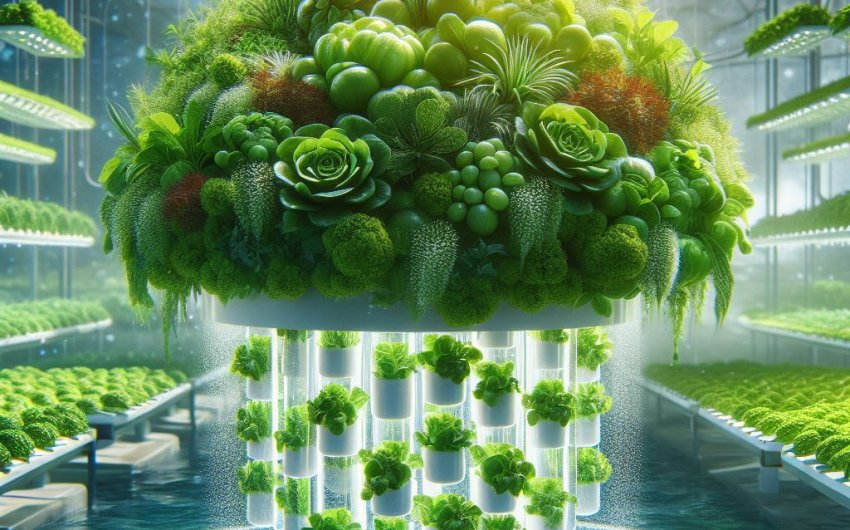
Hydroponic gardening for beginners is made simple by starting with basic systems like Deep Water Culture (DWC) or wick systems, which require minimal equipment. The process involves cultivating plants directly in oxygenated, nutrient-rich water solutions, offering faster growth, higher yields, and year-round harvesting without the complexities of soil.
Why is hydroponic gardening a game-changer for beginners?
Hydroponic gardening is a game-changer for beginners, simplifying many traditional gardening challenges and offering a faster, more efficient path to cultivating lush greenery and fresh produce. Moving beyond the complexities of soil-based gardening, hydroponics enables you to grow plants directly in nutrient-rich water, providing a clean, accessible, and surprisingly straightforward entry point into the rewarding world of home cultivation.
What exactly is hydroponic gardening?
Hydroponics is a method of growing plants without soil, using mineral nutrient solutions dissolved in water.
- Soilless Cultivation: The fundamental principle. Instead of soil, plants are supported by an inert grow medium (like rockwool or clay pebbles) and their roots are directly exposed to or submerged in a nutrient solution.
- Direct Nutrient Access: Roots absorb essential minerals and water directly from the solution, without needing to search through soil particles. This often leads to more efficient nutrient uptake.
- Oxygen for Roots: In most hydroponic systems, the nutrient solution is oxygenated (e.g., with an air pump and airstone) to provide roots with the vital oxygen they need to thrive.
- Key Components:
- Reservoir: Holds the nutrient solution.
- Grow Tray/Channels: Where plants are housed.
- Grow Media (Inert): Provides physical support (e.g., rockwool, coco coir, clay pebbles) but no nutrients.
- Nutrient Solution: Water mixed with precisely balanced mineral nutrients.
- Pump (Optional): For recirculating systems.
- Air Pump/Airstone (Optional): For oxygenating the solution.
What are the compelling benefits for beginner hydroponic gardeners?
Hydroponics simplifies many aspects of gardening, making it highly appealing to new growers.
- Faster Growth and Higher Yields: Plants in hydroponic systems often grow 30-50% faster and produce significantly higher yields than soil-grown plants because nutrients and oxygen are directly available to their roots.
- Year-Round Growing: Controlled indoor environments (with supplemental light) allow you to grow and harvest fresh produce continuously, regardless of outdoor season or climate.
- Water Conservation: Recirculating hydroponic systems use significantly less water (up to 90% less) than traditional soil gardening, as water is reused and evaporation is minimized.
- No Soil Mess or Weeds: Eliminates the mess of soil, soil-borne pests (like fungus gnats, nematodes), diseases, and the tedious task of weeding.
- No Pesticides (Often): With a clean indoor system, pesticides are rarely needed, ensuring organic, chemical-free produce.
- Space Efficiency: Hydroponic systems are often designed vertically or compactly, allowing you to grow many plants in a small indoor footprint, perfect for urban dwellers.
- Clean and Engaging: The clean, soilless environment is visually fascinating and provides a unique, hands-on way to learn about plant science.
- Less Guesswork (with tools): While there's a learning curve for pH/nutrients, using meters provides precise data, taking guesswork out of plant feeding.
What are the common myths about hydroponics that beginners should ignore?
Many beginners are intimidated by common misconceptions.
- "Hydroponics is too complicated." FICTION. While advanced systems can be complex, basic systems (like DWC or wick) are surprisingly simple and beginner-friendly.
- "Hydroponic produce tastes different/less natural." FICTION. Hydroponic produce, grown in optimal conditions, often has superior flavor, texture, and freshness due to ideal growing environments and being picked at peak ripeness.
- "Hydroponics requires expensive equipment." FICTION. While advanced setups can be costly, you can start with very affordable DIY systems using basic containers and an air pump. Many indoor hydroponic herb garden kits are budget-friendly.
- "Hydroponics is unnatural/not organic." FICTION (partially). It's a method, not an organic classification. You can grow hydroponically using organic nutrient sources, though organic certification for hydroponics is complex. It's certainly a more sustainable method in terms of resource use.
By understanding these benefits and ignoring common myths, beginners can confidently dive into hydroponic gardening, enjoying faster growth, higher yields, and the unmatched freshness of homegrown produce.
What is the easiest hydroponic system for beginners?
For beginners looking to dive into hydroponic gardening, choosing a simple, affordable, and easy-to-manage system is key to building confidence and ensuring early success. Two methods stand out as particularly beginner-friendly: Deep Water Culture (DWC) and the Wick System.
1. Deep Water Culture (DWC) / Raft System: Simple and Effective.
DWC is perhaps the most popular and straightforward hydroponic system for beginners, especially for leafy greens and herbs.
- How it Works: Plants are held in net pots, with their roots suspended directly in a reservoir of nutrient-rich water. An air pump and an airstone continuously bubble air into the solution, providing vital oxygen to the roots.
- Key Components:
- Reservoir: An opaque container (e.g., a plastic tote, bucket) to hold the nutrient solution. Opaque is crucial to prevent algae growth.
- Lid: Fits securely on the reservoir, with holes cut to hold net pots.
- Net Pots: Small plastic mesh pots that hold the plant and grow medium.
- Grow Media: Rockwool, clay pebbles (hydroton), or coco coir to support the plant in the net pot.
- Air Pump & Airstone: Connected by air tubing, these oxygenate the nutrient solution.
- Nutrient Solution: Hydroponic fertilizer mixed with water.
- Benefits for Beginners:
- Simple Setup: Relatively few moving parts, easy to assemble.
- Fast Growth: Roots have constant access to water, nutrients, and oxygen.
- Excellent for Leafy Greens and Herbs: Basil, lettuce, mint, spinach, Swiss chard thrive.
- Affordable: DIY systems can be built cheaply using common household items.
- Easy Monitoring: Visually easy to see water level and root health.
- Challenges:
- Solution needs to be changed periodically.
- Oxygenation is critical; air pump failure can quickly kill plants.
- Less suitable for very large, fruiting plants.
- DIY Example: Take an opaque plastic storage tote, cut holes in the lid for net pots, add an air pump and airstone to the bottom, fill with nutrient solution.
- A good option is indoor DWC hydroponic system kit.
2. Wick System: The Most Passive and Low-Tech.
The wick system is the simplest hydroponic method, requiring no electricity for pumps, making it incredibly low-tech and affordable.
- How it Works: Plants are grown in a growing media (like coco coir, perlite, or vermiculite) in a container placed above a reservoir. Wicks (pieces of rope, felt, or fabric strips) extend from the grow media down into the nutrient solution in the reservoir, drawing (wicking) the solution up to the plant roots by capillary action.
- Key Components:
- Reservoir.
- Grow tray (placed above the reservoir) or individual pots.
- Grow media.
- Wicks (one or more per pot/plant).
- Nutrient solution.
- Benefits for Beginners:
- Extremely Simple: No pumps, no air stones, no electricity (except for lights).
- Very Affordable: Easy to build with repurposed materials.
- Reliable for Smaller Herbs: Good for smaller, less thirsty plants like basil, mint, chives, thyme, and many smaller flowering plants (e.g., African Violets).
- Low Maintenance: Requires minimal daily attention once set up.
- Challenges:
- Less efficient nutrient delivery for larger, thirstier plants.
- Grow media can sometimes wick too much water, leading to oversaturation.
- Wicks can sometimes clog or dry out.
- Nutrient solution can become depleted quickly.
- DIY Example: Take two plastic containers, one nesting inside the other (top one with holes in the bottom). Place wicks through the holes.
- A good option is hydroponic wick system kit.
What systems are generally NOT recommended for beginners?
- Nutrient Film Technique (NFT): More complex, requires precise pump control and channel angles. Pump failure is critical.
- Ebb and Flow (Flood and Drain): Requires a pump and timer, more components.
- Aeroponics: Most advanced, misters deliver fine nutrient fog directly to roots. Highly efficient but very complex, expensive, and sensitive.
For beginners, starting with a DWC or Wick system minimizes the initial investment and learning curve, allowing you to quickly experience the joys and benefits of hydroponic gardening.
What essential components do I need for a beginner hydroponic garden?
Setting up a successful beginner hydroponic garden involves more than just water; it requires a specific set of essential components that work together to provide optimal conditions for soilless growth. Understanding each component's role is crucial for assembly, maintenance, and overall plant health.
1. Grow Medium: Root Support Without Soil.
The grow medium provides physical support for the plants but no nutrients.
- Rockwool:
- Characteristics: Cubes or blocks of spun molten rock. Holds water and air well.
- Benefits: Excellent for seed starting and transplanting into systems like DWC. Sterile.
- Pre-treatment: Needs to be pH-balanced (soaked in diluted acidic solution) before use.
- Hydroton (Clay Pebbles / Expanded Clay Aggregate - ECA):
- Characteristics: Lightweight, porous clay balls.
- Benefits: Excellent aeration, good drainage, reusable. Good for DWC and wick systems.
- Pre-treatment: Rinse thoroughly to remove dust.
- Coco Coir (Coconut Fiber):
- Characteristics: Made from shredded coconut husks.
- Benefits: Excellent water retention and aeration, renewable. Often mixed with perlite. Good for wick systems.
- Pre-treatment: Needs to be rinsed to remove salts (unless specifically "low-salt" grade).
- Perlite/Vermiculite:
- Characteristics: Lightweight, inert minerals.
- Benefits: Great for aeration and moisture retention, often used as a mix-in or sole medium for wick systems.
- Net Pots:
- Characteristics: Small plastic pots with mesh bottoms.
- Function: Hold the plant and grow medium, allowing roots to grow through into the nutrient solution.
2. Nutrient Solution: The Lifeblood of Hydroponics.
This is where plants get all their food in a hydroponic garden.
- Hydroponic Nutrients:
- Characteristics: Specially formulated mineral salts designed for hydroponic systems. Comes in multi-part (e.g., 2-part or 3-part) liquid or powdered concentrates.
- Function: Provides all essential macro- (N, P, K, Ca, Mg, S) and micronutrients in a soluble form that roots can absorb.
- DO: Always use nutrients specifically formulated for hydroponics, not general soil fertilizers.
- A good option is General Hydroponics FloraGro, FloraBloom, FloraMicro.
- Water Source:
- DO: Use filtered tap water, rainwater, distilled water, or reverse osmosis (RO) water.
- Why: Tap water can contain chlorine, chloramine, and high levels of dissolved minerals (TDS) that can throw off nutrient balance. Pure water gives you more control.
3. pH Testing and Adjusting Tools: Balancing the Solution.
Nutrient availability is critically pH-dependent in hydroponics.
- pH Meter/pH Test Kit:
- Characteristics: Digital meters (more precise) or liquid test kits (more affordable).
- Function: Measures the acidity or alkalinity of the nutrient solution.
- DO: Monitor pH daily or every other day. Most plants thrive in a pH range of 5.5-6.5.
- A common option is pH meter for hydroponics.
- pH Up and pH Down Solutions:
- Characteristics: Acidic (e.g., phosphoric acid) and alkaline (e.g., potassium hydroxide) solutions.
- Function: Used to adjust the pH of the nutrient solution to the optimal range.
4. EC/TDS Meter (Optional but Recommended): Monitoring Nutrient Strength.
- Characteristics: Digital meter that measures electrical conductivity (EC) or Total Dissolved Solids (TDS).
- Function: Indicates the concentration of mineral salts (nutrients) in your solution.
- DO: Monitor regularly to ensure plants are getting adequate nutrients. Each plant type has an optimal EC/TDS range.
- A good option is TDS meter for hydroponics.
5. Lighting: Essential for Indoor Growth.
Indoor hydroponics requires dedicated lighting for healthy plant growth.
- Full-Spectrum LED Grow Lights:
- Characteristics: Energy-efficient lights that provide the full spectrum of light plants need for photosynthesis.
- Function: Crucial for replacing natural sunlight indoors, driving photosynthesis and plant growth.
- DO: Position lights 6-12 inches above plants and run for 14-18 hours daily (check specific plant needs).
- A good option is LED grow lights for indoor plants.
- Timer:
- Characteristics: Simple electrical timer.
- Function: Automates the precise light cycle (on/off times).
6. Air Pump and Airstone (for DWC systems).
- Function: Essential for DWC systems (and some reservoirs) to oxygenate the nutrient solution, preventing root suffocation and promoting healthy root growth.
By gathering these essential components, you lay a solid foundation for building and maintaining a successful beginner hydroponic garden, ready to produce fresh culinary delights.
How do I set up my first hydroponic garden?
Setting up your first hydroponic garden, especially using a beginner-friendly system like Deep Water Culture (DWC), is a straightforward process that lays the groundwork for successful soilless cultivation. A meticulous setup prevents early problems and ensures your plants have the optimal environment to thrive.
Step 1: Assemble your chosen hydroponic system (Deep Water Culture example).
Follow manufacturer instructions for kits, or assemble DIY components carefully.
- DO: If building DIY DWC:
- Obtain an opaque plastic tote or bucket (e.g., 5-gallon bucket). Opaque is crucial to block light and prevent algae growth.
- Drill or cut holes in the lid to fit your net pots (typically 2-4 inch diameter). Space them appropriately for the plants you intend to grow (e.g., 6-8 inches apart for lettuce/herbs).
- Drill a small hole in the lid for your air tubing.
- Place the airstone at the bottom of the reservoir.
- Connect the air pump (outside the reservoir, higher than the water level to prevent back-siphoning) to the airstone with air tubing.
- DO: Ensure all connections are secure.
- DON'T: Rush assembly, as leaks or improper setup can cause major issues.
Step 2: Prepare your water and nutrient solution.
This is the "soil" for your hydroponic plants, requiring precision.
- Add Water to Reservoir:
- DO: Fill your reservoir with your chosen pure water (filtered tap, rainwater, distilled, or RO water). Leave some headspace (1-2 inches from the lid) to prevent overflow when net pots are inserted and roots grow.
- Mix Nutrients:
- DO: Carefully measure and add your hydroponic nutrients to the water according to the manufacturer's instructions.
- DO: Stir the solution thoroughly to ensure nutrients are fully dissolved.
- DON'T: Over-mix or add nutrients haphazardly. If using a multi-part system (e.g., "Grow," "Micro," "Bloom"), add each part separately, stirring between additions, and never mix concentrates directly.
- Check and Adjust pH:
- DO: Using your pH meter or test kit, measure the pH of the nutrient solution.
- DO: For most herbs and leafy greens, the target pH range is 5.5-6.5.
- DO: Use pH Up or pH Down solutions to slowly adjust the pH to the target range. Add very small amounts (a few drops at a time), stir, and retest until the desired pH is achieved. This takes patience.
- A common option is pH Up/pH Down solution for hydroponics.
- Why: Proper pH ensures nutrients are available to plants.
- Check EC/TDS (Optional but Recommended):
- DO: Use an EC/TDS meter to check the nutrient concentration. Refer to charts for optimal ranges for your specific plants (e.g., typically 0.8-1.8 EC for leafy greens/herbs).
- Why: Ensures the solution is neither too strong (nutrient burn) nor too weak (deficiencies).
- A good option is TDS meter for hydroponics.
Step 3: Prepare and plant your herbs (from seeds or seedlings).
Careful planting minimizes stress and promotes healthy root growth.
- Starting from Seed:
- DO: Start herb seeds in rockwool cubes, coco coir plugs, or other inert grow media. Moisten the medium with pure water or a very diluted nutrient solution (1/4 strength).
- DO: Once seeds germinate and develop a few true leaves, they are ready for transplanting into your net pots.
- Starting from Seedlings/Clones:
- DO: If using existing seedlings from soil, gently rinse all soil from the roots under running water before placing them into net pots. This is crucial to prevent contaminating your hydroponic system with soil-borne pathogens or pests.
- DO: Place the plant's root ball into a net pot and fill around it with your chosen grow medium (e.g., clay pebbles, rockwool) to provide stability.
- Planting into System:
- DO: Place the net pots containing your herbs into the designated holes in your hydroponic system's lid.
- DWC: Ensure the bottom of the net pot (and eventually the roots) is submerged in the nutrient solution (roots will grow longer to reach it).
- Activate Air Pump (DWC Only):
- DO: Turn on your air pump to begin oxygenating the nutrient solution.
- Why: Crucial for preventing root suffocation and promoting healthy root growth.
Step 4: Position your lighting.
Proper lighting is critical for indoor hydroponic growth, as there's no natural sun.
- DO: Position your full-spectrum LED grow lights 6-12 inches above the tops of your herbs (adjust based on light intensity and plant needs).
- DO: Use a timer to provide a consistent light cycle of 14-18 hours per day.
- Why: Provides the essential energy for photosynthesis, driving rapid hydroponic growth.
By meticulously following these setup steps, you establish a robust and efficient hydroponic herb garden, ready to provide you with a continuous harvest of flavorful culinary delights, making hydroponic gardening for beginners simple and successful.
How do I care for my hydroponic plants for maximum yield?
Caring for your hydroponic plants is a precise and continuous process that differs significantly from soil-based gardening. It involves vigilant monitoring and adjustment of nutrient solutions, optimized lighting, and proactive maintenance to ensure maximum yield and robust plant health. Consistency and attention to detail are paramount for hydroponic success.
1. Monitor and maintain the nutrient solution (Crucial and Daily).
This is the lifeblood of your hydroponic system and the most important ongoing task.
- Check pH Daily/Every Other Day:
- DO: Use your pH meter or test kit to check the pH of your nutrient solution daily or every other day.
- DO: Adjust the pH to the optimal range of 5.5-6.5 using pH Up or pH Down solutions. Add very small amounts, stir, and retest until the desired pH is achieved.
- Why: pH directly affects nutrient availability. If pH is off, plants can't absorb nutrients, even if they're present.
- Check EC/TDS Regularly:
- DO: Use an EC/TDS meter to check the nutrient concentration (EC or TDS) of your solution every few days.
- DO: Refer to charts for optimal EC/TDS ranges for your specific plants (e.g., typically 0.8-1.8 EC for leafy greens/herbs).
- Why: Indicates if plants are consuming nutrients (EC/TDS drops) or water (EC/TDS rises). This tells you if you need to add more water or more nutrients.
- Top-Off Water:
- DO: Add fresh, pure water (filtered tap, RO, distilled) to your reservoir daily or as needed to maintain the solution level.
- Why: Prevents roots from drying out and helps manage nutrient concentration fluctuations (add plain water if EC/TDS rises significantly due to water loss).
- Change Solution Periodically:
- DO: Completely drain and replace your entire nutrient solution every 1-2 weeks.
- Why: Prevents nutrient imbalances, pathogen buildup, and ensures a fresh, potent nutrient supply. Clean the reservoir thoroughly during this process.
2. Optimize Lighting.
Consistent, strong light is vital for rapid growth and flavor development in soilless systems.
- Maintain Light Cycle:
- DO: Stick to a consistent light cycle of 14-18 hours per day using a timer.
- Why: Ensures plants get ample energy for photosynthesis, driving rapid growth.
- Adjust Light Height:
- DO: Keep your full-spectrum LED grow lights 6-12 inches above the plant canopy (adjust based on light intensity and plant needs).
- Why: Prevents leggy growth (too far away) or light burn (too close).
3. Maintain Optimal Temperature and Humidity.
Control the overall environment for plant comfort and health.
- Temperature:
- DO: Maintain ambient air temperatures between 65-75°F (18-24°C).
- Why: Optimal for most herb and leafy green growth. Keep nutrient solution temperature cool (65-72°F / 18-22°C) to maximize dissolved oxygen.
- Humidity:
- DO: Aim for 40-60% relative humidity. Most herbs do well in this range.
- Why: Prevents stress and some pest issues. Too high can promote fungal growth.
- Air Circulation:
- DO: Use a small fan to provide gentle air movement.
- Why: Strengthens stems, prevents stagnant air (reduces fungal growth), and helps regulate humidity.
4. Harvesting and Pruning.
Regular harvesting promotes more growth and prevents plants from going to seed.
- "Pinch Back" Regularly:
- DO: Harvest herbs frequently by pinching off the top few sets of leaves or trimming stems just above a leaf node.
- Why: This encourages the plant to branch out, leading to bushier, denser growth and preventing leggy plants or premature bolting (going to seed), which can reduce flavor.
- DON'T: Remove more than one-third of the foliage at a time.
- Remove Old/Yellowing Leaves:
- DO: Promptly remove any yellowing, dead, or diseased leaves.
- Why: Improves air circulation, aesthetics, and overall plant health.
5. Pest and Disease Management.
Hydroponic systems are generally cleaner, but vigilance is still needed.
- Monitoring:
- DO: Inspect plants regularly for signs of pests (aphids, spider mites) or diseases.
- Sanitation:
- DO: Keep your system clean. Remove any plant debris from the reservoir or channels.
- DON'T: Introduce soil-grown plants into your system without thoroughly rinsing roots.
- Organic Treatments (Targeted):
- DO: For pests, use hand-wiping, water blasts (carefully), or targeted organic sprays like neem oil or insecticidal soap (ensure no runoff to reservoir).
- DON'T: Use synthetic pesticides.
- Root Health:
- DO: Monitor roots for healthy white color. Brown, slimy roots indicate problems (usually low oxygen or high temp).
- Why: Healthy roots are the foundation of hydroponic growth.
By diligently applying these care techniques, meticulously managing your nutrient solution, and optimizing the environment, you can ensure your hydroponic plants achieve maximum yield, providing you with a continuous, fresh, and flavorful supply of culinary delights year-round.
How do I troubleshoot common hydroponic garden problems as a beginner?
Even with careful setup and consistent care, beginners in hydroponic gardening can encounter issues. Recognizing common problems quickly and knowing how to troubleshoot them effectively is crucial for maintaining plant health, maximizing yield, and ensuring your soilless system remains productive and enjoyable.
Why are my hydroponic plant leaves turning yellow, brown, or showing spots?
Leaf discoloration is a primary indicator of problems in a hydroponic system.
- Yellowing Leaves (General Paleness):
- Cause 1: Nutrient Deficiency (General) / Low EC/TDS: The entire plant (or older leaves) appears pale/yellow, often with stunted growth. The nutrient solution is too weak.
- Fix: Check EC/TDS of your solution. If too low, add more nutrients. Change the solution.
- Cause 2: Incorrect pH: Nutrients are present but unavailable to the plant due to the solution's pH being outside the optimal range (5.5-6.5 for most plants).
- Fix: Check pH daily and adjust to the target range using pH Up/pH Down solutions.
- Cause 3: Root Rot: Roots are brown/slimy (see below), unable to absorb nutrients.
- Fix: Inspect roots. Increase oxygenation (air pump).
- Cause 4: Insufficient Light: Pale yellowing, often with leggy growth.
- Fix: Increase light intensity/duration (adjust grow lights).
- Cause 1: Nutrient Deficiency (General) / Low EC/TDS: The entire plant (or older leaves) appears pale/yellow, often with stunted growth. The nutrient solution is too weak.
- Yellowing on Newer Leaves, Green Veins (Interveinal Chlorosis):
- Cause: Iron deficiency. (Often pH-related, even if iron is present.)
- Fix: Check and adjust pH (likely too high). Use a specific chelated iron supplement.
- Browning/Crispy Leaf Tips or Edges:
- Cause 1: Nutrient Burn/Too High EC/TDS: The nutrient solution is too strong, causing salts to accumulate and burn the roots.
- Fix: Dilute solution with pure water, or replace with fresh, weaker solution.
- Cause 2: Poor Water Quality: Chlorine, chloramine, or high mineral content in tap water can accumulate and cause tip burn.
- Fix: Use filtered, RO, or distilled water.
- Cause 1: Nutrient Burn/Too High EC/TDS: The nutrient solution is too strong, causing salts to accumulate and burn the roots.
- Brown/Black Spots or Lesions:
- Cause 1: Fungal/Bacterial Disease: Can occur with high humidity and poor air circulation.
- Fix: Remove affected leaves. Improve air circulation. Consider organic fungicides (e.g., Bacillus subtilis).
- Cause 2: Light Burn: Grow lights are too close or too intense.
- Fix: Raise lights.
- Cause 1: Fungal/Bacterial Disease: Can occur with high humidity and poor air circulation.
- Mottled Yellow and Green Pattern (Distorted Leaves):
- Cause: Viral infection.
- Fix: No cure. Remove and destroy infected plants immediately.
Why are my hydroponic plant roots brown, slimy, or smelly?
This is a critical symptom indicating severe root health issues, primarily root rot, which is often fatal if not addressed immediately.
- Healthy Roots: White or light-colored, firm, and usually have a fresh, earthy smell.
- Brown, Slimy, or Smelly Roots:
- Cause 1: Root Rot (Most Common): Lack of oxygen (anaerobic conditions) or pathogen infection. Roots turn brown/black, mushy, slimy, and often smell foul/rotting.
- Fix (Immediate Action):
- Remove affected plants. Trim away all rotten roots with sterilized scissors.
- Increase Oxygen: Ensure your air pump and airstone are working correctly (for DWC). Check for blockages. Nutrient solution should be constantly agitated.
- Clean System: Thoroughly clean the reservoir and replace the nutrient solution.
- Hydrogen Peroxide (H₂O₂): Add 3% hydrogen peroxide (diluted, e.g., 5-10 ml per gallon of solution) to the reservoir for a few days to oxygenate and kill some pathogens. Use with caution.
- Beneficial Bacteria: Introduce beneficial bacteria (e.g., Bacillus subtilis) to the solution.
- Fix (Immediate Action):
- Cause 2: High Water Temperature: Warm water holds less oxygen, promoting anaerobic conditions.
- Fix: Keep nutrient solution cool (65-72°F / 18-22°C). Use reflective material around the reservoir to block light/heat.
- Cause 3: Over-concentration of Nutrients: Can burn roots.
- Fix: Dilute solution or replace.
- Cause 1: Root Rot (Most Common): Lack of oxygen (anaerobic conditions) or pathogen infection. Roots turn brown/black, mushy, slimy, and often smell foul/rotting.
Why is my hydroponic plant growth stunted or leggy?
These issues indicate a lack of energy or resources for healthy growth.
- Stunted Growth:
- Cause 1: Incorrect pH: Nutrients unavailable.
- Fix: Check and adjust pH.
- Cause 2: Low EC/TDS (Nutrient Deficiency): Solution is too weak.
- Fix: Increase nutrient concentration (check EC/TDS).
- Cause 3: Root Rot: Roots can't absorb.
- Fix: Address root rot.
- Cause 4: Insufficient Light: Not enough energy.
- Fix: Increase light intensity/duration.
- Cause 1: Incorrect pH: Nutrients unavailable.
- Leggy Growth (Stretching Out):
- Cause: Insufficient light. Plants are reaching for light.
- Fix: Increase light intensity/duration (adjust grow lights). Prune leggy growth.
- Cause: Insufficient light. Plants are reaching for light.
What pests commonly affect hydroponic plants and how do I treat them?
Hydroponics generally reduces soil-borne pests, but others can still be an issue in enclosed indoor environments.
- Aphids: Small, soft-bodied insects clustered on new growth.
- Fix: Hand-wipe. Use insecticidal soap or neem oil (ensure no runoff to reservoir). Introduce ladybugs.
- Spider Mites: Tiny stippling, fine webbing, in dry/hot conditions.
- Fix: Increase humidity. Water spray (carefully). Use insecticidal soap or neem oil. Introduce predatory mites.
- Fungus Gnats: Small flying adults, larvae in grow media (less common in DWC/NFT, more in coco coir).
- Fix: Reduce moisture in grow media. Use yellow sticky traps. Use BTI (Bacillus thuringiensis israelensis) in reservoir.
- Whiteflies: Small white moths under leaves.
- Fix: Yellow sticky traps. Insecticidal soap or neem oil.
- General Rule: DO NOT use systemic insecticides in hydroponic systems. They contaminate the produce. Focus on mechanical, biological, and contact organic treatments.
General Troubleshooting Tips for Beginners:
- Systematic Approach: DO: Always check pH first, then EC/TDS, then roots, then light, then temperature, then pests. Follow this order.
- Keep a Log: DO: Document pH, EC/TDS readings, nutrient changes, and any issues you observe. This helps identify patterns and make informed decisions.
- Cleanliness: DO: Maintain a clean system. Algae in the reservoir consumes nutrients and can lead to problems. Block light from the reservoir.
- Patience: DO: Give plants time to respond to adjustments. Hydroponics is a learning process.
By diligently monitoring and systematically troubleshooting these common problems, beginners can ensure their hydroponic garden remains healthy, productive, and continuously supplies them with fresh, flavorful culinary delights.