
Harmony Blooms: 5 Boho-Inspired Hippie Garden Ideas to Transform Your Outdoor Oasis
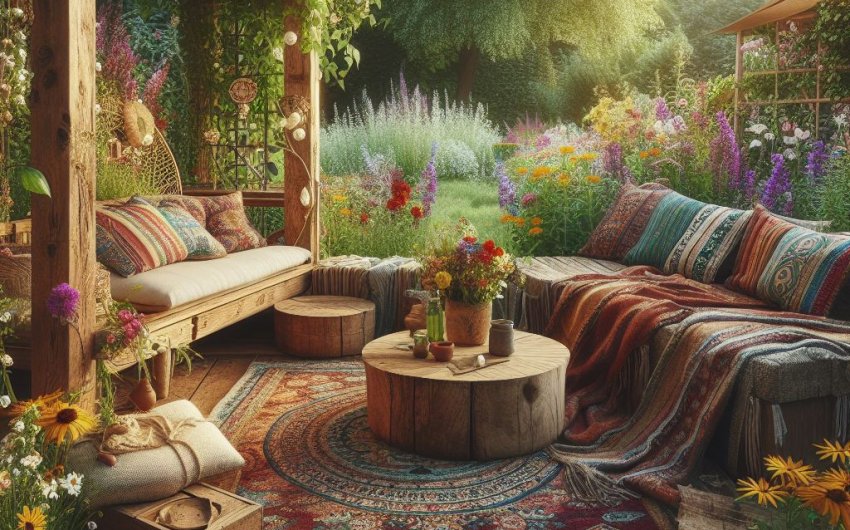
Harmony Blooms offers 5 boho-inspired hippie garden ideas to transform your outdoor oasis by embracing a relaxed, eclectic, and natural aesthetic. Key elements include abundant, informal plantings of wildflowers and herbs, creative use of upcycled and handcrafted decor, cozy seating areas, and a focus on sensory experiences, creating a vibrant and free-spirited sanctuary.
Why is a boho-inspired hippie garden aesthetic so captivating?
A boho-inspired hippie garden aesthetic is captivating because it offers a refreshing departure from rigid formalism, embracing a relaxed, eclectic, and deeply personal style that promotes harmony with nature. It transforms an outdoor oasis into a free-spirited sanctuary, filled with vibrant colors, abundant plants, and a sense of inviting, lived-in charm. This style encourages creativity, sustainable practices, and a deep connection to the natural world, appealing to those who seek individuality and tranquility in their green spaces.
What defines the essence of a boho-inspired hippie garden?
The aesthetic draws from bohemian and 1960s counter-culture influences, translating into a distinct garden style.
- Relaxed and Informal:
- DO: Emphasize a loose, unstructured planting style with plants spilling over edges and mingling freely. Avoid rigid lines, perfect symmetry, or manicured precision.
- Why: Creates a natural, "wild" feel that's welcoming and unpretentious.
- Eclectic and Personalized:
- DO: Incorporate a diverse mix of plants, colors, and decor from various styles and origins. Each element tells a story or expresses personality.
- Why: Celebrates individuality and rejects uniformity.
- Abundant and Lush:
- DO: Aim for a rich tapestry of plants, creating a sense of natural abundance.
- Why: Evokes a lush, vibrant sanctuary.
- Natural Materials and Handcrafted Touches:
- DO: Utilize wood, stone, rattan, macrame, ceramics, and upcycled items.
- Why: Connects to nature, sustainability, and a handmade ethos.
- Vibrant Color Palette:
- DO: Embrace a rich, diverse, and often unconventional mix of colors – jewel tones (deep blues, purples, greens), warm earth tones (terracotta, rust), and bright pops (fuchsia, orange, yellow).
- Why: Reflects joy, creativity, and exuberance.
- Sensory Experience:
- DO: Prioritize fragrance from flowers and herbs, sounds of nature (wind chimes, water features), and varied textures.
- Comfortable and Inviting:
- DO: Create cozy seating areas, hammocks, or floor cushions that encourage relaxation and lingering.
What are the compelling benefits of a boho-inspired hippie garden?
This garden aesthetic offers more than just visual appeal.
- Deep Connection to Nature: Encourages a holistic interaction with the garden, fostering appreciation for biodiversity and natural processes.
- Stress Reduction: The relaxed atmosphere, natural elements, and vibrant colors contribute to a calming and mood-boosting environment.
- Personal Expression: Allows for boundless creativity and personalization, making the garden a true extension of your inner world.
- Eco-Friendly: Naturally lends itself to sustainable practices like upcycling, using native plants, and attracting pollinators.
- Pollinator Haven: The abundant, diverse, and often native plantings create a rich habitat for bees, butterflies, and hummingbirds.
- Low-Maintenance (Relative): While initial setup can be creative, the informal style means less rigid pruning and fussiness once established.
- Engaging for All Ages: Its whimsical and inviting nature appeals to both adults and children, encouraging exploration and play.
By embracing the free-spirited ethos of boho and hippie culture, you can transform your outdoor oasis into an enchanting, vibrant, and deeply personal sanctuary that celebrates harmony blooms and natural beauty.
1. Wildflower Meadow Oasis: Untamed Beauty and Pollinator Paradise
A Wildflower Meadow Oasis creates an enchanting boho-inspired hippie garden by celebrating untamed natural beauty and fostering a vibrant pollinator paradise. It transforms your outdoor space into a dynamic, ever-changing tapestry of native flowers and grasses, emphasizing ecological harmony, low maintenance, and a continuous show of life.
What defines a Wildflower Meadow Oasis in a boho garden?
This theme embraces natural processes, local biodiversity, and a sense of harmonious wildness.
- Diverse Native Plants:
- DO: Prioritize a rich mix of native wildflowers and grasses that are adapted to your local climate and soil conditions.
- Why: Provides optimal food and habitat for local pollinators and wildlife, ensuring ecological authenticity.
- Informal and Naturalistic Layout:
- DO: Embrace a loose, unstructured planting style that mimics a natural meadow, with plants intermingling freely. Avoid rigid rows or formal arrangements.
- Why: Creates a sense of effortless, wild beauty that's inviting and unpretentious.
- Pollinator Haven (Crucial):
- DO: Design specifically to attract and support a wide variety of butterflies, bees, hummingbirds, and other beneficial insects.
- Why: Essential for ecological balance and garden health, a core value of the boho aesthetic.
- Continuous Blooms (Sequential):
- DO: Select plants with varied bloom times to ensure a continuous succession of flowers from spring through fall.
- Why: Provides a consistent food source for pollinators throughout the growing season.
- Low Maintenance (Once Established):
- DO: While initial preparation (soil and seedbed) is key, a well-established wildflower meadow requires less intensive mowing, watering, and fertilization than a traditional lawn.
- Rustic Structures and Found Objects:
- DO: Integrate natural wood, weathered stone, and repurposed items for subtle pathways or seating.
- Sensory Richness:
- DO: Emphasize the sights and sounds of buzzing insects and fluttering wings, alongside subtle fragrances.
What plants are essential for a Wildflower Meadow Oasis?
Choose a diverse mix of native wildflowers and grasses that bloom at different times and support various pollinators.
- Dominant Wildflowers (Nectar and Pollen Powerhouses):
- *Coneflowers (Echinacea spp.):* Purple Coneflower (Echinacea purpurea), Pale Purple Coneflower (E. pallida).
- *Milkweed (Asclepias spp.):* Butterfly Weed (Asclepias tuberosa), Swamp Milkweed (A. incarnata). Crucial Monarch host plants.
- Black-Eyed Susan (Rudbeckia hirta): Cheerful yellow, long-blooming.
- *Asters (Symphyotrichum spp.):* New England Aster, New York Aster (vital late-season nectar).
- *Goldenrods (Solidago spp.):* Many native species, often misunderstood but crucial late-season nectar.
- Bee Balm (Monarda didyma): Attracts bees and hummingbirds with its unique flowers.
- *Coreopsis (Coreopsis spp.):* Yellow, daisy-like flowers.
- Blazing Star (Liatris spicata): Tall purple spikes, attracts Monarchs.
- Benefits: Provide a spectacular, continuous display of color and food for pollinators.
- Native Grasses (Structure and Habitat):
- Little Bluestem (Schizachyrium scoparium): Blue-green foliage, turns rusty red-orange in fall.
- Switchgrass (Panicum virgatum): Tall, provides shelter for wildlife.
- Side-Oats Grama (Bouteloua curtipendula): Unique, delicate seedheads.
- Benefits: Add texture, movement, and structure, and provide habitat.
- Other Host Plants (Beyond Milkweed):
- Fennel/Dill/Parsley (Foeniculum vulgare, Anethum graveolens, Petroslinum crispum): For Black Swallowtails.
- *Native Violets (Viola spp.):* For Fritillary butterflies.
- Edible Herbs (Integrated):
- Thyme, Oregano, Sage: Can be interspersed.
How do I incorporate Wildflower Meadow Oasis hardscaping and decor?
Materials and accents should be natural, subtle, and blend with the environment.
- Pathways:
- DO: Mown grass paths, simple gravel paths, or natural wood chip paths that wind gently through the meadow, inviting exploration.
- Edges:
- DO: Define the edges of the meadow clearly (e.g., with a mown border, a low rustic fence, or a simple stone edge) to maintain a sense of intention while still embracing wildness.
- Structures:
- DO: Simple wooden benches, rustic arbors, or natural rock seating that blends into the landscape.
- Water Feature:
- DO: A bird bath, a butterfly puddling station (shallow dish with wet sand), or a small, naturalistic pond.
- Why: Provides essential water for wildlife.
- Decor (Minimal and Natural):
- DO: Keep decor minimal and natural: a piece of driftwood, a large, interesting stone, or a subtle sculpture that complements the organic feel.
- DO: Integrate a few hand-painted rocks with peace symbols or inspiring words.
By embracing a diverse mix of native wildflowers and grasses, an informal planting style, and natural, rustic elements, you can transform your outdoor oasis into an enchanting Wildflower Meadow, a vibrant haven of natural beauty, ecological harmony, and buzzing pollinator activity, perfect for a boho-inspired hippie garden.
2. Global Nomad Garden: Eclectic Finds and Exotic Flair
The Global Nomad Garden aesthetic creates an enchanting boho-inspired hippie garden by blending eclectic finds from travels with exotic plants and vibrant colors. It transforms your outdoor oasis into a personalized sanctuary filled with unique stories, diverse textures, and a sense of wanderlust, celebrating individuality and cultural richness.
What defines a Global Nomad Garden in a boho aesthetic?
This theme is about curated chaos, artistic expression, and a love for diverse cultures.
- Eclectic Mix of Plants:
- DO: Feature a diverse collection of plants from various regions, often chosen for their unique foliage, vibrant flowers, or exotic appeal.
- Why: Reflects a journey of discovery and diverse natural beauty.
- Curated Global Decor:
- DO: Incorporate decorative items sourced from travels, artisan markets, or repurposed pieces that tell a story.
- Why: Creates a personalized, unique, and culturally rich atmosphere.
- Vibrant and Diverse Color Palette:
- DO: Embrace a rich, varied palette, often combining jewel tones (deep blues, greens, purples), warm earth tones, and bright pops of red, orange, and yellow.
- Why: Reflects the colors of various cultures and natural landscapes.
- Layered Textures:
- DO: Combine soft textiles (rugs, cushions) with natural plant textures, woven materials, and rustic wood or metal.
- Why: Creates a rich, tactile, and inviting environment.
- Comfortable and Inviting Spaces:
- DO: Design cozy seating areas with cushions and throws that encourage relaxation and lingering.
- Asymmetrical and Organic Layout:
- DO: Embrace an informal, free-flowing design that feels natural and unconstrained.
What plants are essential for a Global Nomad Garden?
Choose plants with unique forms, vibrant colors, or exotic appeal, keeping climate needs in mind.
- Exotic Flowering Plants (often in containers):
- *Bougainvillea (Bougainvillea spp.):* Cascading, vibrant bracts (in warm zones or overwintered).
- Tropical Hibiscus (Hibiscus rosa-sinensis): Large, showy flowers.
- *Mandevilla (Mandevilla spp.):* Vining, trumpet-shaped flowers.
- Lantana (Lantana camara): Prolific, multi-colored blooms.
- Geraniums (Pelargoniums): Classic container plants, continuous blooms.
- Benefits: Provide intense, continuous bursts of color.
- Bold Foliage Plants (often in containers or as annuals):
- *Elephant Ears (Colocasia spp., Alocasia spp.):* Large, dramatic leaves.
- Cannas (Canna indica): Bold leaves, vibrant flowers.
- *Bananas (Musa spp., Ensete spp.):* Massive leaves for instant tropical feel.
- Begonias (large leaf varieties): Colorful foliage for shade.
- Benefits: Creates a lush, jungle-like backdrop.
- Aromatic Herbs and Spices:
- Lemongrass (Cymbopogon citratus): Tall, fragrant, culinary.
- Rosemary, Oregano, Thyme: For Mediterranean flair.
- Scented Geraniums: Unique leaf fragrances.
- Benefits: Engages the sense of smell.
- Architectural Succulents and Cacti (for arid sections/pots):
- Agave, Aloe, Yucca: For striking forms.
- *Dragon Fruit Cactus (Hylocereus spp.):* Unique vining form.
- Benefits: Adds texture and drought-tolerant elements.
- Ornamental Grasses:
- Maiden Grass (Miscanthus sinensis), Pampas Grass (Cortaderia selloana): Adds movement and texture.
How do I incorporate Global Nomad hardscaping and decor?
Materials and accents are a curated collection of found objects, artisan crafts, and repurposed items.
- Pathways:
- DO: Informal paths made of irregular flagstones, brick, or gravel, softened by plants.
- Structures:
- DO: Rustic wooden pergolas, bamboo screens, or repurposed arbors.
- Seating:
- DO: Low-slung chairs, floor cushions, poufs, hammocks, or antique wooden benches.
- Why: Encourages a relaxed, casual vibe.
- Containers:
- DO: A diverse collection of pots: terracotta, brightly glazed ceramics, woven baskets, antique metal containers, repurposed barrels, or handmade pottery.
- A common option is Moroccan style garden lanterns.
- Decor (Key to the Theme):
- DO: Hang macrame plant hangers, colorful lanterns (Moroccan, Indian), wind chimes, dreamcatchers.
- DO: Incorporate small statues (Buddhas, Ganesh, African figures), decorative textiles (outdoor rugs, throws), colorful mosaic pieces.
- DO: Use found objects: weathered driftwood, interesting stones, antique tools, vibrant glass bottles.
By embracing an eclectic mix of plants, vibrant colors, diverse textures, and meaningful global decor, you can transform your outdoor oasis into an enchanting Global Nomad Garden, a free-spirited sanctuary that celebrates individuality, wanderlust, and rich cultural tapestry.
3. Secret Garden Retreat: Intimate Nooks and Lush Hideaways
A Secret Garden Retreat creates an enchanting boho-inspired hippie garden by prioritizing intimacy, lush plantings, and a sense of discovery. It transforms your outdoor oasis into a secluded sanctuary where winding paths lead to hidden nooks, inviting quiet contemplation and a deep connection to nature's embrace. This theme emphasizes lushness, fragrance, and a magical atmosphere.
What defines a Secret Garden Retreat in a boho aesthetic?
This theme is about creating a hidden, personal haven that feels both overgrown and inviting.
- Intimacy and Seclusion:
- DO: Design with a sense of enclosure and hidden spaces. Use tall plants, hedges, fences, or arbors to create "walls."
- Why: Fosters a feeling of escape and privacy.
- Lush, Layered Plantings:
- DO: Prioritize a dense, multi-layered planting style that creates an abundance of foliage and flowers.
- Why: Evokes a sense of being enveloped by nature, a verdant hideaway.
- Winding, Enigmatic Paths:
- DO: Incorporate meandering paths that lead to unexpected discoveries or seating areas.
- Why: Encourages exploration and adds to the mystery.
- Sensory Richness:
- DO: Emphasize fragrant flowers (roses, jasmine, honeysuckle), herbs, and the sound of subtle water features.
- Why: Engages all the senses, enhancing the immersive experience.
- Rustic and Upcycled Decor:
- DO: Utilize weathered wood, moss-covered stones, repurposed vintage items, and antique-looking decor.
- Why: Adds to the timeless, lived-in, and magical charm.
- Cozy Seating Nooks:
- DO: Create comfortable, inviting spots for rest and reflection, often semi-hidden.
What plants are essential for a Secret Garden Retreat?
Choose plants known for their lush growth, fragrance, climbing abilities, and ability to create a sense of enclosure.
- Climbers and Vines (for "Walls" and Overhead):
- *Climbing Roses (Rosa spp.):* 'New Dawn', 'Zephirine Drouhin'.
- *Clematis (Clematis spp.):* 'Jackmanii', 'Nellie Moser'.
- Jasmine (Jasminum officinale): Highly fragrant.
- *Honeysuckle (Lonicera spp.):* Fragrant, attracts hummingbirds.
- Trumpet Vine (Campsis radicans): Vigorous, attracts hummingbirds.
- Why: Create green walls and ceilings, enhancing the enclosed feel.
- Lush Flowering Perennials (Fragrant and Abundant):
- Old-Fashioned Shrub Roses: 'Gertrude Jekyll', 'Heritage'.
- *Lavender (Lavandula spp.):* For fragrance and color.
- *Peonies (Paeonia spp.):* Large, showy blooms.
- Foxglove (Digitalis purpurea): Tall, whimsical spires.
- Delphinium: Striking blue/purple spires.
- Hydrangea (Hydrangea macrophylla, H. quercifolia): Large, lush blooms for shade/partial shade.
- Benefits: Provide continuous color, texture, and delightful scents.
- Shade-Loving Foliage (for dim corners):
- *Hostas (Hosta spp.):* Large-leaved varieties for lush groundcover.
- Ferns (various species): Delicate, airy texture.
- Benefits: Fill in lower layers, creating verdant depths.
- Groundcovers (to soften paths):
- Creeping Thyme, Irish Moss, Vinca: For soft pathways.
- Edible Herbs:
- Mint, Lemon Balm: Integrate for fragrance and informal planting.
How do I incorporate Secret Garden Retreat hardscaping and decor?
Materials and accents should be natural, rustic, and enhance the sense of discovery.
- Pathways:
- DO: Meandering paths made of wood chips, bark mulch, irregular flagstones, or mossy stepping stones.
- Why: Invites gentle exploration and adds to the enigmatic charm.
- Walls and Fences:
- DO: Use old brick walls, stone walls, rustic wooden fences, or dense hedges to create a sense of enclosure.
- Structures:
- DO: Weathered wooden arbors, pergolas, or gazebos, heavily draped with flowering vines.
- DO: A small, moss-covered stone bench or a rustic wooden swing.
- Seating:
- DO: Secluded wooden benches, stone seats, or charming bistro sets, often nestled under an arbor or in a hidden alcove.
- Decor:
- DO: Repurposed vintage items: old bird baths, moss-covered statues, antique lanterns, discarded metal gates, or whimsical fairy garden accents.
- A good option is rustic metal garden gate.
- DO: Sound elements like subtle wind chimes.
- Water Feature:
- DO: A quiet bird bath, a subtle trickling fountain, or a small, naturalistic pond with lily pads.
By embracing lush, layered plantings, fragrant blooms, winding paths, and charming rustic decor, you can transform your outdoor oasis into an enchanting Secret Garden Retreat, an intimate hideaway of natural beauty, peace, and whimsical discovery, perfect for a boho-inspired hippie garden.
4. Upcycled Art Garden: Creative Reuse and Sustainable Charm
An Upcycled Art Garden creates an enchanting boho-inspired hippie garden by championing creative reuse, sustainable practices, and artistic expression. It transforms your outdoor oasis into a unique, whimsical gallery built from repurposed materials, vibrant plants, and a deep appreciation for giving new life to discarded items, celebrating individuality and ecological consciousness.
What defines an Upcycled Art Garden in a boho aesthetic?
This theme is about resourcefulness, artistic flair, and sustainable living.
- Creative Reuse and Repurposing (Core Principle):
- DO: Utilize discarded or salvaged items (old tires, pallet wood, broken ceramics, vintage furniture, metal scraps) as planters, decor, or structural elements.
- Why: Reduces waste, promotes sustainability, and creates unique, one-of-a-kind art pieces.
- Eclectic and Whimsical:
- DO: Embrace a diverse, often quirky mix of plants and decor. The aesthetic is informal, playful, and full of surprising elements.
- Why: Celebrates individuality and artistic freedom.
- Vibrant Colors and Varied Textures:
- DO: Incorporate bright, cheerful colors, often from painted repurposed items or diverse flowering plants. Combine rustic wood, rusty metal, smooth glass, and lush foliage.
- Why: Creates a dynamic, visually stimulating, and rich environment.
- Abundant, Informal Plantings:
- DO: Feature a lush mix of flowers, herbs, and edibles, often overflowing from unconventional planters.
- Why: Creates a vibrant backdrop for the upcycled art.
- Handcrafted and DIY Ethos:
- DO: Emphasize elements that appear handmade or thoughtfully created.
- Why: Connects to the spirit of self-expression and resourcefulness.
- Cozy and Inviting:
- DO: Create comfortable seating areas with repurposed furniture.
What plants are essential for an Upcycled Art Garden?
Choose resilient, adaptable plants that thrive in containers and offer vibrant colors or interesting textures.
- Colorful Annuals (for continuous color):
- Zinnias (Zinnia elegans, 'Profusion' series): Prolific, vibrant blooms.
- Petunias (Petunia x hybrida): Cascading, wide color range.
- *Marigolds (Tagetes spp.):* Cheerful, pest-deterring.
- Impatiens (Impatiens walleriana): For shadier spots, continuous blooms.
- Trailing Plants (for overflowing containers):
- Sweet Potato Vine (Ipomoea batatas): Vibrant foliage, vigorous trailing.
- Creeping Jenny (Lysimachia nummularia): Bright chartreuse groundcover.
- Nasturtium (Tropaeolum majus): Edible flowers/leaves, trailing habit.
- Hardy Herbs (for culinary and aromatic appeal):
- Mint, Oregano, Thyme, Basil, Parsley, Chives: Excellent in various repurposed containers.
- Succulents (for low-maintenance arrangements):
- Sedum, Echeveria, Sempervivum, Jade Plant: Ideal for small, quirky containers.
- Edible Vegetables (compact varieties):
- Bush Beans, Lettuce, Spinach, Radishes, Cherry Tomatoes (dwarf): Can be grown in larger repurposed items.
How do I incorporate Upcycled Art hardscaping and decor?
Materials and accents are the core of this aesthetic, showcasing creativity and resourcefulness.
- Planters (The Ultimate Upcycle):
- DO: Use old tires (painted brightly), pallet wood planters, metal drums, old sinks, bathtubs, ceramic toilets (painted!), wooden crates, broken terracotta pots (mosaic), tin cans, old shoes, colanders.
- Why: Each becomes a unique, statement-making planter.
- Pathways:
- DO: Informal paths made of reclaimed bricks, broken concrete pieces (broken up for texture), old stepping stones, or gravel, softened by plants.
- Structures and Fences:
- DO: Fences made from reclaimed pallet wood, old doors, or metal scraps. Arbors from salvaged wood or rebar.
- Seating:
- DO: Benches made from old pallet wood, repurposed wooden chairs, or cushions on painted tires.
- Decor (Endless Creativity):
- DO: Hang wind chimes made from old cutlery or bottle caps. Create sculptures from scrap metal, old bicycles, or broken glass (safely). Use old mirrors, license plates, glass bottles (bottletrees), mosaic pieces from broken tiles.
- A good option is recycled metal garden sculpture.
- DO: Paint old furniture brightly and use it as decor or plant stands.
- Water Feature:
- DO: A small fountain made from stacked repurposed pots, or a pond in an old bathtub.
By embracing creative reuse, abundant informal plantings, vibrant colors, and unique upcycled decor, you can transform your outdoor oasis into an enchanting Upcycled Art Garden, a free-spirited sanctuary that celebrates sustainability, artistic expression, and charming individuality, perfect for a boho-inspired hippie garden.
5. Spiritual Sanctuary Garden: Calm Energy and Contemplative Elements
A Spiritual Sanctuary Garden creates an enchanting boho-inspired hippie garden by fostering a deeply peaceful, contemplative, and energetically balanced space. It transforms your outdoor oasis into a serene haven where thoughtfully chosen plants, symbolic elements, and a calming ambiance invite meditation, introspection, and a profound connection to inner peace and nature's wisdom.
What defines a Spiritual Sanctuary Garden in a boho aesthetic?
This theme is about creating an inner and outer sense of peace, balance, and positive energy.
- Calm and Serene Atmosphere:
- DO: Emphasize tranquility, quietude, and a sense of escape from the everyday.
- Why: Fosters contemplation and relaxation.
- Balanced and Harmonious Elements:
- DO: Integrate elements that promote balance: yin and yang, smooth and rough textures, light and shadow.
- Why: Creates a sense of equilibrium.
- Meditative Water Features:
- DO: Incorporate subtle water features that offer gentle, soothing sounds.
- Why: Enhances tranquility and promotes mindfulness.
- Fragrant and Healing Plants:
- DO: Prioritize plants known for their calming fragrances or traditional medicinal/spiritual properties.
- Why: Engages the senses in a therapeutic way.
- Natural Materials and Earthy Palette:
- DO: Utilize wood, natural stone, bamboo, and earthy tones (greens, browns, creams, muted purples, soft blues).
- Why: Connects to nature and promotes a grounded feel.
- Thoughtful Seating and Nooks:
- DO: Create comfortable, secluded spots for meditation, reading, or quiet reflection.
- Symbolic Decor:
- DO: Integrate elements with spiritual or cultural significance (e.g., Buddha statues, mandalas, chimes).
What plants are essential for a Spiritual Sanctuary Garden?
Choose plants known for their calming presence, fragrance, and ability to thrive in a peaceful setting.
- Calming and Fragrant Herbs:
- *Lavender (Lavandula spp.):* 'Hidcote', 'Munstead'.
- Chamomile (Chamaemelum nobile): Gentle fragrance, makes a soothing tea.
- Lemon Balm (Melissa officinalis): Citrusy scent, calming.
- *Mint (Mentha spp.):* Invigorating aroma.
- Rosemary (Salvia rosmarinus): Uplifting scent.
- Benefits: Engage the sense of smell and offer therapeutic properties.
- Textural and Peaceful Foliage Plants:
- Ferns (various species): Delicate, airy texture, creates a lush, serene feel in shade.
- *Hostas (Hosta spp.):* Broad leaves for lush groundcover in shade.
- Bamboo (Clumping, non-invasive varieties): Adds verticality, gentle rustling sounds.
- Ornamental Grasses (e.g., Little Bluestem, Maiden Grass): Adds movement and soft sounds.
- Why: Contribute to a sense of lushness and calm.
- Evergreen Shrubs/Trees (for year-round structure and privacy):
- Boxwood (Buxus sempervirens): For subtle structure or hedges.
- Dwarf Conifers: For grounding elements.
- Flowering Plants (Subtle and Elegant):
- Peace Lily (indoors or warm climate outdoors): Elegant white blooms.
- Jasmine (Jasminum officinale): Highly fragrant climber.
- White or Pale-Colored Roses: For delicate beauty.
- Benefits: Provide gentle color and fragrance without overwhelming.
How do I incorporate Spiritual Sanctuary hardscaping and decor?
Materials and accents should be natural, subtle, and evoke peace and contemplation.
- Pathways:
- DO: Meandering paths made of smooth river stones, fine gravel, or natural flagstones, inviting a meditative stroll.
- Water Feature:
- DO: A subtle trickling fountain, a quiet reflecting pond, a bamboo water feature (shishi-odoshi), or a bird bath.
- Why: The gentle sound of water is incredibly calming and meditative.
- A good option is bamboo water fountain for garden.
- Seating:
- DO: A comfortable, secluded bench made of natural wood or stone, a meditation cushion, or a hammock nestled in a quiet corner.
- Decor (Symbolic and Meaningful):
- DO: Integrate small Buddha statues, Kwan Yin figures, or other spiritual sculptures.
- DO: Use wind chimes (subtle, melodious tones), prayer flags, or mandalas made from natural elements.
- DO: Incorporate natural elements: interesting stones, crystals, a gnarled piece of driftwood.
- DO: Simple, natural lanterns or solar-powered lights for soft evening illumination.
- Privacy:
- DO: Use hedges, bamboo screens, or tall, dense plants to create a sense of seclusion and privacy.
By embracing calming plants, soothing water features, natural materials, and symbolic decor, you can transform your outdoor oasis into an enchanting Spiritual Sanctuary Garden, a serene haven that promotes inner peace, contemplative reflection, and a deep, harmonious connection to nature's wisdom.