
Wild and Free: Cultivating Your Own Wildflower Garden Paradise
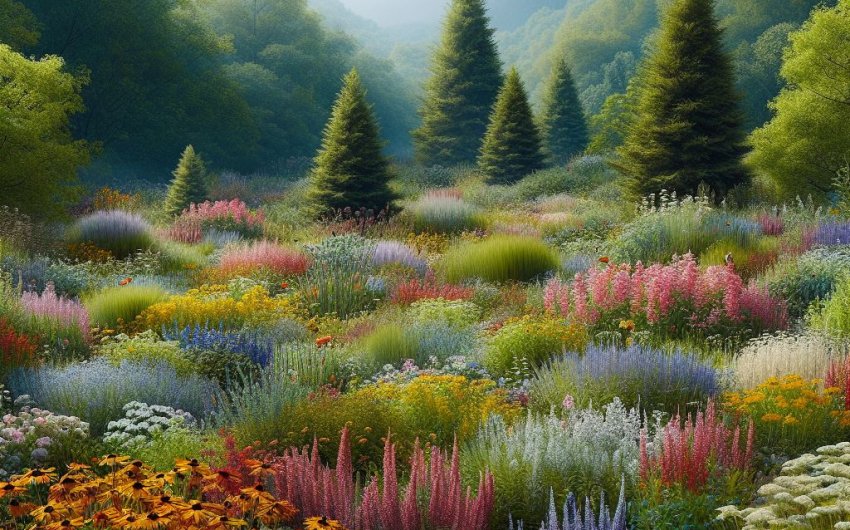
To cultivate your own wildflower garden paradise, start by selecting a sunny site with good drainage and preparing the soil by clearing all existing vegetation. Choose a high-quality regional wildflower seed mix, then broadcast the seeds evenly and ensure consistent moisture until established, allowing the wild and free beauty of nature to flourish.
What are wildflowers and why cultivate them?
Wildflowers are simply flowering plants that grow in the wild without human intervention, showcasing a natural, untamed beauty. Cultivating them in your garden offers a myriad of benefits: they create a vibrant, low-maintenance landscape, provide crucial habitats and food for pollinators, support local ecosystems, and transform your space into a stunning, ever-changing haven, truly embodying a wild and free paradise.
What's the first step in planning your wildflower garden?
The first step in planning your wildflower garden paradise is site selection and preparation, which are critical for establishing a thriving, wild and free ecosystem. Identifying the right location and getting the ground ready is far more important than any specific planting technique.
Key considerations for site selection and preparation:
- Sunlight: Most wildflowers, especially those in mixes, require full sun – at least 6-8 hours of direct sunlight per day. Choose an open area away from dense shade.
- Drainage: Wildflowers prefer well-draining soil. Avoid areas where water consistently pools after rain.
- Soil Type: Wildflowers are adaptable and often thrive in lean, unamended soil. Avoid adding excessive compost or fertilizers, as this can encourage weed growth.
- Existing Vegetation Removal (CRITICAL): This is the single most important step. All existing weeds and grass must be removed before planting. Wildflower seeds need direct contact with soil to germinate and cannot compete with established vegetation.
- Methods for clearing: Solarization (covering with clear plastic for 6-8 weeks in summer), smothering (covering with cardboard/mulch for 6+ months), manual removal, or non-selective herbicides (use cautiously).
- Rough Up the Soil: After clearing, lightly rake or disturb the top 1 inch of soil to create a loose seedbed. Do not deep till, as this can bring dormant weed seeds to the surface.
How do you choose the right wildflower seed mix?
Choosing the right wildflower seed mix is crucial for cultivating your wildflower garden paradise, ensuring the plants will thrive in your specific environment and provide a wild and free display that lasts. A good mix is tailored to your region and intended purpose.
Factors for selecting your seed mix:
- Region/Climate Specificity: This is paramount. Look for mixes specifically labeled for your USDA Plant Hardiness Zone or, even better, for your specific region or state. These mixes contain species that are naturally adapted to your local climate and soil conditions.
- Native vs. Non-Native: Prioritize mixes that contain a high percentage of native wildflowers for your area. Native plants are best for supporting local pollinators and wildlife and require less maintenance. Avoid mixes with invasive species.
- Sunlight Requirements: Ensure the mix matches your garden's sunlight conditions (full sun, partial shade).
- Purpose:
- Pollinator Mix: Specifically designed to attract bees, butterflies, and other beneficial insects.
- Cut Flower Mix: Contains wildflowers suitable for cutting for bouquets.
- Seasonal Mix: Focuses on blooms for spring, summer, or fall.
- General Purpose: A broad mix for overall beauty and habitat.
- Annuals, Perennials, or Biennials:
- Annuals: Bloom the first year, then die. Provide instant color.
- Perennials: Establish roots in the first year, then bloom in subsequent years. Provide long-term structure.
- Biennials: Grow foliage in the first year, bloom and set seed in the second, then die.
- A good mix usually contains a combination for continuous interest.
- Seed Source: Purchase from reputable suppliers who provide detailed information about the seed origin and species composition. Look for regional wildflower seed mixes.
- Avoid "Wildflower Mixes" with Lawn Grass Seed: Some cheaper mixes include ryegrass or other lawn seeds, which will outcompete your wildflowers.
When is the best time to plant wildflower seeds?
The best time to plant wildflower seeds for your wildflower garden paradise depends on your local climate and the specific types of seeds in your mix, but generally, fall or early spring offers optimal conditions for germination and establishment of a wild and free landscape.
Optimal planting times:
- Fall Planting (Recommended for Many Regions):
- Timing: After the first hard frost, typically late fall (October-December in many temperate zones), but before consistent freezing temperatures.
- Benefits: Mimics nature's cycle. Seeds undergo natural stratification (a cold period required for germination) over winter. They will sprout in early spring when conditions are ideal, often leading to a stronger stand of plants.
- Early Spring Planting:
- Timing: As soon as the soil is workable after the last hard frost, typically March-May.
- Benefits: Good for annual wildflower mixes that don't require cold stratification, or if you missed a fall planting window.
- Considerations: May require more active watering to prevent drying out, especially if a dry spring.
- Summer Planting (Least Recommended): Generally too hot and dry for successful establishment, requiring extensive watering.
How do you sow wildflower seeds for maximum success?
Sowing wildflower seeds properly is a key secret to cultivating your wildflower garden paradise and ensuring a vibrant, wild and free display. Unlike planting individual garden flowers, broadcasting seeds requires a specific technique for even distribution and good soil contact.
Step-by-step seed sowing:
- Mix Seeds with Sand (Optional but Recommended): For small seeds, mix them with 5-10 parts sand, perlite, or fine sawdust. This adds bulk, making it easier to spread them evenly and see where you've sown.
- Divide and Conquer: Divide your planting area into smaller sections and divide your seed mix accordingly. This helps ensure even coverage.
- Broadcast Evenly: Walk slowly across your prepared seedbed, scattering seeds by hand in a uniform pattern. Scatter half the seeds while walking in one direction, then scatter the other half while walking perpendicularly (cross-hatch pattern).
- Ensure Soil Contact: This is crucial. Lightly rake the seeds into the top 1/8 to 1/4 inch of soil. Do not bury them deeply, as many wildflower seeds need light to germinate. You can also gently walk over the area or roll it with a garden roller to press seeds into good contact with the soil.
- Water Gently: Water the area immediately after sowing using a fine spray. Avoid a strong stream that could wash seeds away. Keep the seedbed consistently moist until seedlings are established, which is the most critical period.
What are the watering needs for a wildflower garden?
The watering needs for a wildflower garden paradise are distinct from a traditional garden, generally requiring less intervention once established, but consistent moisture is critical during the initial establishment phase. Understanding this balance is key to nurturing a wild and free landscape.
Wildflower watering guidelines:
- Establishment Phase (CRITICAL): For the first 4-6 weeks after germination, or until seedlings are 4-6 inches tall, keep the soil consistently moist. This usually means light watering daily or every other day, depending on rainfall and weather.
- Established Plants: Once established, most native wildflowers are drought-tolerant and require very little, if any, supplemental watering. They are adapted to local rainfall patterns.
- During Dry Spells: In prolonged periods of drought, even established wildflowers might benefit from an occasional deep watering to keep them healthy and blooming.
- Avoid Overwatering: Wildflowers generally dislike overly wet conditions, which can lead to root rot and encourage weeds.
- No Overhead Watering (During Establishment): Use a fine mist or gentle watering at the base to avoid washing away small seeds. Once established, natural rainfall is usually sufficient.
Does a wildflower garden need fertilizer?
No, a wildflower garden paradise generally does not need fertilizer; in fact, adding fertilizers can often be detrimental. Wildflowers, being wild and free, are adapted to lean, nutrient-poor soils. Fertilizing can encourage aggressive weeds and promote lush foliage growth at the expense of blooms.
Why avoid fertilizer?
- Weed Encouragement: Many common weeds thrive in rich soil and will outcompete wildflowers if you fertilize.
- Reduced Blooms: Excessive nitrogen (common in many fertilizers) promotes leafy growth but can reduce flower production.
- Native Adaptation: Wildflowers have evolved to flourish in the existing nutrient levels of natural soils.
- Sustainability: Avoiding fertilizer aligns with the low-maintenance and eco-friendly nature of a wildflower garden.
If your soil is extremely poor, a light application of compost during initial soil preparation (not fertilizer) is usually sufficient, as it improves soil structure and provides slow-release nutrients without overwhelming the delicate balance.
How do you manage weeds in a wildflower garden?
Managing weeds in a wildflower garden paradise is essential, especially during the first year, to ensure your desired wild and free blooms can establish themselves. While eventually a wildflower meadow can outcompete some weeds, initial vigilance is crucial.
Weed management strategies:
- Thorough Initial Preparation (Most Important): Removing all existing vegetation before planting is the best defense against weeds.
- Identify Weeds vs. Wildflowers: Learn to recognize young wildflower seedlings. They will look small and delicate compared to robust weeds.
- Hand-Weeding: In the first year, diligent hand-weeding is often necessary. Focus on removing large, aggressive weeds.
- "Weed Once, Weed Well": Try to get as many weeds as possible in one go, usually when the weeds are small.
- Mowing (Selective): For larger areas, a high mowing (setting your mower deck very high, above the height of your young wildflowers) can suppress taller weeds in the first year without harming smaller seedlings.
- Avoid Herbicides: Non-selective herbicides will kill your wildflowers. Selective herbicides might be an option for certain persistent weeds, but use with extreme caution and research.
- Mulching (Spot Application): You can use a light layer of straw or fine wood chips around individual young wildflower plants to suppress weeds, but avoid covering newly sown seeds.
- Long-Term: As the wildflower garden matures (2nd-3rd year), the dense growth of your desired plants will naturally suppress many weeds.
What kind of wildlife does a wildflower garden attract?
A wildflower garden paradise is a magnet for a diverse array of wildlife, transforming your space into a bustling, wild and free ecosystem. These gardens are invaluable for supporting local fauna by providing essential food, shelter, and breeding grounds.
Wildlife attracted to wildflowers:
- Pollinators (Bees, Butterflies, Moths):
- Bees: Wildflowers provide pollen and nectar for honeybees, bumblebees, and countless species of native solitary bees.
- Butterflies and Moths: Many wildflowers serve as both nectar sources for adult butterflies and host plants for their caterpillars (e.g., milkweed for Monarchs).
- Hummingbirds: Attracted to tubular, nectar-rich flowers.
- Beneficial Insects: Ladybugs, lacewings, hoverflies, and predatory wasps are drawn to wildflowers, where they feed on nectar and pollen, and also help control garden pests.
- Birds: Many bird species feed on the seeds of wildflowers in late summer and fall (e.g., finches on coneflower seeds). Wildflower meadows also provide cover and nesting sites.
- Small Mammals: While sometimes a concern, small mammals like rabbits and field mice may find shelter, and in turn, attract natural predators like owls or hawks, contributing to a balanced ecosystem.
- Reptiles/Amphibians: In wetter areas, frogs, toads, or small lizards may find habitat among the dense growth.
How do you maintain a wildflower garden long-term?
Maintaining a wildflower garden paradise long-term involves a lighter touch than traditional gardens, but still requires some intentional management to preserve its wild and free beauty and ecological benefits. The goal is to mimic natural processes that prevent undesirable invasives and promote desired blooms.
Long-term maintenance practices:
- Annual Mowing/Cutting:
- Timing: The most common practice is to cut down the entire meadow once a year, either in late fall (after seeds have dropped) or in early spring (before new growth begins).
- Method: Use a weed whacker, scythe, or high-set mower. Leave the cuttings on the ground for a few days to allow any remaining seeds to drop, then rake them away. Removing cuttings prevents nutrient buildup, which can favor weeds.
- Spot Weeding: Continue to hand-pull or spot-treat any aggressive or invasive weeds that appear.
- Monitoring and Observation: Regularly walk through your garden to observe what's thriving, what's struggling, and if any undesirable plants are taking over.
- Re-seeding (If Needed): After a few years, you might notice some bare spots or a decline in certain species. You can lightly re-seed those areas, especially after your annual cut.
- Pest Control (Natural): Rely on the beneficial insects your wildflowers attract for natural pest control, avoiding synthetic pesticides.
- Avoid Fertilizing: Continue to refrain from adding fertilizers.
Can a wildflower garden be low-maintenance?
Yes, a wildflower garden paradise is inherently designed to be low-maintenance once established, embodying a truly wild and free approach to gardening. While initial setup requires effort, the long-term care is minimal compared to a traditional lawn or formal garden.
Why wildflowers are low-maintenance:
- Adapted to Local Conditions: Native wildflowers are naturally suited to your climate and soil, requiring less water, fertilizer, and pest intervention.
- No Mowing (or infrequent): Replaces regular lawn mowing with a single annual cut.
- No Fertilizing: They thrive in lean soils and don't require supplemental feeding.
- Natural Pest Control: Attracts beneficial insects that keep pest populations in check.
- Self-Seeding: Many wildflowers self-seed, ensuring continuous blooms year after year without needing to be replanted.
- Reduced Weeding (Long-Term): Once the meadow is dense and established, it naturally outcompetes many weeds.
What is the difference between native and non-native wildflowers?
Understanding the difference between native and non-native wildflowers is crucial when cultivating your wildflower garden paradise, as it impacts the ecological benefits and long-term success of your wild and free landscape. Both can be beautiful, but native species offer unique advantages.
Key distinctions:
| Feature | Native Wildflowers | Non-Native (Introduced/Exotic) Wildflowers |
|---|---|---|
| Origin | Occur naturally in a specific region/ecosystem | Introduced from other regions or continents |
| Adaptation | Highly adapted to local climate, soil, pests, and diseases | May or may not be adapted, often require more input |
| Ecological Role | Support local wildlife (pollinators, birds) through specific co-evolutionary relationships (e.g., host plants) | May provide some general resources but lack specific co-evolved relationships |
| Pest/Disease | Generally more resistant to local pests/diseases | Can be more susceptible or become invasive |
| Maintenance | Typically lower maintenance once established | Can vary, some become aggressive, others need more care |
| Invasive Potential | Extremely low risk of becoming invasive | Higher risk of becoming invasive and outcompeting native species |
| Example | Milkweed (for Monarchs), Coneflower, Black-eyed Susan | Oxeye Daisy, Chicory, some European Poppies (can naturalize heavily) |
Prioritizing native wildflower seed mixes is the best choice for creating an ecologically beneficial and truly low-maintenance wildflower garden paradise.
Cultivating your own wildflower garden paradise offers a delightful journey into the wild and free beauty of nature. By focusing on proper site preparation, selecting region-specific native seed mixes, and embracing minimal long-term maintenance, you can transform your space into a vibrant ecosystem that supports local wildlife and provides endless joy.