
Everlasting Elegance: Masterful Wedding Flower Arrangements
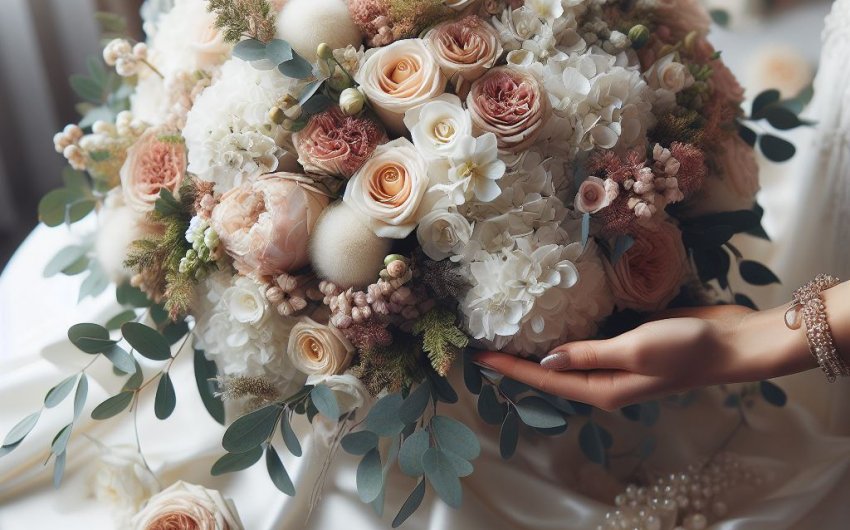
Masterful wedding flower arrangements achieve everlasting elegance by seamlessly blending the couple's personal style with the wedding's overall aesthetic, creating cohesive and breathtaking floral designs that enhance every aspect of the celebration. The key is strategic flower selection, thoughtful color palettes, and professional artistry that elevates blooms into unforgettable statements, ensuring every floral detail contributes to the day's beauty.
What's the first step to planning wedding flower arrangements?
The first step to planning masterful wedding flower arrangements that exude everlasting elegance is to define your wedding's overall vision and establish a clear budget. Before you even look at specific flowers, understanding your chosen style, color palette, venue, and how much you're willing to spend will guide every floral decision, ensuring a cohesive and stunning outcome.
Key initial planning elements:
- Determine Your Wedding Style: Is it rustic, bohemian, classic, modern, romantic, vintage, whimsical, or something else? This aesthetic will dictate the type of flowers, containers, and overall feel of your arrangements.
- Choose Your Color Palette: Select your wedding colors. Flowers will play a significant role in bringing this palette to life.
- Select Your Venue: The venue's existing architecture, lighting, and décor will heavily influence your floral choices. A grand ballroom demands different arrangements than a rustic barn.
- Set a Realistic Floral Budget: Be upfront about how much you're comfortable spending. This helps your florist recommend appropriate flowers and design solutions.
- Gather Inspiration: Collect images of floral arrangements you love from Pinterest, wedding blogs, and magazines. This helps communicate your vision to your florist.
How do you choose the perfect wedding florist?
Choosing the perfect wedding florist is a crucial decision for achieving masterful wedding flower arrangements with everlasting elegance. You need a professional whose style aligns with yours, who understands your vision, and who can execute it flawlessly within your budget, making them an invaluable partner in your wedding planning journey.
Tips for selecting your florist:
- Research and Reviews: Start by searching online for florists in your area. Read reviews and look at their portfolio on their website or social media. Pay attention to weddings they've done that match your desired style.
- Schedule Consultations: Meet with 2-3 florists whose work you admire. Be prepared with your vision, budget, and inspiration photos.
- Discuss Your Vision: During consultations, clearly articulate your wedding style, color palette, and preferred flowers. A good florist will listen attentively and offer creative suggestions.
- Review Their Portfolio: Look for consistency in quality and style. Can they create the elegant, timeless look you're after?
- Ask About Pricing and Packages: Get a clear breakdown of costs, including delivery, setup, and breakdown fees.
- Check Availability: Confirm they are available on your wedding date.
- Communication Style: Choose a florist with whom you feel comfortable communicating and who is responsive to your inquiries.
- Read the Contract Carefully: Before signing, ensure all details, including specific flower types, quantities, and services, are clearly outlined.
What are the must-have wedding flower arrangements?
Masterful wedding flower arrangements that contribute to everlasting elegance often include a set of "must-have" floral elements that define the key visual touchpoints of the ceremony and reception. These core arrangements help tell your wedding story through flowers.
Essential wedding floral elements:
- Bridal Bouquet: The centerpiece of the bride's attire, it sets the tone for all other floral arrangements.
- Bridesmaids' Bouquets: Smaller versions of the bridal bouquet, or complementary designs.
- Boutonnieres: For the groom, groomsmen, fathers, and sometimes other special male guests.
- Corsages: For mothers, grandmothers, and other special female guests.
- Ceremony Arrangements:
- Altar Flowers: Large arrangements that frame the ceremony space.
- Aisle Decorations: Petals scattered, pew markers, or floral clusters on chairs.
- Arch/Chuppah/Arbor Decor: Flowers and greenery adorning the structure where you exchange vows.
- Reception Centerpieces: Floral arrangements for guest tables, ranging from low and lush to tall and dramatic.
- Sweetheart Table or Head Table Decor: A more elaborate centerpiece or garland for the couple's table.
- Cake Flowers: Fresh blooms used to decorate the wedding cake.
- Cocktail Hour Arrangements: Smaller, simpler arrangements for high-top tables or bars.
- Welcome Table/Guest Book Table: A decorative arrangement to greet guests.
How do you choose the perfect flowers for everlasting elegance?
Choosing the perfect flowers for everlasting elegance in your wedding flower arrangements involves a blend of aesthetic appeal, symbolism, seasonality, and practicality. The goal is to select blooms that not only look stunning but also align with your budget and wedding vision.
Factors for flower selection:
- Seasonality: Opting for in-season flowers often means fresher blooms, better availability, and more cost-effective pricing. Discuss seasonal options with your florist.
- Color Palette: Select flowers that perfectly match or complement your chosen wedding colors.
- Wedding Style:
- Classic/Formal: Roses, peonies, hydrangeas, lilies, orchids.
- Romantic/Garden: Garden roses, dahlias, ranunculus, sweet peas.
- Bohemian/Rustic: Wildflowers, protea, thistle, textural greenery.
- Modern/Minimalist: Calla lilies, tulips, tropicals, single impactful blooms.
- Fragrance: Consider the scent. Do you want highly fragrant flowers or something more subtle?
- Durability: Choose flowers that can withstand the duration of your wedding day, from photos to reception. Some delicate blooms wilt quickly.
- Symbolism: Many flowers carry specific meanings. Incorporate those that resonate with you as a couple.
- Cost: Be mindful of your budget. Your florist can suggest beautiful alternatives if your top choices are too expensive or out of season.
- Texture and Form: Mix different flower shapes (round, spiky, delicate) and textures (velvet, smooth, airy) to add depth and interest.
What are popular styles for wedding flower arrangements?
Popular styles for wedding flower arrangements are diverse, each offering a unique aesthetic that contributes to the everlasting elegance of a couple's special day. Understanding these styles helps in articulating your vision to a florist and ensures a cohesive look throughout your celebration.
Popular Arrangement Styles:
- Classic/Traditional: Symmetrical, structured arrangements often featuring white or pastel roses, hydrangeas, and lilies. Timeless and elegant.
- Romantic/Garden-Inspired: Loose, lush, and organic designs with flowing greenery, garden roses, peonies, and ranunculus, creating a soft, ethereal feel.
- Modern/Minimalist: Clean lines, often monochromatic or with strong color blocking, focusing on fewer, impactful blooms like calla lilies, orchids, or structural foliage.
- Bohemian/Whimsical: Free-spirited and natural, featuring wilder textures, unexpected blooms (e.g., protea, succulents), feathers, and abundant, flowing greenery.
- Rustic/Farmhouse: Earthy and natural, using local, seasonal flowers, burlap, wood elements, and simple containers like mason jars.
- Vintage/Retro: Incorporates antique-inspired containers, unique blooms like dahlias, and a soft, muted color palette, often with lace or pearls.
- Cascading: Bouquets and some centerpieces where flowers and greenery gracefully drape downwards, creating a dramatic, opulent effect.
- Deconstructed/A La Carte: A more modern approach where various complementary arrangements are spread across a table rather than a single centerpiece.
How can you make your wedding flower arrangements last all day?
Ensuring your wedding flower arrangements maintain their everlasting elegance throughout your special day requires careful planning and proper care from your florist and wedding team. Keeping blooms fresh and vibrant is crucial for photos and guest enjoyment.
Longevity tips for wedding blooms:
- Professional Florist: A reputable florist knows how to properly "condition" flowers (hydrate them immediately after cutting) and will use best practices for transporting and setting up.
- Seasonal and Durable Choices: Opt for flowers known for their longevity and resilience to heat or travel. Discuss this with your florist.
- Cool Storage: Ensure flowers are kept in a cool, shaded environment before and during the event. This might mean the florist has refrigerated transport or the venue has appropriate storage.
- Water Sources:
- Bouquets: Bridesmaids' bouquets, in particular, should be placed in vases of water whenever not in use (during hair/makeup, travel, reception). Provide small vases for bouquets at each location.
- Boutonnieres/Corsages: These delicate items should be kept refrigerated until just before use. A quick mist with water can help.
- Centerpieces: Ensure arrangements in floral foam are well-hydrated, and those in water have fresh water.
- Avoid Direct Sunlight and Heat: Keep flowers out of direct sun, especially during outdoor ceremonies or photos, and away from heat vents or ripening fruit.
- Minimal Handling: Encourage guests and the bridal party to handle flowers gently.
- Backup Blooms: A good florist will often have a few extra "insurance" blooms on hand in case any get damaged.
What are creative ways to incorporate flowers beyond traditional arrangements?
To infuse your wedding with truly everlasting elegance and create a memorable experience, think beyond traditional wedding flower arrangements. Creative and unexpected uses of blooms can transform ordinary spaces into extraordinary settings, adding personal touches that guests will adore.
Beyond the bouquet and centerpiece:
- Floral Backdrops: A stunning wall or arch entirely covered in flowers makes for an incredible photo opportunity and ceremony backdrop.
- Floral Chandeliers/Installations: Suspend flowers and greenery from ceilings, adding dramatic vertical interest.
- Flowered Aisles: Beyond scattered petals, create a lush border of flowers along the aisle or place floral arrangements at the end of each row.
- Flower Crowns: For the bride, bridesmaids, or even flower girls, offering a bohemian or whimsical touch.
- Floral Hairpieces: Delicate blooms woven into hairstyles.
- Flower Petal Toss: Provide cones or bags of fresh petals for guests to toss during your exit.
- Floral Jewelry: Delicate bracelets or necklaces made with small flowers.
- Cake Flowers: Fresh blooms (ensure they are non-toxic and properly prepared) to adorn your wedding cake.
- Signature Drink Garnishes: Edible flowers (like pansies, violas, or borage) or fragrant herbs can elevate your signature cocktails.
- Favors: Small potted succulents, flower seed packets, or individual blooms can be charming wedding favors.
- Pet Collars: If your furry friends are part of the celebration, a small floral collar adds a sweet touch.
- Restroom Decor: Even small floral touches in unexpected places like restrooms can elevate the guest experience.
How do you select flowers that match your wedding season?
Selecting flowers that perfectly match your wedding season is a key secret to achieving masterful wedding flower arrangements with everlasting elegance. Seasonal choices ensure freshness, often reduce costs, and create a harmonious connection between your celebration and the natural beauty of the time of year.
Seasonal flower guide:
- Spring Weddings:
- Blooms: Tulips, daffodils, hyacinths, ranunculus, anemones, sweet peas, peonies (late spring), lily of the valley, forsythia, cherry blossoms.
- Vibe: Fresh, romantic, hopeful, vibrant, pastel.
- Summer Weddings:
- Blooms: Garden roses, hydrangeas, dahlias, delphiniums, sunflowers, cosmos, zinnias, gladiolus, lisianthus, lavenders.
- Vibe: Lush, abundant, joyful, bold, vibrant, relaxed.
- Autumn (Fall) Weddings:
- Blooms: Dahlias, chrysanthemums, asters, sunflowers, celosia, ornamental cabbage/kale, fall foliage, berries (e.g., hypericum, privet).
- Vibe: Rich, warm, cozy, dramatic, earthy, rustic.
- Winter Weddings:
- Blooms: Amaryllis, paperwhites, hellebores, anemones, ranunculus, roses, hypericum berries, pinecones, evergreen foliage, ilex berries.
- Vibe: Elegant, sophisticated, festive, cozy, romantic, often stark and beautiful.
Always discuss seasonal availability with your florist, as climate and growing conditions can slightly shift these timelines.
What are important considerations for boutonnières and corsages?
For wedding flower arrangements that exude everlasting elegance, attention to detail extends to every floral element, including boutonnières and corsages. These small but significant adornments for the wedding party and honored guests require careful consideration for style, durability, and comfort.
Boutonnière and corsage tips:
- Style and Size:
- Boutonnières: Should be understated and not too large, complementing the suit lapel.
- Corsages: Can be pin-on or wrist corsages. Wrist corsages are often more comfortable for guests.
- Flower Choice:
- Durability: Select resilient flowers that can withstand handling and temperature changes without wilting. Mini carnations, spray roses, succulents, thistle, and small orchids are excellent choices.
- Avoid Fragrance Overload: Be mindful of strongly scented flowers, as they are worn close to the face.
- Color Matching: Ensure they match or complement the overall wedding palette.
- Greenery/Filler: Use minimal, sturdy greenery or delicate filler to support the main bloom.
- Pinning: Ensure your florist provides appropriate pins for boutonnières. For pin-on corsages, heavier pins might be needed. Clear instructions for pinning can be helpful for the wedding party.
- Storage: Keep boutonnières and corsages refrigerated in a box until just before they are needed to maintain their freshness. A light misting with water can help.
- Personalization: Consider adding a small personal touch, like a unique ribbon color or a tiny charm.
How can you create a cohesive floral look across different venues?
Creating a cohesive floral look that exudes everlasting elegance across multiple venues (e.g., separate ceremony and reception locations) requires meticulous planning and consistent design elements within your wedding flower arrangements. The goal is to ensure a harmonious flow and a unified aesthetic, even with changing backdrops.
Strategies for multi-venue cohesion:
- Core Color Palette: Stick strictly to your chosen wedding color palette. This is your primary unifying factor.
- Signature Flowers: Select 2-3 "signature flowers" that appear in almost all arrangements, even if the overall design changes.
- Consistent Style: Maintain the same overall floral style (e.g., romantic, modern, rustic) at both locations. The scale might change, but the feeling should remain.
- Repurpose Elements: Work with your florist to see if any ceremony flowers (e.g., aisle markers, altar arrangements) can be repurposed and moved to the reception. This saves money and enhances cohesion.
- Matching Containers/Vases: Use similar types of vases or containers at both venues, even if the sizes differ. For example, all clear glass, all gold mercury glass, or all rustic wood boxes.
- Bridal Party Florals: The bouquets, boutonnieres, and corsages serve as a constant, unifying floral element visible throughout both venues.
- Consistent Greenery: Use the same type of foundational greenery (e.g., eucalyptus, ruscus, salal) across all arrangements.
- Lighting and Fabrics: While not floral, consistency in lighting design and fabric choices (linens, drapes) also reinforces the overall aesthetic.
What are the latest trends in wedding flower arrangements?
Keeping up with the latest trends in wedding flower arrangements can help couples create a celebration that feels fresh and modern, embracing ideas that blend contemporary aesthetics with a timeless pursuit of everlasting elegance. While classics endure, new trends offer exciting ways to personalize your big day.
Current popular floral trends:
- Lush, Garden-Inspired Designs: Over-the-top, organic arrangements with abundant greenery and a mix of textural blooms, often asymmetrical.
- Monochromatic Tones: Focusing on various shades of a single color for a sophisticated and impactful statement.
- Dried and Preserved Flowers: Incorporating dried grasses (pampas grass), preserved roses, and bleached foliage for a bohemian, earthy, and sustainable touch.
- Suspended Installations: Floral clouds, chandeliers, or suspended garlands creating dramatic aerial displays above tables or dance floors.
- Statement Arches: Deconstructed or asymmetric arches covered in abundant blooms and flowing greenery.
- Eco-Conscious Choices: Prioritizing local, seasonal flowers, minimizing floral foam, and choosing sustainable practices.
- Color Blocking: Using distinct blocks of color in arrangements for a modern, artistic look.
- Textural Richness: Mixing unexpected elements like protea, thistle, succulents, berries, and unusual foliage for depth and interest.
- Personalized Touches: Including meaningful family heirlooms, unique charms, or specific flowers that hold special significance for the couple.
- "Meadow Aisle" or "Garden Floor" Designs: Creating lush, ground-level floral installations for ceremony aisles or under reception tables, making guests feel immersed in a garden.
Masterful wedding flower arrangements truly embody everlasting elegance, transforming your special day into a breathtaking celebration. By meticulously planning every floral detail from selecting the perfect blooms to their creative placement and ensuring their longevity, you can craft a cohesive and unforgettable botanical experience that perfectly reflects your love story.