
Springtime Splendor: Reveling in the Beauty of Spring Flowers
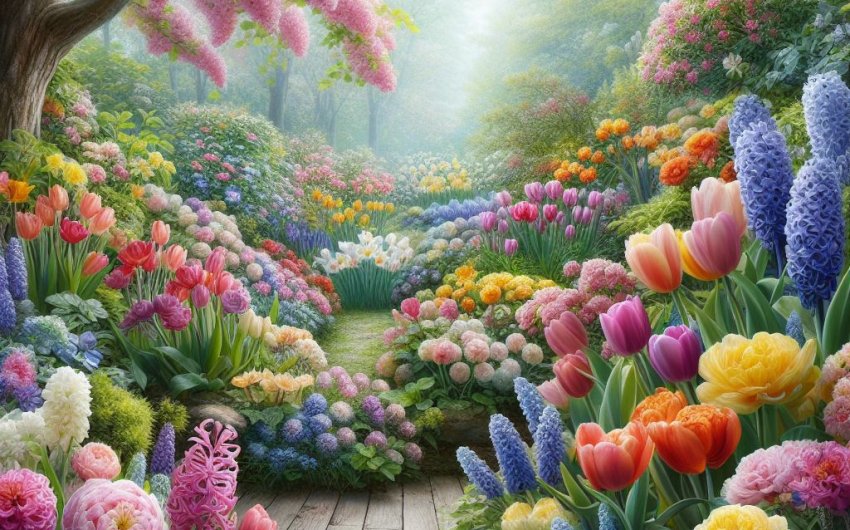
To revel in the beauty of spring flowers and fully experience springtime splendor, immerse yourself in gardens, parks, and natural landscapes where these vibrant blooms emerge, providing a refreshing burst of color and fragrance after winter's dormancy. Embrace the delicate charm of early bulbs, the cheerful abundance of mid-spring blossoms, and the lush elegance of late spring flora, discovering their unique characteristics and symbolic meanings.
What makes spring flowers so captivating?
Spring flowers are undeniably captivating because they symbolize renewal, hope, and the triumphant return of life after the long, dormant winter. Their fresh, vibrant colors and often delicate fragrances provide an invigorating burst of energy, creating a sense of joy and optimism that is truly unmatched in any other season. They signal a fresh start for nature and for our spirits, making springtime splendor a deeply cherished experience.
What are the earliest spring flowers to emerge?
The earliest spring flowers to emerge are often hardy bulbs that bravely push through thawing ground, bringing the very first glimpses of color after winter. These tiny heralds of spring are tough, resilient, and crucial for kicking off the season's magnificent display, representing the true essence of springtime splendor.
Early spring flower champions:
- Snowdrops (Galanthus): Often the very first, sometimes appearing while snow is still on the ground, with delicate white bell-shaped flowers.
- Winter Aconite (Eranthis hyemalis): Bright yellow, cup-shaped flowers often appear at the same time as snowdrops, forming a cheerful carpet.
- Crocus: One of the most beloved early bloomers, offering a range of colors from purple, yellow, and white to striped varieties. They are vital for early pollinators.
- Scilla (Squill): Known for vibrant blue, star-shaped flowers that naturalize easily, creating drifts of color.
- Chionodoxa (Glory-of-the-Snow): Small, star-like flowers, typically blue with white centers, that bloom prolifically.
- Hellebores (Lenten Rose): While not bulbs, these hardy perennials often bloom in late winter to early spring, offering nodding flowers in shades of white, pink, purple, and green.
Which spring flowers are known for their vibrant colors?
Many spring flowers are renowned for their incredibly vibrant colors, offering a breathtaking spectrum that truly defines springtime splendor. These bold blooms energize landscapes and gardens, providing a powerful visual feast after the muted tones of winter.
Top picks for vibrant spring colors:
- Tulips: Famous for their astonishing range of bright colors – reds, yellows, oranges, purples, pinks, and multi-colored varieties – in countless shapes and sizes. You can find tulip bulbs in mixed colors for a spectacular display.
- Daffodils (Narcissus): Mostly bright yellow and white, with striking orange or pink cups, they are iconic for their cheerful and bold presence.
- Hyacinths: Known for their intensely fragrant, dense flower spikes in vivid shades of blue, purple, pink, and white.
- Grape Hyacinths (Muscari): Dense spikes of tiny, bell-shaped flowers, most famously in deep, rich blues.
- Anemones (Windflowers): Often come in striking jewel tones like electric blue, crimson red, and brilliant purple, often with dark centers.
- Pansies and Violas: Though small, their cheerful "faces" come in a wide array of bright and bold colors, often with contrasting markings.
- Primroses: Offer a kaleidoscope of colors in shades of yellow, pink, red, blue, and purple, often with a contrasting eye.
What spring flowers are most fragrant?
The fragrance of spring flowers is one of the most enchanting aspects of springtime splendor, filling the air with sweet, heady, or fresh aromas that awaken the senses after winter's chill. Certain blooms are especially celebrated for their captivating scents.
Most fragrant spring flowers:
- Hyacinths: Perhaps the most intensely fragrant spring bulb, with a powerful, sweet, and somewhat spicy aroma.
- Lilacs: These beautiful shrubs produce large clusters of incredibly sweet-smelling flowers, a quintessential spring scent.
- Daffodils: Many varieties, especially older ones, have a sweet, delicate fragrance.
- Sweet Peas (Lathyrus odoratus): Delicate, ruffled flowers with an exquisite, old-fashioned floral fragrance. You can find sweet pea seeds for your garden.
- Freesias: Known for their bright, citrusy, and sweet perfume, often used in perfumes.
- Lily of the Valley (Convallaria majalis): Tiny, bell-shaped white flowers with an incredibly delicate, fresh, and sweet fragrance.
- Wisteria: This climbing vine produces long, drooping clusters of highly fragrant purple or white flowers.
- Daphne: Many varieties, especially Daphne odora, produce intensely fragrant, small pink or white flowers in early spring.
- Honeysuckle: The climbing varieties offer a strong, sweet scent that is particularly noticeable in the evening.
How do you care for spring flowering bulbs?
Caring for spring flowering bulbs is relatively straightforward, but understanding a few key practices ensures they return year after year, providing continuous springtime splendor. Proper planting and post-bloom care are essential for their longevity.
Essential bulb care tips:
- Planting Time: Plant spring-flowering bulbs in fall, typically when soil temperatures cool but before a hard freeze.
- Sunlight: Most spring bulbs prefer full sun to partial shade.
- Soil: Ensure well-draining soil. Bulbs will rot in soggy conditions. Amend heavy clay soils with compost.
- Planting Depth: Plant bulbs at the correct depth – usually 2-3 times their height. A bulb planter tool can make this easier.
- Watering: Water thoroughly after planting. Once shoots emerge in spring, water during dry spells if rainfall is insufficient.
- Fertilizing: You can mix a bulb fertilizer into the soil at planting time. After blooming, a light feed can help replenish nutrients.
- Deadhead (Optional): Remove faded flowers to prevent the plant from putting energy into seed production. This energy is then directed back into the bulb for next year's blooms.
- Allow Foliage to Mature: This is the most crucial step for perennial bulbs. Do NOT cut back foliage until it has naturally yellowed and died back (typically 6-8 weeks after blooming). The leaves photosynthesize and store energy in the bulb for next year's flowers.
- Division: Over time, clumps of bulbs may become crowded and produce fewer flowers. Divide and replant them every 3-5 years after the foliage has died back.
What is the symbolism behind popular spring flowers?
The symbolism behind popular spring flowers adds another layer of depth to their beauty, allowing us to revel in their springtime splendor with greater meaning. These traditional associations often reflect the themes of renewal, hope, and new beginnings that define the season.
Symbolism of key spring blooms:
| Flower Name | Common Symbolism |
|---|---|
| Snowdrop | Hope, new beginnings, consolation |
| Crocus | Cheerfulness, youthful gladness, joy |
| Daffodil | New beginnings, rebirth, joy, remembrance, unrequited love |
| Tulip | Perfect love, happiness, charity (color-dependent) |
| Hyacinth | Playfulness, sport, constancy (color-dependent, can also mean jealousy or sorrow) |
| Lily of the Valley | Sweetness, humility, happiness, return of happiness, purity |
| Primrose | Youth, everlasting love, early youth |
| Pansy | Thoughts, remembrance, love, admiration |
| Forsythia | Anticipation, cheerful expectation |
| Cherry Blossom | Transience of life, beauty, renewal, fleeting nature of beauty |
How can you create a stunning spring flower garden?
Creating a stunning spring flower garden involves thoughtful planning, strategic plant selection, and attention to design principles that maximize the impact of early blooms and extend the season of springtime splendor. It's about crafting a cohesive and breathtaking display.
Design tips for spectacular spring gardens:
- Layering Bulbs: Plant different types of bulbs in layers (taller daffodils deeper, tulips in the middle, crocuses or muscari closer to the surface) for a multi-tiered bloom effect.
- Mass Plantings: Plant bulbs and spring annuals in large drifts or clusters, rather than single scattered plants. This creates a much more impactful visual statement.
- Color Themes: Plan a color scheme. You can go for vibrant mixed colors, soft pastels, or striking monochromatic themes (e.g., an all-white garden that glows).
- Combine Bulbs with Perennials/Annuals:
- Underplant Bulbs: Plant early blooming bulbs beneath later-emerging perennials (e.g., hostas, ferns) or annuals (e.g., pansies) that will fill in space as bulb foliage fades.
- Mix in Annuals: Use pansies, violas, or primroses for instant color while bulbs are emerging.
- Consider Early-Flowering Shrubs and Trees: Incorporate plants like Forsythia, Witch Hazel, Flowering Dogwood, or Cherry Trees for vertical interest and a broader display of spring color.
- Pathways and Borders: Use spring flowers to line pathways, define garden beds, or spill over container edges.
- Containers: Plant spring bulbs in pots for movable splashes of color on patios, porches, or entryways. You can create amazing layered bulb pots. A set of colorful garden pots enhances the display.
- Succession Planting: Choose varieties that bloom at different times (early, mid, late spring) to ensure continuous interest.
What spring flowers are best for cutting and bringing indoors?
Many spring flowers are perfect for cutting, allowing you to bring the beauty of springtime splendor indoors and brighten your home with fresh, seasonal bouquets. Choosing the right blooms and proper cutting techniques ensures the longest vase life.
Top spring cut flowers:
- Tulips: A classic for cutting, offering vibrant colors and elegant forms. Cut when buds are just starting to show color.
- Daffodils: Cheerful and long-lasting. Cut when the bud is fully colored but not yet fully open. (Note: Daffodil stems release a sap that can shorten the life of other flowers; "condition" them in water alone for a few hours before mixing).
- Hyacinths: Incredibly fragrant, beautiful in small arrangements. Cut when the bottom third of the florets are open.
- Sweet Peas: Exquisitely fragrant and delicate, perfect for mixed bouquets. Cut when there are 2-3 open flowers per stem.
- Freesias: Graceful, fragrant, and excellent vase life. Cut when 1-2 lower florets are open.
- Ranunculus: Layers of delicate petals in stunning colors. Cut when flower heads are soft but not fully open.
- Anemones: Striking colors, great for adding a pop of drama. Cut when the flowers are starting to open but still cup-shaped.
- Lilacs: Cut when about half the florets on a cluster are open. Sear the cut stem ends with boiling water for 30 seconds for better water uptake.
- Hellebores: Cut mature blooms.
- Cherry Blossom Branches: Bring indoors to force bloom for early spring delight.
How do you extend the bloom time of spring flowers?
Extending the bloom time of spring flowers allows you to maximize your enjoyment of springtime splendor, making the season feel longer and more vibrant. Several techniques can encourage plants to produce flowers for a longer duration.
Tips for longer spring blooms:
- Choose Diverse Varieties: Plant a mix of early, mid, and late-season bloomers to ensure continuous color from first thaw to early summer.
- Deadhead Regularly: For many spring flowers (especially tulips, pansies, violas, primroses), removing spent blooms prevents the plant from going to seed, prompting it to produce more flowers. For bulbs, deadhead but do not remove foliage.
- Adequate Watering: Consistent moisture during dry spells, especially for annuals and perennials, will keep them from fading prematurely.
- Fertilize (Strategically): A light feeding after the first flush of blooms can encourage more flowering, especially for heavy feeders. For bulbs, fertilize in fall at planting, and lightly after blooming.
- Partial Shade for Sensitive Blooms: Some brightly colored flowers may last longer if they get a little afternoon shade in hot climates, as intense sun can cause them to fade faster.
- Pinch Back Annuals: For some spring annuals (like pansies), pinching back leggy growth can encourage bushier plants and more blooms.
- Consider Container Planting: Potted spring flowers can be moved to shadier spots as temperatures rise, prolonging their bloom time.
What is the connection between spring flowers and pollinators?
The connection between spring flowers and pollinators is a vital and beautiful symbiotic relationship, crucial for the health of both ecosystems and gardens. As these blooms burst forth, they provide essential early food sources that support the awakening pollinator populations, making them a key part of springtime splendor.
The symbiotic relationship:
- Early Food Source: Spring flowers, especially bulbs like crocus, scilla, and chionodoxa, provide some of the first nectar and pollen for emerging bees, butterflies, and other insects after winter. This early food is critical for their survival and reproductive cycles.
- Pollination Services: In return for nectar and pollen, these insects facilitate the pollination of the flowers, allowing the plants to produce seeds and continue their life cycle.
- Biodiversity: A diverse array of spring flowers supports a wider variety of pollinator species, contributing to overall biodiversity in the garden and surrounding environment.
- Fragrance as a Guide: Many fragrant spring flowers use their scent to attract pollinators from a distance.
- Color as a Beacon: The vibrant colors of spring blooms act as visual signals, guiding pollinators to their floral rewards.
- Habitat Creation: Beyond food, a garden rich in spring flowers also provides shelter and nesting opportunities for various beneficial insects.
To truly revel in the beauty of spring flowers is to embrace their vibrant return as a signal of renewal and hope. From the first delicate snowdrops to the grand display of tulips and peonies, understanding their care, symbolism, and ecological role allows you to fully experience and contribute to the magnificent springtime splendor each year.