
Unveiling the Beauty Beyond: Side Yard Landscaping Secrets
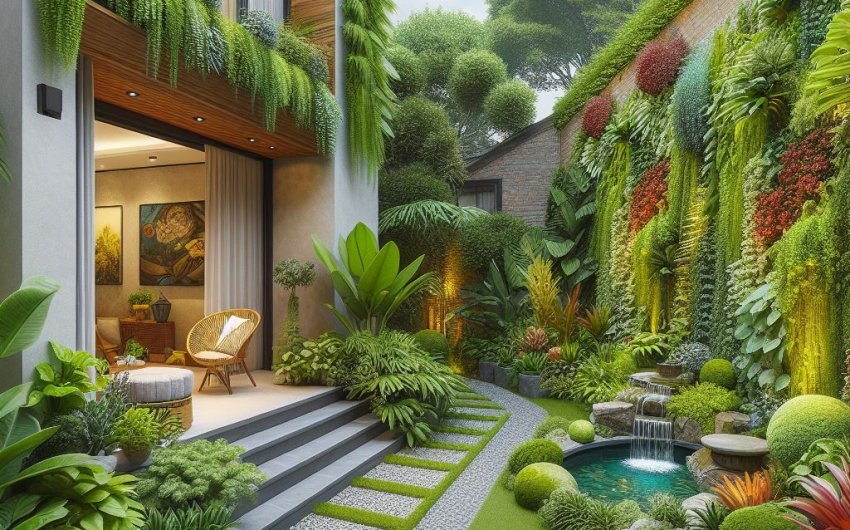
Unveiling the beauty beyond with side yard landscaping secrets transforms often-neglected transitional spaces into functional and aesthetically pleasing areas. The key is to assess the unique challenges of your side yard (light, width, drainage), define its purpose (pathway, utility, hidden garden), and implement creative solutions with appropriate plants and hardscaping to maximize its potential.
Why is side yard landscaping an often-overlooked opportunity?
Side yard landscaping is often the unsung hero of outdoor spaces, a frequently overlooked opportunity brimming with untapped potential. These narrow, transitional zones between your house and the property line are typically neglected, serving as mundane walkways, storage areas, or forgotten stretches of grass. However, with thoughtful design and a few key secrets, side yards can be transformed into enchanting outdoor oases, adding significant beauty, functionality, and value to your home.
What makes side yards challenging spaces to landscape?
Side yards present a unique set of challenges that often lead to their neglect.
- Narrow and Confined: The most obvious challenge. Side yards are typically narrow, creating a tunnel-like feel that limits design options and can make them feel cramped.
- Variable Light Conditions: Due to their position between buildings or against fences, side yards often experience highly variable light, from deep shade to intense sun (especially in east/west orientations). This makes plant selection tricky.
- Poor Drainage: These areas often serve as natural runoff channels from roofs or neighboring properties, leading to drainage issues and perpetually wet, soggy soil.
- Limited Accessibility: Access can be difficult for large equipment or even for basic gardening tasks.
- Often Unsightly: They commonly house utilitarian elements like garbage cans, AC units, utility meters, and downspouts, detracting from any aesthetic appeal.
- Perceived Lack of Purpose: Many homeowners don't see the potential beyond a functional walkway, leading to a lack of investment in design.
- Root Competition: If large trees or shrubs border the area, their roots can aggressively compete for moisture and nutrients, making it hard to establish new plants.
What are the compelling benefits of thoughtful side yard landscaping?
Despite the challenges, transforming your side yard yields a multitude of advantages.
- Boosts Curb Appeal (Hidden Gem): A well-designed side yard shows attention to detail, creating a cohesive landscape that flows beautifully from front to back, enhancing overall property value and curb appeal. It's a delightful surprise.
- Adds Functional Space: It can be transformed into a functional area: a discreet utility zone, a charming pathway, a secluded seating nook, a hidden garden, or even a compact vegetable patch.
- Extends Living Space: A beautifully landscaped side yard can feel like an extension of your indoor living areas, offering another "outdoor room."
- Solves Practical Problems: Effective landscaping can address drainage issues, screen unsightly utility boxes, or create privacy.
- Creates a Sense of Discovery: A well-designed side yard with a winding path or hidden feature can add intrigue and a sense of journey to your property.
- Enhances Privacy: Well-placed tall plants or screening can create privacy from close neighbors.
- Reduces Maintenance: A thoughtfully designed side yard can be easier to maintain than a neglected, overgrown space.
- Environmental Benefits: Strategic planting can manage stormwater, create habitat, and improve air quality.
By unveiling the beauty beyond its initial challenges, thoughtful side yard landscaping transforms often-neglected transitional spaces into enchanting and functional outdoor oases that add significant value and enjoyment to your home.
How do I assess my side yard's unique conditions and potential?
Before embarking on any side yard landscaping project, a thorough assessment of its unique conditions and untapped potential is crucial. These narrow spaces often harbor specific challenges related to light, soil, and drainage, which must be understood before selecting plants and designing a layout.
1. Evaluate sunlight exposure.
This is the most critical factor for plant selection in a side yard.
- Highly Variable Light: Side yards rarely receive consistent, all-day full sun. Their light exposure is dictated by the orientation of your house, neighboring structures, and any large trees.
- East-Facing Side Yard: Receives gentle morning sun (beneficial for many plants), then shade in the afternoon. Good for plants needing partial sun/shade.
- West-Facing Side Yard: Receives harsh, intense afternoon sun, then shade. This can be very challenging, often too hot for traditional shade plants and too shady for full-sun plants. Needs tough plants or more protection.
- North-Facing Side Yard: Receives little to no direct sun, experiencing primarily deep shade.
- South-Facing Side Yard: May receive more sun, but can still be partially shaded by the house.
- Assessment:
- DO: Observe your side yard throughout a full day (or several days across different seasons). Note precisely when direct sunlight hits different areas and for how long.
- DO: Map out areas of full sun (6+ hours), partial sun (3-6 hours), and shade (<3 hours).
- Consider: Shadows from fences, sheds, and trees.
- Why it Matters: This map will dictate your plant choices. Don't guess; observe accurately.
2. Analyze soil type and drainage.
Side yards are notorious for drainage issues.
- Soil Texture and Health:
- DO: Conduct a soil test (pH, nutrient levels, organic matter). Side yards often have poor quality soil due to construction backfill.
- Drainage Test (Crucial):
- DO: Dig a hole 12 inches deep and 12 inches wide in the lowest or wettest part of the side yard. Fill it with water and let it drain. Fill it again and measure how long it takes to drain.
- Interpretation: If it takes more than 4 hours to drain, you have poor drainage and waterlogging issues. If it drains too quickly (sandy soil), you have low water retention.
- Why it Matters: Poor drainage leads to root rot. Good drainage is essential for plant health.
- Compaction:
- DO: Check if the soil is hard, dense, and difficult to dig into. Side yards often suffer from compaction due to foot traffic or heavy equipment during construction.
- Water Flow:
- DO: Observe how rainwater flows through the side yard. Does it pool against the house foundation? Does it flow towards a neighbor's property? Note downspout locations.
- Why it Matters: Crucial for managing stormwater and protecting your home.
3. Identify existing structures and utility elements.
These are fixed elements that will influence your design.
- House Foundation:
- DO: Note the type of foundation and ensure good clearance for plants to prevent moisture issues or root damage.
- Utility Meters/Boxes:
- DO: Locate all utility meters (gas, electric, water), AC units, and outdoor faucets. These need to be accessible for maintenance.
- Downspouts:
- DO: Note where downspouts discharge water. This affects drainage.
- Fences/Walls:
- DO: Assess the condition and height of existing fences or walls. Can they be integrated into the design or do they need replacement?
- Neighboring Property:
- DO: Be aware of property lines and any neighboring structures or plants that might influence your side yard.
4. Define its purpose and desired function.
What do you want your side yard to be?
- Pathway/Access:
- DO: Is its primary role still a functional path from front to back? If so, prioritize clear, safe, and durable pathways.
- Utility Area:
- DO: Can it discreetly house garbage cans, a compost bin, or tool storage?
- Solution: Consider screening these elements with lattice or tall, narrow plants.
- Hidden Garden/Seating Nook:
- DO: Is there potential for a secluded, charming seating area or a small, intimate garden space?
- Edible Garden:
- DO: Can it become a compact vegetable patch or herb garden (if light allows)?
- Visual Extension:
- DO: Should it serve as a beautiful visual link between your front and back yards?
By meticulously assessing these unique conditions and defining its purpose, you unlock the hidden beauty and untapped potential of your side yard, laying the groundwork for a successful and enchanting landscape transformation.
What are effective layout ideas for narrow side yards?
Narrow side yards present unique design challenges, but with creative layout ideas, they can be transformed from neglected pass-throughs into functional and aesthetically pleasing outdoor oases. The key is to leverage the length, manage the width, and strategically use elements to create a sense of spaciousness, purpose, and beauty.
1. The Functional Pathway: Streamlined and Inviting.
If the primary purpose is access, make it an attractive journey.
- Define a Clear Path:
- DO: Create a well-defined pathway using permeable materials like gravel, stepping stones, or pavers. Ensure the path is wide enough for comfortable passage (minimum 3 feet for a single person, 4-5 feet for two).
- A good option is natural stone garden stepping stones.
- Plant Soft Borders:
- DO: Along the edges of the path, plant low-growing, compact plants, groundcovers, or small shrubs that won't overwhelm the space or spill too much onto the path. Choose plants suitable for the light conditions.
- Why: Softens hard edges, adds color and texture, and guides the eye.
- Screen Utilities:
- DO: Use narrow trellises with climbing vines, or slender evergreen shrubs to discreetly screen unsightly utility meters or garbage cans.
- Lighting:
- DO: Install subtle pathway lighting (solar or low-voltage LED) for safety and ambiance.
- Repetition:
- DO: Use repetitive plantings or decor along the path to create a sense of rhythm and guide the eye.
2. The Secret Garden Corridor: Lush and Intimate.
Transform a narrow space into a private, enchanting retreat.
- Meandering Path (Illusion of Width):
- DO: Instead of a straight line, create a gently meandering or curved pathway through the side yard.
- Why: Curves force the eye to slow down and create a sense of greater depth and width, making the space feel larger and more mysterious.
- Layered Plantings:
- DO: Plant densely in layers, with taller, narrower shrubs or small trees for verticality, medium-height perennials, and lush groundcovers. Choose plants suitable for the light conditions.
- Why: Creates a rich, immersive, and intimate atmosphere.
- Vertical Greenery:
- DO: Utilize walls and fences by planting climbing vines (e.g., clematis, jasmine, climbing roses - if light allows) on trellises.
- Why: Softens hard boundaries and adds greenery without consuming floor space.
- Hidden Features:
- DO: Place a small bench, a bird bath, a subtle statue, or a trickling fountain partially hidden at a bend in the path or amidst foliage.
- Why: Creates a sense of discovery and encourages lingering.
- Fragrance:
- DO: Plant fragrant herbs (lavender, mint) or flowering shrubs along the path.
- Why: Enhances the sensory experience.
3. The Utility Zone with Aesthetic Screening.
Make necessary utility areas discreet and visually appealing.
- Defined Zones:
- DO: Clearly define a designated "utility zone" for garbage cans, recycling bins, or an AC unit.
- Why: Contains the clutter.
- Effective Screening:
- DO: Use slatted wood screens, lattice panels (with climbing plants), tall, narrow evergreens (e.g., 'Emerald Green' arborvitae), or dense shrubs to hide unsightly elements.
- Why: Provides privacy and improves aesthetics.
- A common option is wood lattice screen panel.
- Functional Groundcover:
- DO: Use durable, low-maintenance groundcovers (e.g., creeping thyme, sedum, mondo grass) or gravel in areas around utility boxes that need to remain clear for access.
- Accessibility:
- DO: Ensure screened items remain easily accessible for maintenance or trash pickup.
4. The Productive Edible Corridor: Herbs, Veggies, Berries.
Turn the side yard into a compact food source (if light allows).
- Vertical Gardening:
- DO: Use wall-mounted planters, stacking planters, or sturdy shelves for herbs, leafy greens, and strawberries.
- Why: Maximizes vertical growing space in a narrow area. A vertical garden planter wall mount can be transformative.
- Raised Beds:
- DO: Install narrow raised beds along one side, filled with rich soil for compact vegetables (e.g., bush beans, dwarf peppers, radishes).
- Why: Improves drainage and makes gardening easier.
- Fruit-Bearing Vines/Shrubs:
- DO: Plant trellised berry vines (e.g., raspberries on a narrow trellis) or columnar fruit trees if space and light permit.
- Container Gardening:
- DO: Utilize pots for a variety of edibles, allowing for flexibility in light conditions.
5. The Low-Maintenance Zen/Xeriscape Passage.
For sunny, dry side yards or those seeking minimal upkeep.
- Gravel and Stone:
- DO: Use permeable hardscaping extensively (gravel, decomposed granite, stepping stones) for pathways and groundcover.
- Why: Provides excellent drainage, reflects heat, and requires minimal water.
- Drought-Tolerant Plants:
- DO: Plant succulents (e.g., sedum, sempervivum), grasses (e.g., blue fescue), or small, tough shrubs (e.g., junipers).
- Why: Thrive in dry, sunny conditions with little water.
- Minimalist Design:
- DO: Keep plantings sparse and intentional, highlighting the form and texture of rocks and resilient plants.
- Zen Elements:
- DO: A small stone lantern, a carefully placed boulder, or simple raked gravel patterns can evoke a sense of calm.
By leveraging these creative layout ideas, you can effectively transform your narrow side yard from a forgotten space into an enchanting, functional, and beautiful outdoor oasis, unveiling the beauty beyond its initial limitations.
How do I choose plants for my side yard based on light and drainage?
Choosing the right plants is the cornerstone of a successful side yard transformation. These narrow spaces often present unique and variable conditions, particularly regarding light and drainage. Selecting plants specifically adapted to these challenges ensures they not only survive but thrive, contributing to an enchanting and resilient landscape.
1. Plant selection for variable light conditions.
Side yards rarely have uniform light, requiring a flexible approach.
- North-Facing Side Yard (Deep Shade to Partial Shade):
- Light: Receives little to no direct sun. Primarily experiences bright indirect light to deep shade.
- Best Plants:
- Foliage Perennials: Hostas (Hosta spp.), Ferns (various species like Maidenhair, Japanese Painted, Ostrich), Lungwort (Pulmonaria spp.), Coral Bells (Heuchera spp.), Astilbe (Astilbe spp.).
- Groundcovers: Pachysandra (Pachysandra terminalis), Vinca (Vinca minor - Periwinkle), Lamium (Lamium maculatum).
- Shrubs: Hydrangeas (Oakleaf Hydrangea, Bigleaf Hydrangea), Rhododendron/Azaleas (if acidic soil).
- DO: Focus on plants prized for their foliage texture and color, as flowering may be reduced.
- East-Facing Side Yard (Morning Sun, Afternoon Shade):
- Light: Receives gentle morning sun (3-5 hours), then afternoon shade. This is an ideal condition for many plants.
- Best Plants:
- Flowering Perennials: Hostas, Hydrangeas, Astilbe, Bleeding Heart, Brunnera, some native wildflowers.
- Shrubs: Azaleas, Rhododendrons, Camellias (in warmer zones).
- Groundcovers: Hosta varieties, Vinca, Lamium.
- DO: Many plants thrive here, allowing for good flowering and lush foliage.
- West-Facing Side Yard (Intense Afternoon Sun, Morning Shade):
- Light: Receives harsh, intense afternoon sun, which can be very hot and drying. Challenging.
- Best Plants (Tough & Drought-Tolerant):
- Succulents/Cacti: Sedum (upright and creeping), Yucca, Agave (if climate allows).
- Grasses: Ornamental grasses (e.g., Little Bluestem, Maiden Grass).
- Tough Perennials: Daylilies, Yarrow (Achillea millefolium), Gaillardia (Blanket Flower), some Coreopsis.
- Shrubs: Junipers, some Spireas.
- DO: Focus on drought-tolerant, heat-loving plants that can handle intense sun.
- South-Facing Side Yard (Full Sun to Partial Sun):
- Light: Can receive significant sun, but may still get partial shade from the house or adjacent structures.
- Best Plants: Many full-sun perennials and shrubs adapted to your climate.
- DO: Assess actual sun hours carefully.
2. Plant selection for varying drainage conditions.
Matching plants to soil moisture is critical, especially in side yards.
- Poorly Draining / Wet Side Yard (from runoff/heavy clay):
- Problem: Soil stays soggy, leading to root rot for many plants.
- Best Plants (Water-Tolerant):
- Perennials: Ferns (Maidenhair, Cinnamon), Cardinal Flower (Lobelia cardinalis), Joe Pye Weed (Eutrochium purpureum), Siberian Iris (Iris sibirica), Astilbe (with good organic matter).
- Shrubs: Red Twig Dogwood (Cornus sericea), Willows (dwarf varieties), Buttonbush (Cephalanthus occidentalis).
- Groundcovers: Creeping Jenny (Lysimachia nummularia).
- DO: Prioritize plants that tolerate consistently moist to wet conditions, or even boggy soil.
- Solutions: Incorporate abundant compost to improve clay soil drainage, or plant in raised beds to elevate roots.
- Well-Draining / Dry Side Yard (from tree roots/sandy soil):
- Problem: Soil dries out quickly due to aggressive tree roots or sandy composition.
- Best Plants (Drought-Tolerant):
- Perennials: Hostas (require supplemental water if very dry), Hellebores, Epimedium (Barrenwort), Alumroot (Heuchera).
- Groundcovers: Creeping Thyme, Sedum, Vinca (established).
- Shrubs: Junipers, Mahonia.
- DO: Plant drought-tolerant, shade-loving options.
- Solutions: Incorporate ample compost to improve moisture retention, or maintain a thick layer of mulch.
General Tips for Side Yard Plant Selection:
- Native Plants:
- DO: Prioritize native plants for your region. They are naturally adapted to your climate, soil, and local wildlife.
- Disease/Pest Resistance:
- DO: Choose varieties known for resistance to common diseases (especially in humid or shady spots) and pests.
- Verticality:
- DO: Utilize narrow columnar trees (e.g., 'Emerald Green' Arborvitae), tall trellises with vines, or wall-mounted planters to draw the eye upward and maximize greenery without widening the space.
- Mature Size:
- DO: Always research the mature height and spread of plants.
- DON'T: Plant large-growing shrubs or trees that will quickly overwhelm the narrow space.
- Foliage Over Flowers:
- DO: In very shady side yards, emphasize plants with attractive foliage (hostas, ferns, heucheras) over those grown solely for flowers, which may be sparse.
By meticulously choosing plants that align with your side yard's specific light and drainage conditions, you ensure a vibrant, resilient, and enchanting landscape that thrives despite its unique challenges.
How do I incorporate hardscaping and decor into a narrow side yard?
Integrating hardscaping and decor into a narrow side yard is key to transforming it into a functional and aesthetically pleasing outdoor oasis. These elements provide structure, define pathways, screen unsightly features, and infuse personality, all while working within the space's inherent limitations.
1. Hardscaping: Defining Structure and Function.
Hardscaping provides the "bones" of your side yard, establishing pathways, boundaries, and solutions for drainage.
- Pathways (Crucial):
- DO: A well-defined path is essential for access. Use permeable materials like gravel, crushed stone, stepping stones, or pavers.
- DO: Aim for a minimum width of 3 feet (0.9 m) for comfortable single-person passage. If possible, expand to 4-5 feet (1.2-1.5 m) for a more inviting feel.
- DO: Consider a meandering or slightly curved path (if width allows) to create an illusion of greater depth and a sense of discovery.
- Why it Works: Guides visitors, prevents trampling plants, and provides a clean, functional surface.
- A good option is natural stone garden stepping stones.
- Retaining Walls (for slopes):
- DO: If your side yard is sloped, install low retaining walls (stone, brick, wood) to create level planting terraces.
- Why: Prevents soil erosion and makes planting easier.
- Edging:
- DO: Use subtle edging (metal, stone, brick) to define planting beds and keep gravel or mulch contained.
- Why: Creates a neat, finished look.
- Paving:
- DO: For a small seating area, consider a compact patio made of pavers or flagstone.
- Driveway Integration:
- DO: Ensure your side yard pathway seamlessly connects to your driveway or front walk.
2. Screening and Privacy Solutions.
Address utility eyesores and create secluded moments.
- Screening Ugly Features:
- DO: Use slatted wood screens, lattice panels (with climbing vines), tall, narrow evergreen shrubs (e.g., 'Emerald Green' Arborvitae), or decorative fencing to discreetly hide garbage cans, recycling bins, AC units, or utility meters.
- Why: Improves aesthetics without blocking access to utilities.
- A common option is wood lattice screen panel.
- Privacy Fencing/Hedges:
- DO: Install taller fences or plant dense hedges (e.g., columnar conifers, skip laurel) along the property line to create privacy from close neighbors.
- Why: Transforms the space into a more secluded retreat.
3. Lighting: Enhancing Functionality and Ambiance.
Lighting transforms a side yard from utilitarian to enchanting.
- Path Lighting:
- DO: Install low-voltage pathway lights or solar lights along the pathway.
- Why: Enhances safety, especially at night, and defines the path.
- Accent Lighting:
- DO: Use subtle uplighting to highlight a striking plant, a water feature, or a piece of garden art.
- Why: Adds drama and extends the enjoyment of the garden into the evening.
- String Lights (for seating areas):
- DO: Drape outdoor string lights above a small seating nook for a cozy ambiance.
4. Decor: Infusing Personality and Interest.
Decor adds the final layer of charm and style.
- Focal Points:
- DO: Place a small, elegant garden sculpture, a unique potted plant, a bird bath, or a subtle water feature (e.g., a bubbling rock fountain) at a key visual point or a bend in the path.
- Why: Draws the eye and creates visual interest.
- Containers:
- DO: Use decorative pots and planters for seasonal color, herbs, or small shrubs. Place them strategically to add pops of color or texture.
- Seating Nooks:
- DO: If space allows, tuck a small bistro set, a narrow garden bench, or a charming chair into a secluded spot. Add weather-resistant cushions and outdoor throws for comfort.
- Mirrors (Illusion of Space):
- DO: Hang an outdoor-rated mirror on a wall or fence.
- Why: Creates an illusion of depth and reflects light, making a narrow space feel larger and brighter.
- Vertical Decor:
- DO: Hang decorative lanterns, wind chimes, or wall art on fences or walls to draw the eye upward.
By thoughtfully integrating hardscaping, screening, lighting, and decor, you can effectively transform your narrow side yard into an enchanting, functional, and deeply personalized outdoor oasis, truly unveiling its hidden beauty.
How do I manage challenging side yard conditions for plant health?
Managing the challenging conditions often found in side yards—variable light, poor drainage, and root competition—is paramount for ensuring plant health and a thriving landscape. Addressing these specific issues with targeted strategies allows your chosen plants to flourish, transforming a difficult space into an enchanting outdoor oasis.
1. Addressing variable light conditions.
Side yards rarely have consistent light, requiring careful adaptation.
- Accurate Assessment:
- DO: Refer back to your detailed sunlight assessment. Know precisely how many hours of direct sun each section receives.
- Right Plant, Right Place:
- DO: Choose plants specifically adapted to the light conditions of each zone within your side yard (e.g., shade-loving plants for north-facing areas, heat-tolerant for west-facing).
- DON'T: Force sun-loving plants into deep shade or shade-lovers into intense afternoon sun.
- Provide Supplemental Shade (for west-facing/intense sun):
- DO: For delicate plants in hot, west-facing areas, use shade cloth, trellises with dense vines, or taller, tougher plants to provide some afternoon shade.
- Why: Protects from scorching.
- Prune Overhanging Trees (for too much shade):
- DO: If large trees are casting too much shade, consider judiciously pruning their lower limbs to allow more light to penetrate. Consult an arborist for large trees.
- Why: Can open up light for shade-tolerant plants.
2. Improving drainage and managing water flow.
Poor drainage is a hallmark of many side yards, leading to root rot.
- Soil Amendment (Crucial):
- DO: If your soil is heavy clay, incorporate generous amounts of finished compost, aged manure, or pine bark fines into the top 12-18 inches of garden beds.
- Why: Improves soil structure, creating larger pore spaces for better water movement and aeration.
- Raised Beds or Mounds:
- DO: For areas with persistent waterlogging, build raised garden beds or plant on raised mounds filled with well-draining soil.
- Why: Elevates the root zone, ensuring excellent drainage.
- Manage Downspouts:
- DO: Redirect downspout runoff away from the house foundation and planting beds using extensions, rain barrels (rain barrels for garden), or dry streambeds.
- Why: Prevents oversaturation.
- Install French Drains (for severe issues):
- DO: For chronic, severe waterlogging, consider installing a French drain (a trench with gravel and perforated pipe) to redirect excess subsurface water.
- Why: Provides effective long-term drainage.
- Water Wisely:
- DO: Even with improved drainage, water deeply and consistently at the base of the plant, allowing the soil to dry out between waterings. Use a soil moisture meter.
- DON'T: Overwater or use overhead sprinklers that keep foliage wet.
3. Dealing with tree root competition.
Existing large trees can be fierce competitors for water and nutrients.
- Plant Smartly:
- DO: Plant smaller, less aggressive plants that can tolerate some root competition (e.g., hostas, ferns, epimedium in shade).
- DO: Place new plants a reasonable distance away from the tree's main trunk and aggressively growing surface roots (e.g., 5-10 feet from the trunk, depending on tree size).
- Improve Soil with Organic Matter:
- DO: Amend the soil generously with compost when planting under trees.
- Why: Compost helps retain moisture and provides a nutrient boost for both the tree and new plants.
- Root Barriers (with caution):
- DO: For very aggressive tree roots, installing a non-invasive root barrier along the planting bed edge can protect new plants, but this should be researched carefully to avoid harming the tree.
- Consistent Watering and Fertilization:
- DO: Provide consistent, supplemental water and nutrients to plants established under trees. They will need more than plants in open ground.
- Mulch:
- DO: Maintain a thick layer of organic mulch (2-4 inches) under trees and around plants to conserve moisture and suppress weeds.
- DON'T: Pile mulch against tree trunks.
4. General Plant Health and Maintenance.
Robust plants are more resilient to all challenges.
- Right Plant, Right Place:
- DO: Select plants that are truly adapted to your side yard's specific microclimate, soil, and hardiness zone.
- Balanced Fertilization:
- DO: Provide balanced fertilization, guided by a soil test. Healthy plants are better able to cope with stress.
- Pest and Disease Monitoring:
- DO: Regularly inspect plants for pests and diseases, which can weaken plants and exacerbate existing stresses. Address promptly.
- Sanitation:
- DO: Remove dead or diseased plant material promptly.
By meticulously managing the variable light, addressing drainage issues, minimizing root competition, and promoting overall plant health, you can effectively overcome the challenges of side yard landscaping, transforming it into an enchanting and thriving outdoor oasis.