
Trimming Triumphs: How Plant Trimmings Fuel Fertile Soil!
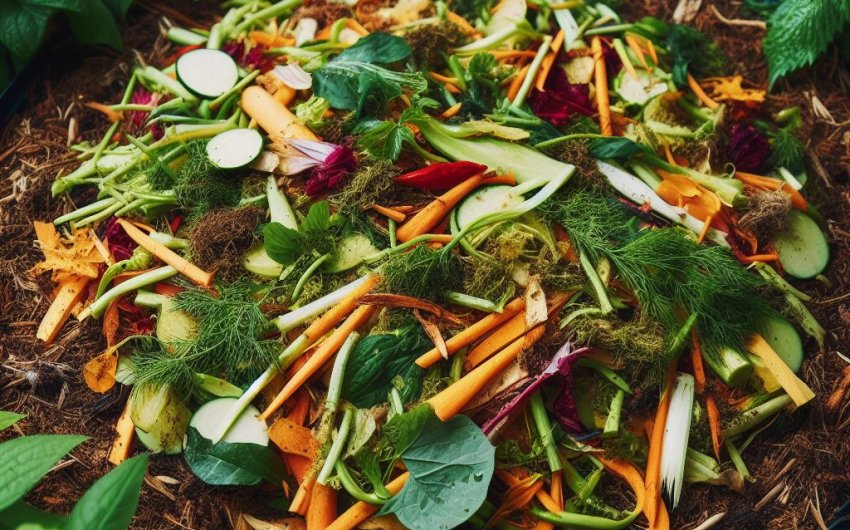
Every gardener knows the routine: you prune a shrub, deadhead a flower, or thin out overcrowded seedlings, and suddenly you have a pile of plant trimmings. For many, these trimmings go straight into the garbage bin or the yard waste pile. But what if those seemingly insignificant bits of green could be transformed into something incredibly valuable for your garden? What if they could actually fuel fertile soil?
The truth is, your plant trimmings are a hidden treasure! Instead of sending them away, you can use them to enrich your garden soil, create nutrient-dense compost, and foster a thriving ecosystem right in your backyard. This guide will explore the many ways your everyday plant trimmings can become a powerful asset, helping you achieve healthier plants, reduce waste, and build truly fertile soil. Get ready to turn your gardening chores into trimming triumphs!
Why Should I Use Plant Trimmings to Fuel My Soil?
It's a win-win for your garden, your wallet, and the planet.
Is It Really Eco-Friendly?
Absolutely! This is the essence of sustainable gardening.
- Reduces Waste: Instead of sending plant trimmings to landfills, where they release methane (a potent greenhouse gas) as they decompose anaerobically (without oxygen), you're keeping them in a beneficial cycle. This directly reduces your household waste output.
- Minimizes Carbon Footprint: By creating your own soil amendments from plant trimmings, you reduce the need to buy bagged compost, mulch, or chemical fertilizers, all of which have associated energy costs for production, packaging, and transportation.
- Closes the Loop: Using plant trimmings to enrich the very soil they grew from creates a natural, closed-loop system, mimicking how nature recycles nutrients in forests and natural ecosystems. This is truly eco-friendly gardening.
Can It Save Me Money?
Yes, big savings over time!
- Free Soil Amendments: Compost and mulch can be expensive to buy in bags. By using your own plant trimmings, you get these valuable soil amendments for free.
- Reduced Fertilizer Needs: Plant trimmings return nutrients to the soil. Over time, this means your garden soil will become more fertile naturally, reducing your reliance on purchased fertilizers.
- Less Water: Organic matter in the soil (from decomposed trimmings) improves water retention, meaning you'll need to water your plants less frequently.
How Does It Create "Fertile Soil"?
This is the magic of organic matter at work.
- Nutrient Cycling: Plant trimmings contain all the nutrients that the plant absorbed from the soil and air. When these trimmings decompose, these nutrients are released back into the soil in a form that plants can easily use, enriching the soil food web.
- Improves Soil Structure: As plant trimmings break down, they create organic matter.
- For sandy soils, organic matter acts like a sponge, improving water and nutrient retention.
- For heavy clay soils, organic matter helps bind soil particles together into aggregates, improving drainage and aeration.
- Feeds Soil Microbes: Plant trimmings are food for beneficial microorganisms (bacteria, fungi, protozoa) and earthworms in the soil. These microbes are essential for breaking down organic matter, making nutrients available to plants, and suppressing soil-borne diseases. A thriving soil food web is the hallmark of fertile soil.
What Kinds of Plant Trimmings Can I Use?
Almost all plant trimmings can be used, but there are a few important exceptions.
Green Trimmings (Nitrogen-Rich)
These are the "greens" for your compost pile.
- Grass Clippings: Fresh grass clippings are an excellent source of nitrogen. Use them in thin layers in your compost pile to avoid creating a matted, anaerobic (smelly) mess.
- Weeds (Seed-Free!): If weeds haven't gone to seed, their green leafy material is valuable. However, if they have seeds, it's safer to avoid composting them unless you know your pile gets hot enough to kill seeds, or dispose of them in municipal yard waste.
- Spent Annuals: After annual flowers or vegetables are done for the season, their green foliage can be added.
- Soft Green Prunings: Small, soft cuttings from shrubs, herbs, or flowers.
- Kitchen Scraps: Vegetable and fruit peels, coffee grounds, tea bags. (While not technically "plant trimmings," they are often added with green yard waste).
Brown Trimmings (Carbon-Rich)
These are the "browns" for your compost pile.
- Dry Leaves: Fallen leaves are a fantastic source of carbon and make excellent mulch and compost. Shredding them first will speed up decomposition.
- Woody Prunings: Small branches, twigs, and woody stems from shrubs or trees. These are best chopped or shredded into smaller pieces using a garden shredder or chipper to accelerate their breakdown.
- Dried Weeds: If weeds are dry and brittle (and seed-free), they can serve as brown material.
- Pine Needles: These are acidic and break down slowly, but can be added in moderation to compost piles or used as mulch around acid-loving plants.
What NOT to Use?
Avoid materials that could cause problems.
- Diseased Plants: Never add diseased plants (e.g., those with powdery mildew, rust, blights) to your compost pile, especially if your pile doesn't consistently reach high temperatures. Disease spores can survive and spread to your garden when you use the finished compost. Bag and dispose of them in municipal yard waste.
- Weeds with Seeds: As mentioned, unless you know your compost pile gets very hot (consistently above 130°F / 54°C), weed seeds can survive the composting process and sprout in your garden.
- Chemically Treated Plants: Avoid any plant material that has been sprayed with persistent herbicides or pesticides. These chemicals can remain active and harm your garden plants when the compost is used.
- Invasive Weeds: Some invasive weeds can regenerate from small pieces of roots or stems. It's safer to avoid composting them.
- Kitchen Scraps (Non-Plant): Avoid meat, bones, dairy, fats, and oily foods, as they can attract pests (rodents, flies) and create foul odors in your compost pile.
What Are the Best Ways to Use Plant Trimmings to Fuel Fertile Soil?
There are several effective methods, each suited to different situations and garden sizes.
1. Composting (The Black Gold Factory)
The most comprehensive way to recycle plant trimmings.
- Process: Composting involves gathering organic matter (your plant trimmings and kitchen scraps), balancing "greens" and "browns", maintaining moisture, and providing aeration (turning). Microorganisms break down the material into rich humus (compost).
- Benefits: Produces nutrient-rich compost that improves soil structure, feeds soil microbes, retains moisture, and suppresses diseases.
- Tools: A compost bin (store-bought or DIY from pallets or wire mesh), a pitchfork or compost aerator.
- How to Use Trimmings:
- Balance: Use plant trimmings to achieve the ideal carbon-to-nitrogen ratio (roughly 2-3 parts browns to 1 part greens by volume). Green trimmings provide nitrogen, woody or dry trimmings provide carbon.
- Chop: Chop larger trimmings (especially woody ones) into smaller pieces (2-6 inches) to speed up decomposition. A garden shredder is invaluable here.
- Layer: Add trimmings in layers with other compost materials.
2. Mulching (The Living Blanket)
Directly apply trimmings to your garden beds.
- Process: Apply a layer of plant trimmings directly onto the soil surface around your plants. This can be shredded leaves, small woody prunings, or even straw (which is a form of dried grass/grain trimming).
- Benefits:
- Weed Suppression: Smothers weeds, reducing competition for water and nutrients.
- Moisture Retention: Reduces water evaporation from the soil, meaning less frequent watering.
- Temperature Moderation: Keeps soil cooler in summer and warmer in winter, protecting roots.
- Nutrient Release: As the mulch slowly decomposes, it releases nutrients back into the soil.
- Feeds Soil Organisms: Provides habitat and food for earthworms and soil microbes.
- How to Use Trimmings:
- Shredding: Shredding woody trimmings into smaller pieces (1-3 inches) makes for better mulch and faster decomposition.
- Layer Thickness: Apply a 2-4 inch layer of mulch, keeping it a few inches away from plant stems and tree trunks to prevent rot.
- Replenish: Mulch will break down over time, so you'll need to replenish it annually.
3. "Chop and Drop" (Passive Composting)
Let nature do the work directly in place.
- Process: This method involves simply chopping plant trimmings and dropping them directly onto the soil surface in your garden beds, around existing plants. It's common in permaculture systems.
- Benefits: Extremely low effort, builds soil organic matter directly where it's needed, provides immediate weed suppression and moisture retention.
- How to Use Trimmings:
- Small Pieces: Use only smaller, softer trimmings that will break down quickly. Avoid large, woody pieces that would take too long or impede growth.
- No Diseased Plants: Absolutely essential to use only healthy, disease-free trimmings for chop and drop.
- Ongoing Process: This is an ongoing process throughout the growing season as you prune and deadhead.
4. Burying (Trench Composting)
Directly amending specific areas.
- Process: Dig a trench or hole in your garden bed (often between rows or in unused areas), bury kitchen scraps and plant trimmings (disease-free!), and cover them with soil.
- Benefits: Directly enriches the soil, provides nutrients to plants as they grow towards the buried material, less visible than a compost pile.
- How to Use Trimmings:
- Small, Biodegradable Materials: Best for soft, quick-to-decompose trimmings and kitchen scraps.
- Placement: Bury materials where roots will eventually reach them, but not so close that decomposition (which initially consumes nitrogen) could harm young plants.
What Are Other Important Considerations?
Maximizing the benefits of your plant trimmings.
Size Matters for Decomposition
Smaller pieces break down faster.
- Shredding: Investing in a garden shredder or wood chipper (for larger branches) can dramatically speed up the decomposition process of woody trimmings, whether for composting or mulching. Even using a lawn mower to chop up dry leaves can make a big difference.
- Increased Surface Area: Smaller pieces have more surface area for microbes to colonize and break down, accelerating the composting or mulching process.
Monitor for Weeds and Diseases
Prevent problems from spreading.
- Vigilance: Always be mindful of the plant trimmings you're using. Never use diseased material or weeds that have gone to seed, as these can easily spread problems back into your garden.
- Hot Composting: If you want to use weed seeds or potentially diseased material (though still generally not recommended), ensure your compost pile consistently reaches high temperatures (above 130-140°F / 54-60°C) for several days, as this is necessary to kill pathogens and seeds. Most home compost piles don't get this hot.
Know Your Soil Needs
A soil test can guide your efforts.
- Tailor Your Additions: While plant trimmings are generally beneficial, a soil test (from your local extension office) can tell you if your soil has any major nutrient deficiencies or pH imbalances. This might influence how much of certain types of trimmings you use (e.g., if your soil is already high in nitrogen, go easy on fresh grass clippings). You can use a soil test kit for a basic idea.
Patience is a Virtue
Nature works on its own timetable.
- Decomposition Takes Time: While some trimmings break down quickly, others (especially woody ones) take months or even a year or more. Embrace the natural process.
- Continuous Improvement: Building truly fertile soil is an ongoing process. Regular addition of plant trimmings and other organic matter will continually improve your garden's health and productivity year after year.
Your everyday plant trimmings are far more valuable than you might think. By embracing composting, mulching, chop and drop, or burying methods, you can turn this regular garden byproduct into a powerful resource that truly fuels fertile soil. These trimming triumphs not only contribute to a healthier, more productive garden but also embody the spirit of sustainable living and responsible gardening. Get ready to see your garden thrive from the inside out!