
Leaf It to Nature: Maximizing Compost Potential with Autumn's Bounty!
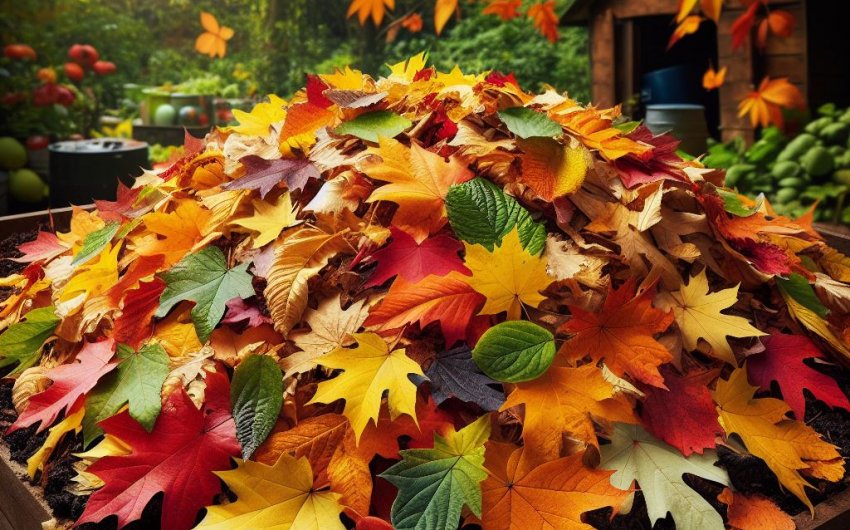
As the days shorten and the air grows crisp, autumn brings a spectacular display of color. But for gardeners, fall also signals the arrival of a massive, free resource: fallen leaves. Instead of raking them into bags for the curb, consider them nature's gift, brimming with untapped potential for your garden. These crispy, colorful treasures are truly the backbone of an amazing compost pile, helping you create nutrient-rich "black gold" to invigorate your soil.
Many homeowners see fallen leaves as a chore, a messy byproduct of the season. However, by embracing the power of autumn's bounty for composting, you can transform a tiresome task into a rewarding step towards a healthier, more sustainable garden. This guide will unravel the benefits of leaves in your compost pile, detail how to use them effectively, and show you how to maximize compost potential by letting nature do what it does best.
Why Are Fallen Leaves So Valuable for Composting?
Leaves are a powerhouse ingredient that every composter should covet.
What Makes Leaves a "Brown" Material?
Understanding their composition is key.
- Carbon-Rich: Fallen leaves are primarily composed of cellulose and lignin, complex carbohydrates that are rich in carbon. In the world of composting, carbon-rich materials are known as "browns". They provide the energy source for the microorganisms that break down organic matter.
- Ideal Carbon-to-Nitrogen Ratio: When leaves fall, most of their nitrogen has already been reabsorbed by the tree. This gives them a high carbon-to-nitrogen (C:N) ratio (typically 40-80:1), making them a perfect complement to nitrogen-rich "greens" (like grass clippings or kitchen scraps) to achieve the ideal compost ratio (around 25-30:1).
- Abundant and Free: They are arguably the most abundant, seasonally available, and completely free carbon source for most homeowners, making them a cornerstone of budget-friendly composting.
How Do Leaves Improve Soil Structure and Health?
Beyond just carbon, leaves do wonders for your soil.
- Create Humus: As leaves break down, they eventually form humus, the stable, dark, spongy fraction of organic matter in soil. Humus is critical for soil fertility.
- Improves Soil Structure:
- For sandy soils, humus increases water and nutrient retention, making the soil more productive.
- For heavy clay soils, humus helps aggregate (clump) soil particles, improving drainage and aeration, making the soil less compacted and easier to work.
- Feeds Soil Microbes: Leaves are a primary food source for a vast array of beneficial soil microbes (bacteria, fungi, protozoa) and earthworms. These organisms are the backbone of a healthy soil food web, breaking down nutrients into forms plants can use and suppressing diseases.
- Buffers pH: The decomposition of leaves can help buffer soil pH, moving it towards a more neutral range that is ideal for most garden plants.
What Are the Best Ways to Use Leaves for Composting?
There are several effective strategies, depending on your goals and resources.
1. Traditional Hot Composting (The Fastest Method)
Integrate leaves into your active compost pile.
- The Carbon Component: Leaves are your primary "brown" material. Collect them throughout autumn and store them (e.g., in leaf bags or a dedicated bin) to have a ready supply all year.
- The Golden Ratio: When building a hot compost pile, aim for layers of 2-3 parts browns (shredded leaves, straw) to 1 part greens (kitchen scraps, fresh grass clippings). This balances the carbon and nitrogen for optimal microbial activity and heat generation.
- Shredding is Key: While whole leaves will eventually break down, shredding them (using a lawn mower, leaf shredder, or even a leaf blower with a vacuum/mulch setting) significantly increases their surface area, speeding up the composting process dramatically. This is crucial for achieving high temperatures. A good leaf shredder or leaf vacuum mulcher can save a lot of time.
- Moisture and Aeration: Ensure your compost pile is consistently moist (like a wrung-out sponge) and turn it regularly to introduce oxygen. The shredded leaves help create good aeration.
2. Leaf Mold (The Slow Cooker of Compost)
A simple, hands-off method for superior soil amendment.
- Process: Leaf mold is simply decomposed leaves. It's not technically compost (which needs a balance of browns/greens to heat up), but rather a product of fungal decomposition. It's incredibly beneficial for soil structure and water retention.
- Benefits:
- Unmatched Soil Conditioner: Leaf mold improves soil structure more effectively than regular compost in some ways. It has a high water-holding capacity (absorbing up to 500 times its weight in water) and adds beneficial fungi to the soil.
- Weed Suppression: Makes excellent weed-suppressing mulch.
- Less Effort: Requires minimal effort. Just collect and contain the leaves.
- How to Make It:
- Container: Create a simple bin out of chicken wire, hardware cloth, or even just a designated pile.
- Fill with Leaves: Fill the bin with fallen leaves. Shredding the leaves first will dramatically speed up the process (from 1-2 years to 6-12 months).
- Moisture: Keep the pile moist throughout the year.
- Patience: Let nature take its course. It can take 6 months to 2 years to fully break down into rich, crumbly leaf mold.
3. Direct Soil Incorporation (Dig It In!)
Burying leaves for direct soil enrichment.
- Process: Instead of creating a separate compost pile, you can directly incorporate fallen leaves into your garden beds.
- How to Do It:
- Till In: In fall, after harvesting annuals, spread a thick layer of shredded leaves over your empty garden beds and lightly till them into the top few inches of soil.
- Trench Composting: Dig a trench or hole between rows of plants or in unused areas and bury layers of shredded leaves along with kitchen scraps. Cover with soil.
- Benefits: Directly adds organic matter and nutrients to the garden soil where they are needed, improving structure and feeding soil microbes.
- Considerations: Only use this method with shredded, healthy leaves. Avoid whole leaves in heavy layers, as they can mat together and restrict oxygen, becoming anaerobic.
4. As a Mulch (The Protective Blanket)
Covering your garden beds with leaves.
- Process: Apply a 2-6 inch layer of shredded or whole (but preferably shredded) leaves directly onto the soil surface around your existing plants in garden beds, perennial beds, or around trees and shrubs.
- Benefits:
- Weed Suppression: Smothers weeds, reducing competition and the need for weeding.
- Moisture Retention: Drastically reduces water evaporation from the soil, meaning less frequent watering for your plants.
- Temperature Regulation: Insulates the soil, keeping it warmer in winter and cooler in summer.
- Slow Nutrient Release: As the leaves slowly break down, they release nutrients back into the soil, acting as a slow-release natural fertilizer.
- Feeds Soil Organisms: Provides habitat and food for earthworms and other beneficial soil organisms.
- Considerations: Ensure leaves are free of disease. For some plants, very thick layers of whole leaves can become a soggy mat. Shredding is always better for mulching.
What Are Essential Tips for Maximizing Leaf Compost Potential?
A few key practices will ensure you get the most out of autumn's bounty.
1. Shred Your Leaves!
This is the golden rule for leaves in compost.
- Why? Whole leaves have a large surface area but a waxy cuticle that makes them slow to break down. They also tend to mat together, creating anaerobic pockets in the compost pile that hinder decomposition and cause odors.
- How?
- Lawn Mower: The easiest way! Rake leaves into a pile on your lawn, then run over them repeatedly with your lawn mower. A mulching mower is even better, as it bags them already shredded.
- Leaf Shredder/Mulcher: A dedicated leaf shredder (often combined with a leaf blower/vacuum) is highly efficient for large quantities.
- Leaf Blower with Vacuum Kit: Many leaf blowers come with a vacuum attachment that also mulches leaves as they are sucked up.
- Benefits: Shredded leaves break down much faster, prevent matting, and increase aeration in your compost pile.
2. Store Extra Leaves
Don't let them all go to waste!
- Carbon Bank: Collect and store excess shredded leaves in large breathable bags (like burlap or old feed sacks), or in a simple wire mesh bin.
- Year-Round Browns: This gives you a ready supply of "brown" material to add to your compost pile throughout the year, whenever you have a surplus of "greens" (like kitchen scraps or grass clippings). This helps maintain that ideal carbon-to-nitrogen balance.
3. Ensure a Diverse Mix
Leaves are great, but variety is better.
- Mix Leaf Types: Different types of leaves have slightly different compositions. A mix of oak, maple, birch, etc., is better than just one kind.
- Combine with Greens: Remember, leaves are "browns." They need to be mixed with "greens" (food scraps, grass clippings, fresh plant trimmings, coffee grounds) and a consistent moisture level to heat up and break down efficiently.
- Other Browns: Supplement with other browns like shredded newspaper, cardboard (torn into small pieces), or straw for even better diversity in your compost pile.
4. Monitor Moisture and Turn
Essential for active composting.
- Moisture: Your compost pile should be damp like a wrung-out sponge. If it's too dry, add water as you turn. If it's too wet, add more dry leaves or other browns and turn more frequently.
- Turning: Regular turning (every few days to once a week for hot composting) aerates the pile, mixes ingredients, and speeds up decomposition. Use a compost aerator or a pitchfork.
Autumn's bounty of fallen leaves is an incredible, often underutilized, resource for any gardener. By transforming these simple plant trimmings into rich compost or valuable mulch, you're not just reducing waste; you're actively fueling fertile soil, nurturing a thriving soil ecosystem, and contributing to a healthier, more sustainable garden. So, instead of bagging them up this fall, leaf it to nature and unleash the true compost potential of those magnificent leaves!