
Coral Bells: Understated Elegance in Your Garden
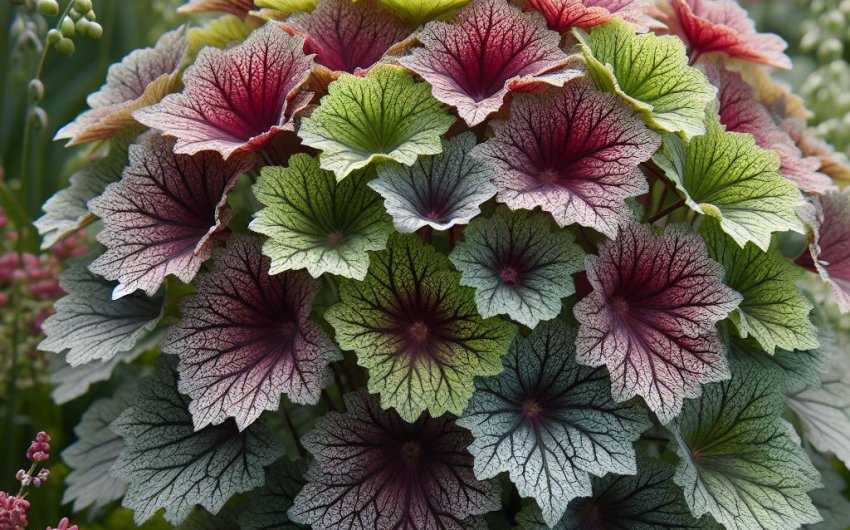
Gardeners seeking a continuous splash of vibrant color and texture in their landscape, particularly in shaded areas, will discover Coral Bells to be a perennial powerhouse, offering understated elegance in their garden. These captivating plants, belonging to the Heuchera genus, are primarily cherished for their incredibly diverse and often brightly colored foliage, which ranges from lime green and amber to deep purple and nearly black, providing year-round visual interest long after their delicate flower spikes have faded. Their adaptability and charming presence truly embody a subtle sophistication.
What Exactly is a Coral Bells Plant?
A Coral Bells plant refers to various species and countless cultivars within the Heuchera genus, part of the Saxifragaceae family. These are highly popular and versatile herbaceous perennials cherished primarily for their stunning, colorful, and often evergreen foliage that brings an immediate sense of understated elegance in your garden. While they do produce delicate flower spikes, it's the incredible diversity of their leaves that makes them a favorite among gardeners seeking long-lasting visual interest, even in shadier spots.
Here's a deeper look at what a Coral Bells plant is:
- Botanical Classification:
- Genus: Heuchera (named after Johann Heinrich von Heucher, an 18th-century German botanist and physician)
- Family: Saxifragaceae
- Common Names: Coral Bells, Alumroot (referring to the astringent taste of the roots, traditionally used medicinally).
- Origin and Native Range:
- North American Native: All Heuchera species are native to various regions of North America, where they grow in diverse habitats ranging from woodlands and shaded rocky outcroppings to prairies. This wide native range has given rise to their remarkable adaptability.
- Growth Habit:
- Evergreen/Semi-Evergreen Perennial: Most Coral Bells are evergreen or semi-evergreen perennials, meaning their foliage persists through winter in many climates, providing year-round visual interest.
- Mounding Clump: They form a neat, compact mound (or clump) of basal foliage, from which slender flower stalks emerge.
- Crown: New growth typically emerges from a central woody crown that can sometimes push upwards over time.
- Foliage (The Main Attraction):
- Incredible Diversity: This is the plant's hallmark. Leaves come in an astonishing array of colors, patterns, and textures:
- Colors: Lime green, chartreuse, amber, peach, caramel, deep red, burgundy, chocolate-brown, plum, nearly black, and various shades of silver and gray.
- Patterns: Often feature contrasting veining (e.g., dark veins on lime green leaves), speckles, mottling, or frosted overlays.
- Texture/Shape: Leaves can be round, lobed, ruffled, crinkled, or deeply cut, adding further interest.
- Basal Rosette: Leaves grow in tight rosettes directly from the base of the plant, creating a dense, colorful groundcover effect.
- Incredible Diversity: This is the plant's hallmark. Leaves come in an astonishing array of colors, patterns, and textures:
- Flowers:
- Delicate Spikes: In late spring to mid-summer, tall, slender, wiry stalks emerge above the foliage, bearing airy clusters of tiny, bell-shaped (hence "Coral Bells") flowers.
- Color: Flowers are typically pink, coral, red, white, or green. While delicate, they can be quite numerous.
- Pollinator Attraction: The small flowers are highly attractive to hummingbirds and bees.
- Hardiness:
- Very cold hardy, typically thriving in USDA Zones 4-9, making them suitable for a wide range of climates.
- Toxicity:
- Considered non-toxic to humans and pets, although the roots were historically used for medicinal purposes.
In summary, a Coral Bells plant is a celebrated North American herbaceous perennial, admired primarily for its stunning and diverse evergreen foliage that comes in an astonishing array of colors and textures, bringing a consistent sense of understated elegance in your garden throughout the year.
Why Are Coral Bells a Garden Designer's Dream?
Coral Bells have become an indispensable favorite for garden designers, earning their reputation as a true workhorse perennial that consistently delivers understated elegance in your garden. Their unique combination of vibrant, long-lasting foliage, adaptability to various conditions, and ease of care makes them an unparalleled choice for creating texture, color, and visual interest in almost any garden style.
Here's why Coral Bells are a garden designer's dream:
- Year-Round Color and Texture from Foliage:
- Evergreen Appeal: This is their most significant design asset. Many Coral Bells cultivars are evergreen or semi-evergreen, meaning their stunning leaves persist through winter in many climates. This provides crucial winter interest and continuous color when most other plants are dormant.
- Unmatched Color Palette: The sheer diversity of foliage colors is unmatched. Garden designers can choose from electric lime green, vibrant amber, peach, caramel, rich coppery hues, deep burgundy, chocolate-brown, plum, almost black, and sophisticated silvers and grays, often with contrasting veining or unique patterns.
- Textural Variety: Beyond color, their leaves come in various shapes (round, lobed, ruffled, deeply cut) and textures (smooth, crinkled, glossy, matte), adding a fascinating tactile dimension.
- Versatility in Light Conditions:
- Shade Solutions: While many boast vibrant colors, Coral Bells thrive in partial shade to full shade, making them invaluable for brightening up typically dark or challenging areas under trees, along shaded borders, or on the north side of buildings.
- Sun Tolerance (with caution): Many newer cultivars can also tolerate more sun in cooler climates or if provided with consistent moisture, expanding their placement options.
- Low-Growing, Mounding Form:
- Tidy Habit: They form neat, compact mounds of foliage, making them ideal for creating tidy edges, filling gaps, or providing a clean base layer in perennial borders.
- Groundcover: When planted en masse, they create a stunning, continuous carpet of color.
- Complementary Flower Spikes:
- While the foliage is the star, the delicate, airy spikes of tiny bell-shaped flowers (pink, coral, red, white, or green) provide a charming accent in late spring to mid-summer. They float like tiny clouds above the foliage, adding softness and attracting hummingbirds.
- Hardiness and Resilience:
- Cold Hardy: Extremely cold hardy (USDA Zones 4-9), allowing them to survive harsh winters.
- Deer and Rabbit Resistant: Generally unpalatable to these common garden nuisances.
- Relatively Pest/Disease Free: With proper drainage, they are quite robust.
- Excellent for Edging and Borders:
- Their mounding habit and consistent color make them perfect for edging pathways, defining garden beds, or creating a strong visual line in a border.
- Containers and Front of Border:
- Ideal for containers on shaded patios, window boxes, or as focal points in the front of perennial borders, where their intricate foliage can be admired up close.
- Their ability to cascade slightly makes them beautiful "spillers" in mixed container arrangements.
- Pairing and Companion Planting:
- They are exceptional partners for other shade-loving plants, providing vital contrast:
- Hostas: The bold, often variegated leaves of hostas contrast beautifully with Heuchera's finer texture and diverse colors.
- Ferns: Complement the texture and woodland feel.
- Astilbe: Their feathery plumes rise above Heuchera's mounding form, adding vertical interest.
- Hellebores: Provide early spring interest before Heuchera fully emerges.
- Impatiens/Begonias: For summer annual color alongside Heuchera's perennial foliage.
- They are exceptional partners for other shade-loving plants, providing vital contrast:
The unbeatable combination of its year-round, intensely colorful foliage, adaptable nature, and graceful form makes Coral Bells a true garden designer's dream, effortlessly bringing consistent understated elegance to your garden with every single leaf.
What Are the Ideal Growing Conditions for Coral Bells?
To truly unlock the vibrant colors and ensure your Coral Bells deliver their full understated elegance in your garden, providing their ideal growing conditions is paramount. While Heuchera are known for their adaptability, catering to their specific preferences for light, soil, and moisture will result in healthier, more vigorous plants with consistently stunning foliage.
Here are the ideal growing conditions for Coral Bells:
- Sunlight:
- Partial Shade is Ideal: Coral Bells thrive in partial shade, which means they should receive 3-6 hours of direct sunlight, ideally morning sun, and be protected from the intense heat and scorching rays of afternoon sun. This is where their foliage colors often develop best and remain vibrant without fading or burning.
- Full Shade: They will tolerate full shade, but their foliage colors might be less intense, and flowering will be sparse.
- Full Sun (with Caution): Many newer cultivars can tolerate full sun in cooler climates or if provided with consistently moist soil. However, in hot climates, full sun will stress the plant, causing leaves to scorch, fade, or become dull, and reducing overall vigor. Darker-leaved varieties tend to handle more sun than lime green or yellow types.
- Soil:
- Rich, Organic, and Well-Drained: Coral Bells prefer soil that is rich in organic matter, such as well-rotted compost (garden compost), leaf mold, or aged manure. This provides a steady supply of nutrients and enhances soil structure.
- Excellent Drainage (Critical!): Crucially, the soil must be exceptionally well-drained. Coral Bells are highly susceptible to crown rot and root rot if left in consistently soggy or waterlogged conditions, especially during winter dormancy.
- pH: They are adaptable to a wide range of soil pH, from slightly acidic to neutral (pH 6.0-7.0), but often tolerate slightly alkaline conditions. A soil pH meter can help assess your soil.
- Avoid: Heavy, compacted clay soils that retain too much water need significant amendment with organic matter and grit to improve drainage.
- Water:
- Consistent Moisture: During their active growing season (spring through fall), Coral Bells prefer consistent moisture. The soil should remain evenly moist but not waterlogged.
- Deep Watering: Water deeply and regularly, especially during dry spells and in warmer climates or sunnier exposures.
- Drought Tolerance (Limited): While established plants can handle short periods of drought, they will look stressed and perform poorly without consistent moisture.
- Mulch: A 2-3 inch layer of organic mulch (like shredded leaves or bark) around the base of the plant is highly beneficial. It helps retain soil moisture, keeps the shallow crowns cool, and suppresses weeds.
- Temperature and Hardiness:
- Cold Hardiness: Coral Bells are very cold hardy, typically thriving in USDA Zones 4-9. They are well-suited for regions with cold winters and often maintain their foliage year-round.
- Heat Tolerance: They tolerate summer heat best when grown in partial shade and with consistent moisture.
- Air Circulation:
- Good air circulation around the plants helps prevent any potential fungal issues, especially if the foliage is dense.
By carefully providing these conditions – a balance of partial shade, rich and consistently moist but well-draining soil, and regular watering – your Coral Bells will flourish, rewarding your efforts with a continuous display of vibrant, colorful foliage, ensuring its full understated elegance in your garden season after season.
How Do You Plant Coral Bells for Long-Lasting Beauty?
Planting Coral Bells correctly is the foundational step to cultivating these captivating perennials and ensuring they bring their full understated elegance to your garden for many years. While they are resilient, a thoughtful approach at planting time will foster strong root development and vibrant, long-lasting foliage, setting them up for enduring beauty.
Here’s a step-by-step guide on how to plant Coral Bells for long-lasting beauty:
Step 1: Choose the Right Time
- Ideal Time: The best time to plant Coral Bells is in spring after the last frost has passed and the soil has warmed, or in early fall (giving it at least 6-8 weeks to establish roots before the ground freezes).
- Why: These cooler seasons reduce transplant shock and allow the plant to develop its root system before facing the extremes of summer heat or winter cold.
Step 2: Select the Perfect Location
- Sunlight: Choose a spot with partial shade (3-6 hours of morning sun, protected from harsh afternoon sun) to full shade. This is where their vibrant foliage colors are often best maintained without scorching.
- Soil Drainage and Moisture: Crucially, select a site with naturally well-draining soil that can also retain consistent moisture. Avoid areas that become waterlogged or bone dry.
- Space: Consider the mature size of your chosen Coral Bells cultivar (typically 1-2 feet tall and wide). Space plants about 12-18 inches apart to allow for good air circulation and prevent overcrowding.
Step 3: Prepare the Soil
- Amend Generously with Organic Matter: Dig a wide and deep planting area (e.g., 1 foot deep and 18-24 inches in diameter for a single plant). Incorporate ample amounts of organic matter, such as well-rotted compost (garden compost), leaf mold, or aged manure.
- Why: Organic matter improves soil structure, enhances drainage, and increases moisture retention, while also providing slow-release nutrients. This is vital for Coral Bells.
- Adjust pH (If Needed): Coral Bells prefer slightly acidic to neutral soil (pH 6.0-7.0). A soil pH meter can help determine if adjustments are needed.
- Weed Removal: Thoroughly remove all weeds and grass from the planting area.
Step 4: Plant the Coral Bells
- Prepare the Plant: Gently remove the Coral Bells from its nursery container. If the roots are tightly circling the root ball, carefully tease them apart with your fingers or make a few shallow vertical cuts to encourage outward growth.
- Dig the Hole: Dig a planting hole that is twice as wide as the plant's root ball and just as deep.
- Crucial Planting Depth: This is very important for Coral Bells. Plant the Heuchera so that the crown of the plant (where the leaves emerge) is exactly at, or slightly above, the surrounding soil surface. Planting too deep is a common mistake and a primary cause of crown rot.
- Place the Plant: Center the Coral Bells in the hole.
- Backfill: Fill the hole with the prepared soil, gently tamping it down to remove large air pockets.
- Water In: Water the plant thoroughly after backfilling to settle the soil around the roots.
Step 5: Essential Aftercare
- Mulch: Apply a 2-3 inch layer of organic mulch (e.g., shredded leaves, aged bark, or wood chips) around the base of the plant, keeping it a few inches away from the crown.
- Benefits: Mulch helps retain soil moisture, keeps the shallow crowns cool, suppresses weeds, and adds organic matter as it decomposes.
- Consistent Watering (First Year): For the entire first growing season, provide Coral Bells with consistent, deep watering. The soil should remain moist but not soggy. This is vital for establishment.
- No Fertilizer (First Year): If you've amended the soil with compost, a newly planted Coral Bells typically won't need additional fertilizer in its first year.
- Pest and Disease Monitoring: While generally resistant, keep an eye on new plants for any signs of stress.
By meticulously following these planting steps, your Coral Bells will establish a strong foundation, allowing them to flourish into a stunning display of vibrant, long-lasting foliage, ensuring their full understated elegance in your garden for many seasons to come.
How Do You Care for Coral Bells During the Growing Season?
Caring for Coral Bells during their active growing season is relatively simple, reflecting their robust and low-maintenance nature. These enduring perennials are designed to thrive with minimal fuss, consistently delivering understated elegance in your garden through their vibrant foliage. A few key care practices will ensure healthy growth and a continuous display of their stunning leaves.
Here’s how to care for Coral Bells during the growing season:
- Watering:
- Consistent Moisture: Coral Bells prefer consistent moisture throughout their active growing season (spring through fall). The soil should remain evenly moist but not soggy.
- Deep Watering: Water deeply and regularly, especially during dry spells and in warmer climates or sunnier exposures. Allow the top inch or two of soil to dry out slightly before watering again.
- Drought Tolerance (Limited): While established plants can handle short periods of drought, they will look stressed and perform poorly without consistent moisture. Their leaves may scorch or wilt.
- Avoid Overwatering: Critical. Overwatering, especially combined with poor drainage, is the primary cause of crown rot. Use a soil moisture meter to accurately gauge watering needs.
- Mulch's Role: Maintain a 2-3 inch layer of organic mulch (shredded leaves, aged bark, compost) around the base of the plant. This is crucial for retaining soil moisture, keeping roots cool, and suppressing weeds.
- Fertilization (Sparingly):
- Light Feeders: Coral Bells are not heavy feeders. If your soil is rich in organic matter (from compost amendments), they may need very little supplemental fertilizer.
- Timing: A light application of a balanced, slow-release granular fertilizer (slow release fertilizer for perennials) or a handful of compost in early spring as new growth emerges is usually sufficient.
- Avoid Over-Fertilizing: Too much nitrogen can lead to excessive foliage at the expense of root health and can make plants more susceptible to crown rot.
- Deadheading (Flowers):
- For Aesthetics: While the foliage is the star, you can deadhead spent flower spikes by snipping them back to the base of the plant. This tidies up the plant and directs its energy into producing more beautiful leaves rather than setting seed.
- Attract Hummingbirds: If you primarily grow Coral Bells to attract hummingbirds, you may choose to leave the flowers on.
- Foliage Maintenance:
- Remove Damaged Leaves: Throughout the season, remove any yellowed, browned, or damaged leaves to maintain a tidy appearance and reduce potential disease sources.
- Trim if Leggy: If flower stalks become overly leggy or flop, they can be trimmed.
- Pest and Disease Control:
- Generally Resistant: Coral Bells are quite robust when grown in their ideal conditions.
- Crown Rot: The most significant disease risk, caused by overwatering and poor drainage. Prevention (excellent drainage, correct planting depth) is key.
- Root Weevils: Larvae can feed on roots, causing wilting and decline. Adult weevils chew notches on leaf edges.
- Slugs and Snails: Occasionally feed on leaves, especially new growth, in damp conditions. Hand-pick or use organic baits.
- Powdery Mildew: Can occur in very humid, stagnant conditions. Improve air circulation.
- Foliage Discoloration: Can be a sign of improper light (scorching in too much sun, dullness in too much shade) or a watering issue.
- Division (Every Few Years):
- Over time, the woody crown of older Coral Bells can push up above the soil line, making the plant look leggy or less vigorous. Every 3-5 years, in spring or early fall, divide the plant. Dig it up, cut away the old woody center, and replant the healthier, outer sections of the crown deeper in the soil.
By consistently managing watering, providing light fertilization, and performing minimal foliage maintenance, your Coral Bells will maintain their vibrant, stunning leaves, ensuring their delightful understated elegance in your garden throughout the entire growing season and beyond.
How Do You Prepare Coral Bells for Winter?
Preparing Coral Bells (Heuchera) for winter is a relatively simple task, largely due to their inherent hardiness and often evergreen nature. As resilient perennials, they are well-equipped to handle cold temperatures. A few straightforward steps ensure their successful overwintering and vibrant return (or continuous display) in spring, maintaining their understated elegance in your garden.
Here’s how to prepare Coral Bells for winter:
- Late Fall Watering (Crucial for Winter Hydration):
- Before the ground freezes solid in late autumn, ensure your Coral Bells receive a deep, thorough watering.
- Why: As most varieties are evergreen or semi-evergreen, their foliage continues to lose moisture to winter winds and sun (winter desiccation). A well-hydrated plant is much more resilient to cold and dryness.
- Avoid: Do not water immediately before a hard freeze if the soil is already saturated, as this could promote crown rot. Water when the soil is dry but not frozen.
- Foliage Management (Minimal Pruning):
- Leave Healthy Foliage: For evergreen or semi-evergreen varieties, leave any healthy, green foliage intact. These leaves provide natural protection and help the plant maintain some winter interest.
- Remove Damaged Leaves: Cut away any leaves that are clearly yellowing, browning, diseased, or otherwise tattered from the growing season. Use clean, sharp pruning shears (garden pruning shears).
- Timing: This light cleanup is best done in late fall or in early spring as new growth begins.
- Mulching (Highly Recommended for Crown Protection):
- Insulation: Apply a 2-4 inch layer of organic mulch around the base of the plant. This is especially important for protecting the crown.
- Material: Use shredded leaves, pine needles, or aged bark.
- Timing: Apply the mulch in late fall, after the ground has frozen lightly. This ensures the plant is fully dormant and prevents the mulch from becoming a warm haven for rodents to nest in.
- Benefits:
- Insulates the Crown: Protects the shallow crown (where new growth emerges in spring, and which can heave out of the ground) from extreme cold.
- Prevents Frost Heave: Moderates soil temperature fluctuations, preventing "frost heave."
- Retains Moisture: Helps the soil retain moisture, important even in winter.
- Caution: Keep mulch a few inches away from the very center of the crown to prevent moisture buildup and potential rot, especially in very wet winters.
- No Fall Fertilization:
- Avoid fertilizing Coral Bells in late summer or fall. This encourages tender new growth that will be easily damaged by frost, depleting energy reserves and making the plant less winter-hardy. Stop fertilizing by mid-summer at the latest.
- Division (If Crown is Heaved):
- If you notice that the woody crown of your Coral Bells has significantly "heaved" out of the ground (pushed up by frost heave), it's a good idea to gently push it back down or even consider dividing and replanting in early spring to re-establish the crown at the correct level.
- Potted Coral Bells:
- If you're growing Coral Bells in containers in cold zones, they are more vulnerable to freezing than in-ground plants.
- Protection Options:
- Move pots into an unheated garage, shed, or sheltered porch where temperatures stay just above freezing.
- Bury the pots in the ground in a sheltered spot, covering the soil surface with mulch for insulation.
- Ensure pots have excellent drainage so they don't become waterlogged and freeze solid.
By following these simple yet effective steps, your Coral Bells will be well-prepared to endure the winter months, safeguarding their resilience and ensuring their charming return with vibrant foliage (or continuous display), maintaining their understated elegance in your garden every year.
What Are Common Pests and Diseases of Coral Bells?
While Coral Bells (Heuchera) are generally quite robust and low-maintenance, lending understated elegance to your garden, they are not entirely immune to all pests and diseases. Being aware of the most common issues and knowing how to address them helps preserve their vibrant foliage and ensures your plants remain healthy and beautiful throughout the seasons.
Here are some common pests and diseases of Coral Bells:
Common Pests:
- Root Weevils:
- Problem: This is one of the most common and damaging pests for Coral Bells. The larvae (grubs) of root weevils feed on the plant's roots and crown, while the adults (small, dark, flightless beetles) chew distinctive, crescent-shaped notches out of the leaf margins.
- Damage: Larval root feeding causes the plant to wilt, look stunted, and eventually collapse, mimicking drought stress. Adult feeding is mostly aesthetic.
- Solution: For adult weevils, hand-pick at night (they are nocturnal). For larvae, beneficial nematodes (beneficial nematodes for root weevil) can be applied to the soil. Severely infested plants may need to be removed.
- Prevention: Maintain plant vigor. Good sanitation.
- Slugs and Snails:
- Problem: These mollusks feed on tender leaves, especially in damp conditions, leaving irregular holes and shiny slime trails.
- Damage: Primarily aesthetic, but can be significant on new or young plants.
- Solution: Hand-pick at dusk or after rain. Use beer traps. Apply organic slug bait (organic slug bait) containing iron phosphate.
- Aphids:
- Problem: Small, soft-bodied insects, often green, found clustered on new growth or flower stalks.
- Damage: Suck sap, causing distorted new leaves, yellowing, and sticky honeydew.
- Solution: Blast with a strong jet of water. Use insecticidal soap (organic insecticidal soap) or neem oil (neem oil for plants). Encourage beneficial insects.
- Mealybugs:
- Problem: Small, white, cottony insects often found in leaf axils or on undersides of leaves.
- Damage: Suck sap, causing yellowing, distortion, and sticky honeydew.
- Solution: Dab with an alcohol-soaked cotton swab. Use insecticidal soap or neem oil.
Common Diseases:
- Crown Rot:
- Problem: This is the most significant disease risk for Coral Bells. The crown (base of the plant) becomes soft, mushy, and discolored (brown/black), leading to wilting, yellowing, and eventual plant death, even when the soil is wet.
- Cause: Fungi (Sclerotium rolfsii, Phytophthora) that thrive in overwatered, poorly drained soil, especially if planted too deeply or mulched too heavily against the crown.
- Damage: Often fatal and can spread.
- Solution: Very difficult to treat once advanced. For early signs, carefully dig up, trim off rotted parts, allow to dry, and replant in much better-draining soil at the correct depth.
- Prevention: Crucial. Ensure excellent soil drainage at planting. Plant with the crown at or slightly above soil level. Avoid overwatering. Space plants for good air circulation.
- Powdery Mildew:
- Problem: White, powdery patches on the surface of leaves, especially on older leaves or in overly humid, stagnant conditions.
- Cause: Fungal disease. Some varieties are more susceptible than others.
- Damage: Aesthetically unappealing, can weaken plants.
- Solution: Improve air circulation (proper spacing). Prune off affected leaves. Spray with potassium bicarbonate (potassium bicarbonate fungicide) or neem oil.
- Prevention: Choose resistant varieties. Water at the base.
- Rusts:
- Problem: Small, raised orange, yellow, or reddish-brown powdery pustules on the undersides of leaves. Yellow spots appear on the upper surface.
- Cause: Fungal disease, favored by moisture and moderate temperatures.
- Damage: Weakens plants, causes premature leaf drop.
- Solution: Remove and destroy affected leaves. Improve air circulation. Use sulfur or copper-based organic fungicides.
- Prevention: Good sanitation, resistant varieties.
- Leaf Spot Fungi:
- Problem: Various fungal diseases can cause brown, black, or purple spots on leaves.
- Cause: Favored by prolonged leaf wetness and high humidity.
- Damage: Mostly aesthetic.
- Solution: Remove affected leaves. Improve air circulation. Water at the base. Organic fungicides if severe.
By regularly inspecting your Coral Bells and, most importantly, by prioritizing excellent drainage and appropriate watering, you can effectively manage these pests and diseases, ensuring your plants continue to provide their delightful understated elegance in your garden year after year.
How Can Coral Bells Enhance Your Garden Design?
The captivating beauty and versatile nature of Coral Bells make them an exceptional plant for dramatically enhancing your garden design, bringing a distinct touch of understated elegance and continuous color to various settings. Their unique form, diverse foliage, and adaptability allow for creative placements that maximize visual impact, transforming ordinary spaces into dynamic, textured havens throughout the year.
Here's how Coral Bells can enhance your garden design:
- Providing Year-Round Color and Texture from Foliage:
- Evergreen Anchor: This is their primary design superpower. Many Coral Bells cultivars are evergreen or semi-evergreen, meaning their stunning leaves persist through winter in many climates. This provides crucial winter interest and continuous color and texture when most other plants are dormant, acting as a reliable anchor in your garden beds.
- Unmatched Color Palette: The sheer diversity of foliage colors is unparalleled. Garden designers can choose from electric lime green, vibrant amber, peach, caramel, rich coppery hues, deep burgundy, chocolate-brown, plum, almost black, and sophisticated silvers and grays, often with contrasting veining or unique patterns. This allows for endless creative expression.
- Textural Richness: Beyond color, their leaves come in various shapes (round, lobed, ruffled, deeply cut) and textures (smooth, crinkled, glossy, matte), adding fascinating tactile and visual depth.
- Vibrant Solutions for Shade Gardens:
- Shade Brightener: Coral Bells truly excel in partial shade to full shade. Their vibrant foliage provides much-needed color and light to dark corners under trees, along shaded borders, or on the north side of buildings where many flowers struggle. They prevent shade gardens from feeling dull.
- Dynamic Underplanting: They create a stunning, living carpet under larger shade-loving trees and shrubs.
- Creating Edges, Borders, and Pathways:
- Tidy Form: Their neat, compact, mounding habit makes them ideal for creating tidy edges and defining borders along pathways or garden beds. They offer a clean line of consistent color.
- Softening Hardscaping: They can cascade gently over the edges of retaining walls, stone steps, or patio planters, softening the hard lines of concrete or masonry with their delicate foliage.
- Exceptional for Containers and Front-of-Border:
- Portable Design: Coral Bells are superb in containers (outdoor plant pots) on shaded patios, porches, or window boxes. Their colorful foliage is effective from a distance and up close. They also make fantastic "spillers" in mixed container arrangements.
- Focal Point: Their intricate leaves are perfect for focal points at the front of perennial borders, where their details can be admired.
- Versatility in Design Styles:
- Modern: Their bold, often solid foliage colors fit well into contemporary and minimalist designs.
- Cottage/Traditional: Their classic forms and delicate flowers are at home in more traditional or cottage-style gardens.
- Woodland: Perfectly suited for naturalistic woodland settings.
- Attracting Hummingbirds:
- While the foliage is the main draw, the delicate flower spikes of many varieties are a magnet for hummingbirds, adding dynamic wildlife interest to your garden design.
- Companion Planting for Layered Beauty:
- Coral Bells are exceptional partners for other shade-loving plants, providing vital contrast and texture:
- Hostas: The bold, often variegated leaves of hostas provide a striking backdrop to Heuchera's finer texture and diverse colors.
- Ferns: Complement the lacy texture and woodland feel.
- Astilbe: Their feathery plumes rise above Heuchera's mounding form, adding vertical interest and contrasting bloom forms.
- Hellebores: Provide early spring interest and complementary evergreen foliage.
- Impatiens/Begonias: For summer annual color alongside Heuchera's perennial foliage.
- Grasses (shade tolerant): Offer fine texture contrast.
- Coral Bells are exceptional partners for other shade-loving plants, providing vital contrast and texture:
By thoughtfully incorporating Coral Bells into your garden design, you can harness their incredible versatility, robust health, and undeniable beauty to create truly captivating spaces. Their unique and continuous color will infuse your landscape with an enduring sense of understated elegance in your garden, making them a cherished and vibrant highlight of your garden year-round.