
Bee Balm Beauties: Vibrant Additions to Your Garden
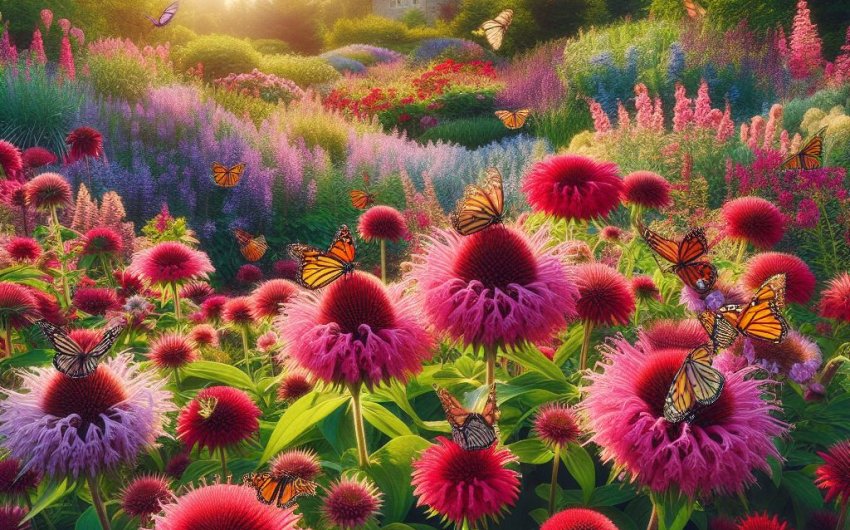
Bee balm (Monarda species) are captivating perennials renowned for their unique, shaggy blooms and exceptional ability to attract pollinators. These bee balm beauties are vibrant additions to your garden, offering a burst of color and a continuous hum of beneficial insect activity. This guide explores their characteristics, planting, care, and best uses for a thriving, wildlife-friendly landscape.
Why Are Bee Balm Beauties Essential for a Thriving Garden?
Bee balm beauties are far more than just attractive flowers; they are essential for a thriving garden ecosystem, acting as magnets for crucial pollinators and beneficial insects. Their vibrant blooms and unique form make them standout additions, creating a dynamic and lively outdoor space. Understanding why bee balm beauties are essential reveals their profound impact as vibrant additions to your garden.
What are the Key Characteristics That Make Bee Balm So Special?
The key characteristics that make bee balm so special revolve around its distinctive, shaggy flowerheads, its strong aromatic foliage, and its powerful appeal to pollinators. These unique traits contribute to its charm, ecological value, and reliability as a summer bloomer. Understanding these features deepens your appreciation for these versatile and vibrant additions to your garden.
Here are the key characteristics that make Bee Balm so special:
- Distinctive, Shaggy Flowerheads:
- Characteristic: The most recognizable feature. Bee balm produces unique, irregular, and often "shaggy" flowerheads, resembling small pom-poms or tufts of hair. The actual flowers are small, tubular petals arranged in whorls around a central disk.
- Colors: Most commonly seen in shades of vibrant red, pink, purple, and white.
- Impact: Adds a unique, informal, and eye-catching texture to the garden.
- Pollinator Magnet (Name Says It All!):
- Characteristic: As its common name suggests, bee balm is an absolute powerhouse for attracting pollinators. Its tubular flowers are perfectly shaped for hummingbirds and long-tongued bees.
- Impact: Brings a constant buzz of activity to your garden, attracting bees, butterflies, hummingbirds, and other beneficial insects. Essential for supporting local ecosystems.
- Aromatic Foliage (Mint Family Member):
- Characteristic: Monarda belongs to the mint family (Lamiaceae), and its leaves emit a strong, minty, pungent aroma when crushed.
- Impact: Adds a sensory element to the garden (smell) and is generally deer and rabbit resistant, as they dislike the strong scent.
- Long Blooming Season:
- Characteristic: Typically blooms from mid-summer into early fall, often for several weeks, providing reliable color when many spring bloomers have faded.
- Impact: Ensures a continuous display of color and nectar for pollinators during crucial summer months.
- Native to North America:
- Characteristic: Most Monarda species are native wildflowers of North America.
- Impact: Naturally well-adapted to local climates and soils, making them hardy and low-maintenance. They are also crucial for supporting native wildlife.
- Good Cut Flower:
- Characteristic: The unique flowerheads make interesting additions to fresh floral arrangements.
- Impact: Brings the garden's vibrancy indoors.
- Spreading Habit (Some Varieties):
- Characteristic: Many older varieties of bee balm spread quite vigorously by rhizomes (underground stems). Newer cultivars tend to be less aggressive.
- Impact: Can form large clumps over time, requiring division.
- Medicinal and Culinary Uses:
- Characteristic: Historically used by Native Americans for medicinal purposes (e.g., cold remedies, antiseptic washes). The leaves can be used to make tea.
- Impact: Adds a functional and historical dimension to the plant.
What Role Do Bee Balm Plants Play in Attracting Pollinators?
Bee balm plants play an indispensable role in attracting pollinators, acting as veritable magnets for the very insects crucial to our ecosystem. Their unique flower structure and abundant nectar are perfectly designed to draw in a diverse array of pollinating species. Understanding this ecological function highlights why these bee balm beauties are such vibrant additions to your garden.
Here's what role Bee Balm plants play in attracting pollinators:
- Abundant Nectar and Pollen Source:
- Mechanism: Bee balm produces a copious amount of nectar and pollen, which are essential food sources for a wide range of pollinators.
- Impact: Provides vital sustenance, especially during the summer months when many other early-season flowers have finished blooming.
- Tubular Flower Shape (Perfect for Specific Pollinators):
- Mechanism: The individual florets within bee balm's shaggy flowerhead are tubular.
- Impact: This shape is perfectly adapted for long-tongued insects and hummingbirds to access the nectar, making it a favorite for:
- Hummingbirds: Absolutely adore red varieties of bee balm (e.g., 'Jacob Cline', 'Raspberry Wine'). Their long beaks are ideally suited for the tubular flowers.
- Long-Tongued Bees: Many species of bumblebees, as well as honeybees (which can access the nectar or collect pollen), are strongly attracted.
- Butterflies: Various butterfly species, particularly swallowtails, also visit for nectar.
- Vibrant Colors (Visual Attractants):
- Mechanism: Bee balm typically comes in bright, vibrant colors (reds, pinks, purples) that are highly attractive to pollinators.
- Impact: Acts as a visual beacon, drawing pollinators' attention from a distance.
- Continuous Bloom Period:
- Mechanism: Blooms consistently from mid-summer to early fall.
- Impact: Ensures a reliable and extended food source for pollinators throughout a crucial period of their activity.
- Aromatic Foliage (Potential Attractant/Repellent):
- Mechanism: While primarily acting as a deer/rabbit deterrent, the strong fragrance of the foliage might also play a role in attracting some beneficial insects (though more research is needed on this specific effect for pollinators).
- Supports the Ecosystem:
- Mechanism: By attracting pollinators, bee balm indirectly contributes to the reproduction of other flowering plants in your garden, which benefits the entire ecosystem.
- Impact: Fosters a biodiverse and healthy garden.
How Do You Plant Bee Balm for a Vibrant Garden?
To ensure your garden buzzes with life and color, knowing how to plant bee balm for a vibrant garden is essential. Proper site selection, soil preparation, and planting technique lay the groundwork for healthy, long-lived perennials that attract pollinators and thrive. Following these steps maximizes their captivating display as true bee balm beauties.
What are the Ideal Soil and Sunlight Requirements for Monarda?
For Monarda to truly flourish and grace your garden with its unique blooms, understanding its ideal soil and sunlight requirements is paramount. These conditions ensure vigorous growth, abundant flowering, and resilience against common issues. Meeting these basic needs is crucial for successfully planting bee balm for a vibrant garden that teems with life.
Ideal Sunlight Requirements for Monarda:
- Full Sun to Partial Shade:
- Ideal: Bee balm performs best and flowers most profusely in full sun (at least 6 hours of direct sunlight per day). This promotes strong, sturdy stems and reduces the risk of powdery mildew.
- Tolerance: It can tolerate partial shade (4-6 hours of direct sun, especially afternoon shade in hot climates), but flowering may be reduced, and the plants might become slightly leggy.
- Avoid: Deep shade, as this will significantly reduce flowering, make plants very leggy and weak, and greatly increase susceptibility to powdery mildew.
- Consideration in Hot Climates: In regions with extremely hot and dry summer sun, a location that receives morning sun and some afternoon shade is often ideal to prevent stress and prolong bloom time.
Ideal Soil Requirements for Monarda:
- Well-Draining Soil (CRITICAL!):
- Why it's crucial: While Monarda likes consistent moisture, it absolutely cannot tolerate consistently soggy or waterlogged soil, which leads to root rot.
- Ideal: Loamy soil is ideal. If you have heavy clay, amend it generously with ample organic compost, coarse sand, or grit to improve drainage and aeration.
- Avoid: Areas where water consistently pools.
- Rich in Organic Matter:
- Why it's beneficial: Incorporating plenty of organic matter (compost, well-rotted manure) into the soil improves its structure, fertility, and moisture retention while maintaining good drainage.
- Impact: Supports robust growth and flowering.
- pH Level:
- Ideal: Bee balm prefers a slightly acidic to neutral soil pH, generally between 6.0 and 7.0.
- Action: If your soil pH is significantly outside this range (confirmed by a soil pH test kit), amend it accordingly (lime to raise, sulfur to lower) well before planting.
- Moisture:
- Consideration: They prefer consistently moist soil, especially during the blooming season. They are not as drought-tolerant as some other perennials.
- Action: Ensure the soil can hold moisture but drains freely.
Step-by-Step Guide to Planting Bee Balm from Seeds or Transplants
To successfully establish these vibrant perennials in your garden, following this step-by-step guide to planting bee balm is essential. Whether starting from tiny seeds or young plants, careful technique ensures they root robustly and reliably attract pollinators. This meticulous process is key for planting bee balm for a vibrant garden.
Planting Bee Balm Seeds:
- Timing:
- Indoors (Recommended): Start seeds indoors 8-10 weeks before your last anticipated spring frost date. Monarda seeds benefit from a period of cold stratification (mimicking winter chill).
- Action: Mix seeds with moist sand or peat, place in a plastic bag, and refrigerate for 4-8 weeks before sowing.
- Direct Sow: Can be direct sown outdoors in late fall (for natural cold stratification) or early spring after the last frost.
- Indoors (Recommended): Start seeds indoors 8-10 weeks before your last anticipated spring frost date. Monarda seeds benefit from a period of cold stratification (mimicking winter chill).
- Seed Starting Mix: Use a sterile, fine seed-starting mix in trays or small pots.
- Sowing:
- Action: Press the tiny seeds gently onto the surface of the moistened seed-starting mix. Do not cover them completely, as they need light to germinate. You can lightly dust with a fine layer of vermiculite.
- Why: Light aids germination.
- Germination Conditions: Keep consistently moist (use a spray bottle or bottom watering) and cool (55-65°F / 13-18°C) during stratification, then warmer (65-70°F / 18-21°C) for germination. Provide bright, indirect light. Germination can be erratic and take 2-4 weeks or more.
- Pricking Out/Potting On: Once seedlings have a few sets of true leaves, carefully prick them out and transplant them into individual small pots.
- Hardening Off: Before transplanting outdoors, gradually acclimate seedlings to outdoor conditions for 7-10 days.
Planting Bee Balm Transplants (Started Indoors or Purchased):
- Timing:
- Action: Transplant outdoors in spring to early summer, after all danger of frost has passed.
- Why: Ensures warm enough conditions for establishment and allows the plant to root before summer heat.
- Prepare the Soil:
- Action: Loosen the soil to a depth of 10-12 inches. Amend with 2-3 inches of organic compost to improve drainage and fertility.
- Dig Holes:
- Spacing: Space plants 18-24 inches apart for most varieties, or 24-36 inches for more vigorous spreaders. Check specific variety recommendations.
- Depth: Dig holes slightly larger than the root ball of your transplant.
- Plant Gently:
- Action: Gently remove the bee balm from its container. Place it in the hole so the top of the root ball is level with the surrounding soil. Avoid planting too deep or too shallow.
- Backfill: Gently backfill with soil, lightly firming around the base.
- Water Thoroughly:
- Action: Water immediately and deeply after planting to settle the soil and reduce transplant shock.
- Apply Mulch:
- Action: Apply a 1-2 inch layer of organic mulch (e.g., shredded leaves, wood chips) around the base of the plant.
- Why: Helps retain moisture, suppress weeds, and moderate soil temperature. Keep mulch a few inches from the stem.
How Do You Care for Bee Balm for Abundant Blooms?
To ensure your bee balm consistently provides abundant and vibrant blooms that attract pollinators, knowing how to care for it is essential. These resilient perennials respond well to specific maintenance practices that maximize their floral display and keep them healthy. Understanding these actions is crucial for nurturing true bee balm beauties in your garden.
What are the Best Watering and Fertilizing Practices for Healthy Monarda?
To promote vigorous growth and a profusion of flowers, understanding the best watering and fertilizing practices for healthy Monarda is key. While adaptable, these charming perennials benefit from consistent moisture and appropriate nutrients, ensuring they continuously add vibrant additions to your garden. Balancing these inputs correctly maximizes their blooming potential and resilience.
1. Best Watering Practices for Healthy Monarda:
- Establishment Period:
- Action: Keep the soil consistently moist (but not soggy) for the first few weeks after planting seeds or transplants until they are well established.
- Why: Essential for root development.
- Established Plants (Moisture Lovers):
- Action: Monarda prefers consistently moist soil, especially during the hot summer months and throughout its blooming season. Provide about 1-1.5 inches of water per week (from rain or irrigation) during dry spells.
- Why: Consistent moisture fuels robust growth and abundant flowering. It also helps reduce susceptibility to powdery mildew.
- Check Soil: Allow the top 1 inch of soil to dry out between waterings. Use a soil moisture meter for accuracy.
- Water at the Base:
- Action: Water the soil directly at the base of the plants, avoiding overhead watering if possible.
- Why: Wet foliage, especially for prolonged periods, increases the risk of powdery mildew, a common issue for bee balm.
- Equipment: A soaker hose or drip irrigation is ideal.
- Avoid Overwatering:
- Action: Ensure well-draining soil (as established at planting) and do not let plants sit in standing water.
- Why: Still susceptible to root rot in waterlogged conditions.
2. Best Fertilizing Practices for Healthy Monarda:
- Prepare the Soil: If you amended your soil generously with good quality compost at planting time, bee balm may not need much additional fertilization, especially if your soil is already moderately fertile.
- Light Annual Feeding:
- Action: In early spring, as new growth emerges, apply a light application of a balanced, slow-release granular fertilizer (e.g., 5-10-5 or 10-10-10) around the base of the plant. Or, simply topdress with a 1-inch layer of organic compost.
- Why: Provides essential nutrients to fuel new growth and flower production. Compost continuously enriches the soil and improves its structure.
- Avoid Excessive Nitrogen:
- Action: Do not over-fertilize with nitrogen (the first number in N-P-K).
- Why: Too much nitrogen can promote lush, leafy growth at the expense of flower production. It can also make the plant more susceptible to powdery mildew.
- Liquid Feed (Optional, During Peak Bloom):
- Action: For an extra boost during peak blooming, you can apply a balanced liquid flower fertilizer at half strength every 4-6 weeks.
- Why: Replenishes nutrients used during flower production.
How Do Pruning, Division, and Winter Care Maximize Bloom Display?
To maximize their captivating display, pruning, division, and proper winter care are essential for bee balm. These specific maintenance practices prolong their vibrant show, control their spreading habit, and prepare them for a robust return. Understanding these actions is crucial for nurturing true bee balm beauties that continuously enhance your garden.
1. Pruning (Deadheading and "The Chelsea Chop"):
- Deadheading for Continuous Bloom:
- What it is: The process of removing spent or faded flowers.
- Action: Snip off faded bee balm blooms just below the flowerhead or above a set of healthy leaves/new buds.
- Why it's important: Prevents the plant from expending energy on setting seed and encourages it to produce more flowers, thus prolonging the blooming season.
- "The Chelsea Chop" (for Bushier Plants & Delayed Bloom):
- What it is: A specific pruning technique where you cut back the stems of tall perennials by about one-third to one-half their height in late spring (around late May or early June, traditionally around the time of the Chelsea Flower Show).
- Action: Cut back about one-third of the plant's stems, leaving others full height, or cut back all stems.
- Why it's important:
- Bushier Growth: Encourages side branching, making the plant denser and less leggy.
- Delayed Bloom: Delays the bloom time of the cut stems by a few weeks, extending the overall flowering period of the clump.
- Reduced Flopping: Creates sturdier, shorter stems that are less likely to flop, especially for taller varieties.
- Improved Air Circulation: Helps reduce the density, which can improve airflow and reduce powdery mildew risk.
2. Division for Vigor and Control:
- Why it's important: Many Monarda varieties are vigorous spreaders via rhizomes. Over time, clumps can become overcrowded, leading to reduced flowering, increased susceptibility to powdery mildew, and a "dead spot" in the center. Division rejuvenates the plant and controls its spread.
- When to Divide: Every 2-3 years, or when flowering diminishes and the clump becomes too dense. Do this in early spring as new growth emerges, or in early fall after flowering has finished.
- How to Divide (Step-by-Step):
- Dig Up: Carefully dig up the entire clump.
- Separate: Use a sharp spade, garden fork, or even your hands to divide the clump into smaller sections, each with healthy roots and active shoots. Discard the woody, unproductive center.
- Replant: Replant the vigorous outer sections into prepared soil, spacing them appropriately.
- Water: Water thoroughly after replanting.
3. Winter Care:
- Cut Back Foliage (After Frost):
- Action: After the first hard frost in fall, when the foliage has completely died back and turned yellow/brown, cut the stems down to about 2-4 inches above the ground.
- Why: Removes old foliage that could harbor pests or disease spores (especially powdery mildew) and tidies up the garden for winter.
- Apply Mulch (Optional):
- Action: In very cold climates or for young plants, apply a 2-4 inch layer of organic mulch (shredded leaves, straw) over the crown of the plant after the ground has frozen.
- Why: Provides extra insulation against extreme cold.
- Caution: Remove in early spring to prevent smothering new growth.
What are Common Problems and Companion Plants for Bee Balm?
Even these vibrant and resilient perennials can encounter common problems, while thoughtful selection of companion plants can enhance their beauty, resilience, and appeal to pollinators. Addressing potential issues proactively and designing harmonious pairings ensures your bee balm beauties thrive. Understanding these aspects is crucial for integrating vibrant additions to your garden with minimal fuss.
What are Typical Pests and Diseases That Affect Monarda?
While generally robust, Monarda can still be susceptible to a few typical pests and diseases that gardeners should be aware of. Early identification and appropriate action are key to addressing these issues and ensuring your bee balm remains healthy and continues to be a vibrant addition to your garden. Proactive monitoring helps prevent widespread problems.
Typical Pests That Affect Bee Balm:
- Spider Mites:
- Problem: Tiny arachnids that cause fine stippling (tiny dots) on leaves, leading to yellowing, and in severe cases, fine webbing on the undersides. Thrive in hot, dry conditions.
- Prevention/Treatment:
- Water Blast: Strong spray of water (especially undersides of leaves).
- Insecticidal Soap/Neem Oil: Apply insecticidal soap spray or neem oil spray.
- Maintain Moisture: Keep plants well-watered to reduce stress.
- Aphids:
- Problem: Small, soft-bodied insects (green, black, pink) that cluster on new growth and undersides of leaves, sucking plant sap. Can cause distorted growth and sticky honeydew.
- Prevention/Treatment:
- Water Blast: Strong spray of water.
- Insecticidal Soap/Neem Oil: Apply.
- Beneficial Insects: Encourage ladybugs and lacewings.
- Thrips:
- Problem: Tiny, slender insects that scrape plant tissue, causing silvery streaks on leaves and sometimes distorted flowers.
- Prevention/Treatment:
- Neem Oil/Insecticidal Soap: Apply.
- Yellow Sticky Traps: For monitoring. A yellow sticky trap for garden can help.
Typical Diseases That Affect Bee Balm:
- Powdery Mildew (Most Common Problem for Monarda!):
- Problem: White or grayish, powdery coating on leaves, stems, and sometimes flowers. Significantly reduces plant vigor and aesthetic appeal.
- Cause: Fungal. Favored by high humidity, moderate temperatures, and poor air circulation, but unlike most fungi, it doesn't need free water on leaf surfaces to germinate. Stress can make plants more susceptible.
- Prevention/Treatment:
- Choose Resistant Varieties: CRITICAL! Many modern cultivars (e.g., 'Jacob Cline', 'Gardenview Scarlet', 'Marshalls Delight') are bred for improved resistance. Look for these.
- Good Air Circulation: CRITICAL! Space plants properly, thin out dense clumps (especially the center), and prune lower leaves. Plant in full sun.
- Water at the Base: Avoid overhead watering.
- Sanitation: Remove and dispose of severely infected leaves/stems in the trash (not compost).
- Organic Sprays: Neem oil, baking soda solution, biological fungicides. A powdery mildew organic spray can help.
- Chemical Fungicides: For severe cases, use a fungicide labeled for powdery mildew.
- Rust:
- Problem: Small, powdery, orange-yellow to reddish-brown pustules (like iron rust) on the undersides of leaves.
- Cause: Fungal. Favored by cool to moderate temperatures and prolonged leaf wetness/high humidity.
- Prevention/Treatment:
- Sanitation: Remove infected foliage.
- Air Circulation: Improve airflow.
- Water at Base: Avoid overhead watering.
- Organic Sprays: Neem oil, sulfur-based fungicides.
- Root Rot:
- Problem: Wilting, yellowing, stunted growth, despite adequate moisture. Roots are soft and brown/black.
- Cause: Consistently waterlogged soil.
- Prevention: Ensure well-draining soil. Avoid overwatering.
What are the Best Companion Plants for Bee Balm?
To create a truly harmonious and vibrant garden, selecting the best companion plants for bee balm is a smart strategy. These pairings enhance its beauty, complement its unique form, and often share similar growing conditions. Understanding these combinations is crucial for integrating these bee balm beauties as striking and vibrant additions to your garden.
Here are the best companion plants for bee balm:
- Coneflowers (Echinacea purpurea):
- Why they're great: Bloom at the same time, offering similar upright, daisy-like flowers in purples, pinks, whites, and yellows. Both are excellent for attracting pollinators.
- Vibe: Naturalistic meadow, pollinator magnet.
- Phlox (Phlox paniculata, Garden Phlox):
- Why they're great: Provide large clusters of fragrant flowers in mid to late summer, complementing the bloom time and offering a different flower form. Often in pinks, purples, and whites.
- Vibe: Classic cottage garden.
- Consideration: Both can be susceptible to powdery mildew, so ensure good air circulation.
- Shasta Daisies (Leucanthemum × superbum):
- Why they're great: Their cheerful white, daisy-like flowers create a crisp contrast to the bold colors of bee balm. They also bloom around the same time.
- Vibe: Bright, airy, classic perennial border.
- Liatris (Liatris spicata, Blazing Star):
- Why they're great: Offers unique spiky, upright purple flower wands that provide a strong vertical accent, contrasting with bee balm's more rounded heads. Both are pollinator magnets.
- Vibe: Bold, attracts butterflies, adds structure.
- Tall Garden Phlox (Phlox paniculata):
- Why they're great: Offer large, fragrant clusters of flowers in mid to late summer, providing a complementary bloom time and a different flower form (flat-topped vs. shaggy).
- Vibe: Classic perennial garden, beautiful alongside bee balm.
- Switchgrass (Panicum virgatum) and Other Ornamental Grasses:
- Why they're great: Provide fine texture, movement, and a backdrop for the more defined blooms of bee balm. Many ornamental grasses offer good height and structure.
- Vibe: Modern, naturalistic, adds airy elegance and winter interest.
- Lavender (Lavandula species):
- Why they're great: The soft purple spires and silvery foliage of lavender create a beautiful color and textural harmony, especially with blue or purple bee balm. Both attract bees.
- Vibe: Fragrant, Mediterranean, pollinator haven.
- Daylilies (Hemerocallis species):
- Why they're great: Offer bold foliage and a wide range of flower colors and bloom times, many coinciding with bee balm.
- Vibe: Hardy, reliable, adds a splash of vibrant color and texture.
- Russian Sage (Perovskia atriplicifolia):
- Why it's great: Its airy, silvery foliage and purple flower spikes bloom throughout summer, creating a haze of color that perfectly complements bee balm. Both are drought-tolerant once established.
- Vibe: Mediterranean, drought-tolerant, adds texture.
By understanding the unique characteristics of bee balm, diligently providing optimal care, and selecting harmonious companion plants, you can ensure these bee balm beauties consistently deliver their vibrant charm. From attracting vital pollinators to preventing common problems like powdery mildew, this guide empowers you to effectively grow Monarda, making them truly vibrant additions to your garden for years to come.