
How Often Should I Water My Huckleberry Bushes?
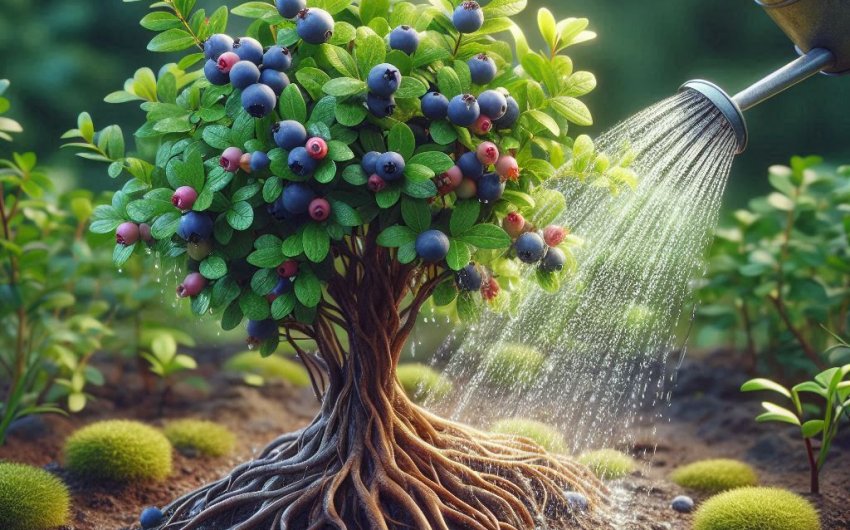
Cultivating your own delicious berries is a true delight for any gardener, and huckleberry bushes offer a wonderful opportunity to grow a native, flavorful fruit. These charming shrubs, cousins to blueberries, are prized for their sweet-tart berries and often contribute to a naturalized garden aesthetic. However, like all plants, their success hinges on providing the right care, and knowing how often should I water my huckleberry bushes is a fundamental question. This guide will delve into the nuances of hydrating these unique plants, ensuring your huckleberries flourish and yield a bountiful harvest.
Why Is Watering Huckleberry Bushes So Important?
Water is the lifeblood of all plants, and for huckleberry bushes, getting the watering just right is crucial for their survival, growth, and fruit production. These plants, often found in specific natural habitats, have distinct preferences when it comes to moisture. Understanding their needs and the potential pitfalls of improper watering is the first step toward a thriving huckleberry patch.
What Happens if You Underwater Huckleberry Bushes?
While huckleberries can be quite hardy once established, consistent underwatering can lead to significant stress and hinder their performance.
- Wilting and Drooping: The most obvious sign of an underwatered huckleberry bush is wilting or drooping leaves and stems. The plant looks limp and stressed because its cells lack the water needed to remain turgid (firm).
- Stunted Growth: A plant that consistently lacks sufficient water will put out very little new growth, and any new leaves will be smaller than usual. The overall size of the bush will be stunted.
- Scorched or Crispy Leaves: Prolonged drought stress, especially in hot weather, can lead to the edges and tips of leaves turning brown and crispy, or even entire leaves becoming dry and brittle.
- Poor Fruit Production: If the bush is stressed by a lack of water during flowering and fruiting, it will produce fewer berries, and those it does produce might be small, shriveled, or drop prematurely. The quality of the huckleberry harvest will be poor.
- Increased Susceptibility to Pests/Diseases: A water-stressed plant is a weakened plant. It becomes more vulnerable to insect infestations and fungal diseases.
- Dieback: In severe and prolonged drought conditions, branches or even entire sections of the huckleberry bush may start to die back.
What Happens if You Overwater Huckleberry Bushes?
Just as problematic, if not more so, than underwatering, overwatering can quickly lead to severe issues for huckleberry bushes, especially if their specific soil needs aren't met.
- Root Rot: This is the most serious consequence of overwatering. Huckleberry roots, like those of their blueberry cousins, need oxygen. When the soil is constantly saturated with water, air pockets are eliminated, and the roots essentially drown and begin to rot. Rotted roots are unable to absorb water or nutrients, paradoxically leading to symptoms that can resemble underwatering (wilting, yellowing) even though the soil is wet.
- Yellowing Leaves (Chlorosis): Leaves may turn yellow, often between the green veins. This can be a sign of nutrient deficiency caused by damaged roots unable to take up iron or other essential minerals due to waterlogging, or due to high pH from non-acidic water.
- Fungal Diseases: Constantly wet conditions create an ideal environment for various fungal diseases to thrive, affecting roots, stems, and leaves.
- Stunted Growth or Dieback: Similar to underwatering, overwatering can lead to stunted growth and, in severe cases, the gradual dieback of branches or the entire plant as the root system fails.
The delicate balance of moisture is key to success when wondering how often should I water my huckleberry bushes.
How Do You Know When to Water Your Huckleberry Bushes?
Instead of relying on a rigid schedule, the most effective way to water huckleberry bushes is by paying attention to their individual needs, primarily dictated by the moisture level of their soil. This flexible approach ensures your plants receive water when they need it most, preventing both the perils of drought and the dangers of soggy roots.
What's the Best Way to Check Soil Moisture?
This hands-on method is the most reliable indicator for when to water your huckleberry bushes.
- The Finger Test: This is the simplest and most effective method. Stick your finger 2-3 inches deep into the soil near the base of the huckleberry bush.
- If the soil at that depth feels dry to the touch, it's time to water.
- If it still feels moist or cool, wait a few more days and check again.
- Moisture Meter: For a more precise reading, especially in larger pots or raised beds, a soil moisture meter, such as a 3-in-1 soil moisture meter, can be helpful. Insert the probe into the root zone. You typically want the reading to be in the "moist" to "dry" range before watering.
- Lifting the Pot (for container-grown Huckleberries): If your huckleberry is in a pot, you'll eventually learn its weight. A dry pot will feel significantly lighter than a freshly watered one.
- Visual Cues from Soil: Dry soil often looks lighter in color and may pull away slightly from the edges of a pot. Wet soil will appear darker. However, surface soil can be misleading, so always check below.
Combine these methods for the most accurate assessment. The finger test is a gardener's best friend.
Are There Any Plant Cues to Look For?
Your huckleberry bushes will often "tell" you when they're thirsty, but it's best to water before they show severe signs of distress.
- Slight Wilting/Drooping: The earliest and most common sign of thirst. The leaves might look a bit less perky or slightly droopy, especially during the hottest part of the day. This is your cue to water promptly.
- Dull Foliage Color: The leaves might lose some of their vibrant green and appear slightly duller or grayer.
- Crispy Edges/Tips: As mentioned, this is a sign of prolonged underwatering or insufficient water at the leaf margins.
- Flower/Berry Drop: If the plant is severely stressed by lack of water during its reproductive cycle, it may drop flowers or developing berries to conserve resources.
It's always better to water based on soil moisture before your huckleberry bush reaches the point of showing significant stress cues.
How Does the Growing Medium Influence Watering Needs?
The type of soil or potting mix your huckleberry bushes are in has a huge impact on how often you'll need to water them.
- Well-Draining, Acidic Soil (Ideal): Huckleberries, like blueberries, thrive in well-draining, acidic soil with plenty of organic matter. This type of soil allows excess water to drain quickly, preventing soggy roots, while still retaining sufficient moisture for the plant. A good huckleberry soil mix might include peat moss, pine bark fines, and perlite. If your soil drains well, you might water more frequently but without the risk of waterlogging.
- Heavy Clay Soil: If your native soil is heavy clay, it will retain too much water, increasing the risk of root rot. In such cases, amending the soil heavily with organic matter (like compost and pine bark) or planting in raised beds with custom soil mixes is crucial. You'll water less frequently, but need to be very careful to avoid overwatering.
- Sandy Soil: Sandy soils drain very quickly and retain little moisture. In this type of soil, your huckleberry bushes will need more frequent watering, as the water will pass through rapidly.
- Container Mix: For huckleberry bushes grown in pots, the potting mix typically needs to be specifically formulated for acid-loving plants and drain well. Container plants generally dry out much faster than those in the ground, so they will need more frequent watering. A pot of acid loving plant potting mix is essential.
Understanding your soil type allows you to adjust your watering frequency and technique for optimal huckleberry watering.
What Factors Influence Huckleberry Watering Frequency?
The question of how often should I water my huckleberry bushes doesn't have a single, fixed answer because their water needs are dynamic. Many environmental and situational factors influence how quickly their soil dries out and how much moisture the plants consume. Paying attention to these variables will help you fine-tune your watering routine.
How Do Weather and Climate Affect Watering?
The local weather and climate conditions are among the biggest determinants of watering frequency.
- Temperature:
- Hot Weather: Huckleberry bushes will transpire (lose water through their leaves) much faster in hot temperatures. Evaporation from the soil surface also increases. During heatwaves, you might need to water daily or even twice a day, especially for young or potted plants.
- Cool Weather: In cooler temperatures, plants lose water much slower, and soil dries out at a reduced rate. Watering frequency can decrease significantly.
- Humidity:
- Low Humidity: In dry climates or during periods of low humidity, plants lose water more rapidly, and soil dries faster. This increases watering needs.
- High Humidity: In very humid conditions, plants lose less water from their leaves, and the soil dries slower. Watering frequency will decrease.
- Rainfall: This is an obvious factor. If you receive regular, sufficient rainfall (at least 1 inch per week), you may not need to water at all. However, always check the soil moisture, as light drizzles may not penetrate deeply enough. A rain gauge, like a simple rain gauge, can help track rainfall amounts.
- Wind: Windy conditions, even on cooler days, can significantly increase evaporation from both the plant's leaves and the soil surface, leading to faster drying and increased watering needs.
Always adjust your huckleberry watering schedule based on current weather patterns.
Does Plant Age and Size Matter?
Yes, the age and size of your huckleberry bushes significantly influence their watering requirements.
- Newly Planted Huckleberries: These require the most diligent watering. Their root systems are still developing and have a limited ability to seek out water. For the first year or two after planting, consistent moisture is critical for establishment. You may need to water every few days, especially during dry spells.
- Established Huckleberries: Once established (typically after 2-3 years), their root systems are more extensive and can access water from a larger soil volume. They become more drought-tolerant but will still benefit from supplemental watering during prolonged dry periods, especially when flowering and fruiting.
- Mature Bushes: Large, mature bushes have a greater leaf surface area, meaning they transpire more water. While their roots are extensive, they still have high water demands, especially during peak growth and fruiting.
Small plants in containers will almost always need more frequent watering than large plants in the ground.
How Does Sun Exposure Affect Watering Needs?
The amount of sunlight your huckleberry bushes receive directly impacts their water consumption.
- Full Sun: Huckleberries generally prefer full sun (at least 6 hours of direct sunlight). Plants in full sun photosynthesize more actively and transpire more water, so they will dry out faster and need more frequent watering.
- Partial Shade: While huckleberries can tolerate some partial shade, especially in hotter climates, plants in shadier spots will use less water, and their soil will dry out slower. Be careful not to overwater huckleberries in partial shade.
Positioning your huckleberry bushes for optimal light and then adjusting watering based on that light level is crucial.
Is the Type of Pot Important for Container-Grown Huckleberries?
For huckleberry bushes grown in containers, the pot's material has a significant effect on how quickly the soil dries out.
- Terra Cotta/Unglazed Clay Pots: These are porous, meaning water can evaporate through the pot walls. This promotes faster drying of the soil, which can be beneficial for aeration but means more frequent watering.
- Plastic/Glazed Ceramic Pots: These are non-porous and retain moisture much longer, as water can only evaporate from the soil surface. This means less frequent watering is needed, but you must be more careful to avoid overwatering and root rot.
- Fabric Grow Bags: These offer excellent aeration, preventing root circling, and allow for some evaporation through the fabric. They generally dry out faster than plastic pots, similar to terracotta, but offer good root health. A fabric grow bag for plants can be a good choice for huckleberries.
Always ensure any pot, regardless of material, has adequate drainage holes.
What's the Best Way to Water Your Huckleberry Bushes?
The technique you use to water your huckleberry bushes is just as important as knowing when to water. Proper watering methods ensure that the water reaches the root zone effectively and efficiently, promoting healthy growth and abundant fruit production.
Should You Water Deeply and Infrequently?
For most established plants, including huckleberry bushes, a strategy of deep and infrequent watering is generally superior to light, frequent sprinkles.
- Deep Watering: When you water, aim to saturate the soil to a depth of at least 8-12 inches. This encourages the huckleberry bush's roots to grow deeper, making the plant more drought-tolerant and stable. Short, frequent watering only wets the top layer of soil, encouraging shallow root growth, which makes the plant more susceptible to drying out during hot spells.
- Infrequent Watering: Allow the top 2-3 inches of soil to dry out between waterings. This ensures that the roots get the oxygen they need and prevents constant soggy conditions that lead to root rot.
- How Much Water? For in-ground plants, aim for about 1 inch of water per week, either from rainfall or irrigation. This is a general guideline; adjust based on the soil test (finger test). For container plants, water until water drains from the bottom.
This approach balances sufficient moisture with necessary aeration for healthy root development.
What Watering Methods Are Best?
Different watering methods can achieve deep and even saturation.
- Soaker Hoses: These are excellent for huckleberry watering. A soaker hose releases water slowly and directly into the soil at the root zone, minimizing evaporation and waste. They also keep the foliage dry, which can reduce fungal diseases. Run the hose along the base of your huckleberry bushes and let it run for a few hours until the soil is adequately moistened deep down.
- Drip Irrigation: Similar to soaker hoses but often more precise, drip irrigation systems deliver water directly to the plant's base through emitters. This is highly efficient and minimizes water waste. A drip irrigation kit for berries can be installed for a more permanent solution.
- Hand Watering (with care): If hand watering, use a watering can or hose with a gentle shower setting. Apply water slowly at the base of the plant, allowing it to soak in rather than running off. Avoid forceful spraying that can wash away soil or damage tender foliage. Ensure you water long enough to reach the deep roots.
- Avoid Overhead Sprinklers: While convenient, overhead sprinklers wet the foliage, which can promote fungal diseases, and a lot of water can be lost to evaporation before it reaches the soil. If using them, water early in the morning so foliage has time to dry before evening.
Why is Mulching Essential for Huckleberries?
Mulching is a simple yet incredibly effective practice for huckleberry bushes that significantly aids in moisture management.
- Moisture Retention: A 2-4 inch layer of organic mulch around the base of your huckleberry bushes helps to reduce water evaporation from the soil surface, meaning you'll need to water less frequently.
- Weed Suppression: Mulch smothers weeds, which compete with your huckleberries for water and nutrients.
- Temperature Regulation: Mulch insulates the soil, keeping it cooler in summer and warmer in winter, protecting the roots from extreme temperatures.
- Soil Health: As organic mulch (like pine bark, wood chips, or pine needles) breaks down, it adds organic matter to the soil, improving its structure and fertility. Pine bark and needles are particularly beneficial for huckleberries as they help maintain soil acidity. A bag of pine bark mulch is an excellent choice.
- Application: Apply mulch around the drip line of the bush, keeping it a few inches away from the main stem to prevent rot. Replenish as needed.
Mulching is a must-do to ensure efficient and effective huckleberry watering.
What About Water Quality for Huckleberries?
Like their blueberry relatives, huckleberry bushes are acid-loving plants and can be sensitive to water quality, particularly its pH.
- Avoid Hard, Alkaline Water: If your tap water is "hard" (high in minerals like calcium and magnesium) or alkaline (high pH), prolonged use can slowly raise the soil pH over time, making it less acidic. Huckleberries struggle to absorb iron and other nutrients in alkaline soil, leading to yellowing leaves (chlorosis).
- Rainwater is Best: Rainwater is naturally acidic and free of most municipal chemicals, making it ideal for huckleberries. If you can collect it in a rain barrel, this is an excellent option.
- Acidifiers: If you must use alkaline tap water and see signs of chlorosis, you may need to periodically acidify your soil with products like elemental sulfur, peat moss, or ammonium sulfate, following product instructions carefully.
Paying attention to water quality can prevent long-term issues for your huckleberry bushes and ensure vibrant, productive plants.