
What does NPK Mean in Fertilizer?
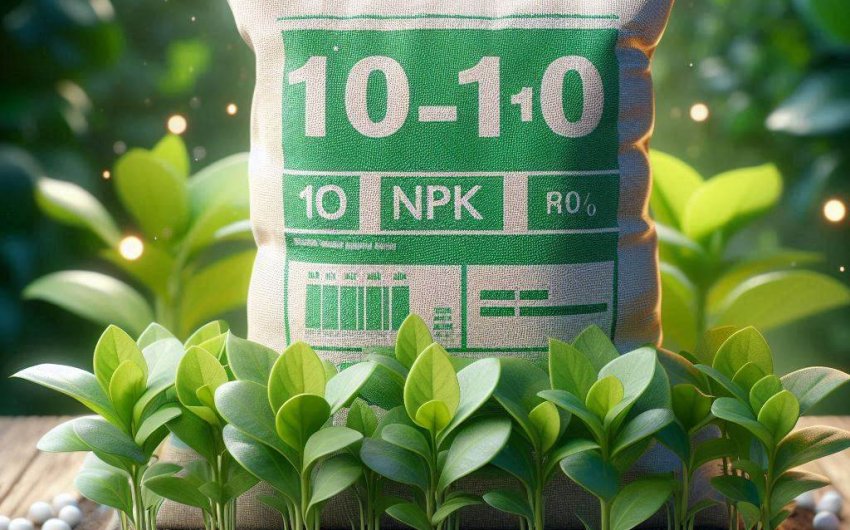
NPK in fertilizer stands for Nitrogen (N), Phosphorus (P), and Potassium (K), representing the three primary macronutrients essential for plant growth. These letters are always followed by a series of three numbers, known as the NPK ratio or analysis, which indicates the percentage by weight of each of these nutrients in the fertilizer product.
Why are N, P, and K so important for plants?
Nitrogen, Phosphorus, and Potassium are considered the primary macronutrients because plants need them in the largest quantities for healthy growth and development. Each nutrient plays distinct and vital roles, contributing to different aspects of the plant's life cycle from initial growth to flowering and fruiting. Without sufficient amounts of these key elements, plants cannot carry out their basic functions, leading to poor health and yield.
What exactly does Nitrogen (N) do for plants?
Nitrogen (N) is often called the "growth nutrient" because its primary role is to support vigorous vegetative growth. It is a key component of chlorophyll, the green pigment responsible for photosynthesis, and is also essential for the formation of amino acids, proteins, and enzymes within the plant. A plant with ample nitrogen will typically display lush, green foliage and strong stem development.
What are the signs of nitrogen deficiency?
- Yellowing leaves (chlorosis): Often starting with older, lower leaves, as the plant moves nitrogen to new growth.
- Stunted growth: Overall smaller plant size and weak stem development.
- Pale green color: Lack of deep green in the foliage.
- Reduced yield: Fewer flowers or fruits.
What are the signs of too much nitrogen?
- Excessive leafy growth: Lush green foliage at the expense of flowers or fruit.
- Weak stems: Tall, leggy growth that can easily flop over.
- Delayed flowering/fruiting: The plant puts all its energy into leaves.
- Increased susceptibility to pests and diseases: Soft, sappy growth is attractive to some pests.
- "Burned" leaf tips: High salt content from too much nitrogen can damage leaves.
What is Phosphorus (P) responsible for in plants?
Phosphorus (P) is often referred to as the "flowering and rooting nutrient." It plays a crucial role in energy transfer within the plant, forming part of ATP (adenosine triphosphate), which powers various cellular processes. Phosphorus is vital for root development, flowering, fruit and seed production, and overall plant maturity. It helps plants convert sunlight into energy and build strong cell structures.
What are the signs of phosphorus deficiency?
- Dark green or purplish leaves: Especially on the undersides of older leaves or along leaf veins.
- Stunted growth: Poor root development and smaller overall plant size.
- Delayed flowering and fruiting: Reduced fruit set and smaller yields.
- Weak stems: Less robust plant structure.
Can a plant get too much phosphorus?
While less common than nitrogen excess, too much phosphorus can also cause problems. High levels of phosphorus in the soil can interfere with the plant's ability to absorb other essential micronutrients like iron, zinc, and copper. This can lead to deficiencies in those micronutrients, even if they are present in the soil. It can also contribute to environmental issues like algal blooms in waterways.
What key functions does Potassium (K) perform in plants?
Potassium (K) is known as the "strength and health nutrient." It is essential for regulating water movement within the plant, a process called osmoregulation, which helps with drought tolerance and disease resistance. Potassium plays a vital role in enzyme activation, photosynthesis, and the overall vigor of the plant. It contributes to stronger stems, improved fruit quality, and enhanced winter hardiness.
What are the signs of potassium deficiency?
- Yellowing or browning leaf margins (edges): Often starting on older leaves, sometimes described as a "scorched" look.
- Weak stems and poor lodging resistance: Plants may be more prone to falling over.
- Reduced fruit quality: Smaller, less flavorful fruit, or poor storage life.
- Increased susceptibility to disease and stress: Plant becomes less hardy.
What happens if a plant has too much potassium?
Excess potassium can, similar to phosphorus, interfere with the uptake of other crucial nutrients, particularly calcium and magnesium. This can lead to deficiencies in these secondary macronutrients, even if they are present in the soil. While directly harmful in very high doses, the primary concern with over-applying potassium is the induced deficiency of other elements.
How do you read NPK numbers on a fertilizer label?
The NPK numbers on a fertilizer label (e.g., 10-10-10, 5-10-5, 20-5-10) represent the percentage by weight of Nitrogen, Phosphorus, and Potassium, respectively. So, a fertilizer labeled "10-5-10" means it contains 10% nitrogen, 5% phosphorus (expressed as P₂O₅), and 10% potassium (expressed as K₂O). These numbers are always in the same order: N-P-K.
What do the three numbers in NPK really mean?
Let's break down the actual chemical forms:
- N (Nitrogen): The first number represents the actual percentage of elemental nitrogen (N).
- P (Phosphorus): The second number represents the percentage of phosphoric acid (P₂O₅), not elemental phosphorus. To convert P₂O₅ to elemental P, multiply by 0.43.
- K (Potassium): The third number represents the percentage of potash (K₂O), not elemental potassium. To convert K₂O to elemental K, multiply by 0.83.
This standardized labeling ensures that regardless of the fertilizer's exact chemical source, the nutrient content is clearly communicated.
How do you calculate the actual amount of nutrients?
If you have a 50-pound bag of 10-5-10 fertilizer:
- Nitrogen: 10% of 50 lbs = 5 lbs of actual nitrogen.
- Phosphorus: 5% of 50 lbs = 2.5 lbs of phosphoric acid (P₂O₅).
- Potassium: 10% of 50 lbs = 5 lbs of potash (K₂O).
Understanding this calculation helps you apply the correct amount of nutrients to your plants, whether you're using a granular fertilizer or a liquid one.
How do NPK ratios compare to plant needs?
Different NPK ratios are formulated to meet the specific needs of various plants at different stages of growth. A "balanced" fertilizer has equal or nearly equal proportions of NPK, while others are designed to favor vegetative growth, root development, or flowering.
What is a "balanced" NPK ratio?
A balanced NPK ratio means the three numbers are the same or very close, such as 10-10-10, 20-20-20, or 5-5-5. These general-purpose fertilizers are good for overall plant health and maintenance, especially for young plants or when you're unsure of specific nutrient deficiencies. They provide a broad spectrum of basic nutrients.
What NPK ratios are best for leafy green growth?
For lush, leafy green growth, you'll want a fertilizer with a higher first number (Nitrogen). Examples include ratios like 20-5-10, 10-5-5, or even formulas with very high nitrogen for turf grass. This promotes the development of foliage and stems.
What NPK ratios are best for flowering and fruiting?
To encourage abundant flowering and fruiting, choose a fertilizer with a higher middle number (Phosphorus) and a decent amount of potassium. Ratios like 5-10-5, 10-20-10, or formulas specifically marketed for "bloom boost" are ideal. The phosphorus helps with flower bud formation and fruit development.
What NPK ratios are best for root development and overall plant vigor?
For strong root development and overall plant vigor and resilience, fertilizers with a higher third number (Potassium), sometimes balanced with phosphorus, are beneficial. Ratios such as 5-10-15 or formulations emphasizing robust growth and disease resistance are common. Potassium helps with water regulation and strengthens cell walls.
How do you choose the right NPK fertilizer for your plants?
Choosing the right fertilizer starts with understanding your plants' needs and your soil's current condition. Don't just pick a fertilizer randomly; a little investigation can save you time and money, and result in much healthier plants.
Why is a soil test important before fertilizing?
A soil test is the single most important step before choosing a fertilizer. It provides a detailed report of your soil's current pH level and the existing nutrient levels (N, P, K, and micronutrients). This prevents over-fertilizing nutrients that are already plentiful and helps you target specific deficiencies. You can get a professional soil test from your local agricultural extension office or use a home soil test kit.
What else should you consider when selecting fertilizer?
- Plant type: Different plants have different needs. Tomatoes need more phosphorus and potassium for fruit, while a lawn needs more nitrogen for green growth.
- Growth stage: Young seedlings need a balanced start, established plants may need a boost for flowering, and older plants might need less nitrogen.
- Application method: Granular fertilizers are slow-release, while liquid fertilizers provide a quick boost.
- Organic vs. synthetic: Organic fertilizers release nutrients slowly as they break down, improving soil health. Synthetic fertilizers provide a more immediate and precise nutrient delivery.
- Environmental impact: Consider slow-release options to minimize nutrient runoff into waterways.
What are secondary macronutrients and micronutrients?
Beyond NPK, plants require other essential elements for growth, though in smaller quantities. These are categorized as secondary macronutrients and micronutrients. While NPK are the stars, these supporting cast members are equally vital for overall plant health.
What are the secondary macronutrients?
The secondary macronutrients are:
- Calcium (Ca): Essential for cell wall formation, root growth, and overall plant structure.
- Magnesium (Mg): A central component of chlorophyll, crucial for photosynthesis, and helps activate enzymes.
- Sulfur (S): Important for protein formation, enzyme activity, and chlorophyll production.
What are micronutrients and why are they important?
Micronutrients are elements plants need in very small amounts, but they are absolutely critical for plant health. These include:
- Iron (Fe): Essential for chlorophyll production and enzyme function.
- Manganese (Mn): Involved in photosynthesis, respiration, and nitrogen assimilation.
- Boron (B): Important for cell wall development, pollination, and fruit development.
- Zinc (Zn): Crucial for enzyme activity, hormone production, and stem elongation.
- Copper (Cu): Involved in photosynthesis, respiration, and protein metabolism.
- Molybdenum (Mo): Essential for nitrogen fixation and nitrate reduction.
- Chlorine (Cl): Involved in osmoregulation and photosynthesis.
Many complete fertilizers and all-purpose plant foods will include these secondary and micronutrients in their formulation, often listed as "trace elements" on the label.
How often should you fertilize your plants?
The frequency of fertilization depends heavily on the plant type, its growth stage, the fertilizer used, and the soil's existing nutrient levels. There's no single answer, but general guidelines can help.
What factors determine fertilization frequency?
- Plant type: Heavy feeders like vegetables might need more frequent fertilization than established shrubs.
- Growth stage: Plants generally need more nutrients during active growth, flowering, and fruiting.
- Fertilizer type: Slow-release granular fertilizers need to be applied less frequently (e.g., once or twice a season) than liquid fertilizers (e.g., every 2-4 weeks).
- Soil health: Healthy, organically rich soil retains nutrients better and may require less frequent fertilization.
- Container plants: Plants in containers often need more frequent fertilization because nutrients leach out with watering.
Always read and follow the specific instructions on your chosen fertilizer product label for the best results and to avoid over-fertilization. Using a timer for watering systems can help you stick to a consistent schedule for liquid feeding.
Understanding what NPK means in fertilizer is fundamental to successful gardening and plant care. These three numbers on every fertilizer bag and bottle represent the vital primary nutrients—Nitrogen, Phosphorus, and Potassium—each playing a crucial role in your plant's growth, health, and ability to flower and produce fruit.