
What Plants Thrive in Late Winter Gardening?
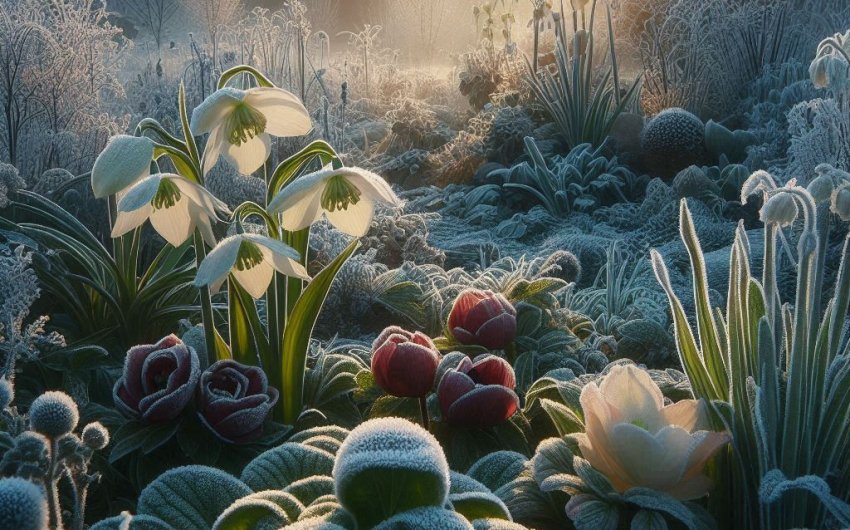
Late winter can feel like a long, cold wait. The holidays are over, and spring seems ages away. But guess what? Your garden doesn't have to be totally asleep! While many plants are taking a long nap, there are some amazing ones that actually love the colder weather and can bring a surprising splash of color and life to your outdoor space.
Late winter gardening is all about choosing the right plants – ones that are tough enough to handle the chill and still look beautiful. It's a fantastic way to beat the winter blues and give your garden a head start on the growing season. Let's dig into some of these winter superstars!
Why Should I Garden in Late Winter?
You might be thinking, "Garden in winter? Isn't it too cold?" While it's true that most plants prefer warmer weather, gardening in late winter offers some really cool benefits. It's not just about battling the cold; it's about embracing it and finding the beauty that can thrive when other plants won't.
First, beating the winter blues. Winter days can feel short and gloomy. Getting out into the garden, even for a short time, can boost your mood. Seeing fresh green leaves or a bright flower pop up when everything else is bare is incredibly uplifting. It reminds you that growth and beauty are still happening, even in the coldest months.
Second, it gives you a head start on spring. By planting tough, cold-hardy plants in late winter, you're essentially getting your garden ready for spring much earlier. These plants establish their roots while the ground is still cool, meaning they'll be stronger and often bloom earlier and more vigorously once true spring arrives. You'll be enjoying blooms while your neighbors are just starting to plant!
Third, it provides interest in a dormant landscape. Most gardens look pretty bleak in winter. Bare branches, dormant beds – it's not the prettiest sight. Introducing plants that thrive in the cold adds texture, color, and even fragrance to an otherwise sleeping landscape. It makes your garden a joy to look at even when snow is on the ground.
Fourth, it's often less crowded at garden centers. If you've ever tried to buy plants in peak spring, you know how busy nurseries can get. Shopping for cold-hardy plants in late winter can be a more relaxed experience, and sometimes you can even find better deals! Plus, the staff might have more time to offer you advice.
Finally, it's about discovering new favorites. Many people stick to popular spring and summer bloomers. But there's a whole world of beautiful, tough plants that shine in the colder months. You might discover some amazing plants you never knew existed, expanding your gardening horizons.
What Are the Best Flowering Plants for Late Winter?
When you think of winter, you probably don't think of flowers. But surprise! There are several amazing flowering plants that truly sparkle in the chill, bringing much-needed color and cheer to the late winter garden. These are your winter bloomers!
Hellebore (Helleborus)
Also known as the Lenten Rose, hellebores are absolute superstars of the late winter garden. They start blooming when snow is often still on the ground, sometimes as early as January or February, and continue well into spring.
- Colors and Varieties: Hellebores come in a stunning range of colors: whites, creams, pinks, deep purples, and even speckled varieties. Their flowers often droop a bit, making them perfect for planting on slopes or in raised beds where you can look up into their faces.
- Growing Conditions: They love partial to full shade and well-draining soil. Once established, they are incredibly tough and long-lived. They are also deer resistant, which is a huge plus if you have wildlife visiting your garden.
- Where to Plant: Hellebores look fantastic planted in drifts under deciduous trees, along woodland paths, or in containers near your front door where you can easily admire their early blooms. You can find beautiful hellebore varieties from suppliers that ship dormant plants in late winter, like Hellebore Pink Frost.
Snowdrop (Galanthus nivalis)
Snowdrops are exactly what their name suggests: tiny, delicate white bells that bravely push through the snow. They are often one of the very first signs of life in the garden after winter, sometimes appearing in January.
- Appearance: They have nodding, pure white flowers with green markings on the inner petals. They are small but charming and often bloom in clusters.
- Growing Conditions: Snowdrops prefer partial shade and moist, well-draining soil. They naturalize easily, meaning they will spread and multiply over time, creating a beautiful carpet of white.
- Where to Plant: Plant snowdrop bulbs in drifts under trees or shrubs, along paths, or even in grassy areas where they can create a stunning early display. You can purchase snowdrop bulbs in the fall for winter blooms.
Winter Aconite (Eranthis hyemalis)
Another tiny but mighty bloomer, winter aconite provides a cheerful splash of bright yellow very early in the season, often right alongside snowdrops.
- Appearance: They produce cup-shaped, buttery yellow flowers surrounded by a collar of leafy green bracts.
- Growing Conditions: Winter aconites like moist, well-draining soil and can tolerate sun to partial shade. Like snowdrops, they naturalize well and form lovely colonies over time.
- Where to Plant: These are perfect for planting under deciduous trees where they get sun before the leaves emerge, or in rock gardens. Their bright color is a welcome sight on a grey winter day. Consider planting winter aconite bulbs for an early pop of color.
Cyclamen (Cyclamen coum)
While some cyclamen are houseplants, Cyclamen coum is a hardy variety that thrives outdoors in winter.
- Appearance: It has delicate pink, white, or magenta flowers that rise above attractive, often silver-marbled, heart-shaped leaves. They are charming and bring a touch of elegance to the winter garden.
- Growing Conditions: Hardy cyclamen prefer partial to full shade and well-draining soil, especially under deciduous trees where they get dappled sunlight. They are quite drought-tolerant once established.
- Where to Plant: Great for rock gardens, shady borders, or under trees. Look for hardy cyclamen corms to plant in the fall or dormant plants in late winter.
Winter Heath (Erica carnea)
For a burst of color and a low-maintenance option, winter heath is fantastic.
- Appearance: This groundcover bursts with tiny, bell-shaped flowers in shades of white, pink, magenta, and purple, often from late fall through early spring. It provides a beautiful textured mat of evergreen foliage.
- Growing Conditions: Winter heath thrives in full sun to partial shade and prefers acidic, well-draining soil. It’s very hardy and provides continuous color when little else is blooming.
- Where to Plant: Perfect for rock gardens, front borders, or mass plantings where you want a vibrant, low-growing evergreen. You can find winter heath plants at local nurseries or online.
Which Evergreen Plants Offer Winter Interest?
Flowers are great, but for consistent beauty in the winter garden, evergreen plants are your best friends. They keep their leaves all year round, providing structure, texture, and color even when everything else is bare.
Dwarf Conifers
Conifers are trees and shrubs that typically have needles or scales and bear cones. Dwarf conifers are perfect for smaller gardens or for adding year-round structure.
- Variety: There's a huge range of dwarf conifers:
- Dwarf Spruce: Varieties like Picea glauca 'Conica' (Dwarf Alberta Spruce) offer a classic conical shape.
- Dwarf Pine: Look for mounding or spreading pines that stay compact.
- Dwarf Juniper: Many junipers have beautiful blue or green foliage and interesting growth habits.
- Growing Conditions: Most conifers prefer full sun and well-draining soil. They are generally very low-maintenance once established.
- Where to Plant: Use them as focal points in garden beds, in rock gardens, or in containers for year-round appeal. Their varied textures and shades of green, blue, and even gold provide fantastic contrast. A Dwarf Alberta Spruce is a popular choice for its neat shape.
Holly (Ilex)
Holly plants are famous for their glossy, often spiky evergreen leaves and bright red berries (on female plants, usually needing a male nearby for pollination). They are iconic winter plants.
- Types: There are many types of holly, from tall trees to compact shrubs. Some popular ones include:
- American Holly (Ilex opaca): A classic with spiky leaves and red berries.
- Blue Holly (Ilex x meserveae): Known for its dark blue-green foliage and often blue-tinted stems. Varieties like 'Blue Prince' (male) and 'Blue Princess' (female) are popular pairs.
- Inkberry Holly (Ilex glabra): A native holly with small, spineless leaves and black berries.
- Growing Conditions: Holly prefers full sun to partial shade and well-draining, slightly acidic soil. They are relatively low maintenance.
- Where to Plant: Use as hedges, foundation plantings, or specimen plants for their year-round foliage and berries. You can often find a Blue Princess Holly to add to your garden.
Boxwood (Buxus)
Boxwoods are classic evergreen shrubs, often used for formal hedges or topiaries, but they also provide great structure in any garden.
- Appearance: They have dense, small, rounded leaves that stay green all year. They can be trimmed into almost any shape, or allowed to grow naturally into soft mounds.
- Growing Conditions: Boxwoods prefer partial shade but can tolerate full sun in cooler climates. They need well-draining soil.
- Where to Plant: Excellent for defining garden beds, creating low hedges, or in containers. Their consistent green color provides a reliable backdrop for other plants. A common variety is Green Mountain Boxwood.
Skimmia (Skimmia japonica)
Skimmia is an often-overlooked evergreen shrub that offers interest with both its leaves and its berries/buds.
- Appearance: It has glossy, dark green leaves. Many varieties produce clusters of bright red flower buds in fall that last all winter, opening to fragrant white flowers in spring. Female plants will then produce bright red berries if a male plant is nearby.
- Growing Conditions: Skimmia prefers shady spots and acidic, well-draining soil. It's quite hardy and slow-growing.
- Where to Plant: Perfect for shady borders, woodland gardens, or in containers. Its neat, compact size makes it versatile.
What Edible Plants Can I Grow in Late Winter?
Don't forget your vegetable garden! While most vegetables are summer crops, many can be planted or harvested in late winter, especially in milder climates or with some protection. These are your cold-hardy vegetables.
Hardy Greens
Many leafy greens love cool weather and can even tolerate some frost.
- Spinach: This superfood is surprisingly tough. You can plant spinach seeds in late winter, or if you had a fall crop, it might overwinter and start producing again early. Look for cold-hardy spinach varieties like 'Tyee' or 'Bloomsdale Long Standing'.
- Kale: Kale is incredibly cold-tolerant. In fact, frost often makes the leaves taste sweeter! You can harvest outer leaves through much of the winter. Varieties like 'Winterbor' or 'Red Russian' are excellent for cold weather.
- Mache (Corn Salad): A delicate, nutty-flavored green that thrives in very cold temperatures. It forms small rosettes and is great for winter salads.
- Lettuce (Winter Varieties): While most lettuce hates frost, some varieties are bred for cold tolerance. Look for "winter lettuce" or "cold-season mix" seeds.
- Swiss Chard: Like kale, chard can handle light frosts and often produces well into late winter from a fall planting. Its colorful stems add beauty to the garden too.
Root Vegetables
Some root vegetables can be planted in late winter or harvested from fall plantings.
- Carrots: Certain carrot varieties can be planted in late winter for an early spring harvest. They prefer well-draining, loose soil. Look for cold-tolerant carrot seeds.
- Radishes: These quick-growing root vegetables can be planted early in late winter. They mature very fast, often in just 3-4 weeks.
- Turnips: Both the roots and the greens of turnips are edible. They are quite cold-tolerant and can be planted in late winter.
Alliums (Onions, Garlic, Leeks)
These members of the onion family are fantastic for winter gardening.
- Garlic: If you planted garlic in the fall, late winter is when the green shoots will start to emerge, signaling healthy growth. It's too late to plant for large bulbs, but you can plant cloves for garlic greens (like scallions) in late winter.
- Leeks: Leeks are incredibly hardy and can often be overwintered in the ground, ready for harvest in late winter or early spring. They are a staple for winter soups and stews.
- Onion Sets: In milder climates, you can plant onion sets (small dormant onions) in late winter for an early summer harvest.
How Can I Protect My Late Winter Plants?
Even though these plants are tough, a little protection can go a long way, especially during severe cold snaps.
Use Row Covers or Cloches
These are like cozy blankets for your plants.
- Floating Row Covers: These are lightweight fabric covers that you lay directly over your plants. They let in light and water but trap heat and protect against frost and wind. You can find garden row covers online or at garden stores.
- Cloches: These are bell-shaped covers, often made of glass or plastic, that create a mini-greenhouse effect over individual plants. You can even make your own out of plastic milk jugs with the bottom cut off.
Mulch Generously
Mulch is a layer of material spread on top of the soil.
- Insulation: A thick layer of organic mulch (like straw, shredded leaves, or wood chips) helps insulate the soil, keeping the plant roots warmer and preventing them from freezing and thawing repeatedly, which can damage roots.
- Moisture Retention: Mulch also helps the soil retain moisture, which is important even in winter.
- Where to Use: Apply mulch around the base of perennial plants, trees, and shrubs, and over garden beds where you've planted cold-hardy vegetables. You can buy cypress mulch or use readily available shredded leaves.
Choose Sheltered Locations
Think about where you plant your winter stars.
- South-Facing Walls: Walls absorb heat from the sun during the day and release it slowly at night, creating a warmer microclimate. Planting on the south side of your house can give plants a few extra degrees of warmth.
- Under Overhangs or Trees: Overhangs can offer protection from frost, and evergreen trees can provide a windbreak.
- Containers: For potted plants, move them close to the house or into a sheltered corner during the coldest periods. You can also wrap the pots in burlap or bubble wrap for extra insulation.
What About Soil and Watering in Late Winter?
Just because it's cold doesn't mean your soil or plants don't need attention.
Soil Preparation
Good soil is always important, especially for cold-weather plants.
- Well-Draining Soil: This is crucial. If water sits around the roots and freezes, it can kill plants. Amend heavy clay soils with organic matter like compost to improve drainage.
- Nutrients: While heavy feeding isn't needed in winter, ensuring your soil has good nutrients from prior amendments (like well-rotted manure or compost) will support strong growth.
Watering Needs
Even in winter, plants need water, especially evergreens.
- Check Soil Moisture: Don't assume winter rain or snow is enough. Stick your finger into the soil. If it's dry a few inches down, your plants might need water.
- Water on Warmer Days: Water deeply on days when the temperature is above freezing. This allows the water to soak in before it freezes. Avoid watering in the evening if temperatures are expected to drop below freezing overnight, as this can lead to ice formation around plant crowns.
- Evergreen Hydration: Evergreen plants continue to lose moisture through their leaves, even in winter. They can suffer from "winter burn" (browning of leaves) if they don't have enough water and are exposed to harsh winds and sun while the ground is frozen.
By choosing the right plants and giving them a little extra care, your garden can be a surprising source of joy and beauty even in the depths of late winter. Happy growing!