
Pink Perfection: Wild Beauty in Your Garden
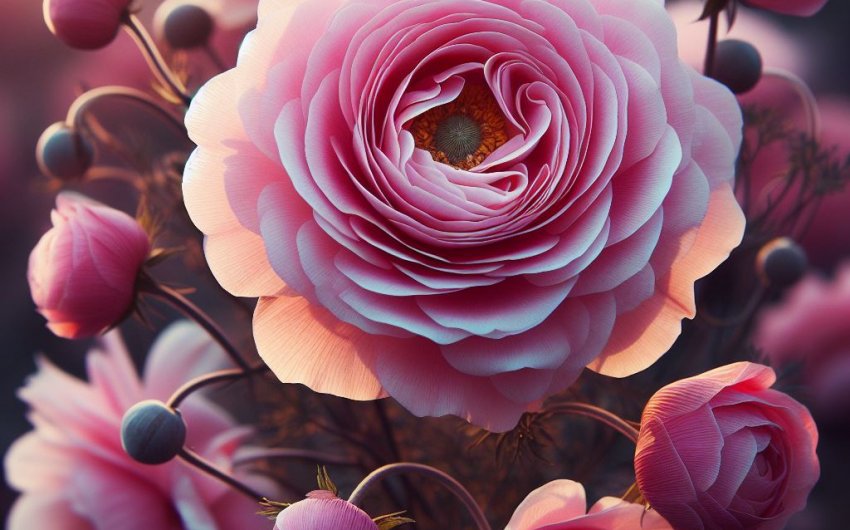
The allure of pink flowers in a garden is undeniable. From the softest blush to the most vibrant fuchsia, pink brings a sense of calm, joy, and often, a touch of romance to any landscape. While many cultivated varieties boast this charming hue, there's a special magic in incorporating "wild beauty"—plants that thrive with minimal fuss, often mirroring the effortless charm of nature itself. These aren't just about throwing seeds and hoping for the best; it's about choosing plants that are naturally suited to your environment, creating a vibrant, self-sustaining ecosystem with a delightful pink perfection.
Embracing this wilder side of gardening means selecting resilient, often native plants or well-adapted species that require less intervention, less water, and fewer chemicals. Imagine a garden teeming with life, where bees hum contentedly around blossoming coneflowers, butterflies flit between cheerful phlox, and delicate wild roses perfume the air, all adorned in shades of pink. This approach not only results in a breathtaking visual display but also fosters a healthier, more biodiverse environment. This guide will explore a variety of stunning pink-flowered plants that embody this concept of "wild beauty," showing you how to integrate them seamlessly into your garden for a truly effortless and enchanting landscape.
What Does "Wild Beauty" Mean in Gardening?
When we talk about "wild beauty" in the context of a garden, it's not about letting your garden become an overgrown mess. Instead, it's a philosophy that embraces the natural world, aiming to create a garden that feels harmonious with its surroundings, thrives with minimal fuss, and supports local wildlife. It's about designing a garden that is beautiful in a natural, less formal way, often featuring pink flowers.
Key Principles of Wild Beauty Gardening
- Native Plants: A core element is often the use of native plants. These are plants that naturally grow in your local region. They are adapted to your climate, soil type, and rainfall patterns, meaning they need less watering, less fertilizing, and are generally more resistant to local pests and diseases. This translates to less work for you and a healthier environment.
- Low Maintenance: Gardens with wild beauty aim for a lower maintenance approach. This means less pruning, less deadheading (removing spent flowers), and less need for chemical interventions like pesticides or herbicides. The plants are chosen for their resilience.
- Ecological Benefits: A garden that embraces wild beauty becomes a haven for local wildlife. Native plants provide food (nectar, pollen, seeds, berries) and shelter for pollinators (bees, butterflies), birds, and other beneficial creatures. This creates a balanced ecosystem in your own backyard.
- Natural Aesthetic: The look is more informal, relaxed, and organic. Instead of perfectly manicured rows or rigid shapes, you see drifts of color, plants mingling together, and a sense of effortless abundance. It's about letting plants express their natural growth habits.
- Sustainable Practices: It often involves sustainable gardening practices, such as rainwater harvesting, using compost to build soil health, and reducing waste.
- Resilience: These gardens are designed to be tough. Plants chosen for wild beauty are survivors; they can handle a bit of neglect, variable weather, and often come back strong year after year.
Why Choose "Pink Perfection" for Wild Beauty?
Pink is a color that occurs naturally across a vast array of wild and native plants. From the delicate blush of a wild rose to the vibrant magenta of a coneflower, pink shades fit perfectly into a natural garden setting.
- Versatility: Pink complements many other natural colors – greens, browns, purples, and blues.
- Attracts Pollinators: Many pink-flowered native plants are excellent at attracting bees, butterflies, and hummingbirds.
- Soothing and Cheerful: Pink evokes feelings of softness, charm, and cheerfulness, contributing to a welcoming and calming garden atmosphere.
By choosing plants that embody this wild beauty, you're not just creating a beautiful garden; you're building a vibrant, living ecosystem that gives back to nature and requires less effort from you.
Why Incorporate Native Pink Flowers?
Choosing native pink flowers for your garden is one of the most impactful ways to embrace the concept of "wild beauty." These plants are not just beautiful; they are ecological powerhouses that offer numerous benefits to your garden and the environment.
Environmental Harmony and Resilience
- Adapted to Local Conditions: Native plants have evolved over thousands of years to thrive in your specific climate, soil type, and rainfall patterns. This means they are inherently suited to your environment.
- Reduced Resource Use: Because they are adapted, native pink flowers generally require significantly less water once established (no need for constant supplemental irrigation), no chemical fertilizers, and are less susceptible to local pests and diseases. This saves you time, money, and reduces your environmental footprint.
- No Invasive Tendencies: By planting native species, you avoid the risk of introducing invasive plants that can outcompete and displace local flora, disrupting natural ecosystems.
Supporting Biodiversity and Wildlife
- Pollinator Powerhouses: This is perhaps the most significant benefit. Native pink flowers provide essential food sources (nectar and pollen) for native bees, butterflies, moths, and other pollinators that have co-evolved with these plants. Many native insects rely on specific native plants for survival. For instance, monarch butterfly caterpillars only eat milkweed.
- Host Plants: Beyond nectar, native plants often serve as host plants for the larval stages of butterflies and moths. This means the caterpillars eat the leaves of specific native plants. Without these host plants, many beautiful butterfly and moth species cannot complete their life cycle.
- Bird Food and Shelter: Native plants produce seeds, berries, and nuts that are vital food sources for birds. Their structure also provides essential nesting sites and shelter from predators and harsh weather. A garden rich in native plants becomes a vibrant wildlife sanctuary.
- Balanced Ecosystem: By supporting beneficial insects and birds, you create a more balanced garden ecosystem. These creatures can help control pest populations naturally, further reducing your need for chemical interventions.
Beauty and Authenticity
- Natural Aesthetic: Native plants blend seamlessly into the local landscape, creating a garden that feels authentic and looks like it belongs. Their inherent beauty is a perfect fit for a "wild beauty" aesthetic.
- Unique Appeal: Many native pink flowers offer unique textures, forms, and shades of pink that can be harder to find in common cultivated varieties.
- Sense of Place: A garden with native plants helps create a distinctive sense of place, celebrating the natural heritage of your region.
By choosing native pink flowers, you're not just planting for visual appeal; you're actively participating in conservation, supporting a healthy ecosystem, and cultivating a garden that is both stunning and sustainable.
What Are Some Top Pink Perennials for Wild Beauty?
Perennials are fantastic for "wild beauty" gardens because they come back year after year, establishing strong root systems and requiring less fuss once settled. Many beloved perennials bloom in gorgeous shades of pink, offering reliable color and ecological benefits.
Echinacea purpurea (Purple Coneflower)
- Why it's perfect: While its common name suggests "purple," many cultivars of Echinacea purpurea come in stunning shades of pink, from pale rose to vibrant magenta. They are incredibly tough, drought-tolerant once established, and a magnet for pollinators.
- Hardiness Zone: USDA Zones 3-9.
- Bloom Time: Summer to early fall.
- Care: Full sun to partial shade, well-draining soil. Very low maintenance. Deadhead spent flowers for more blooms or leave them for birds to enjoy the seeds. Look for cultivars like 'Magnus Superior' (bright rose-pink) or 'Pink Double Delight' (a ruffled double pink). Echinacea Purpurea Seeds are widely available.
Phlox paniculata (Garden Phlox)
- Why it's perfect: This tall, stately perennial forms large clusters of fragrant flowers. Many traditional and modern varieties feature lovely shades of pink, from soft blush to deep rose. They provide excellent vertical interest and attract butterflies and hummingbirds.
- Hardiness Zone: USDA Zones 4-8.
- Bloom Time: Mid-summer to early fall.
- Care: Full sun to partial shade, moist, fertile, well-draining soil. Good air circulation is key to prevent powdery mildew. Consider mildew-resistant varieties like 'Pink Flame' or 'Bright Eyes'. Garden Phlox Plants are a great way to start.
Monarda didyma (Bee Balm, Bergamot)
- Why it's perfect: With its unique, shaggy flower heads in shades of pink, red, and purple, Bee Balm is a pollinator powerhouse. As its name suggests, it's a favorite of bees, but also attracts hummingbirds and butterflies. It spreads readily, creating naturalistic drifts.
- Hardiness Zone: USDA Zones 3-9.
- Bloom Time: Mid-summer.
- Care: Full sun to partial shade, moist soil. Can be prone to powdery mildew in humid conditions; choose resistant varieties like 'Pink Supreme' or ensure good air circulation. Monarda Didyma Seeds are available.
Saponaria officinalis (Soapwort, Bouncing Bet)
- Why it's perfect: This charming, old-fashioned perennial produces masses of dainty, five-petaled pink or white flowers. It’s very tough and can naturalize easily, forming lovely informal clumps. Historically, its leaves were used to make soap.
- Hardiness Zone: USDA Zones 3-9.
- Bloom Time: Summer.
- Care: Full sun to partial shade, adaptable to various soils, including poor ones. Can spread aggressively, so consider planting where it has room to roam or in areas where its spread is desired. Soapwort Seeds.
Liatris spicata (Blazing Star, Gayfeather)
- Why it's perfect: While often purple, some varieties of Liatris offer stunning rosy-pink blooms. Its tall, spiky flower stalks bloom from the top down, creating an interesting vertical accent. It’s a huge draw for butterflies, especially monarch butterflies.
- Hardiness Zone: USDA Zones 3-9.
- Bloom Time: Mid-summer to fall.
- Care: Full sun, well-draining soil. Very drought-tolerant once established. 'Kobold Original' sometimes has pinkish-purple spikes. Liatris Spicata Bulbs are commonly planted.
Asclepias incarnata (Swamp Milkweed)
- Why it's perfect: Essential for monarch butterflies! This native plant produces clusters of fragrant, deep pink to rose-purple flowers. Despite its name, it doesn't require swampy conditions but prefers moist to wet soil. It's beautiful and vital for pollinators.
- Hardiness Zone: USDA Zones 3-9.
- Bloom Time: Summer.
- Care: Full sun, moist to wet soil. Very low maintenance. An absolute must for a pollinator-friendly garden. Swamp Milkweed Seeds are widely available for habitat restoration.
These pink perennials are not only stunning but also resilient and beneficial, perfectly embodying the "wild beauty" aesthetic in your garden.
What Are Some Great Pink Shrubs and Trees for Wild Beauty?
Adding pink-flowered shrubs and trees brings a completely different dimension to your "wild beauty" garden. They provide structure, height, and often extend the bloom season, all while maintaining that effortless, natural charm. Many of these woody plants are native or extremely well-adapted, offering significant ecological benefits.
Cercis canadensis (Eastern Redbud)
- Why it's perfect: While its common name is "Redbud," this native understory tree explodes with a profusion of tiny, pea-like, bright rosy-pink flowers directly on its branches in early spring, even before its heart-shaped leaves appear. It’s an incredibly important early nectar source for pollinators.
- Hardiness Zone: USDA Zones 4-9.
- Bloom Time: Early spring.
- Care: Full sun to partial shade, well-draining soil. Very adaptable once established. Provides lovely fall color too. Eastern Redbud Tree can be bought as a sapling.
Calycanthus floridus (Carolina Allspice, Sweetshrub)
- Why it's perfect: This native deciduous shrub has unique, strap-like, deep reddish-brown (sometimes pinkish-brown) flowers with a wonderfully spicy, fruity fragrance. While not bright pink, its subtle beauty and intoxicating scent make it a fantastic choice for a natural garden.
- Hardiness Zone: USDA Zones 4-9.
- Bloom Time: Late spring to early summer.
- Care: Full sun to partial shade, moist, well-draining soil. Very easy to grow and largely pest-free. Carolina Allspice Plant adds unique fragrance.
Rhododendron canescens (Piedmont Azalea)
- Why it's perfect: This native deciduous azalea boasts incredibly fragrant, often trumpet-shaped flowers in shades of light pink to rose with long stamens, appearing before the leaves. It's a key early spring nectar source for hummingbirds and large butterflies.
- Hardiness Zone: USDA Zones 5-9.
- Bloom Time: Early to mid-spring.
- Care: Partial shade, acidic, moist, well-draining soil rich in organic matter. Avoid planting in alkaline soils. Piedmont Azalea varieties are beautiful.
Rosa carolina (Carolina Rose) or Rosa virginiana (Virginia Rose)
- Why it's perfect: These are true wild roses, unpretentious and incredibly resilient. They produce simple, five-petaled fragrant pink flowers followed by attractive red rose hips that provide winter food for birds. They offer natural elegance without the fuss of cultivated roses.
- Hardiness Zone: USDA Zones 4-9 (varies by species).
- Bloom Time: Late spring to early summer.
- Care: Full sun to light shade, adaptable to a range of soils. Drought-tolerant once established. Provide space for them to spread naturally. Native Rose Bushes are tough.
Lagerstroemia indica (Crape Myrtle)
- Why it's perfect: While not native to North America (originally from Asia), Crape Myrtles are exceptionally well-adapted to hot, humid climates and are a beloved staple in Southern gardens. Many varieties feature stunning clusters of crinkly, pink flowers for an incredibly long season, often from summer into fall. They also offer attractive bark and fall foliage.
- Hardiness Zone: USDA Zones 7-9 (some varieties hardier).
- Bloom Time: Summer to fall.
- Care: Full sun, well-draining soil. Very drought-tolerant once established. Prune in late winter or early spring for best flowering. Look for mildew-resistant varieties. Pink Crape Myrtle Trees are popular.
These pink-flowered shrubs and trees provide backbone and beauty to your "wild beauty" garden, offering long-lasting color and ecological value.
Designing with Pink Perfection: Creating a Wildly Beautiful Garden
Integrating pink flowers into a "wild beauty" garden involves more than just selecting the right plants. It's about thoughtful design that enhances the natural aesthetic and maximizes the ecological benefits.
Embrace Informal Groupings and Drifts
- Naturalistic Planting: Instead of planting single specimens or rigid rows, plant groups of the same species in odd numbers (3, 5, 7) or create sweeping drifts of color. This mimics how plants grow in nature and creates a softer, more organic look.
- Layering: Think about plant heights. Place taller plants like Liatris or Garden Phlox at the back or center of a bed, mid-height plants like Echinacea in the middle, and shorter plants or groundcovers at the front. This creates visual depth.
Consider Bloom Time for Continuous Color
- Seasonal Interest: Choose a variety of pink perennials, shrubs, and possibly annuals (if desired) that bloom at different times throughout the growing season.
- Early Spring: Redbud trees or native azaleas provide the first flush of pink.
- Late Spring/Early Summer: Wild roses, some pink irises.
- Mid-Summer: Echinacea, Garden Phlox, Bee Balm, Liatris, and Crape Myrtle begin their display.
- Late Summer/Fall: Some Echinacea continue, and some pink asters (like New England Aster) can carry the color into autumn.
- Pollinator Support: A continuous bloom ensures a consistent food source for pollinators throughout the active season.
Play with Shades and Textures
- Monochromatic Schemes: An all-pink garden, using various shades from pale blush to deep fuchsia, can be incredibly elegant and soothing.
- Complementary Colors: Pink pairs beautifully with many colors.
- Green: The lush green foliage of most plants naturally highlights pink blooms.
- Purple/Blue: Combining pinks with purples (like native salvias or purple coneflowers) or blues (like native Baptisia or wild indigo) creates a rich, harmonious palette.
- White: White flowers can provide a crisp contrast and make pinks pop.
- Texture Contrast: Mix plants with different leaf shapes and flower forms. The broad leaves of a Redbud, the spiky bloom of Liatris, the feathery look of Bee Balm, and the daisy-like Echinacea all provide textural interest.
Incorporate Native Grasses and Other Natives
- Structural Support: Native grasses like Little Bluestem or Pink Muhly Grass add texture, movement, and often pinkish or purplish hues, complementing pink flowers beautifully. They also provide habitat and winter interest.
- Ecological Weavers: Integrate other non-flowering or subtly-flowering native plants that contribute to the ecosystem and help create a natural, cohesive look.
Focus on Soil Health and Mulch
- Build Soil Organically: A "wild beauty" garden thrives on healthy soil. Regularly amend your soil with compost to improve its structure, fertility, and water retention.
- Mulch: Apply a layer of organic mulch (wood chips, shredded leaves) to suppress weeds, retain moisture, and regulate soil temperature. This reduces maintenance and keeps the garden looking neat without being overly formal.
Provide Water Sources
- Bird Baths or Ponds: A shallow bird bath or a small pond will attract more wildlife to your garden and provide a necessary water source for birds and beneficial insects.
By thoughtfully designing your garden with these principles, you'll create a vibrant, resilient, and utterly charming "pink perfection" garden that celebrates natural beauty and supports local ecosystems. It's a garden that looks wild in the best possible way—effortless, abundant, and full of life.