
Worm Composting: How Vermicomposting Boosts Your Garden’s Growth
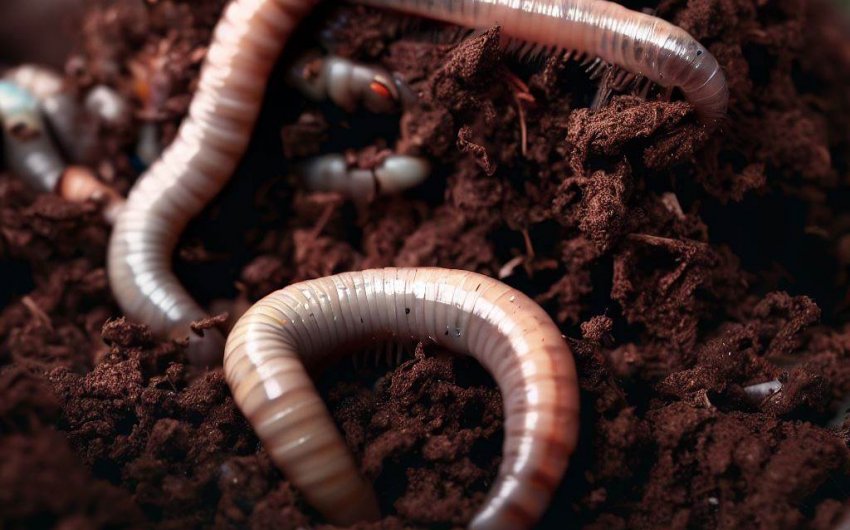
Worm composting (vermicomposting) significantly boosts your garden's growth by transforming kitchen scraps and organic waste into exceptionally nutrient-rich worm castings and "worm tea," which are superior soil amendments. This eco-friendly method harnesses the power of specialized composting worms to create a potent "black gold" that enhances soil structure, feeds plants, and suppresses diseases.
What Exactly is Worm Composting (Vermicomposting)?
Worm composting, or vermicomposting, is a fascinating and efficient method of composting that utilizes specific species of composting worms to break down organic waste, primarily kitchen scraps. Unlike traditional hot composting, it's a cold, continuous process that yields two highly valuable byproducts for your garden.
What Kind of Worms Are Used in Vermicomposting?
For vermicomposting, specific kinds of composting worms are used, not just any earthworm you might dig up from your garden. These specialized worms are voracious eaters of organic matter and thrive in the conditions created in a worm bin.
The primary composting worm species is:
- Red Wigglers (Eisenia fetida or Eisenia andrei):
- Voracious Eaters: Red wigglers are highly efficient at consuming kitchen scraps, eating up to half their body weight in food per day.
- Surface Dwellers: Unlike common garden earthworms that burrow deep, red wigglers prefer to live and feed in the top 6-8 inches of organic matter. This makes them ideal for shallow worm bins.
- Reproduce Rapidly: They reproduce quickly in optimal conditions, allowing their population to keep pace with your food waste output.
- Tolerant: They are relatively tolerant of various environmental conditions (within reason) and can withstand a wider range of temperatures than some other worm species.
- Not Native to All Gardens: They are not typically found in garden soil in all regions, so you generally need to purchase them. You can buy red wiggler composting worms online or from specialty suppliers.
Other less common but suitable species include European Nightcrawlers (Eisenia hortensis), which are larger and can also break down slightly coarser materials. Do NOT use common garden earthworms (Lumbricus terrestris), as they are not efficient at composting in a confined bin environment.
How Does Vermicomposting Differ from Traditional Composting?
Vermicomposting differs significantly from traditional composting (hot or cold) in its core biological process, the materials it handles, and the resulting end products. While both aim to recycle organic waste, they achieve this through distinct pathways.
Here's a comparison:
| Feature | Vermicomposting (Worm Composting) | Traditional Composting (Aerobic/Hot) |
|---|---|---|
| Process | Biologically driven by worms (and associated microbes) | Microbially driven (bacteria, fungi) |
| Decomposition | Worm digestion, mechanical breakdown, microbial activity | Primarily microbial breakdown (bacterial, fungal) |
| Temperature | Ambient/Mesophilic (cool to room temperature) | Thermophilic (hot, 130-160°F / 54-71°C) or cold (ambient) |
| Waste Accepted | Primarily kitchen scraps, paper; NO meat, dairy, oils, pet waste | Mix of kitchen scraps, yard waste; NO meat, dairy, oils, pet waste (for food gardens) |
| Odor | Earthy, forest floor smell (if healthy) | Earthy smell (if healthy); foul if anaerobic |
| Speed | Continuous process; castings ready in 2-4 months | Weeks to months (hot); 6 months to 2 years (cold) |
| End Product | Worm Castings (vermicompost) and Worm Tea (liquid fertilizer) | Finished Compost (solid soil amendment) |
| Pest Attraction | Minimal if managed well (indoors, no problem foods) | Can attract pests if unmanaged or problem foods added |
| Maintenance | No turning, occasional feeding, moisture check | Turning, C:N balance, moisture, heat check |
What are Worm Castings and Worm Tea?
Worm castings are the nutrient-rich excrement (poop) of composting worms, while worm tea (or leachate) is the liquid byproduct collected from the worm bin, both of which are highly prized as organic fertilizers and soil amendments. These are the "black gold" of vermicomposting.
- Worm Castings (Vermicompost):
- "Black Gold": Often called "black gold" due to their dark, crumbly appearance and exceptional benefits.
- Nutrient-Rich: Worm castings contain plant-available nutrients (nitrogen, phosphorus, potassium, micronutrients) in a slow-release form. These nutrients are often in higher concentrations and more readily available than in traditional compost.
- Microbial Powerhouse: Teeming with beneficial microorganisms that enhance soil health, nutrient cycling, and disease suppression.
- Growth Hormones: Contain humic acids, fulvic acids, and plant growth regulators that stimulate root development and overall plant vigor.
- Odorless: Fresh worm castings have a pleasant, earthy smell.
- Worm Tea (Leachate):
- Liquid Fertilizer: This is the liquid that drains from the bottom of a healthy worm bin. It's concentrated with nutrients and beneficial microbes that have leached out from the decomposing waste.
- Use: Must be diluted (e.g., 1 part worm tea to 10 parts water) before use as a liquid fertilizer for plants, either as a soil drench or a foliar spray.
- Caution: Don't confuse it with true compost tea, which is brewed from finished compost. "Worm tea" is leachate. If it smells foul, your bin is too wet, and it shouldn't be used.
Both worm castings and worm tea are incredibly effective organic amendments that greatly contribute to how vermicomposting boosts your garden's growth.
What Are the Key Benefits of Vermicomposting for Your Garden?
Vermicomposting offers a unique set of key benefits for your garden, making it an exceptionally powerful tool for improving soil health, nourishing plants, and promoting sustainable gardening practices. Its advantages are both profound and numerous.
How Do Worm Castings Improve Soil Structure and Health?
Worm castings dramatically improve soil structure and health, creating an optimal physical and biological environment for plant roots to thrive. They are far more effective than many other organic amendments in enhancing soil tilth and vitality.
Ways worm castings improve soil:
- Exceptional Soil Aggregation: Castings are natural soil aggregates, rich in polysaccharides and other glues produced by worms. These bind soil particles together, improving:
- Aeration: Creating air pockets in heavy clay soils.
- Drainage: Allowing water to penetrate better, preventing waterlogging.
- Water Retention: Increasing the soil's ability to hold moisture in sandy soils.
- Humus Formation: Castings are primarily stable humus, the dark, rich, long-lasting organic matter that is the backbone of healthy soil, enhancing its long-term fertility.
- pH Buffering: Worm castings help to stabilize soil pH, bringing it towards a neutral range that is ideal for most plants, making nutrients more available.
- Reduced Compaction: The fine, porous structure of castings helps to loosen compacted soils, making them easier to work.
- Increased Microbial Diversity: Castings are packed with a diverse array of beneficial microorganisms, which colonize the soil and enhance its overall biological activity.
By physically transforming the soil, worm castings create a much more hospitable environment for plant roots, which is fundamental to how vermicomposting boosts your garden's growth.
What Specific Nutrients Do Worm Castings Provide for Plants?
Worm castings provide a comprehensive array of specific nutrients for plants, often in higher concentrations and more plant-available forms than traditional compost. They are a powerhouse of balanced nutrition.
Nutrients provided by worm castings:
- Macronutrients:
- Nitrogen (N): Often in nitrate form (NO₃⁻), which is readily available for plant uptake.
- Phosphorus (P): Available as phosphate (PO₄³⁻), crucial for flowering and fruiting.
- Potassium (K): Available as potassium ions (K⁺), vital for overall plant vigor.
- Also contain significant amounts of Calcium (Ca), Magnesium (Mg), and Sulfur (S).
- Micronutrients: Contain a full spectrum of essential trace elements such as Iron (Fe), Manganese (Mn), Zinc (Zn), Copper (Cu), and Boron (B), all in plant-available forms.
- Humic and Fulvic Acids: These powerful organic compounds act as chelators, binding to nutrients and preventing them from becoming locked up in the soil, making them more available for root absorption.
- Plant Growth Regulators: Castings naturally contain beneficial plant hormones like auxins, gibberellins, and cytokinins, which stimulate root development, stem growth, and overall plant vigor.
The combined effect of these highly available nutrients and growth regulators makes worm castings an exceptionally potent natural fertilizer, directly demonstrating how vermicomposting boosts your garden's growth.
How Does Vermicomposting Enhance Plant Health and Disease Resistance?
Vermicomposting enhances plant health and disease resistance by creating a biologically active soil environment that strengthens the plant's natural defenses and actively suppresses pathogens. It's a natural shield against common plant problems.
Ways vermicomposting boosts health and resistance:
- Disease Suppression:
- Microbial Competition: The diverse microbial community in worm castings outcompetes harmful pathogens for food and space in the soil.
- Antagonistic Compounds: Some beneficial microbes produce natural antibiotic or antifungal compounds that directly inhibit or kill plant pathogens.
- Induced Systemic Resistance (ISR): Worm castings contain compounds and microbes that can trigger a plant's own immune system, making it more resistant to a wide range of diseases, even in parts of the plant not directly colonized.
- Improved Plant Vigor: Healthy, well-nourished plants grown in vermicompost-rich soil are inherently more resilient to pests, diseases, and environmental stresses. They have stronger immune systems and can recover more quickly.
- Stronger Root Systems: The improved soil structure, nutrient availability, and presence of growth hormones from castings promote robust root development, which is foundational to plant health.
- Pest Deterrence: The presence of beneficial microbes and fungi in vermicompost can sometimes deter certain soil-borne pests. Some studies suggest a link between vermicompost and reduced insect damage, though more research is ongoing.
- pH Buffering: Stabilized soil pH (due to castings) optimizes the availability of nutrients and supports a healthy microbial community that further protects plants.
By building a robust, biologically active soil, vermicomposting provides a powerful natural defense system for your plants, significantly contributing to how vermicomposting boosts your garden's growth.
What Supplies Do You Need for Vermicomposting?
Starting worm composting (vermicomposting) is straightforward and can be quite budget-friendly, requiring just a few key supplies. Once you have these basics, you're ready to invite your worm team to begin transforming your kitchen scraps.
What Kind of Worm Bin is Best for Beginners?
For beginners, the best kind of worm bin is typically a stacked tray system or a simple DIY plastic bin, as these are easy to manage, space-efficient, and effective for processing kitchen scraps.
Recommended worm bins for beginners:
- Stacked Tray System (e.g., Worm Factory 360):
- Description: Consists of several trays that stack on top of each other, plus a collection tray at the bottom for "worm tea." You add food to the top tray, and worms migrate upwards as they finish the lower trays.
- Pros: Easy harvesting (remove bottom trays), continuous composting, good aeration, compact design, visually appealing.
- Cons: Higher initial cost than DIY.
- A Worm Factory 360 composter is a popular, robust option.
- Simple DIY Plastic Bin:
- Description: Use two opaque plastic storage bins (e.g., 10-gallon totes) with lids. Drill numerous small holes (1/4-inch) in the bottom of one bin (the working bin) and in its lid for aeration. Drill slightly larger holes in the lid of the second bin (the collection bin).
- Setup: Place bricks/wood in the second (collection) bin. Place the first (working) bin on top of these bricks. The second bin collects liquid.
- Pros: Very inexpensive, easy to customize.
- Cons: Harvesting is more manual; may require more frequent moisture checks.
- Flow-Through Bin: (More advanced) Large, often tall bins where castings are harvested from the bottom while fresh waste is added to the top.
Choosing the right bin will set you up for success in how vermicomposting boosts your garden's growth.
What Type of Bedding Do Composting Worms Need?
Composting worms need a moist, fibrous bedding material that provides them with a home, a source of carbon, and helps regulate moisture in the bin. The right bedding is crucial for a healthy worm population.
Ideal bedding materials:
- Shredded Newspaper/Cardboard:
- Type: Black and white newspaper (avoid glossy inserts), plain corrugated cardboard (tear off tape/labels), paper egg cartons.
- Preparation: Shred into 1-2 inch (2.5-5 cm) strips. Moisten thoroughly before adding to the bin.
- Coconut Coir:
- Type: A fibrous material made from coconut husks, available in compressed bricks.
- Preparation: Soak in water to expand.
- Pros: Excellent moisture retention, pH neutral, pest-resistant.
- A coconut coir brick for composting is easy to prepare.
- Shredded Fall Leaves:
- Type: Dry, non-diseased leaves, preferably shredded.
- Pros: Natural, free carbon source.
- Cons: Can sometimes compact if not mixed with other bedding.
- Peat Moss:
- Type: Sphagnum peat moss.
- Pros: Good moisture retention.
- Cons: Can be acidic, a non-renewable resource.
Never use sawdust from treated wood as bedding. Aim for a mix of bedding materials for diversity.
What Other Tools and Materials Are Helpful?
Beyond the bin, worms, and bedding, a few other tools and materials can be helpful to streamline your vermicomposting process and ensure optimal results. These make worm bin management easier.
Helpful tools and materials:
- Moisture Meter: A soil moisture meter is useful for monitoring bedding dampness.
- Hand Trowel/Small Scoop: For adding food scraps and gently moving bedding.
- Watering Can with a Rose/Sprinkler Head: For gently moistening bedding if it becomes too dry.
- Gloves: To protect your hands when handling bedding and castings.
- Kitchen Scraps Collector: A small, lidded kitchen compost pail for collecting food waste before adding it to the worm bin.
- Non-Chlorinated Water: Rainwater or tap water that has sat out for 24 hours to allow chlorine to off-gas.
- Scale (optional): To weigh food scraps and ensure you're not overfeeding your worms.
- Shredder (optional): For quickly processing newspaper or cardboard for bedding.
These simple additions can make your vermicomposting experience even more efficient and enjoyable, aiding in how vermicomposting boosts your garden's growth.
How Do You Set Up and Maintain a Worm Bin?
Setting up and maintaining a worm bin is a relatively simple process that beginners can master quickly. The key is to provide a stable, comfortable environment for your worms so they can efficiently transform your kitchen scraps into valuable castings.
How Do You Prepare the Bedding and Introduce Worms?
Preparing the bedding and introducing worms correctly are the foundational steps for setting up a healthy and productive worm bin. These initial actions create a welcoming home for your red wigglers.
- Shred Bedding Materials: Thoroughly shred your chosen bedding (newspaper, cardboard, coir) into 1-2 inch (2.5-5 cm) strips.
- Moisten Bedding: Place the shredded bedding in a bucket and add non-chlorinated water. Mix until it's consistently damp, like a wrung-out sponge. It should be moist but not dripping wet.
- Fill the Bin: Add a generous layer of moist bedding (about 6-8 inches / 15-20 cm deep) to the bottom of your worm bin. Fluff it lightly to ensure good aeration.
- Add a Handful of Soil/Grit (Optional): A small handful of garden soil or sand can be added. This provides grit for the worms' gizzards, which helps them digest food.
- Create a Feeding Spot: Gently push some bedding aside in one corner to create a small depression for the initial food scraps.
- Introduce Worms: Gently place your red wiggler composting worms on top of the bedding. They are sensitive to light and will quickly burrow down into the bedding to hide.
- Add Initial Food: Place a very small amount of kitchen scraps (e.g., a few banana peels) in the feeding spot you created. Gently cover with bedding.
- Place Lid: Secure the lid on your worm bin.
- Allow Acclimation: Leave the worms undisturbed for a few days to a week to allow them to acclimate to their new home before adding more food.
This careful setup provides the worms with a safe and comfortable environment to begin their work, optimizing how vermicomposting boosts your garden's growth.
How Often Should You Feed and Water Your Worms?
How often you should feed and water your worms are critical maintenance tasks in vermicomposting. Consistent, appropriate feeding and moisture levels prevent bin issues and ensure a thriving worm population.
- Feeding Frequency:
- Start Small: Begin by feeding a small amount of food scraps (e.g., 1 cup) once or twice a week.
- Monitor Consumption: Observe how quickly the worms eat the food. If the food is gone in 2-3 days, you can slowly increase the amount or frequency. If it's sitting there for a week, you're overfeeding.
- General Guideline: Composting worms can eat roughly half their body weight in food per day. A common starting population of 1 lb of worms (about 1,000 worms) can eat 0.5 lbs of food per day (or 3.5 lbs per week).
- "Pocket Feeding": Bury food scraps in a different "pocket" or section of the bin each time you feed. This allows worms to migrate to the food and prevents one area from becoming too saturated. Always cover the food with bedding.
- Watering (Moisture Management):
- "Wrung-Out Sponge": The bedding should always be consistently moist, like a wrung-out sponge.
- Check Regularly: Check the moisture level by feeling the bedding every few days or weekly.
- Add Water (if dry): If the bedding feels dry, gently mist it with non-chlorinated water using a spray bottle or a watering can with a fine rose attachment.
- Add Dry Bedding (if too wet): If the bin is too wet or soggy, add more dry shredded newspaper or cardboard to absorb excess moisture.
- Drain Worm Tea (Leachate): For bins with a spigot, drain the accumulated "worm tea" every few days to a week to prevent the bin from becoming waterlogged.
Consistent but observant feeding and moisture management are key to a happy and productive worm bin.
What are the Ideal Environmental Conditions for a Worm Bin?
Maintaining ideal environmental conditions for a worm bin ensures your red wigglers thrive, efficiently breaking down organic waste without odors or pest problems. Temperature, light, and location are crucial.
- Temperature:
- Optimal Range: Red wigglers thrive in temperatures between 55°F and 77°F (13°C and 25°C).
- Avoid Extremes: Temperatures below 40°F (4°C) or above 85°F (29°C) can be fatal.
- Indoor Placement: Keeping bins indoors (kitchen, basement, garage, laundry room) often provides stable, ideal temperatures.
- Outdoor Placement: If outdoors, place in a shaded, protected area. Insulate in winter with straw or blankets. Move indoors during extreme heat or cold.
- Light:
- Darkness is Key: Worms are naturally averse to light. Keep the lid on the bin to maintain darkness.
- Initial Acclimation: When first introducing worms, they will burrow down from light.
- Airflow:
- Ventilation Holes: Ensure your bin has sufficient small ventilation holes (1/4-inch) in the lid and/or sides to allow for oxygen exchange without allowing pests to enter.
- Fluff Bedding: Occasionally gently fluff the bedding to prevent compaction and ensure good airflow.
- Location:
- Accessible: Choose a convenient spot for regular feeding.
- Protected: Away from direct sun, harsh winds, and areas with extreme temperature fluctuations.
- Stable Surface: Place the bin on a stable, level surface.
By providing these optimal conditions, you ensure your worm bin remains a happy and efficient ecosystem, actively contributing to how vermicomposting boosts your garden's growth.
What Are Common Problems and How to Troubleshoot a Worm Bin?
Even with careful setup and maintenance, you might encounter some common problems in a worm bin. Thankfully, most are easy to troubleshoot and fix, ensuring your vermicomposting journey remains productive and enjoyable.
What Causes Bad Smells in a Worm Bin and How to Fix It?
Bad smells in a worm bin are almost always a clear sign that something is off, typically related to overfeeding or too much moisture. A healthy worm bin should smell earthy, like a forest floor.
| Smell | Likely Cause | How to Fix It |
|---|---|---|
| Putrid/Rotten | Overfeeding: Too much food rotting; lack of oxygen. Too Wet: Bedding is soggy, creating anaerobic conditions. | 1. Stop feeding for several days. 2. Gently aerate (fluff) bedding. 3. Add more dry, shredded bedding (newspaper, cardboard). |
| Ammonia | Too much high-nitrogen food. | 1. Add more dry, carbon-rich bedding. 2. Mix gently. 3. Reduce nitrogen-rich food. |
| Sour/Alcoholic | Too much sugary food scraps fermenting. | 1. Reduce sugary food (fruits). 2. Mix gently, add dry bedding. |
The best defense against bad smells is balanced feeding and maintaining consistent, appropriate moisture levels in the bedding.
How Do You Deal with Pests in a Worm Bin?
Dealing with pests in a worm bin usually involves preventing their access, addressing the conditions that attract them, and sometimes physically removing them. A healthy, well-managed bin is naturally less attractive to unwanted visitors.
| Pest | Attracted By | How to Fix It |
|---|---|---|
| Fruit Flies | Exposed food scraps, overfeeding | 1. Bury all food scraps completely. 2. Reduce feeding. 3. Add a layer of dry bedding. |
| Ants | Dry bedding, sweet food scraps, access from outside | 1. Ensure bedding is moist. 2. Place bin legs in shallow water dishes if outdoors. 3. Eliminate food spills around bin. |
| Fungus Gnats | Too wet bedding, mold | 1. Dry out bin (add dry bedding, reduce feeding). 2. Improve aeration. 3. Yellow sticky traps. |
| Mice/Rodents | Meat, dairy, oily foods, accessible bin | 1. NEVER add these items. 2. Ensure bin is truly sealed. 3. Move bin indoors if necessary. |
| Mites (Brown/Red) | Too wet, decaying food | 1. Add dry bedding. 2. Reduce feeding. 3. Gently turn bedding. Usually harmless. |
Remember, a few harmless insects (like springtails, white mites) are natural in a worm bin. Focus on controlling problematic pests.
What If Your Worms Are Trying to Escape?
If your worms are trying to escape (crawling up the sides, congregating under the lid, or trying to leave the bin), it's a clear sign that something in their environment is not right. They are telling you they're unhappy.
Common reasons for worm escape and how to fix it:
- Bin Too Wet/Soggy:
- Problem: Lack of oxygen due to waterlogging.
- Solution: Add plenty of dry, shredded bedding (newspaper, cardboard) to absorb excess moisture. Gently fluff the bedding. Reduce feeding of wet scraps. Ensure drainage holes are not clogged.
- Bin Too Dry:
- Problem: Worms need moisture to breathe and move.
- Solution: Gently mist the bedding with non-chlorinated water until it's like a wrung-out sponge.
- Overfeeding (Too Much Food):
- Problem: Food is rotting and creating odors or heat (if it's a very large amount).
- Solution: Stop feeding for several days. Gently mix in dry bedding. Reduce future feeding amounts.
- Temperature Extremes:
- Problem: Bin is too hot or too cold.
- Solution: Move the bin to a more temperate location (indoors is often best). Add insulation in cold weather. Provide shade/ventilation in hot weather.
- Acidic Conditions (Rare):
- Problem: Very acidic food (e.g., too many citrus peels) can make the bin uncomfortable.
- Solution: Add a sprinkle of crushed eggshells or rock dust to buffer pH. Reduce acidic food.
By paying attention to these warning signs and making adjustments, you can quickly make your worms happy and keep them working efficiently in their bin.
How Do You Harvest and Use Worm Castings for Garden Growth?
The most exciting part of worm composting (vermicomposting) is learning how to harvest and use the nutrient-rich worm castings and worm tea to significantly boost your garden's growth. This is where your effort truly pays off.
When is it Time to Harvest Worm Castings?
Knowing when it's time to harvest worm castings is important for maintaining a healthy worm bin and ensuring you get the best quality product for your garden. It typically takes a few months to accumulate enough castings.
Signs it's time to harvest:
- Finished Appearance: The bin (or a specific tray in a stacked system) will be mostly dark, crumbly, earthy-smelling material, with very few identifiable food scraps or bedding pieces.
- Worm Density: You'll see a high concentration of worms, but they will be surrounded by fine castings rather than large pieces of food.
- Timeframe: Depending on your bin size, worm population, and feeding rate, it usually takes 2-4 months from the start of a bin, or from when a tray was completely filled.
- Stacked Systems: In stacked bins, when the bottom tray is mostly castings, it's time to harvest.
Harvesting is essential for providing fresh bedding and space for your worms to continue working effectively.
What are the Easiest Methods for Harvesting Worm Castings?
There are several easy methods for harvesting worm castings, each designed to separate the worms from their finished product with minimal fuss. Choose the method that best suits your bin type and preference.
- Stacked Tray Method (for multi-tray bins):
- Stop adding food to the lower, finished trays.
- Add fresh bedding and food only to the very top tray.
- Worms will naturally migrate upwards to the fresh food and bedding over 2-4 weeks.
- Once the lower trays are largely worm-free, remove the bottom tray of finished castings.
- You can also harvest "worm tea" from the bottom collection tray at any time.
- "Move Aside" or "Side-to-Side" Method (for single-compartment bins):
- Stop feeding for about a week to let worms process existing food.
- Push all the finished material (and worms) to one side of the bin.
- Fill the other side with fresh bedding and food scraps.
- Over 2-4 weeks, worms will migrate to the new food.
- Once the "old" side is mostly worm-free, scoop out the finished castings.
- Light Method (for single-compartment bins):
- Stop feeding for a week.
- Dump the entire contents of the bin onto a tarp or plastic sheet in a cone shape on a sunny day (or under a bright light indoors).
- Wait 20-30 minutes. Worms are light-sensitive and will burrow downwards to escape.
- Gently scrape off the top layer of finished castings.
- Repeat this process, removing layers of castings as the worms move deeper, until you are left with a ball of worms in the center. Return these worms to a freshly prepared bin.
Harvesting is a satisfying process that yields precious resources for your garden.
What are the Best Ways to Use Worm Castings and Worm Tea?
Worm castings and worm tea are incredibly versatile and effective amendments for boosting your garden's growth, offering a wide range of applications that cater to different plant needs and gardening styles.
- Worm Castings (Solid Vermicompost):
- Soil Amendment: Mix 10-20% worm castings into your garden soil before planting to improve fertility and structure.
- Top Dressing: Apply a 1/2 to 1-inch layer around the base of established plants (flowers, vegetables, shrubs, trees) for a slow, continuous release of nutrients.
- Potting Mix: Blend 1 part worm castings with 2-3 parts commercial potting mix for superior container plants and seed starting. A potting soil scoop can help with mixing.
- Seed Starting: A small amount of finely screened castings can be added to seed starting mixes for a gentle nutrient boost.
- Planting Holes: Add a handful to the bottom of planting holes for seedlings or new plants.
- Compost Tea (Brewing): Use worm castings as the primary ingredient for brewing high-quality compost tea.
- Worm Tea (Liquid Leachate):
- Liquid Fertilizer: Always dilute worm tea with water at a ratio of 1:10 (1 part tea to 10 parts water), or even 1:20 for sensitive plants.
- Soil Drench: Use to water houseplants or outdoor plants, delivering quick nutrients and beneficial microbes to the root zone.
- Foliar Spray: Apply diluted worm tea as a foliar spray (early morning or late evening) to plant leaves. This can boost growth and provide some disease suppression. Use a garden sprayer.
By consistently providing these powerful amendments, worm composting is a proven method for significantly boosting your garden's growth and overall health.