
How can I incorporate composting into my gardening routine year-round?
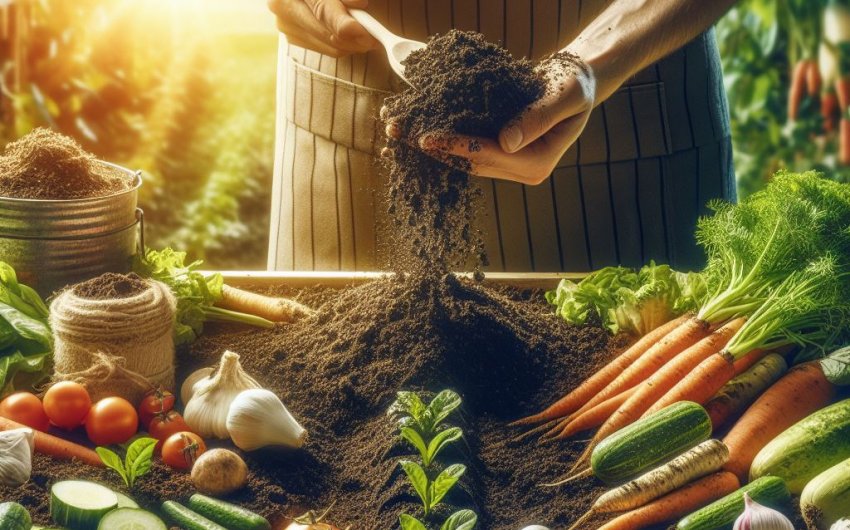
To incorporate composting into your gardening routine year-round, establish a consistent system for collecting organic waste, balance "greens" and "browns" within your compost bin, and actively manage moisture and aeration to ensure continuous decomposition. This cyclical process enriches your garden soil sustainably season after season.
Why is Composting Essential for a Healthy Garden?
Composting is often called "black gold" by gardeners, and for good reason. It's a fundamental practice that transforms organic waste into a nutrient-rich soil amendment, making it absolutely essential for cultivating a thriving and sustainable garden. When you incorporate composting into your gardening routine year-round, you're not just dealing with waste; you're actively building a healthier future for your plants.
1. Enriches Soil with Nutrients
- Natural Fertilizer: Compost is packed with a wide array of essential plant nutrients (nitrogen, phosphorus, potassium, and numerous trace minerals) that are released slowly over time. This provides a steady and balanced food source for your plants, reducing the need for synthetic fertilizers.
- Improved Nutrient Uptake: The organic matter and diverse microbial life in compost enhance the soil's ability to hold onto and make these nutrients available to plant roots.
2. Improves Soil Structure
- Better Drainage (for clay soils): Adding compost to heavy clay soils breaks up compaction, creating pore spaces that allow water to drain more effectively, preventing waterlogging and root rot.
- Improved Water Retention (for sandy soils): In sandy soils, compost acts like a sponge, increasing the soil's capacity to hold water and nutrients, making them available to plants for longer periods.
- Enhanced Aeration: A well-structured soil with good aeration allows plant roots to breathe and grow deeper, leading to stronger, healthier plants.
3. Fosters Beneficial Soil Life
- Microbial Heaven: Compost is teeming with billions of beneficial microorganisms (bacteria, fungi, protozoa), earthworms, and other essential soil organisms. These organisms form a healthy soil food web that:
- Breaks Down Organic Matter: Continues to decompose organic material, cycling nutrients.
- Suppresses Diseases: Competes with or produces compounds that inhibit harmful plant pathogens, reducing the incidence of fungal infections and other diseases.
- Improves Root Health: Some microbes form symbiotic relationships with plant roots, enhancing nutrient and water uptake.
4. Suppresses Weeds and Reduces Water Evaporation
- Living Mulch (when used as top dressing): A layer of compost applied as a top dressing acts like an organic mulch. It helps suppress weed germination by blocking sunlight, reducing competition for your desired plants.
- Moisture Conservation: The spongy nature of compost helps retain soil moisture, reducing the need for frequent watering. This is especially beneficial during dry spells.
5. Reduces Waste and Environmental Impact
- Diverts Waste from Landfills: Composting kitchen scraps and yard waste diverts a significant portion of household waste from landfills, where it would otherwise produce methane, a potent greenhouse gas.
- Reduces Carbon Footprint: By creating your own soil amendments, you reduce the need for commercially produced fertilizers (which require energy for manufacturing and transportation) and minimize your carbon footprint.
- Sustainable Cycle: Composting closes the nutrient loop in your garden, creating a truly sustainable system where waste becomes a valuable resource.
6. Healthier Plants, Better Yields
- Stronger Resistance: Plants grown in healthy, compost-amended soil are less stressed and more resistant to pests, diseases, and environmental challenges (e.g., drought, heat).
- Increased Productivity: Healthy plants lead to more vigorous growth, abundant flowering, and higher yields for fruits, vegetables, and ornamental plants.
By making composting a central part of your routine, you invest in the long-term vitality of your garden, creating a fertile, living foundation that will reward you season after season.
What Materials Can Be Composted Year-Round?
To successfully incorporate composting into your gardening routine year-round, it's crucial to understand the types of materials that can be composted. Composting is all about balancing "greens" (nitrogen-rich) and "browns" (carbon-rich) to create the ideal environment for decomposition.
"Green" Materials (Nitrogen-Rich)
These materials provide the nitrogen that fuels the microorganisms in your compost pile, encouraging rapid decomposition.
- Kitchen Scraps:
- Fruit and vegetable peelings, cores, and scraps.
- Coffee grounds (and paper filters).
- Tea bags (remove staples/synthetic bags).
- Spent grains from brewing (in moderation).
- Fresh Garden Waste:
- Fresh grass clippings (in thin layers to prevent matting and odors).
- Soft green plant trimmings (leaves, small stems from annuals).
- Spent annuals.
- Weeds (ideally before they set seed; avoid persistent perennial weeds like bindweed).
- Other:
- Manure from herbivores (chickens, cows, horses, rabbits – ensure it's aged if possible). Never use pet waste (dogs, cats) due to potential pathogens.
"Brown" Materials (Carbon-Rich)
These materials provide the carbon (energy source) for microorganisms and create bulk and air pockets in the compost pile.
- Fallen Leaves: Excellent, abundant source of carbon. Shredding them helps them break down faster.
- Straw and Hay: Provide good structure and carbon. Ensure it's not treated with persistent herbicides.
- Wood Chips / Sawdust: Break down slowly, so use in moderation and mix well. Good for adding bulk and aeration.
- Shredded Newspaper / Cardboard: Uncoated cardboard (remove tape, labels) and black-and-white newspaper are good carbon sources. Shredding is key.
- Twigs and Small Branches: Break or chop them into small pieces for faster decomposition.
- Dried Plant Stems: Stems from spent perennials or dried annuals.
- Pine Needles: Can be used, but break down slowly and are acidic. Use in moderation.
Materials to AVOID Composting:
These items can attract pests, spread disease, or decompose poorly.
- Meat, Bones, Fish, Dairy Products, Fats/Oils: Attract rodents and other pests, create foul odors, and can cause anaerobic conditions.
- Pet Waste (Dog, Cat, etc.): Can contain harmful pathogens that won't be killed by typical home composting temperatures.
- Diseased Plants: Can spread diseases (especially fungal infections) to your finished compost and then back to your garden. Bag and dispose of diseased plant material in the trash.
- Weeds with Seeds or Invasive Weeds: Seeds may survive the composting process and sprout in your garden. Invasive perennial weeds (e.g., bindweed, quackgrass) can regrow from root fragments.
- Chemically Treated Wood or Plants: May contain harmful residues (e.g., pressure-treated lumber, plants sprayed recently with persistent herbicides).
- Pest-Infested Plants: Can harbor insect eggs or larvae.
By maintaining a good balance of "greens" and "browns" (aim for roughly 1:1 by volume, or slightly more browns) and avoiding problematic materials, you can ensure a steady supply of high-quality compost throughout the year. You might collect Compostable Kitchen Scraps in a countertop bin.
How Do You Set Up a Composting System for Year-Round Use?
To truly incorporate composting into your gardening routine year-round, choosing and setting up the right composting system is key. Different methods suit different spaces, waste volumes, and levels of involvement. The goal is a continuous cycle of waste-to-resource transformation.
1. Choose Your Composting Method and Bin
Consider your space, waste volume, and desired speed of decomposition.
- Compost Piles/Heaps (Least Equipment):
- Description: Simplest method, often just a heap on the ground. Can be enclosed by wire mesh or pallets.
- Pros: Very low cost, accommodates large volumes of yard waste.
- Cons: Can be slow without turning, may attract pests if not managed well, less aesthetically pleasing.
- Compost Bins (Static/Batch):
- Description: Enclosed structures (plastic bins, wooden boxes) designed to hold a compost pile. You fill it up, let it decompose, then harvest from the bottom or empty it out.
- Pros: Neater, helps retain heat and moisture, can deter some pests. Many are designed to be easy to turn or access.
- Cons: Limited capacity; once full, you need a second bin or to start a new pile.
- Types: Single-batch bins, multi-compartment bins. A good choice is a Large Outdoor Compost Bin.
- Compost Tumblers:
- Description: Enclosed, rotating drums mounted on a stand. You add materials and spin the drum to mix.
- Pros: Fastest method if managed correctly (daily turning), very easy to turn, keeps materials contained, less attractive to pests, neat and clean.
- Cons: Limited capacity, more expensive upfront.
- Tips: Best for smaller households or for quickly producing a batch of compost. Often best to have two tumblers: one for "cooking," one for adding new scraps.
- Worm Composting (Vermicomposting):
- Description: Using specific worms (red wigglers) in a special bin to break down food scraps.
- Pros: Excellent for kitchen scraps, can be done indoors (no odor if managed well), produces nutrient-rich "worm castings."
- Cons: Slower for large volumes of yard waste, specific temperature requirements for worms. A Worm Composting Bin is easy to set up.
2. Choose the Right Location
- Accessibility: Place your compost system conveniently close to both your kitchen (for food scraps) and your garden beds (for adding finished compost).
- Shade/Partial Shade: A location that gets some shade prevents the pile from drying out too quickly in summer, which can slow decomposition.
- Well-Drained Area: Avoid low spots where water might collect and make the pile soggy.
- Away from Walls/Fences: Allow for good air circulation around the bin.
- Proximity to Water Source: You'll need to moisten the pile regularly.
3. Start Your Pile (First Layer)
- Good Base: Start with a 4-6 inch (10-15 cm) layer of coarse "brown" materials (small twigs, straw, chopped branches) at the bottom. This helps with drainage and aeration and prevents compaction.
4. Build Layers ("Lasagna Method")
- Alternate Greens and Browns: The most effective way to build a compost pile is to alternate thin layers of "green" (nitrogen-rich) and "brown" (carbon-rich) materials.
- Example: Layer of kitchen scraps, then a layer of fallen leaves, then grass clippings, then shredded paper.
- Ratio: Aim for roughly 1 part green to 2 parts brown by volume. Don't add large clumps of just one material (e.g., a thick layer of wet grass clippings will compact and become smelly).
- Smaller Pieces are Better: Chop or shred materials into smaller pieces (less than 2 inches / 5 cm) before adding them. This increases surface area for microbes to work on and speeds decomposition.
5. Moisten as You Go
- Damp Sponge Consistency: Each time you add a new layer, especially brown materials, moisten it. The pile should feel like a wrung-out sponge—damp, but not dripping wet.
- Why: Water is essential for microbial activity. Too dry, and decomposition slows to a crawl; too wet, and it becomes anaerobic and smelly.
By carefully setting up your system and building your compost pile with balanced layers and proper moisture, you'll ensure a successful and continuous process, making it easy to incorporate composting into your gardening routine year-round.
How Do You Maintain Your Compost Pile Year-Round?
Maintaining your compost pile correctly is vital to incorporate composting into your gardening routine year-round, ensuring a continuous supply of nutrient-rich "black gold" for your garden. It involves a consistent balance of moisture, aeration, and material additions.
1. Balance "Greens" and "Browns"
- Ongoing Addition: As you collect kitchen scraps ("greens") and yard waste ("browns"), continue to add them in alternating layers to your compost bin.
- Ratio: Aim for a carbon-to-nitrogen ratio of roughly 25-30 parts carbon to 1 part nitrogen. In practical terms, this often means adding roughly twice as much brown material as green material by volume.
- Why it's Important:
- Too Many Greens: Leads to a slimy, smelly, compacted pile that is too wet and goes anaerobic (lacks oxygen).
- Too Many Browns: Leads to a dry, slow-to-decompose pile with insufficient nitrogen to fuel microbial activity.
- Tips: Keep a stash of dry "brown" materials (shredded leaves, straw) near your compost bin to easily cover fresh "greens" and balance the ratio.
2. Monitor Moisture Levels
- "Damp Sponge" Rule: The compost pile should consistently feel like a wrung-out sponge.
- Too Dry: If it's too dry, decomposition will slow down significantly. Add water gradually with a hose, mixing it in as you do so.
- Too Wet: If it's too wet and smells foul, add more dry "brown" materials (shredded cardboard, dry leaves, wood chips) and turn the pile to introduce air.
- Year-Round: Adjust watering based on the season. You'll need to water more frequently in hot, dry summers and less in cool, wet winters.
3. Provide Aeration (Turning)
- Oxygen is Key: Microorganisms that break down compost need oxygen (aerobic decomposition). Without it, the pile becomes anaerobic, decomposition slows, and it starts to smell like rotten eggs.
- How to Aerate:
- Turning: The most effective method. Use a pitchfork, shovel, or compost aerator to regularly turn the pile, bringing material from the outside to the center and breaking up clumps.
- Frequency: For fast, hot composting, turn every few days. For a slower process, turn every 1-4 weeks. Tumblers are designed for easy daily turning.
- Compost Aerator: A specialized tool that allows you to easily pull up material from the bottom without fully turning the pile. A Compost Aerator Tool simplifies this.
- Turning: The most effective method. Use a pitchfork, shovel, or compost aerator to regularly turn the pile, bringing material from the outside to the center and breaking up clumps.
- Benefits: Turning speeds up decomposition, distributes moisture, and ensures even heating.
4. Monitor Temperature (Optional, for "Hot Composting")
- Why: For "hot composting" (fast decomposition), the pile should reach 130-160°F (54-71°C). This temperature kills weed seeds and pathogens.
- How: Use a compost thermometer. If the temperature drops, it often means the pile needs turning or more "greens."
- Note: Many home composters do "cold composting," which is slower but still effective and produces good compost; it just may not kill all weed seeds.
5. Harvest Finished Compost
- Signs of Readiness: Finished compost is dark brown, crumbly, smells earthy and fresh (like forest soil), and you can no longer distinguish the original materials.
- How to Harvest: For open piles or bins, you can "sift" the top, unfinished material back into the active pile and harvest the finished compost from the bottom or simply remove finished material from the bottom. Tumblers will have a harvest door.
6. Year-Round Adjustments
- Winter: Decomposition slows down in cold weather. Continue adding scraps, but expect slower breakdown. Keep the pile moist but not frozen solid. You might want to cover the pile with a tarp for insulation.
- Summer: Decomposition is fastest. Monitor moisture levels closely as piles can dry out quickly. You may need to water more frequently.
By actively managing your compost pile's balance, moisture, and aeration throughout the year, you ensure a continuous and productive cycle, effectively allowing you to incorporate composting into your gardening routine year-round.
How Do You Use Compost in Your Garden Year-Round?
The ultimate reward of your year-round composting efforts is the rich, finished compost, ready to nourish your garden. Knowing how to effectively incorporate composting into your gardening routine year-round ensures your plants receive maximum benefits from this "black gold" in every season.
1. Spring: Preparing Beds and New Plantings
- Top-Dressing Established Beds: In early spring, spread a 1-2 inch (2.5-5 cm) layer of finished compost over the surface of your existing garden beds (flower, vegetable, perennial). You can lightly scratch it into the top inch or two of soil, or simply let earthworms do the work. This provides a slow release of nutrients as plants emerge and grow.
- Amending New Planting Holes: When planting new annuals, perennials, trees, or shrubs, mix 1/3 to 1/2 compost with the native soil in the planting hole. This gives new plants a nutrient-rich and well-structured start.
- Seed Starting Mix (with caution): For older, well-sifted, and thoroughly composted material, it can be added to your homemade seed-starting mix (e.g., 1 part compost to 1 part perlite/vermiculite). Ensure it's very fine and doesn't contain large pieces. For very delicate seedlings, sterile commercial mixes might still be preferred. You can use Seed Starting Mix.
- Potting Mix for Containers: Mix 1/3 to 1/2 compost into your container potting mix for herbs, vegetables, and flowers. It provides nutrients and improves water retention.
2. Summer: Mid-Season Boost and Mulch
- Side-Dressing Heavy Feeders: For hungry plants like tomatoes, corn, squash, or roses, apply a small handful of compost around the base of the plant every few weeks or once a month during their peak growth and fruiting period. This gives them an ongoing nutrient boost.
- Mulching: Use compost as a 1-2 inch (2.5-5 cm) layer of mulch around plants. This helps conserve moisture, suppress weeds, and slowly releases nutrients as you water. It's especially beneficial around shallow-rooted plants.
- Rejuvenating Containers: If container plants are looking tired mid-season, gently top-dress them with a fresh layer of compost.
3. Fall: Bed Preparation and Winter Protection
- Sheet Composting/Layering: In empty vegetable beds or new areas you plan to plant in spring, apply a thick layer (4-6 inches / 10-15 cm) of finished compost over the soil surface. This can be done as part of a "lasagna garden" layering process. It allows nutrients to leach into the soil over winter.
- Amending for Spring Planting: Dig in a substantial amount of compost into beds you plan to plant heavily in the spring. This gives it time to integrate with the soil.
- Protecting Perennials: Spread a protective layer of compost around tender perennials or newly planted shrubs before winter. This acts as an insulating mulch, protecting roots from extreme cold.
- Compost Tea: Brew compost tea by steeping finished compost in water for 12-24 hours. This liquid is packed with beneficial microorganisms and soluble nutrients. Use it as a foliar spray or a soil drench to boost plant health and disease resistance, especially beneficial for fruit trees or stressed plants. You can use a Compost Tea Brewer.
4. Winter: Feeding the Soil and Preparing for Spring
- Continue Sheet Composting: If you have ongoing yard waste or food scraps, continue adding them to designated beds or areas as a form of "cold composting" or sheet composting. The decomposition will occur slowly over winter, enriching the soil for spring.
- Protect Bare Soil: Spread a layer of compost over any bare soil to protect it from erosion and compaction during winter rains or snow.
- "Aging" Compost: If your compost pile isn't quite finished by fall, leave it to continue decomposing over winter. By spring, it should be ready to use.
By adopting these seasonal applications, your finished compost becomes an invaluable resource, continuously nurturing your garden throughout all four seasons, truly allowing you to incorporate composting into your gardening routine year-round.
What Are Common Mistakes When Using Compost?
While composting is a fantastic practice, even finished compost can be misused, hindering its benefits rather than helping your garden. Knowing common mistakes ensures you effectively incorporate composting into your gardening routine year-round and maximize its "black gold" potential.
1. Using Unfinished Compost
- Mistake: Applying compost that isn't fully decomposed (still contains identifiable pieces of food scraps, twigs, or smells like raw materials).
- Why it's Bad:
- Nitrogen Robbing: Unfinished compost will continue to decompose, using up nitrogen from the soil. This can temporarily deplete nitrogen for your plants, leading to yellowing leaves and stunted growth.
- Weed Seeds/Pathogens: Unfinished compost may still contain viable weed seeds or harmful pathogens that haven't been killed by the heat of decomposition, spreading problems to your garden.
- Pests: Attracts rodents and other pests.
- Solution: Only use finished compost. It should be dark brown, crumbly, and smell earthy and fresh, with no identifiable original materials. If your compost is not fully finished, leave it to cure longer or only use it as a rough mulch on top of the soil where it won't compete directly with roots.
2. Burying Large Chunks of Unfinished Compost
- Mistake: Digging large, fresh, or chunky organic materials directly into planting holes or garden beds.
- Why it's Bad: Similar to using unfinished compost, large buried chunks will decompose anaerobically (without oxygen) if compacted, creating unpleasant odors and potentially harming roots. They will also tie up nitrogen.
- Solution: If incorporating raw organic matter into soil, ensure it's well-chopped and mixed thoroughly so oxygen can reach it. It's generally safer to compost materials fully first.
3. Piling Compost Against Plant Stems/Trunks
- Mistake: Mounding compost directly against the base of herbaceous plants, shrub stems, or tree trunks.
- Why it's Bad: Traps moisture around the crown or bark, which can lead to rot, fungal infections, and create entry points for pests or disease. For trees, it can lead to "girdling" if the roots grow over the trunk.
- Solution: When using compost as a top-dressing or mulch, leave a few inches (5-10 cm) clear around the base of plant stems and tree trunks.
4. Thinking Compost is a Complete Fertilizer
- Mistake: Relying solely on compost to provide all necessary nutrients for all plants without considering specific plant needs or soil tests.
- Why it's Bad: While compost is nutrient-rich, its NPK (nitrogen, phosphorus, potassium) content can vary, and it may not always provide enough of a specific nutrient for very heavy feeders (like corn or fruit trees) or for plants with particular requirements.
- Solution: Use compost as a fantastic soil amendment and general slow-release fertilizer. For specific nutrient deficiencies or very hungry plants, supplement with targeted organic fertilizers (e.g., bone meal for phosphorus, blood meal for nitrogen) based on soil tests.
5. Over-Amending with Compost
- Mistake: Applying excessive amounts of compost (many inches thick) year after year without monitoring soil levels.
- Why it's Bad: While rare, too much compost can sometimes lead to excessive nutrient buildup, particularly phosphorus, which can interfere with the uptake of other micronutrients. It can also make the soil too rich for certain plants.
- Solution: Apply compost in reasonable layers (1-3 inches / 2.5-7.5 cm for top-dressing). Conduct a soil test every few years to monitor soil composition and nutrient levels.
6. Not Sifting Compost for Specific Uses
- Mistake: Using chunky, un-sifted compost for delicate uses like seed starting or potting mix.
- Why it's Bad: Large pieces can impede drainage, create air pockets, or prevent tiny roots from establishing properly in seed-starting mixes.
- Solution: For seed starting, potting mixes, or top-dressing lawns, sift your finished compost through a screen (e.g., 1/2 inch or 1 cm mesh) to remove larger, unfinished pieces.
By avoiding these common mistakes, you can ensure that your efforts to incorporate composting into your gardening routine year-round truly benefit your garden, leading to healthier soil and more vibrant plants.
What Are the Environmental Benefits of Year-Round Composting?
Beyond nurturing your immediate garden, making composting a consistent, year-round part of your routine offers profound environmental benefits that extend far beyond your backyard fence. It's a powerful tool for sustainability, impacting everything from climate change to waste reduction.
1. Reduces Landfill Waste and Methane Emissions
- Diversion of Organics: Organic materials like food scraps and yard waste make up a significant portion of what ends up in landfills. When these materials are buried in oxygen-poor (anaerobic) landfill environments, they decompose without oxygen, producing methane gas.
- Methane is a Potent Greenhouse Gas: Methane (CH₄) is a greenhouse gas 25-86 times more potent than carbon dioxide (CO₂) over a 20-year period.
- Benefit of Composting: Composting (aerobic decomposition) drastically reduces methane production. By actively converting organic waste into compost, you directly mitigate a major contributor to climate change.
2. Improves Soil Health and Carbon Sequestration
- Building Living Soil: Compost enhances soil structure, improves drainage and water retention, and fosters a rich microbial community. This creates healthy, resilient soil.
- Carbon Sequestration: Healthy soil, especially soil rich in stable organic matter (humus) from compost, acts as a carbon sink. It sequesters carbon from the atmosphere, effectively drawing CO₂ out of the air and storing it in the ground. This is a crucial strategy in combating climate change.
- Reduced Soil Erosion: Improved soil structure from compost makes soil less prone to erosion by wind and water, protecting topsoil, which is vital for agriculture.
3. Reduces Reliance on Synthetic Fertilizers
- Energy-Intensive Production: Synthetic nitrogen fertilizers are produced using processes that require vast amounts of fossil fuels, contributing significantly to greenhouse gas emissions.
- Environmental Runoff: Excess synthetic fertilizers can leach into groundwater or run off into waterways, causing nutrient pollution (eutrophication) that leads to harmful algal blooms and "dead zones" in aquatic ecosystems.
- Benefit of Compost: Compost provides nutrients naturally, reducing the demand for these energy-intensive and potentially polluting synthetic alternatives.
4. Promotes Water Conservation
- Increased Water Retention: Compost acts like a sponge, significantly increasing the soil's capacity to hold water. This means plants need less frequent watering, conserving precious water resources, especially in drought-prone areas.
- Reduced Runoff: Improved soil structure allows water to infiltrate the soil more effectively rather than running off, leading to better water capture and less erosion.
5. Fosters Biodiversity
- Support for Soil Microbes: A thriving compost pile and compost-amended soil support a vast and diverse community of beneficial microorganisms, which are essential for nutrient cycling and plant health.
- Beneficial Insects and Wildlife: Avoiding synthetic pesticides (often used with conventional fertilizers) and providing healthy plants (grown in compost-rich soil) creates a more welcoming habitat for beneficial insects (pollinators, pest predators) and local wildlife, enhancing overall biodiversity in your garden and beyond.
6. Reduces Pollution from Yard Waste Management
- Less Fuel Consumption: Collecting, transporting, and managing yard waste at municipal facilities consumes significant fossil fuels. Composting at home reduces the need for these services.
- Eliminates Burning: In areas where yard waste might otherwise be burned (contributing to air pollution), composting provides a clean alternative.
By consistently choosing to incorporate composting into your gardening routine year-around, you actively participate in a powerful, local solution to global environmental challenges, creating a healthier planet one garden at a time.