
Zinnias: A Burst of Beauty in Your Garden - Varieties, Planting Tips, and Care
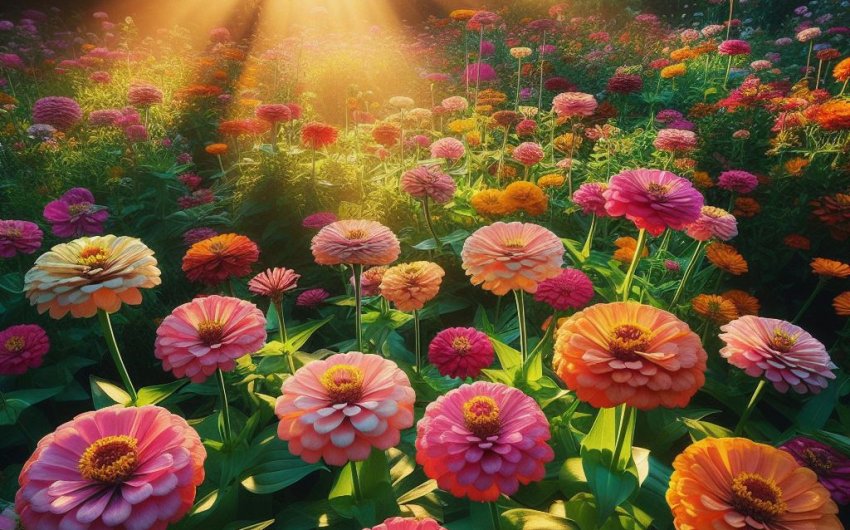
Zinnias burst with beauty in your garden by offering an unparalleled display of vibrant, continuous color throughout the summer. This comprehensive guide covers key aspects like selecting diverse varieties suited for your needs, expert planting tips for quick establishment, and essential care practices to ensure a thriving, pollinator-friendly, and consistently blooming garden from spring to frost.
Why are zinnias a quintessential annual for every gardener?
Zinnias are arguably the quintessential annual flower, celebrated worldwide for their dazzling array of vibrant colors, diverse forms, and remarkable ease of cultivation. From novice gardeners seeking guaranteed success to seasoned enthusiasts craving abundant cut flowers and pollinator magnets, zinnias (Zinnia elegans and other species) are a must-have for every garden. They truly transform any space into a spectacular, continuous burst of beauty and life throughout the summer season.
What makes zinnias so special for a vibrant, colorful garden?
Zinnias possess a unique combination of characteristics that elevate them to garden stardom, making them incredibly popular.
- Explosion of Color: Zinnias come in an astonishing and almost limitless spectrum of vibrant colors: bright reds, fiery oranges, sunny yellows, bold pinks, deep purples, pure whites, and even stunning bi-colored and multi-hued varieties. They are known for their pure, saturated hues that provide an incredible visual punch, easily brightening any garden bed or container.
- Diverse Flower Forms: Their blooms are incredibly varied, catering to every aesthetic preference:
- Single: Simple, daisy-like petals with an exposed center.
- Semi-Double: More petals than single, but still a visible center.
- Double: Dense, full blooms with many layers of petals, resembling dahlias or pom-poms.
- 'Dahlia Flowered' / 'Giant Benary's Giant' Series: Large, densely petaled, dahlia-like blooms (up to 4-6 inches across) on tall, sturdy stems.
- 'Cactus Flowered' Series: Features quilled or rolled petals, giving a spiky appearance.
- 'Scabiosa Flowered' Series: Unique domed centers with flat outer petals.
- Continuous and Prolific Blooms: With proper care (especially regular deadheading and harvesting), zinnias are phenomenal bloomers, providing a non-stop display of color from late spring until the first hard frost. This means months of vibrant flowers!
- Easy to Grow from Seed: Zinnias are among the easiest flowers to grow directly from seed outdoors, germinating quickly and growing vigorously. This makes them highly accessible, cost-effective, and incredibly rewarding for beginners.
- Attracts Pollinators: Their bright colors and nectar-rich flowers are an absolute magnet for essential pollinators: butterflies (especially Monarchs, Swallowtails), bees (honeybees, bumblebees, native bees), and hummingbirds, bringing life, movement, and ecological benefit to your garden.
- Excellent Cut Flowers: Zinnias make fantastic cut flowers, boasting long, sturdy stems and an impressive vase life. They provide a continuous supply of fresh blooms for bouquets, arrangements, and centerpieces, both indoors and out.
- Heat and Drought Tolerant: Once established, zinnias thrive in hot summer sun and are quite drought-tolerant, making them ideal performers in regions with intense summers where other flowers might wilt.
- Versatile Use: Perfect for mass plantings, mixed perennial and annual borders, containers, cutting gardens, pollinator gardens, and even as cheerful accents in vegetable patches.
- Rapid Growth: From seed to bloom in a matter of weeks, offering quick gratification and a tangible sense of gardening success.
By understanding their incredible diversity and the compelling benefits they offer, you can choose the perfect zinnias to create a truly vibrant, colorful, and lively garden that brings joy throughout the entire growing season.
What are the most popular and versatile zinnia varieties?
The sheer diversity within the Zinnia genus, particularly Zinnia elegans, allows gardeners to choose from an incredible array of flower forms, sizes, and colors. Selecting the right varieties based on your garden's purpose and available space is key to creating a truly stunning and personalized display.
1. Zinnia elegans (Common Zinnia)
This is the most widely cultivated and diverse species, offering a vast selection of forms and colors.
- 'Benary's Giant' Series:
- Characteristics: These are the gold standard for cut flowers. They produce very large (4-6 inch / 10-15 cm), fully double, dahlia-like blooms on long, sturdy stems. They come in a wide range of pure, saturated colors (e.g., 'Benary's Giant Salmon Rose', 'Benary's Giant Scarlet', 'Benary's Giant Lime').
- Height/Spread: Tall growers, typically 3-4 feet (90-120 cm) tall and 12-18 inches (30-45 cm) wide.
- Best For: Cutting gardens, dramatic back-of-the-border plantings, attracting a wide range of pollinators.
- 'State Fair' Series:
- Characteristics: Classic, very large (up to 6 inches / 15 cm), fully double blooms on robust plants. A very popular choice for traditional gardeners.
- Height/Spread: 2-3 feet (60-90 cm) tall.
- Best For: Large garden beds, creating a bold statement.
- 'California Giants' Series:
- Characteristics: Produces very large, double blooms on exceptionally tall plants.
- Height/Spread: Can reach 3-5 feet (90-150 cm) tall.
- Best For: Back of the border, providing impressive height and impact.
- 'Queen Lime' Series (e.g., 'Queen Lime Orange', 'Queen Lime Red'):
- Characteristics: Unique, often vintage-looking blooms with a distinctive greenish-lime base that blends with other colors. Semi-double to double forms.
- Height/Spread: 2-3 feet (60-90 cm) tall.
- Best For: Unique cut flower arrangements, adding sophisticated color to borders.
- 'Cactus Flowered' Series:
- Characteristics: Features quilled, rolled, or spiky petals that give the bloom a distinctive, often shaggy appearance.
- Height/Spread: Varies by cultivar, often 2-3 feet (60-90 cm) tall.
- Best For: Adding unique texture to cutting gardens and borders.
- 'Lilliput' / 'Thumbelina' Series:
- Characteristics: Compact plants with smaller (1-2 inch / 2.5-5 cm), dense, pompom-like blooms.
- Height/Spread: Dwarf varieties, typically 12-18 inches (30-45 cm) tall.
- Best For: Front of the border, containers, edging, miniature gardens.
2. Zinnia angustifolia (Narrowleaf Zinnia / Mexican Zinnia)
This species offers a more compact, bushy habit and often superior disease resistance, making it an excellent choice for a variety of uses.
- 'Profusion' Series (e.g., 'Profusion Orange', 'Profusion Cherry', 'Profusion White'):
- Characteristics: Exceptional performers. Produce a profusion of small (1-2 inch / 2.5-5 cm), single or semi-double, daisy-like flowers with fine foliage. Highly heat and drought tolerant. Critically, they are highly resistant to powdery mildew.
- Height/Spread: Forms dense, bushy mounds, typically 12-18 inches (30-45 cm) tall and wide.
- Best For: Mass plantings, borders, groundcover, containers, areas prone to powdery mildew.
- 'Zahara' Series (e.g., 'Zahara Double Fire', 'Zahara Starlight Rose'):
- Characteristics: Similar to 'Profusion' in vigor and disease resistance, but often offers fully double blooms and a slightly wider color range. Also highly heat and drought tolerant.
- Height/Spread: 12-18 inches (30-45 cm) tall and wide.
- Best For: Identical uses to 'Profusion', offering double flower forms.
3. Zinnia haageana (Mexican Zinnia / Aztec Zinnia)
Another species valued for its smaller blooms and often unique bi-colors.
- 'Perfection' Series:
- Characteristics: Smaller, often single or semi-double flowers with a distinctive blend of colors (e.g., yellow and red tips).
- Height/Spread: 18-24 inches (45-60 cm) tall, bushy.
- Best For: Borders, adding unique subtle colors.
Comparison Table: Zinnia Species for Different Needs
| Feature | Zinnia elegans | Zinnia angustifolia (Profusion/Zahara) |
|---|---|---|
| Flower Size | Large to Giant (3-6+ inches) | Small to Medium (1-2 inches) |
| Flower Form | Single, semi-double, double, dahlia, cactus | Single, semi-double, double |
| Plant Height | Tall (2-5 feet) | Compact (12-18 inches) |
| Growth Habit | Upright, bushy | Bushy, mounding, spreading |
| Disease Resistance | Variable, many susceptible to powdery mildew | High (especially to powdery mildew) |
| Heat/Drought Tolerance | Good | Excellent |
| Best For | Cut flowers, back of border, dramatic impact | Mass plantings, containers, groundcover, low maintenance |
By understanding the distinct characteristics and advantages of these popular zinnia varieties, you can confidently select the perfect types to create a vibrant, colorful, and thriving garden that perfectly suits your vision and local conditions.
Where is the best place to plant zinnias for maximum vibrancy?
Choosing the optimal planting location for zinnias is paramount for maximizing their vibrant colors, ensuring continuous blooms, and promoting overall plant health. These sun-loving, heat-tolerant annuals have specific environmental needs that, when met, guarantee they perform their absolute best and transform your garden into a spectacular display of color and life.
How much sunlight do zinnias need?
Sunlight is the most critical factor for prolific zinnia blooms and their characteristic vibrant color.
- Full Sun is Essential: Zinnias absolutely require full sun, meaning at least 6-8 hours of direct, unfiltered sunlight per day. The more sun they receive, the more abundant, larger, and more vibrantly colored their blooms will be.
- Why it Works: Full sun provides the necessary energy for photosynthesis, which drives vigorous growth and the continuous production of flowers. Intense light also helps to bring out the richest, most saturated hues in the petals, preventing pale or washed-out blooms.
- Avoid Shade: In partial shade (less than 6 hours of sun), zinnias will become leggy and sparse, producing significantly fewer flowers. The blooms that do appear will be smaller and less vibrant. Plants in shade are also more susceptible to powdery mildew due to increased humidity and reduced airflow. In deep shade, zinnias will struggle to survive and likely fail to bloom.
- Heat Tolerance: Don't be afraid to plant zinnias in the hottest, sunniest spots in your yard. They thrive in intense heat and prolonged direct sun, often performing better than many other flowers in these challenging conditions.
What kind of soil is best for growing zinnias?
While zinnias are quite adaptable, providing them with ideal soil conditions promotes healthier growth and superior flowering.
- Well-Draining Soil: This is a non-negotiable requirement. Zinnias cannot tolerate soggy, waterlogged soil, which quickly leads to root rot and plant decline.
- DO: Ensure your garden bed or container has excellent drainage.
- DON'T: Plant in heavy clay soil without extensively amending it.
- Moderately Fertile Soil: Zinnias are not extremely heavy feeders and do not require overly rich soil, but a good base ensures healthy, vigorous growth.
- DO: Amend garden beds with a moderate amount (e.g., 2-3 inches worked into the top 6-8 inches of soil) of finished compost or aged manure before planting. This improves soil structure, provides slow-release nutrients, and helps retain some moisture while still draining well.
- DON'T: Over-fertilize with excessive nitrogen, especially before or during flowering, as this can lead to lush leafy growth at the expense of blooms.
- Slightly Acidic to Neutral pH: Zinnias generally prefer a soil pH between 6.0 and 7.0.
- Action: A soil pH testing kit can help you determine your current soil acidity.
- Loose and Friable: The soil should be loose and crumbly, allowing roots to spread easily and for good aeration.
Can zinnias thrive in containers?
Absolutely! Zinnias are fantastic candidates for container gardening, especially the more compact and bushy varieties (like 'Profusion' and 'Zahara' series).
- Versatile Placement: Containers allow you to place zinnias in the sunniest spots on patios, decks, balconies, or even move them around to optimize light exposure throughout the day.
- Container Size:
- DO: Choose pots that are large enough to support vigorous growth. For smaller varieties (e.g., 'Thumbelina', 'Profusion'), aim for at least 8-12 inches (20-30 cm) in diameter. Larger varieties (e.g., 'Benary's Giant') will need even bigger containers (12-18 inches or 30-45 cm).
- Why: Ample root space supports vigorous growth and prolific flowering, and larger pots retain moisture longer, reducing watering frequency.
- Drainage Holes:
- DO: Ensure every container has ample drainage holes to prevent waterlogging and root rot.
- Potting Mix:
- DO: Use a high-quality, well-draining potting mix specifically designed for containers. Mix in some compost for added nutrients. A good organic potting mix like Foxfarm Ocean Forest Potting Soil is excellent.
- Watering: Container zinnias will dry out faster and require more frequent watering than in-ground plants.
By meticulously choosing a sunny location with well-draining, moderately fertile soil, whether in garden beds or containers, you create the optimal environment for your zinnias to produce a spectacular and continuous display of vibrant color.
How do I plant zinnias for a burst of beauty?
Planting zinnias correctly, whether direct sowing seeds or transplanting seedlings, is key to establishing a garden bursting with vibrant color. These warm-weather annuals are eager to grow, and a few simple techniques ensure quick germination, vigorous early development, and a continuous show of blooms throughout the season.
When is the best time to plant zinnia seeds or seedlings?
Timing is crucial for zinnias, as they are very sensitive to cold and thrive in warmth.
- After Last Frost (Essential):
- DO: Plant zinnia seeds or transplant seedlings after all danger of frost has passed and the soil has thoroughly warmed up in spring. This is typically when nighttime temperatures consistently stay above 50°F (10°C) and daytime temperatures are reliably in the 70s°F (21°C+)
- Why: Zinnias are extremely frost-sensitive and will be killed by cold temperatures. Planting into warm soil ensures rapid germination and strong, healthy growth.
- DON'T: Plant too early. Be patient!
- Succession Planting (for continuous blooms):
- DO: For a continuous display of blooms throughout the summer and into fall, plant new batches of zinnia seeds every 2-3 weeks from late spring until mid-summer.
- Why: This ensures a constant supply of fresh flowers as older plants start to wane or succumb to late-season diseases like powdery mildew.
Step-by-step guide to direct sowing zinnia seeds.
Zinnias are one of the easiest flowers to grow directly from seed outdoors, making direct sowing a popular and efficient method.
- Prepare the Planting Bed:
- DO: Ensure your garden bed is in full sun and has well-draining, moderately fertile soil, amended with compost as described previously.
- DO: Rake the soil smooth and level, removing any large clumps or debris.
- Sow Seeds:
- DO: Plant zinnia seeds about 1/4 inch deep (0.6 cm).
- DO: Space seeds approximately 4-6 inches (10-15 cm) apart initially, or according to package directions, if planting in rows. If broadcasting over an area, scatter them thinly.
- DON'T: Bury seeds too deep, as they need some light to germinate.
- Cover Gently:
- DO: Lightly cover the seeds with a thin layer of fine soil or vermiculite.
- Water Gently:
- DO: Water the seeded area gently but thoroughly with a fine mist setting or a watering can with a rose attachment.
- Why: Avoids washing away or disturbing the seeds.
- Maintain Moisture for Germination:
- DO: Keep the soil consistently moist but not soggy until germination occurs. Mist daily if the surface appears dry.
- Why: Consistent moisture is essential for successful sprouting.
- Patience: Zinnia seeds typically germinate rapidly in 5-10 days in warm soil.
- Thin Seedlings:
- DO: Once seedlings have developed 2-3 sets of true leaves, thin them to the recommended final spacing (e.g., 6-12 inches apart, depending on variety size).
- Why: Prevents overcrowding, which reduces airflow, increases competition for resources, and promotes disease (especially powdery mildew).
Step-by-step guide to transplanting zinnia seedlings.
If you start zinnia seeds indoors or purchase nursery seedlings, follow these steps for successful transplanting outdoors.
- Prepare Containers/Holes:
- DO: For containers, fill with a high-quality potting mix. For garden beds, dig holes that are just slightly wider and as deep as the seedling's root ball.
- Harden Off Seedlings:
- DO: If you started seeds indoors, gradually acclimate seedlings to outdoor conditions (sun, wind, temperature fluctuations) over a period of 7-10 days.
- Why: Prevents transplant shock, which can stunt growth or even kill delicate seedlings.
- Transplant Carefully:
- DO: Gently remove seedlings from their original pots, being careful not to disturb the roots too much. Plant them at the same depth as they were growing.
- DO: Space them according to the mature size of the variety (e.g., 6-18 inches apart).
- DON'T: Plant too deep or too shallow.
- Water Thoroughly:
- DO: Water new transplants deeply immediately after planting.
- Initial Care:
- DO: Keep the soil consistently moist for the first week or two until they establish.
Pinching for Bushiness (Optional but Recommended):
- DO: When zinnia seedlings are 4-6 inches tall and have 3-4 sets of true leaves, pinch off the top 1-2 inches of the main stem (just above a set of leaves).
- Why: This encourages the plant to branch out from lower nodes, resulting in a bushier plant with more flowers (though it may slightly delay the first blooms by a week or so). This is especially beneficial for tall varieties.
By diligently following these planting steps, you ensure your zinnias establish vigorously, providing a continuous, vibrant, and colorful display throughout your garden.
How do I care for my zinnias for a continuous, vibrant bloom display?
Caring for zinnias is straightforward, but a few key practices are essential to ensure a continuous, vibrant bloom display throughout the entire growing season. Consistent attention to watering, appropriate feeding, regular deadheading, and vigilant disease management will keep your zinnias producing a spectacular show of color from late spring to the first hard frost.
1. Watering: Essential for continuous vibrancy.
Zinnias appreciate consistent moisture, especially when actively growing and blooming, but they do not like soggy roots.
- DO: Water deeply and consistently at the base of the plant. Aim for about 1 inch of water per week (from rain or irrigation) for in-ground plants. Container plants will need more frequent watering.
- DO: Allow the top 1-2 inches of soil to dry out between waterings. Use your finger or a soil moisture meter to monitor.
- Why it Works: Consistent moisture supports vigorous growth and abundant flowering. Deep watering encourages a strong root system, making plants more drought-tolerant once established.
- DON'T: Use overhead sprinklers, especially in the evening.
- Why: Wet foliage, especially overnight, creates ideal conditions for fungal diseases like powdery mildew. Use a soaker hose or drip irrigation to deliver water directly to the soil.
- Adapt to Weather:
- DO: Increase watering frequency during hot, dry, or windy weather, as these conditions increase evaporation and plant water demand.
- DO: Reduce watering during periods of heavy rainfall or high humidity.
2. Fertilization: Gentle boosts for prolific blooms.
Zinnias are not extremely heavy feeders but benefit from some fertilization, especially for sustained, continuous flowering.
- Moderate Fertility:
- DO: If your soil was well-amended with compost at planting, additional fertilizer may be minimal for the first few weeks.
- DO: For continuous blooms throughout the season, apply a balanced liquid flower fertilizer (e.g., 5-10-5 or 10-10-10, diluted to half strength) every 2-4 weeks during the active blooming season. Look for fertilizers with slightly higher phosphorus (P) and potassium (K) (the middle and third numbers in NPK) to encourage flowers.
- DON'T: Over-fertilize with nitrogen (the first number in NPK), as this will promote lush leafy growth at the expense of flowers ("all foliage, no blooms").
- Organic Options:
- DO: Top-dress with a thin layer of worm castings or finished compost mid-season for a gentle, slow-release nutrient boost.
- Water In:
- DO: Always water thoroughly after applying granular fertilizer to prevent root burn.
3. Deadheading: The secret to endless flowers.
Deadheading (removing spent blooms) is the single most important practice for encouraging continuous zinnia blooms.
- DO: Regularly deadhead (remove spent or faded flowers). Cut the flower stalk back to a strong side shoot, a healthy leaf, or a branching point on the stem.
- Why it Works:
- Encourages More Blooms: When you remove spent flowers, the plant redirects its energy from seed production into creating new flower buds, extending the flowering season dramatically.
- Tidies Appearance: Keeps the plants looking neat and attractive.
- DON'T: Let spent flowers remain on the plant, as this signals to the plant to complete its life cycle by producing seeds, which will slow down or cease new flower production.
- Harvest for Bouquets: This counts as deadheading! The more you cut zinnias for bouquets (cutting long stems), the more they will produce.
4. Pruning and Maintenance: For bushiness and health.
Beyond deadheading, some light pruning ensures a healthy, dense plant.
- Pinching (Young Plants):
- DO: As discussed, pinch back young zinnia seedlings (4-6 inches tall) to encourage bushier growth and more flowers.
- Pruning for Air Circulation:
- DO: If plants become very dense, gently prune some inner, lower leaves to open up the canopy and improve air circulation, especially for varieties susceptible to powdery mildew.
- Remove Diseased Foliage:
- DO: Promptly remove and destroy (do not compost) any leaves showing signs of disease.
- Support Tall Varieties:
- DO: For very tall zinnia varieties, provide stakes or support cages to prevent them from flopping over in wind or heavy rain. Tie them loosely to avoid damage.
By diligently adhering to these care practices, focusing on consistent watering, appropriate feeding, and rigorous deadheading, you ensure your zinnias remain vigorous, healthy, and continuously produce a spectacular, vibrant, and colorful display throughout the entire growing season.
How do I prevent common zinnia problems for a thriving garden?
Preventing common zinnia problems is crucial for ensuring a vibrant, colorful, and healthy garden all season long. While zinnias are generally easy to grow, they can be susceptible to specific issues, particularly fungal diseases and some pests. Proactive cultural practices and early intervention will minimize problems and maximize your beautiful blooms.
1. Prevent Powdery Mildew: The most common fungal issue.
Powdery mildew is arguably the most common and visible disease affecting zinnias, but you can significantly reduce its impact.
- Choose Resistant Varieties (Best Defense):
- DO: Select zinnia varieties that are specifically labeled as "powdery mildew resistant" (PMR) or "powdery mildew tolerant." This is your most powerful first line of defense. Examples include 'Profusion' and 'Zahara' series.
- Why it Works: These varieties have genetic resistance that slows or prevents infection.
- Ensure Good Air Circulation:
- DO: Space zinnia plants generously according to package directions (check mature width). Avoid overcrowding with other plants.
- DO: Gently prune some inner, older leaves if plants become too dense to open up the canopy.
- Why it Works: Good airflow helps leaves dry quickly, reducing humidity around foliage, which is crucial for preventing powdery mildew (and other fungi).
- Water Wisely (Avoid Overhead in Evening):
- DO: Water deeply and consistently at the base of the plant in the early morning.
- DON'T: Use overhead sprinklers or water in the evening, as this keeps foliage wet overnight and creates ideal conditions for powdery mildew (and other fungi) to thrive. Use a soaker hose or drip irrigation.
- Sanitation:
- DO: Promptly remove and destroy (do not compost) any leaves that show early signs of powdery mildew.
- DO: Thoroughly clean up all plant debris at the end of the season.
- Treat Early (Organic Sprays):
- DO: If powdery mildew appears despite prevention, apply neem oil, a baking soda/potassium bicarbonate spray, or a sulfur-based fungicide at the first sign of symptoms. Repeat every 7-10 days.
2. Prevent Other Fungal Diseases (e.g., Alternaria, Cercospora Leaf Spot).
These are also common fungal issues, especially in warm, wet, or humid conditions.
- Cultural Practices (Most Important): Follow all the rules for good air circulation, proper spacing, and watering at the base of the plant.
- Sanitation: Remove infected leaves promptly throughout the season. Thoroughly clean up all plant debris at season's end.
- Crop Rotation: If planting zinnias in the same bed repeatedly, rotate their location annually.
- Fungicides (if needed): Copper or sulfur-based organic fungicides can offer some protection.
3. Manage Pests for healthy plants.
Healthy zinnias attract beneficial pollinators, but can also attract some common garden pests.
- Aphids:
- Identification: Small, soft-bodied insects clustered on new growth. Cause yellowing, distorted leaves.
- Prevention: Encourage beneficial insects (ladybugs, lacewings). Avoid excessive nitrogen fertilization.
- Control: Blast with a strong spray of water. Use insecticidal soap or neem oil.
- Spider Mites:
- Identification: Tiny yellow stippling, fine webbing (in hot, dry conditions).
- Prevention: Maintain adequate moisture; avoid prolonged drought stress.
- Control: Blast with water. Use insecticidal soap or neem oil.
- Japanese Beetles:
- Identification: Iridescent green and copper beetles that skeletonize leaves.
- Prevention: Use pheromone traps (place far away from desirable plants to lure them away).
- Control: Hand-pick into a bucket of soapy water.
- Whiteflies:
- Identification: Tiny white moths under leaves that fly up when disturbed.
- Control: Use yellow sticky traps. Blast with water. Use insecticidal soap or neem oil.
- Stressed Plants Attract Pests:
- DO: Ensure good overall plant health with adequate water and balanced nutrition. Healthy plants are more resistant to pest attacks.
4. Prevent Leggy Growth and Encourage Bushiness.
- Adequate Sunlight:
- DO: Plant zinnias in full sun (6-8+ hours daily).
- Why: Insufficient light is the primary cause of leggy, sparse growth as plants stretch to find light.
- Pinching (Young Plants):
- DO: When zinnia seedlings are 4-6 inches tall, pinch off the top 1-2 inches of the main stem.
- Why: This encourages branching, leading to a bushier plant with more flowers.
- Regular Deadheading:
- DO: Continuously remove spent flowers.
- Why: This promotes new growth and prevents the plant from putting energy into seed production, keeping it vigorous and bushy.
- Avoid Over-Fertilizing with Nitrogen:
- DO: Use a balanced flower fertilizer.
- Why: Too much nitrogen encourages leafy growth at the expense of flowers and can make plants leggy.
By consistently implementing these proactive prevention tips and employing targeted control strategies when necessary, you can effectively manage common zinnia problems, ensuring a thriving, vibrant, and colorful garden filled with beautiful, healthy blooms all season long.
How do zinnias enhance garden ecosystems and attract beneficial wildlife?
Zinnias are not just a feast for the eyes; they are a vital asset for enhancing garden ecosystems and actively attracting a diverse array of beneficial wildlife. Their vibrant, nectar-rich blooms and easy cultivation make them a cornerstone of any pollinator-friendly garden, supporting biodiversity and contributing to a healthier, more balanced environment.
What pollinators are zinnias most effective at attracting?
Zinnias are a magnet for various crucial pollinators, providing them with essential food resources.
- Butterflies (Top Attractor): Zinnias, particularly single and semi-double varieties with exposed centers, are absolute favorites for butterflies.
- Species: Attracts a wide range, including Monarchs, Swallowtails, Painted Ladies, Fritillaries, and Sulphurs.
- Why: Their bright colors and easily accessible nectar are irresistible.
- Bees (Honeybees, Bumblebees, Native Bees):
- Why: The accessible nectar and pollen provide a vital food source for all types of bees, supporting their populations and their crucial work in pollinating other garden plants (including fruits and vegetables).
- Hummingbirds:
- Why: Many larger zinnia varieties (especially red and orange hues) are attractive to hummingbirds, who seek out nectar.
- Other Beneficial Insects:
- Why: The abundance of flowers attracts other beneficial insects like hoverflies, parasitic wasps, and lacewings, many of which are predators of common garden pests (e.g., aphids). This contributes to natural pest control.
How do zinnias support the entire pollinator life cycle?
While primarily a nectar source, zinnias contribute to a healthy pollinator environment in several ways.
- Nectar for Adult Energy: The continuous supply of nectar from zinnia blooms provides sustained energy for adult butterflies and bees throughout their active season, supporting their flight, mating, and egg-laying activities.
- Host Plant Potential (Limited, for some): While not a primary host plant for many well-known butterflies like Monarchs, some species (e.g., Painted Lady caterpillars) may occasionally use zinnias as a host plant, though it's less common than specific host plants like milkweed.
- Biodiversity of Food Sources: By attracting a diverse range of adult pollinators, zinnias contribute to a healthier, more diverse insect community, which in turn supports a more complex and resilient food web in your garden.
What are the broader ecological benefits of planting zinnias?
Beyond direct pollination, zinnias offer wider ecological advantages.
- Natural Pest Control: By attracting beneficial predatory insects, zinnias contribute to organic pest management, reducing the need for chemical insecticides that can harm the environment.
- Habitat and Shelter: Dense plantings of zinnias can provide temporary shelter for smaller insects and pollinators.
- Soil Health: As annuals, their roots break down in the soil after the season, adding organic matter and improving soil structure.
- Weed Suppression: Dense stands of zinnias can shade out and outcompete weeds.
- Aesthetic Appeal for Wildlife: The vibrant colors and activity of butterflies and bees make the garden a more lively and enjoyable space.
- Environmental Indicator: A thriving population of pollinators visiting your zinnias is a good indicator of a healthy, biodiverse local environment.
How to maximize zinnias' ecological impact in your garden:
- DO: Plant a variety of zinnia types (single, semi-double, and double) to cater to different pollinator preferences. Single and semi-double forms with exposed centers are generally best for bees and smaller butterflies.
- DO: Choose a mix of bright colors (purple, pink, red, orange, yellow).
- DO: Plant zinnias in large groups or "drifts" to make them highly visible and attractive to pollinators.
- DO: Combine zinnias with other pollinator-friendly plants in your garden, including native species and host plants for specific butterflies (e.g., milkweed for Monarchs).
- DO: Avoid pesticides entirely in your garden.
- DO: Provide a shallow water source (like a bird bath or a puddling station with wet sand) for butterflies.
By intentionally including zinnias in your garden, you not only enjoy their spectacular burst of beauty but also actively contribute to supporting crucial pollinator populations and fostering a healthier, more vibrant, and balanced ecosystem in your own backyard.