Gardening Doesn't Have to Be Complicated if You Know What You're Doing
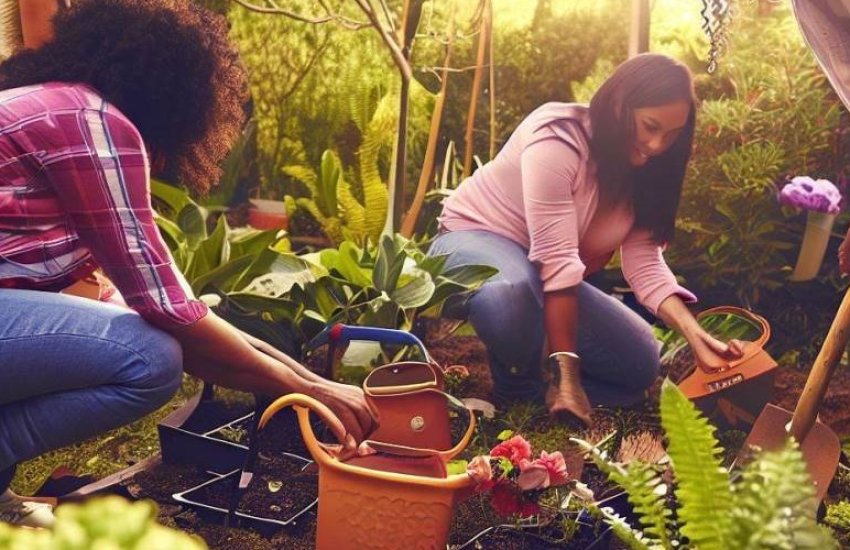
With just a bit of practical knowledge and the right tools, anyone can create a lush, vibrant garden space. Whether you're tending to houseplants, nurturing a vegetable patch, or crafting a backyard oasis, understanding a few fundamental tips can simplify the entire process. At GardenBotany.com, we're here to guide you every step of the way, making gardening enjoyable, stress-free, and accessible for everyone, from complete beginners to seasoned gardeners looking to perfect their green thumbs.
Latest Gardening Posts and Plant Care Tips
-

Your Guide to a Thriving Kitchen Herb Garden
A kitchen herb garden provides fresh, aromatic herbs right at your fingertips, enhancing your cooking and bringing life to your indoor space. It's a convenient and rewarding way to have continuous access to fresh flavors.
-
How to Use Plant Labels in Gardening?
To effectively use plant labels in gardening, you mark newly planted seeds or seedlings with essential information like plant type, variety, and planting date. Plant labels are crucial for organization, preventing confusion, and tracking plant growth and performance throughout the growing season and beyond.
-
Garden Twine Uses for Supporting Plants
Garden twine is incredibly versatile for supporting plants, offering essential aid for everything from vining vegetables to delicate flowers. Its primary uses involve tying stems to stakes or trellises, creating vertical growing structures, and gently bundling plants to protect them from wind or heavy fruit.
-
Advertisement
-
Tool Storage Solutions for Small Garden Sheds
Effective tool storage solutions for small garden sheds focus on maximizing vertical space, using multi-functional organizers, and implementing smart hanging systems to keep tools accessible, protected, and clutter-free. The goal is to make every inch count.
-
How to Store Gardening Tools Properly?
To store gardening tools properly, you must first clean and dry them thoroughly, then apply rust-preventative measures before organizing them in a dry, accessible, and secure location, ideally off the ground. Proper storage extends their lifespan, keeps them sharp, and prevents damage.
-
How to Maintain Pruning Shears Sharp?
To maintain pruning shears sharp, consistently clean sap and debris after each use, disinfect them regularly, and sharpen the cutting blade with a sharpening stone or diamond file, maintaining its original bevel. Proper storage also prevents dulling and rust.
-
When to Use a Bow Rake vs Leaf Rake?
You should use a bow rake for heavy-duty tasks like leveling soil, spreading gravel, or breaking up clods, thanks to its sturdy, rigid tines. In contrast, use a leaf rake for light cleanup, such as gathering leaves, grass clippings, or light debris, as its flexible, fan-shaped tines are gentle on lawns and delicate plants.
-
Best Garden Rake for Leveling and Cleanup
A garden rake is an essential tool for both leveling soil or aggregates and cleanup tasks in any garden or yard. It effectively spreads material evenly and gathers debris like leaves, grass clippings, or small stones.
-
Pruning Saw vs Loppers: What to Use When
A pruning saw is best for cutting larger branches, typically those thicker than 1.5 to 2 inches in diameter, that are too tough for loppers. Loppers excel at cutting branches up to 1.5 or 2 inches thick, providing clean cuts with less effort thanks to their long handles and leverage.
-
The Best Garden Spade for Digging Roots: Power Through Tough Soil
The best garden spade for digging roots features a strong, sharp, and often serrated or pointed blade combined with a durable handle, specifically designed to cut through stubborn roots and compacted soil. Selecting the right spade makes tackling challenging digging tasks significantly easier and more efficient.