Gardening Doesn't Have to Be Complicated if You Know What You're Doing

With just a bit of practical knowledge and the right tools, anyone can create a lush, vibrant garden space. Whether you're tending to houseplants, nurturing a vegetable patch, or crafting a backyard oasis, understanding a few fundamental tips can simplify the entire process. At GardenBotany.com, we're here to guide you every step of the way, making gardening enjoyable, stress-free, and accessible for everyone, from complete beginners to seasoned gardeners looking to perfect their green thumbs.
Latest Gardening Posts and Plant Care Tips
-

How to Diagnose and Cure Rot in Pumpkin Plants
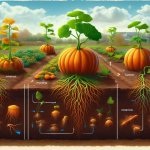
To diagnose and cure rot in pumpkin plants, first identify the specific type of rot (e.g., stem, root, crown, or fruit rot) by observing distinct symptoms like discoloration, mushy textures, or fungal growth. Implement immediate solutions such as improving drainage, adjusting watering practices, removing affected plant parts, and applying targeted fungicides or bactericides when appropriate, focusing heavily on prevention through optimal cultural care.
-
The Ultimate Guide to Managing Pests on Pumpkin Plants
The ultimate guide to managing pests on pumpkin plants involves an integrated pest management (IPM) approach, starting with prevention through healthy cultural practices like crop rotation and proper spacing. Then, regularly monitor for specific pests, identify them correctly, and apply targeted organic or chemical controls only when necessary, prioritizing those that preserve beneficial insects.
-
Why Your Pumpkin Leaves are Turning Yellow and How to Fix It?
If your pumpkin leaves are turning yellow, it's often a sign of stress, most commonly due to nutrient deficiencies (especially nitrogen, iron, or magnesium), improper watering (both too much or too little), or pest and disease infestations. To fix it, first diagnose the exact cause by observing patterns, then implement targeted solutions like adjusting fertilization, correcting watering habits, or treating pests/diseases.
-
10 Common Pumpkin Plant Diseases and How to Treat Them
To identify and fix common pumpkin plant diseases, vigilantly inspect leaves, stems, and fruit for specific symptoms like powdery white growth, spots, or wilting. Implement cultural practices such as proper spacing, watering techniques, and sanitation to prevent most diseases, and apply targeted organic or chemical fungicides only when necessary for treatment.
-
Lawn Aeration 101: Why, When, and How to Aerate Your Lawn
Lawn aeration 101 teaches why, when, and how to aerate your lawn, as it is a crucial practice for healthy turf. Aeration relieves soil compaction, allowing air, water, and nutrients to penetrate deeply to the grass roots, promoting stronger growth, better drought tolerance, and increased disease resistance.
-
Seasonal Lawn Care Checklist: Year-Round Maintenance for a Healthy Lawn
A seasonal lawn care checklist provides year-round maintenance for a healthy lawn, ensuring it receives the right care at the right time. Key tasks include adjusting mowing height and frequency, seasonal fertilization, strategic watering, and targeted weed, pest, and disease management appropriate for each changing season and your specific grass type.
-
Reviving a Brown Lawn: Step-by-Step Recovery Plan
Reviving a brown lawn requires a step-by-step recovery plan, starting with identifying the cause of browning (e.g., drought, disease, pests, chemicals). Then, implement targeted solutions like proper watering, addressing underlying soil issues, reseeding damaged areas, and applying appropriate treatments to bring your lawn back to vibrant health.
-
Lawn Mowing Patterns: How to Achieve a Professional Look
To achieve a professional look with lawn mowing patterns, understand that the stripes are created by light reflecting differently off grass blades bent in opposing directions. Implement techniques like straight, overlapping passes, rotating patterns weekly, and using a reel mower or striping kit on a well-maintained, healthy lawn cut at an appropriate height.
-
Eco-Friendly Lawn Care: How to Maintain Your Lawn Sustainably
To maintain your lawn sustainably with eco-friendly lawn care, focus on cultivating healthy soil through organic amendments and proper watering, mowing high and often, and embracing natural pest and weed control methods. Selecting the right grass for your climate also minimizes the need for intensive interventions.
-
Watering Wisdom: How to Properly Irrigate Your Lawn for Maximum Health
To properly irrigate your lawn for maximum health, water deeply and infrequently, applying about 1 inch of water per week in the early morning. Adjust frequency based on grass type, soil, and weather, focusing on encouraging deep root growth and avoiding constant surface wetness to deter pests and diseases.